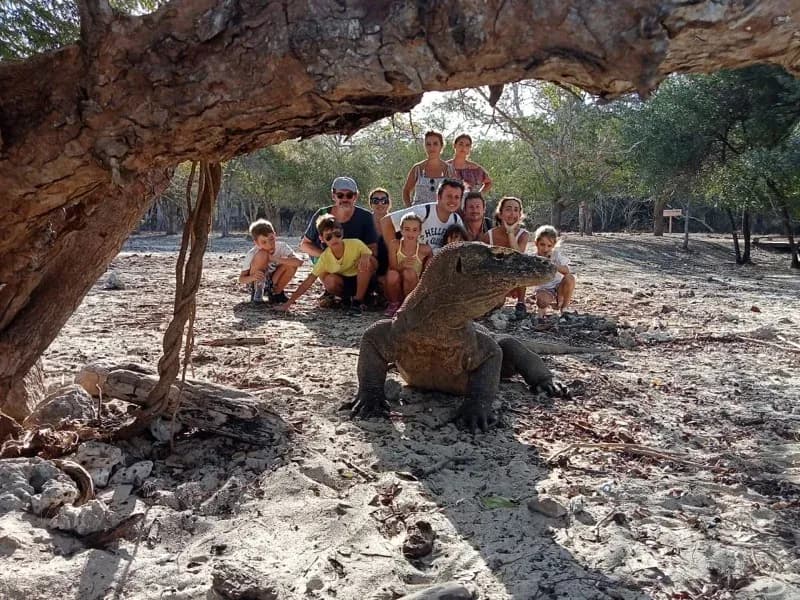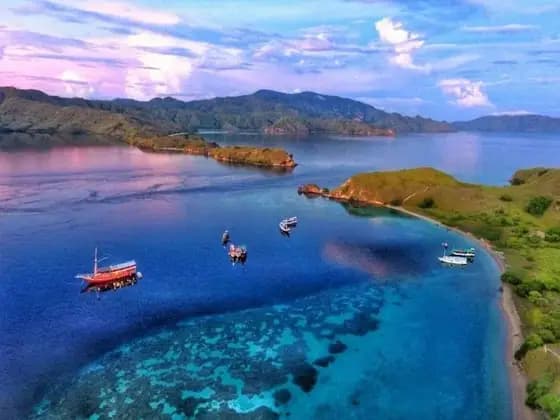

Komodo Nationalpark tilbyder en enestående visuel dramatik—tårnhøje klipper, turkisblåt hav og den ikoniske Komodo-varan. At filme her kræver omhyggelig planlægning, fra sikring af tilladelser til koordinering af logistik for Phinisi-chartere. Nedenfor er det korte svar: du har brug for en filmplaceringstilladelse til Komodo fra Miljøministeriet, en lokal produktionskontakt, og en dedikeret Phinisi-charter, der kan transportere crew, udstyr og sikre sikkerhed på vandet.
| Emne | Detaljer |
|---|---|
| Primær Tilladelse | Filmplaceringstilladelse til Komodo (udstedt af Miljø- og Skovministeriet) |
| Tilladelsesomkostninger | USD 150 per dag for et crew på ≤ 15; USD 300 per dag for større hold |
| Ansøgningstid | Minimum 30 dage; anbefales 45 dage i højsæsonen |
| Bedste Optagelsesvindue | Slutningen af april – begyndelsen af oktober (tørsæson, rolige have) |
| Typisk Base | Labuan Bajo (Bali – Komodo Phinisi-charter-hub) |
| Dybdeområde for Undervandsoptagelser | 5 m – 30 m; ikoniske steder: Batu Bolong (12 m), Manta Point (20 m) |
| Nøglearter | Varanus komodoensis, Rhinopias frondosa (blæksprutte-fisk), Manta birostris |
| Lokal Support | Certificerede Dykkerguider, Marinebiologer og Licenserede Bådkaptajner |
| Sikkerhedskrav | Alt crew skal deltage i en sikkerhedsbriefing før optagelse (inkl. haj-protokol) |
Komodos robuste silhuet mod solopgangen, den salte tang fra Flores-havet og den lave summen af fjerne bølger skaber en sensorisk palet, som få lokationer kan matche. Parkens UNESCO-verdensarvsstatus garanterer uberørte omgivelser, mens tilstedeværelsen af Komodo-varanen tilføjer en mytisk dimension, der øjeblikkeligt fanger publikums fantasi. For en produktion, der søger autenticitet, tilbyder parkens lyskvalitet—blød, gylden ved daggry og skarp, høj kontrast ved middagstid—et naturligt filmisk look, der reducerer behovet for kunstig belysning.
Indonesiens filmregulering overvåges af Miljø- og Skovministeriet (MoEF) og Turistministeriet. Filmplaceringstilladelsen til Komodo er en underkategori af den bredere "Tilladelse til Optagelser i Beskyttede Områder". Denne tilladelse sikrer, at enhver aktivitet ikke forstyrrer vildlivet, især den truede Komodo-varan.
| Trin | Handling | Tips |
|---|---|---|
| 1 | Udarbejd en detaljeret Rapport over Lokations-spejder (kort, GPS-koordinater, påvirkede arter). | Inkluder dybdekurver for undervandsscener; brug Bathy‑Map fra Komodo Dive Guide. |
| 2 | Indsend rapporten til Komodo Nationalparksmyndighed (KNPA) via deres online portal. | Brug en dedikeret e-mailadresse; behold emnelinjen "Komodo Film Location Permit – Projekttitel". |
| 3 | Betal det administrative gebyr (USD 150 / dag). | Anmod om en kvittering; det fremskynder godkendelsen. |
| 4 | Deltag i den obligatoriske briefing om miljøpåvirkning (sædvanligvis 1 time). | Medbring en kopi af dit forsikringsbevis; briefing optages til compliance. |
| 5 | Modtag Tilladelsesbrevet (PDF) og Adgangskortet til Lokationen (fysisk kort). | Adgangskortet skal være synligt på alle fartøjer, der sejler ind i parken. |
Insider-tip: Spørg KNPA-embedsmanden om en "Sæsonbestemt Fritagelse", hvis du planlægger at filme i det korte regnvejrsvindue (november-december). Fritagelsen kan reducere antallet af krævede dage, men forvent strengere crew-begrænsninger.
En Phinisi-yacht er mere end et transportfartøj; det er en flydende produktionsbase. Vores flåde hos KomodoExplorer tilbyder:
Ved booking, spørg charteroperatøren:
| Dag | Lokation | Aktiviteter | Noter |
|---|---|---|---|
| 1 | Labuan Bajo | Udstyrstjek, sikkerhedsbriefing, indsamling af tilladelse | Solopgangsoptagelse i havnen – perfekt til etablerende skud. |
| 2 | Padar-øen (08:00 – 12:00) | Drone-overflyvning, tracking-skud langs klipperne | Padars ikoniske "dobbeltbugt"-udsigt stråler i lavvinklet lys. |
| 3 | Komodo-øen (tidlig morgen) | Nærbillede af Komodo-varan, interview med vagt | Brug et teleobjektiv (400 mm); varaner er mest aktive ved daggry. |
| 4 | Batu Bolong (middag) | Undervands makro af koraller, fiskestimer | Dybde 12 m; bedst lys kl. 10 med solen i zenit. |
| 5 | Manta Point (eftermiddag) | Manta-ray svævning, slow-motion backscatter | Tidevandsstrøm topper kl. 14:00; planlæg for maksimal manta-aktivitet. |
| 6 | Kanawa-øen (solnedgang) | Silhuet af klipper, natlig bioluminescens | Medbring et støjsvagt undervandshus til natoptagelser. |
| 7 | Labuan Bajo | Afslutning, de-brief, returnering af tilladelse | Gennemgå optagelser på Phinisiens ombord monitor. |
Pro-tip: Tilpas dine optagedage med månekalenderen; en aftagende måneformørkelse reducerer omgivelseslyset for natlige undervandsoptagelser.
Insider-tip: Tidlig morgenspejder (05:00‑07:00) afslører ofte skjult bioluminescerende plankton, der kan fanges for magiske natlige sekvenser.
"Padar-øen – GPS 8°30'12"S 119°24'45"E. Lys kl. 06:45 er en blød ravfarve, diffunderet af lave skyer. Bedste skud: drone-overflyvning i 120 m højde, der afslører 'V-formede' bugt. Vildliv: lejlighedsvise Varanus komodoensis-observationer nær den vestlige ryg; ingen påvirkning på marineliv."
Du har brug for en Filmplaceringstilladelse til Komodo fra Miljø- og Skovministeriet samt en Tilladelse til Marinbevarelse, hvis du planlægger undervandsoptagelser. Begge udstedes gennem Komodo Nationalparksmyndighed og skal være synlige på alle fartøjer.
Grundgebyret er USD 150 per dag for crews på op til 15 personer. Større produktioner betaler USD 300 per dag. Yderligere gebyrer gælder for natoptagelser og brug af droner over beskyttede zoner.
Ja, men kun med en Tilladelse til Droneflyvning vedhæftet din filmtilladelse. Droner skal holde sig under 120 m og inden for visuel rækkevidde. No-fly zoner inkluderer redesteder for havskildpadder og Komodo-varanens yngleområde.
Optagelser er tilladt kun på sikker afstand (minimum 30 m), og du skal have en licenseret vagt på settet. Varanerne er mest aktive ved daggry; undgå at fodre dem for at undgå stress.