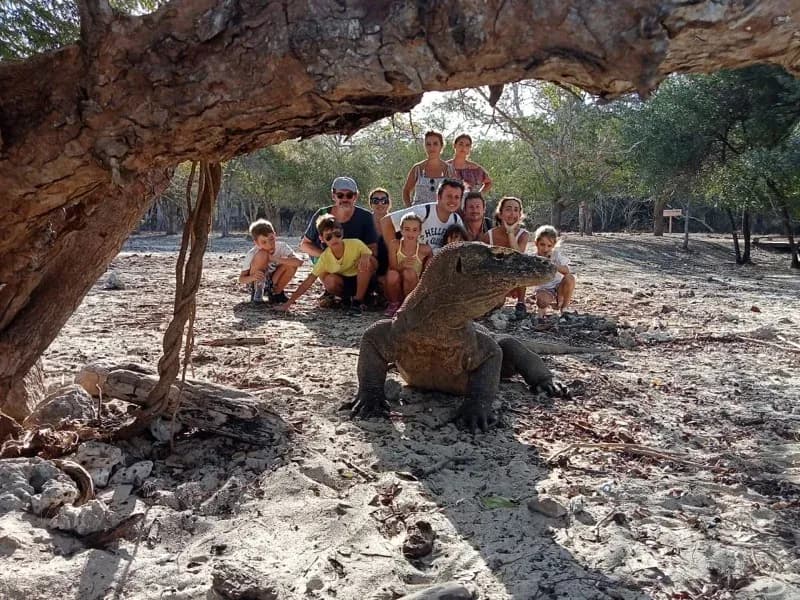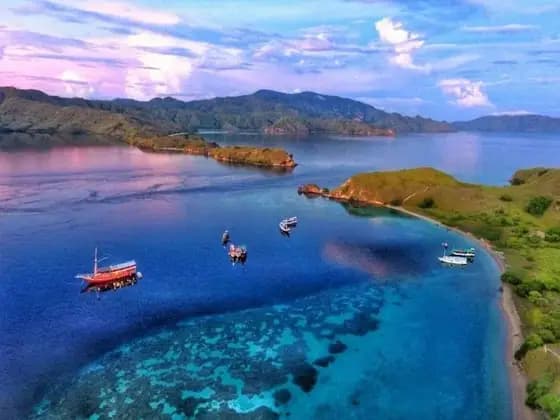

En Komodo Herping Tour byder på langt mere end blot et glimt af den berømte Komodovaran; den dykker ned i et levende museum af endemiske krybdyr, fra små geckoer til de svært at finde slanger, alt sammen sat mod den rå skønhed i Nusa Tenggara Timur. Uanset om du er en erfaren herpetolog eller en nysgerrig rejsende, giver denne guide dig de sensoriske, logistiske og videnskabelige detaljer, du behøver for at opleve krybdyrsobservation i Komodo, når det er bedst.
| Emne | Detalje |
|---|---|
| Rejsens længde | 3–5 dage (fleksibelt) |
| Base | Labuan Bajo, West Manggarai Regency |
| Bedste sæson | April – oktober (tørsæsonen) |
| Typisk dybde | Ikke relevant – landbaseret, men nogle ture inkluderer snorkling for havskildpadder |
| Nøglearter | Varanus komodoensis, Gekko gecko, Python timoriensis, Liasis amethystina, Crocodylus porosus (saltvandskrokodille) |
| Anbefalet udstyr | Åndbare vandrestøvler, letvægts langærmet skjorte, kikkert, feltnotatbog, UV-lommelygte |
| Gennemsnitspris | US$ 1.200–2.500 pr. person (inkl. Phinisi-charter, guide, tilladelser) |
| Påkrævede tilladelser | Adgangstilladelse til Komodo National Park, tilladelse til dyrelivsobservation (håndteres af charteroperatøren) |
| Sikkerhedsbemærkning | Bliv altid hos guiden; varaner kan løbe op til 20 km/t; hold en sikker afstand på mindst 10 m |
En Komodo Herping Tour udvider fokuset fra øens ikoniske varaner til hele det krybdyrsfællesskab, der trives i nationalparkens rå savanne, mangroveskove og kystklipper. Mens almindelige drage-safarier ofte fokuserer på én enkelt ø og ét enkelt syn, væver en herping-rejseplan flere øer sammen – Komodo, Rinca, Padar og de mindre kendte Gili Lawa – hver med deres egne unikke levesteder og artsammensætninger. Resultatet er en rigere, mere nuanceret forståelse af Indonesiens herpetologiske arv og en chance for at øve sig i etisk dyrelivsobservation under vejledning af lokale eksperter.
Komodo National Park er et levende laboratorium. Øernes isolation har fremmet evolutionen af verdens største øgle, Varanus komodoensis, men parken huser også over 60 krybdyrarter – mange af dem endemiske. At forstå disse dyrs økologiske roller dykker oplevelsen:
Disse interaktioner observeres bedst i de tidlige morgentimer og sent på eftermiddagen, når temperaturerne er moderate, og dyreaktiviteten topper.
Vælg den rigtige sæson
Tørsæsonen (april-oktober) byder på klar himmel, lavere luftfugtighed og roligere hav – ideelt til både vandreture på land og observation fra søen. Regnsæsonen bringer kraftig regn, glatte stier og begrænset sigtbarhed, hvilket kan reducere antallet af krybdyr-observationer.
Vælg en pålidelig charteroperatør
Led efter operatører, der tilbyder en Phinisi-yacht med en dedikeret herpetologiguide. Spørg om deres proces for tilladelse til dyrelivsobservation og om de understøtter en politik om "ingen berøring". Gode spørgsmål inkluderer: "Hvordan sikrer I sikker afstand til varaner?" og "Hvilken uddannelse har jeres guider i artsbestemmelse?"
Book indkvartering og udstyr
De fleste charters inkluderer kahytter om bord, men du kan ønske en nat på land på en ecolodge på Rinca for tidlig morgens patruljering efter varaner. Pak åndbart, sandfrit tøj, en bredskygget hat og en UV-lommelygte til natlige undersøgelser.
Forbered din feltnotatbog
Noter arter, adfærd, GPS-koordinater og miljønoter (temperatur, skydække, vind). Disse data er værdifulde for din egen hukommelse og bidrager til citizen science-projekter drevet af Komodo Conservation Foundation.
Færdiggør logistikken
Bekræft ankomster til Komodo Airport (LBJ), arranger transport til havnen i Labuan Bajo, og dobbelttjek, at din rejseforsikring dækker møder med vilde dyr. Medbring en portabel powerbank – strømforsyningen på øerne kan være ustabil.
Nedenfor er en fleksibel skabelon, der kan tilpasses et 3- eller 5-dages eventyr. Alle ruter er designet til at maksimere observationer af krybdyr samtidig med, at der respekteres parkens regler.
| Dag | Base | Hovedaktiviteter | Krybdyr-højdepunkter |
|---|---|---|---|
| 1 | Labuan Bajo | Gå ombord på Phinisi, sejl til Komodo Island (Rinca Bay). Solnedgangstur på Senggigi Ridge. | Aftenens gecko-kor, første silhuet af en varan ved skumring. |
| 2 | Komodo Island | Morgenvagt med varaner på Komodo Islands vestlige plateau. Vandring i mangrove midt på dagen på Padar Island. | Vandvaraner, saltvandskrokodiller, Gekko gecko. |
| 3 | Padar Island | Vandring til udsigtspunktet Padars "Eye of the Sea", derefter snorkling efter havskildpadder. | Havskildpadder, rev-tilknyttede slanger (Laticauda spp.). |
| 4 | Gili Lawa | Kajak gennem Gili Lawas tidevandsflader, natlig undersøgelse med UV-lygte. | Natlige geckoer, skink-arter, natlige slanger. |
| 5 | Labuan Bajo | Gennemgang, valgfrit kulturelt besøg i Bajawa landsby, afrejse. | Opsamling, souvenirfotografering, endelig dataindtastning. |
En typisk tur afslører et spektrum af krybdyr: den ikoniske Komodovaran (Varanus komodoensis), vandvaraner (Varanus salvator), Timor-pytoner (Python timoriensis), Borneo pit viper (Trimeresurus insularis), flere gecko-arter (Gekko gecko, Cyrtodactylus spp.), skinker (Sphenomorphus spp.) og lejlighedsvis saltvandskrokodiller (Crocodylus porosus) i mangrovekanaler. Havskildpadder som grøn skildpadde (Chelonia mydas) og karet (Eretmochelys imbricata) kan observeres under snorkling.
Tidlig morgen (05:00–08:00) og sent på eftermiddagen (16:00–19:00) er spidsbelastningsperioder for aktivitet. Varaner solbader i disse perioder, mens mange geckoer bliver stemningsfulde ved skumring. Natlige undersøgelser med en UV-lommelygte afslører skjulte slanger og skinker, der ellers er usynlige for det blotte øje.
Sikkerhed er altafgørende. Varaner kan sprinte op til 20 km/t og har et kraftigt bid. Guider opretholder en minimumsafstand på 10 meter, bruger teleobjektiver og har en førstehjælpskasse om bord. Gå aldrig nær en varan alene, og følg altid guidens signaler. Parkens regel om "ingen fodring" forhindrer vanedannelse og reducerer aggressiv adfærd.
Ja. Alle besøgende skal indhente en adgangstilladelse til Komodo National Park (IDR 150.000 pr. person) og en tilladelse til dyrelivsobservation (IDR 250.000 pr. gruppe). Pålidelige charteroperatører håndterer papirarbejdet; bed dem om at fremskaffe kopier før afrejse.
Absolut. Mange operatører designer hybridrejseplaner, der inkluderer snorkling ved Pink Beach på Komodo Island og drift-dyk ved Batu Bolong. Dette giver dig mulighed for at observere marine krybdyr sammen med landlevende arter, hvilket beriger den samlede oplevelse.
Spørg om operatørens bevarelsespolitikker, guidekvalifikationer og begrænsninger på gruppestørrelsen. Ideelle operatører begrænser grupper til ≤ 12 deltagere, giver briefing om etikette i forhold til dyrelivet før turen og bidrager med en del af gebyrerne til lokale bevarelses-NGO'er såsom Komodo Conservation Foundation.
Forestil dig, at du træder ud på det sprukne kalkstensplateau på Komodo Island ved solopgang. Luften er kølig og bærer en svag duft af tørt tang og varm jord. Efterhånden som solen hæver sig, gløder landskabet i ravfarver, og du hører den fjerne lave rumlen af en varans dybe udånding – en lyd, der minder om fjern surf, der slår mod klipperne. Jorden under dine støvler er et mosaik af sandfyldte sprækker og sparsom græs, og hvert skridt frigiver en subtil duft af tørre urter.
Længere inde i landet tilbyder mangroveskoven på Padar en kontrasterende lydoptagelse: isfuglenes kvidren, raslen i mangroveblade og lejlighedsvis plasket fra en saltvandskrokodille, der kommer op for at solbadde. Vandet dufter af saltlage og solvarme alger, mens luften føles fugtig og klæber til huden. Når mørket falder på, fyldes mørket af et kor af gecko-klik, punkteret af lejlighedsvis hvislen fra en natlig slange, der oplyses af din UV-lygte.
Disse sensoriske detaljer er ikke blot poetiske; de er afgørende signaler for at spotte svært tilgængelige krybdyr. En pludselig ændring i vindretningen kan bære duften af et frisk ådsel, hvilket får en varan til at undersøge situationen. Hetebølgen over en sten kan indikere en solbadende øgle, mens den bløde raslen i løvblade ofte signalerer en skinks bevægelse.
Bevarelseshjørne: Din rolle som herper
Hver observation, du noterer, bidrager til en voksende database, som forskere bruger til at overvåge populationstrends og levestedernes sundhed. Når du respekterer 10-meter reglen, undgår at fodre vilde dyr og bliver på markerede stier, hjælper du med at bevare den delikate balance i Komodos økosystemer. Overvej at donere en del af din rejseomkostning til lokale bevarelsesprojekter – mange operatører matcher gæsters bidrag, hvilket forstærker effekten.
Klar til at bytte almindelig sightseeing ud med en fordybende krybdyrsoplevelse? Besøg vores Komodo Herping Tour-side for at udforske skræddersyede rejseplaner, sammenligne chartermuligheder og sikre dine foretrukne datoer. Vores team af erfarne guider vil skabe en personlig eventyrrejse, der sikrer, at du møder øens mest hemmelighedsfulde krybdyr, mens du sejler i komfort ombord på en klassisk Phinisi-yacht.
Book nu og lad hvisket fra savannen, raslen i mangroveblade og den lave grynt fra en Komodovaran blive soundtracket på din næste uforglemmelige rejse.
Udforsk mere: