
Svar: Reglerne for Komodo i 2026 strammer besøgsloftet, håndhæver strengere protokoller for affaldshåndtering og kræver, at alle sejladsselskaber har opdaterede tilladelser. Dagsbesøgende skal registrere sig ved parkindgangen, bære obligatorisk beskyttelsesudstyr i dragehabitater og følge de nydefinerede grænser for dykkersteder.
| Emne | Detalje |
|---|---|
| Ikrafttrædelsesdato | 1. januar 2026 |
| Besøgsloft | 2.200 persondage pr. måned (ned fra 2.500) |
| Obligatorisk udstyr | Lukkede sko, rev-venlig solcreme og godkendte snorkelmasker |
| Tilladelsesgebyr | IDR 150.000 pr. voksen, IDR 75.000 pr. barn (online forudbestilling kræves) |
| Dykkedybde-grænse | 30 m for fritidsdykning, 40 m for certificeret teknisk dykning |
| Dronepolitik | No-fly zone over drageredeområder; tilladelser kræves til forskningsdroner |
| Affaldsregel | Nul-plastik politik – alt engangsplastik skal forsegles om bord |
| Håndhævelse | Parkvogtere udstyret med GPS-linkedte radioer; bøder på op til IDR 5 millioner |
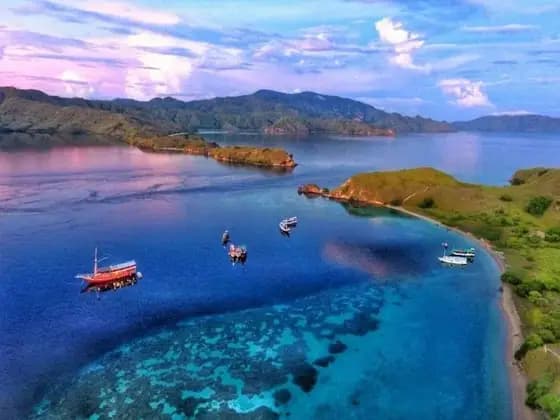
Komodo Nationalpark er et UNESCO-verdensarvssted, hjemsted for den ikoniske Komodo-drage, uberørte koralrev og et økosystem af sarte mangroveskove. I de seneste år er antallet af besøgende steget markant, hvilket har udøvet pres på de skrøbelige levesteder. Reglerne for 2026 er et svar på videnskabelig overvågning, der har vist en acceleration i koralknogling, samt en stigning i møder mellem mennesker og drager, som udgjorde en trussel mod både sikkerhed og dyrevelfærd. Ved at stramme loftet og tydeliggøre forventninger til adfærd sigter parken mod at bevare sine naturvidundere til den næste generation af eventyrere.
Det nye dykkerkort, udgivet i februar 2026, afgrænser tre zoner:
Operatører skal indsende en daglig log over dybde, tid og observerede arter til parkvogterne via KomodoWatch-appen. Manglende overholdelse kan resultere i suspension af operatørens licens.
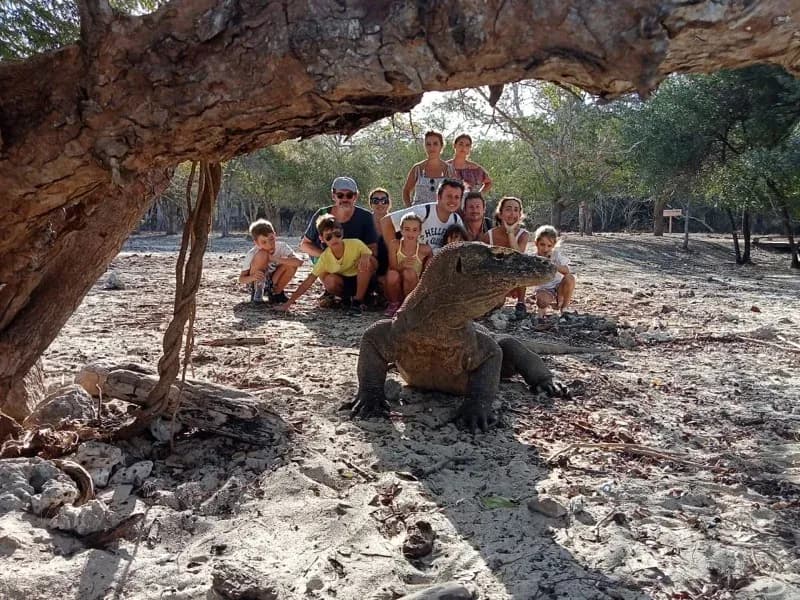
Ja. Stierne til drageobservation har nu et tidsvindue-system for at sprede folkemængderne:
Alle besøgende skal blive på markerede stier, undgå høje lyde, der kan stresse dragerne, og medbringe en bærbar vandfilter – parkens vandkilder er ikke drikkelige.
Professionelt tip: Planlæg købet af tilladelsen mindst 48 timer før ankomst. Systemet kan opleve stor trafik i højsæsonen (juni–august), og en forsinkelse kan tvinge dig til at justere din rute.
Indvirkningen af 2026-reglerne på bevarelse
Siden reglerne trådte i kraft, er parkens Marine Health Index steget med 12 %, hvilket indikerer sundere koraldække og en øget biomasse af fisk. Komodo Dragon Stress Score, målt af dyrlægeteam, er faldet fra en bekymrende 0,68 til et håndterbart 0,45, takket være reduceret menneskelig nærhed og strengere håndhævelse af tidsvindue-systemet.
Udsagn fra lokal parkvogter: "Vi har set færre tilfælde af turister, der fodrer dragerne, og politikken om rev-venlige ankre har halveret skader fra ankre. Lokalsamfundet er stolte af disse gevinster, og vi er afhængige af ansvarlige besøgende for at holde momentum."
Planlægning af din tur: Et eksempel på en rute i overensstemmelse med de nye regler
| Dag | Aktivitet | Regelhøjdepunkt |
|---|---|---|
| 1 | Ankomst Labuan Bajo, gennemførelse af tilladelsestjek | QR-kode scanning ved parkporten |
| 2 | Morgenvandring på Komodo Island (07:00-10:00) | Guidet adgang, lukkede sko |
| 2 | Eftermiddagssnorkling ved Pink Beach | Rev-venlig solcreme, ingen plastikpolitik |
| 3 | Dykning ved Manta Point (Zone B) | Dykkerstedstilladelse, dybdegrænse 30 m |
| 4 | Besøg på Rinca Island for drageobservation | Tidsvindue-slot, afstand til vilde dyr |
| 5 | Transfer til Lombok til en afslappende finale | Overholdelse af no-drone zone |
Tip: Når du booker din Phinisi-charter gennem KomodoExplorer, så bed om et fartøj, der allerede har de krævede affaldsforseglede beholdere og et rev-venligt ankersystem. Dette sparer dig for sidste øjebliks jagt på udstyr og sikrer overholdelse fra dag ét.
Parkens Live Opdateringer-side opdateres hver time med tidevandstabeller, meddelelser fra vogtere og eventuelle midlertidige lukninger. Download KomodoAlert-appen, som sender push-beskeder om:
Almindelige fejl og hvordan du undgår dem
| Fejl | Konsekvens | Forebyggelse |
|---|---|---|
| Glemmer at bære rev-venlig solcreme | Bøde + potentiel koralskade | Pak en certificeret flaske og tjek etiketten (ingen oxybenzon) |
| Brug af engangsplastikflasker | Affaldsbøde + miljøpåvirkning | Medbring en genanvendelig rustfri stålflaske og filtrer vand ombord |
| Ignorering af tidsvindue-skemaen | Ledsager af vogter, muligt forbud | Sæt alarmer på din telefon før hvert slot |
| Ankring i forbudte zoner | Skade på koraller, tung bøde | Brug bådens GPS til at finde møringsbøjer; spørg besætningen om koordinater |
| Springer QR-scanning over | Afvisning ved indgangen | Hold QR-koden synlig i en vandtæt kortholder |
Ansvarlige operatører fungerer som den første linje i håndhævelsen. De:
Når du vælger en charter med KomodoExplorer, samarbejder du med operatører, der har underskrevet en Bæredygtighedspagt, der garanterer overholdelse af alle 2026-regler. Spørg dem: "Hvordan håndterer I affald ombord?" og se efter et gennemsigtigt svar.
Sp: Må jeg medbringe min egen drone til undervandsbilleder?
Sv: Kun med en forskningstilladelse; rekreativ brug af droner er forbudt over dragehabitater.
Sp: Er der restriktioner på antallet af børn pr. gruppe?
Sv: Intet specifikt loft, men hvert barn skal være ledsaget af en voksen og bære det samme beskyttelsesudstyr.
Sp: Hvad sker der, hvis jeg ved et uheld knækker en koralgren?
Sv: Du vil blive bødet med IDR 1 million og pålagt at assistere i genoprettelse af revet.
Sp: Er natdykning tilladt?
Sv: Natdykning er kun tilladt i Zone B med en separat tilladelse; alle lys skal være rev-venlige og rettet væk fra koraller.
Sp: Skal jeg have en separat tilladelse til kajakroning?
Sv: Nej, kajakroning er dækket af den generelle besøgstilladelse, så længe du bliver inden for de udpegede padlebaner.
Klar til at udforske Komodo Nationalpark, samtidig med at du respekterer komodo regulations 2026? Vores flåde af Phinisi-yachts er fuldt udstyret med rev-venlige ankre, forseglede affaldsbeholdere og certificerede guider, der kender hver en nuance af de nye regler.
Besøg vores Charter Booking Page, vælg dine datoer, og lad os stå for papirarbejdet vedrørende tilladelser. Vi sikrer, at dit eventyr er i tråd med parkens bevaringsmål, så du kan fokusere på det betagende syn af en Komodo-drage silhueret mod en solopgangsbelyst horisont, eller den livlige hvirvelvirk af en koralhave fyldt med clownfish, butterflyfish og majestætiske manta rays.
Rejs ansvarligt. Sejl bæredygtigt. Oplev det vilde hjerte i Indonesien med KomodoExplorer.