Rejseforsikring til Komodo: Har du brug for den, og hvad skal du købe?
Kort svar: Ja – rejseforsikring er uundværlig til en Komodo-tur, da de fjerntliggende øer, verdensklasse dykkersteder og det barske terræn udgør unikke medicinske og logistiske risici. Led efter policer, der dækker akut medicinsk behandling, evakuering med fly eller skib samt dykkerspecifikke hændelser, med en dækning på mindst $200.000.
Nøglefakta
| Emne |
Detalje |
| Typisk dækning |
$100k medicinsk, $25k evakuering, $10k afbestilling af rejse |
| Anbefalet policedækning |
$200.000 i alt (medicinsk + evakuering) |
| Gennemsnitspris |
US$8‑12 per dag (≈ US$250‑US$350 for en 30‑dages charter) |
| Bedste tidspunkt at købe |
30‑60 dage før afrejse, når endelig ruteplanlægning er på plads |
| Vigtige spørgsmål |
“Dækker I dykkerrelaterede skader?” “Hvad er nærmeste evakueringspunkt?” |
| Vigtige undtagelser |
Eksisterende sygdomme, højrisiko-aktiviteter ikke deklareret, tab af personligt udstyr (medmindre tilvalgt) |
Hvorfor Komodo kræver en skræddersyet forsikringsplan
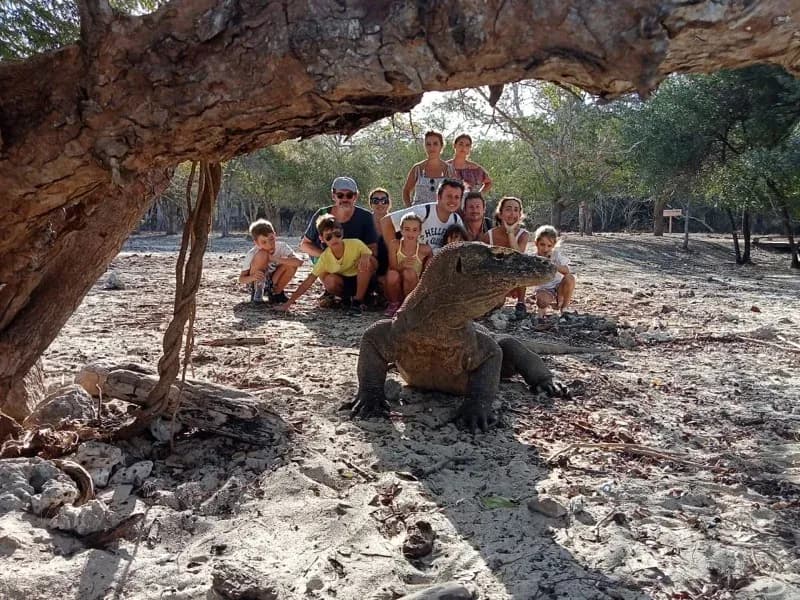
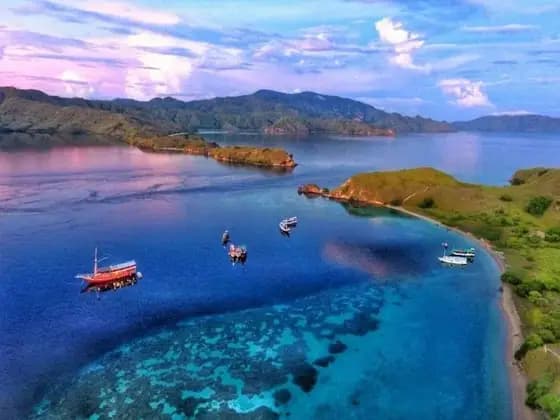
Øhavet omkring Labuan Bajo, Komodo og Lombok ligner et postkort: turkisblåt hav, kalkklipper og de ikoniske Komodo-varaner. Men den samme isolation, der gør regionen magisk, forstærker også konsekvenserne af en ulykke.
- Fjerntliggende medicinske faciliteter – Det nærmeste hospital med faste læger ligger i Labuan Bajo, en 30-minutters kørsel fra havnen. Kritisk behandling kræver ofte evakuering til Makassar eller Bali, hvilket kan koste titusindvis af dollars.
- Dykedybde og strømforhold – Steder som Batu Bolong (30 m) og Manta Point (20 m) myldrer med pelagisk liv, men stærke strømme og pludselige vejrskift kan gøre en rutinedykning til en nødsituation.
- Sæsonbestemt vejr – Tørsæsonen (april-oktober) bringer klar himmel, men også pludselige byger; regnsæsonen (november-marts) øger risikoen for oversvømmelser på lave øer.
På grund af disse faktorer kan en generisk “rejseforsikring” efterlade huller i dækningen. En veludformet police til et Komodo-eventyr bør adressere tre hovedpiller: medicinsk behandling, evakuering og dykkerspecifik dækning.
Sådan vælger du den rigtige police – en trin-for-trin guide
- Kortlæg din rute – List hver eneste ø, dykkersted og aktivitet på land. Noter datoerne, hvor du vil være i Labuan Bajo, Komodo Nationalpark og eventuelle udflugter (f.eks. Padar Island).
- Identificer risikozoner – Fremhæv højrisiko-aktiviteter: dybvandsdyk (> 30 m), natdyk og trekking til Komodo-varaner.
- Sæt dækningsgrænser – Sigt efter mindst US$200.000 i alt for medicinsk behandling og evakuering. Hvis du planlægger flere dyk, tilføj en “dykker-tilføjelse” på mindst US$10.000 pr. hændelse.
- Sammenlign udbydere – Led efter forsikringsselskaber med en stærk tilstedeværelse i Indonesien, såsom World Nomads, Allianz Global Assistance eller lokale specialister TravelGuard Indonesia.
- Stil de rigtige spørgsmål – Bekræft:
- “Dækker I akut luftevakuering fra Komodo til Bali?”
- “Er der en selvrisiko for dykkerrelaterede krav?”
- “Kan jeg tilføje dækning for mistet eller beskadiget udstyr?”
- Læs med småt – Vær særlig opmærksom på undtagelser vedrørende eksisterende sygdomme, højrisiko-sport og rejser til konfliktzoner.
- Køb i god tid – Sikr dig policen 30‑60 dage før afrejse for at låse priserne fast og sikre, at du opfylder eventuelle visumrelaterede forsikringskrav.
Ofte Stillede Spørgsmål (FAQ)
Hvad dækker “komodo travel insurance” egentlig?
En omfattende komodo-rejseforsikring inkluderer typisk:
- Akutte medicinske udgifter – Indlæggelse, operationer, medicin og lægebesøg.
- Akut evakuering – Evakuering med fly eller skib til nærmeste veludstyrede facilitet (ofte Bali eller Makassar).
- Afbestilling eller afbrydelse af rejsen – Refusion for forudbetalte chartergebyrer, indkvartering og dykkerpakker, hvis du må afbestille på grund af sygdom eller en familiemæssig nødsituation.
- Dykkerspecifik dækning – Medicinsk behandling for dekompressionssyge (DCS), barotraume og andre dykkerrelaterede skader samt dækning for et dekompressionskammer, hvis nødvendigt.
- Personlige ejendele – Tab eller tyveri af pas, kontanter og begrænset dækning for dykkerudstyr (normalt et valgfrit tillæg).
Er “travel insurance komodo trip” lovpligtig?
Indonesien kræver ikke rejseforsikring for turister, men mange charteroperatører – inklusive KomodoExplorer – anbefaler den på det kraftigste. Nogle dykkeroperatører vil nægte dig at dykke uden bevis på dækning for DCS, og nogle private flycharterselskaber beder om et forsikringsbevis, før de sender en redningsflyvning ud.
Hvad koster “insurance diving komodo”?
Priserne varierer med alder, helbred, rejsens længde og dækningsgrænser. For en typisk 14-dages Phinisi-charter med 6‑8 dyk om dagen kan du forvente:
- Basis medicinsk + evakuering – US$120‑$180 i alt.
- Tillæg for dykning – US$30‑$50 ekstra.
- Fuld pakke (inkl. afbestilling af rejse) – US$250‑$350.
Kan jeg få erstatning, hvis jeg får problemer med en eksisterende sygdom under dykning?
De fleste anerkendte forsikringsselskaber dækker ikke en eksisterende sygdom, medmindre du oplyser om den ved køb og køber en “forbehold for eksisterende sygdomme” (ofte for et ekstra gebyr på US$50‑$100). Dette forbehold kræver normalt, at du har været symptomfri i 60‑90 dage før rejsen.
Hvad bør jeg spørge min charteroperatør om vedrørende forsikring?
- “Har du et partnerskab med en forsikringsudbyder for grupprater?”
- “Hvad er det nærmeste evakueringspunkt fra vores dykkersteder?” (Svar: Typisk Labuan Bajo Lufthavn, med evakuering med søfly til Makassar.)
- “Har I et dekompressionskammer om bord eller en kontrakt med et på øen?”
Hvordan anmelder jeg en skade under en Komodo-charter?
- Underret besætningen – De vil dokumentere hændelsen og kontakte den nærmeste medicinske facilitet.
- Kontakt din forsikrings 24-timers hotline – Oplys detaljer om hændelsen, lokation og eventuelle medicinske rapporter.
- Saml kvitteringer – Bevar alle fakturaer for medicinsk behandling, transport og indkvartering.
- Indsend kravet – De fleste forsikringsselskaber har en online portal; upload PDF-filer og billeder af hændelsen.
Er der forsikringsundtagelser specifikke for Komodo?
Ja. Almindelige undtagelser inkluderer:
- Skader opstået under “deltagelse i ulovlige aktiviteter” (f.eks. jagt på Komodo-varaner).
- Skader forårsaget af “akt af Gud”, der ikke er dækket under en separat naturkatastrofe-tilføjelse.
- Tab af udstyr på grund af “uagtsomhed” (f.eks. at efterlade udstyr uden opsyn på en strand).
Insidertips fra en Phinisi-kaptajn
- Timing er afgørende – Det tidlige morgelys (omkring kl. 06:30) byder på det klareste vand ved Manta Point, men det betyder også, at besætningen stadig gør båden klar. Hvis en nødsituation opstår, før besætningen er helt i land, kan evakuering blive forsinket med op til en time. Forsikring, der dækker “forsinkelse på grund af besætningens beredskab”, kan være en livredder.
- Bevidsthed om tidevand – Ved Pink Beach (Pantai Merah) afslører lavvande en fantastisk koralhave, men reducerer også den sikre svømmedybde til 5 m. Hvis du er tilbøjelig til kramper, kan en police med “tidevandsrelateret skade” være den ekstra omkostning værd.
- Spørg om lokale redningsaftaler – Mange charteroperatører har stående aftaler med den indonesiske søredningstjeneste (SAR). Bekræft, at din forsikring vil anerkende en redning koordineret af SAR frem for en privat luftlift, hvilket kan være billigere for dig.
- Dokumentér alt – Et simpelt billede af dit dykkerlog, en video af dykkerstedet og en underskrevet erklæring fra besætningen kan fremskynde sagsbehandling markant.
Omkostningen ved ikke at have forsikring
Forestil dig, at du befinder dig på bunden af Batu Bolong, 30 m nede, omgivet af stimer af barracudaer. En pludselig strømstød skubber dig ind i et rev, hvilket forårsager en skulderskade, der kræver øjeblikkelig operation. Det nærmeste hospital er i Labuan Bajo, men den eneste evakueringsflymaskine er en chartret helikopter, der koster US$15.000. Uden dækning falder udgiften på dig, hvilket potentielt kan udslette dine opsparinger.
Selv et mindre tilfælde af barotraume kan kræve et besøg i et dekompressionskammer i Makassar, hvilket alene kan overstige US$5.000. Det finansielle chok ved sådanne hændelser er grunden til, at en robust komodo-rejseforsikring ikke er et luksusgode – det er en nødvendighed for din ro i sindet.
Valg af den rette udbyder – Sammenlignende overblik
| Udbyder |
Dækning af dykkerskader |
Evakueringsnetværk |
Gns. præmie (14 dage) |
Bemærkelsesværdig undtagelse |
| World Nomads |
Ja (op til US$10k) |
Globale luftliftpartnere, lokale søfly |
US$280 |
Ingen dækning af eksisterende sygdomme uden forbehold |
| Allianz |
Ja (op til US$15k) |
Direkte flykontrakter, SAR-koordinering |
US$310 |
Ekskluderer “højrisiko-sport”, medmindre deklareret |
| TravelGuard Indonesia |
Ja (tilpasset) |
Indonesisk SAR + privat charter |
US$260 |
Begrænset til indonesiske øer |
| AXA Assistance |
Ja (op til US$12k) |
24-timers hotline, regional luftlift |
US$295 |
Ingen dykker-tilføjelse for ture < 7 dage |
Når du vurderer disse muligheder, bør du prioritere evakueringsnetværket – hastigheden og pålideligheden af redningstjenesten kan være forskellen på en hurtig helbredelse og en langvarig pine.
Sådan tilføjer du dykkerdækning til en standardpolice
- Vælg “Eventyrsport” – De fleste forsikringsselskaber mærker det som “Eventyrsport-tilføjelse” eller “Ekstremsport-tillæg”.
- Angiv dybde – Indiker den maksimale dybde, du vil dykke til (f.eks. 30 m). Nogle policer begrænser dækningen til 20 m, medmindre du opgraderer.
- Deklarer dykkfrekvens – Hvis du planlægger mere end 5 dyk om dagen, bed om en “højfrekvens”-tilføjelse for at undgå afvisning af krav på grund af “overdreven eksponering”.
- Betal den ekstra præmie – Normalt et fast gebyr på US$30‑$50 for hele turen.
Ofte oversete detaljer
- Medicinsk evakueringsforsikring vs. afbestilling af rejsen – Dette er to separate ting. En police kan dække evakuering, men ikke refundere en forudbetalt charter, hvis du afbestiller på grund af en dækket årsag. Køb begge dele for fuld beskyttelse.
- Valutakonvertering – De fleste policer angiver grænser i amerikanske dollars. Hvis du betaler chartret i indonesiske rupiah (IDR), skal du bekræfte, at forsikringsselskabet vil respektere USD-grænsen uden konverteringsstraf.
- Fornyelse af police for flerrejsende – Hvis du planlægger flere Komodo-ture på et år, kan en “flerrejse”-police være billigere end at købe en ny police hver gang.
Eksempel fra den virkelige verden: En redning i Komodo Nationalpark
Under en nylig chartertur i august 2024 pådrog en gæst sig en alvorlig tilfælde af dekompressionssyge efter en hurtig opstigning fra et natdyk ved Manta Point. Besætningen aktiverede den forudarrangerede SAR-kontrakt, og en medicinsk helikopter fra Makassar ankom inden for 90 minutter. Da gæstens police inkluderede en dykker-tilføjelse og evakueringsdækning op til US$250.000, blev de samlede udgifter for gæsten begrænset til en selvrisiko på US$150. Gæsten kom sig fuldstændigt efter et 24-timers ophold på et hyperbarisk facilitet i Bali.
Denne hændelse understreger, hvorfor en police, der specifikt nævner “dekompressionskammer” og “luftevakuering”, er vital for enhver seriøs dykker.
Tjekliste før du sejler
Sådan anmelder du en skade under en Phinisi-charter
- Øjeblikkelig underretning – Adviser kaptajnen; de vil dokumentere hændelsen og arrangere medicinsk transport.
- Kontakt forsikringsselskabet – Brug 24-timers hotlinen; de fleste selskaber har engelsktalende operatører.
- Indsaml dokumentation – Medicinske rapporter, kvitteringer, besætningserklæringer og billeder af skadestedet.
- Indsend online – Upload alle dokumenter til forsikringsselskabets portal inden for 30 dage efter hændelsen.
- Følg op – Bevar en post med referencenumre på kravet og følg op ugentligt, indtil sagen er afsluttet.
Konklusion: Beskyt dit eventyr
En ekspedition til Komodo forener uberørt vildmark, verdensklasse dykning og kulturel fordybelse. De minder, du skaber – at se en Komodo-varan glide over en solbagt savanne, at mærke suset fra en manta-rays vinge over dit hoved, at høre den fjerne kalden fra en natlig havørn – er uvurderlige. Men disse øjeblikke kan bringes i fare af en uventet medicinsk nødsituation.
At investere i en skræddersyet komodo-rejseforsikring sikrer, at du kan fokusere på de betagende syn og lyde frem for at bekymre dig om de finansielle konsekvenser af en ulykke. Det er den sidste brik i forberedelserne, der forvandler en god tur til en stor, bekymringsfri oplevelse.
Klar til at sejle med tillid?
Sikr din Phinisi-charter med KomodoExplorer og rejse med den ro i sindet, som kun en omfattende forsikring kan give. Book din Komodo-charter nu, og lad os hjælpe dig med at vælge den rigtige rejseforsikringspakke til din dykkerfyldte rejse. Dit eventyr venter – lad os gøre det sikkert, uforglemmeligt og fuldt beskyttet