
De voortplanting van Komodo-varanen is een mix van oud ritueel en moderne wetenschap: vrouwtjes leggen legsels van maximaal 30 eieren na een korte hofmakerij, en in zeldzame gevallen kunnen ze nageslacht produceren zonder een mannetje via een proces dat parthenogenese wordt genoemd. Dit fenomeen, voor het eerst gedocumenteerd in het wild in 2014, laat zien dat zelfs 's werelds grootste hagedissen een verborgen genetische truc hebben.
Kernfeiten
Feit Detail Wetenschappelijke naam Varanus komodoensis Paartijd mei – oktober (droog seizoen) Broedtijd eieren 8 – 9 maanden, 30–32 °C Legselgrootte 15 – 30 eieren Parthenogenese Eerste wildgeval 2014, bevestigd 2021 Beschermingsstatus Bedreigd (IUCN) Belangrijke locaties Komodo Island, Rinca Island, Padar Island Typische nestdiepte 0,5 – 1 m in zandgrond
Komodo-varanen zijn ectotherme toppredatoren die afhankelijk zijn van het hete, droge klimaat van het eiland om hun lichaamstemperatuur te reguleren. Hun voortplantingscyclus is nauw verbonden met het seizoensritme van de Kleine Soenda-eilanden.
Wanneer het droge seizoen in mei begint, draagt de lucht boven Komodo Island de geur van zilte zeewind en het verre geruis van de branding. Mannetjes, vaak groter en robuuster dan vrouwtjes, patrouilleren in territoria die gemarkeerd zijn met verse uitwerpselen en een af en toe gebroken takje. Het hofmakerijritueel is een ingetogen aangelegenheid:
Praktische tip: Het beste moment om deze dans te aanschouwen is vroeg in de ochtend, net na zonsopgang, wanneer het licht op het eiland zacht amberkleurig is en de temperatuur nog onder de 30 °C ligt. Operatoren op Phinisi jachten vragen gidsen vaak: "Zullen we deze week hofmakerij zien?" – een goede vraag om de kans op een live-ontmoeting in te schatten.
Binnen een paar weken na de paring zoekt het vrouwtje een afgelegen nestlocatie. Voorkeurslocaties zijn:
Het vrouwtje gebruikt haar krachtige klauwen om een ondiepe put te graven, meestal 0,5 – 1 m diep. Ze legt vervolgens 15 – 30 eieren, elk ter grootte van een grapefruit, en bedekt ze met zand en bladeren. Het microklimaat van het nest — in stand gehouden door de steady warmte van de zon en de lage luchtvochtigheid van het eiland — houdt de eieren op een incubatietemperatuur van 30–32 °C.
Insider tip: Vraag je charteroperator of de bemanning een "nestbewakings"-programma heeft. Sommige Phinisi-kapiteins coördineren met parkrangers om nesten te monitoren op predatie, waardoor gasten een zeldzame kans krijgen om jongen te zien uitkomen bij nacht.
De incubatie duurt 8 – 9 maanden. Tijdens deze periode zijn de eieren kwetsbaar voor:
De jongen breken eind februari of begin maart vrij en komen tevoorschijn in een wereld van gebarsten zand en de vage geur van zeewier dat landinwaarts wordt gedreven. Bij geboorte zijn ze ≈ 30 cm lang en kunnen ze al jagen op insecten en kleine knaagdieren.
Parthenogenese — letterlijk "maagdelijke geboorte" — treedt op wanneer een vrouwtje nageslacht produceert zonder bevruchting. Bij Komodo-varanen is dit fenomeen automictisch, wat betekent dat het genetische materiaal van het ei zichzelf dupliceert.
Parthenogenese kan helpen een populatie in stand te houden wanneer mannetjes schaars zijn, maar het reduceert ook de genetische diversiteit, wat mogelijk de vatbaarheid voor ziektes vergroot. Voor natuurbeschermers informeert het begrip van dit mechanisme fokprogramma's en benadrukt het het belang van het beschermen van beide geslachten.
Parthenogenese is een vorm van ongeslachtelijke voortplanting waarbij een ei zich ontwikkelt tot een embryo zonder bevruchting door zaadcellen. Bij Komodo-varanen is dit proces automictisch, wat betekent dat de chromosomen van het ei zich dupliceren, waardoor nageslacht ontstaat dat genetisch lijkt op de moeder. Normale voortplanting omvat geslachtelijke bevruchting, waarbij mannelijke zaadcellen fuseren met een vrouwelijk ei, waardoor een unieke genetische mix ontstaat.
In het wild plant een gezond vrouwtje zich doorgaans eenmaal per twee jaar voort, afgestemd op het droge seizoen van het eiland. Niet elk legsel resulteert echter in levensvatbare jongen; predatie en omgevingsfactoren kunnen het succespercentage terugbrengen tot 30 – 40 %.
Ja, maar alleen via parthenogenese. Deze zeldzame gebeurtenis is gedocumenteerd bij zowel populaties in gevangenschap als in het wild, en produceert alleen mannelijke of alleen vrouwelijke legsels, afhankelijk van het werkende genetische mechanisme. De kans dat parthenogenese natuurlijk voorkomt is klein — geschat op < 1 % van alle leggebeurtenissen.
Plan je bezoek tijdens het paarseizoen
Kies het juiste eiland
Coördineer met een lokale gids
Ga vroeg op pad
Luister naar het geluidslandschap
Houd een veilige afstand
Noteer waarnemingen
Laat geen sporen achter
Komodo-varanen, net als andere reptielen, vertrouwen op seizoensgebonden hormonale cycli. Naarmate de daglengte toeneemt, geeft de hypofyse gonadotropinen af, waardoor de eierstokken worden gestimuleerd om rijpe eicellen te produceren. Bij vrouwtjes piekt oestrogeen eind mei, wat de eisprong triggerd. Mannetjes ervaren een stijging in testosteron, wat agressie en territoriumgedrag vergroot.
Recente genomische studies hebben geslachtschromosomen bij Komodo-varanen geïdentificeerd (ZZ voor mannetjes, ZW voor vrouwtjes). Parthenogenetisch nageslacht erft doorgaans ZZ chromosomen, wat verklaart waarom veel parthenogenetische legsels mannelijk zijn. Er zijn echter incidentele ZW resultaten vastgelegd, wat suggereert dat er alternatieve mechanismen zijn.
Het begrijpen van de voortplanting van Komodo-varanen is essentieel voor het beheer van de beperkte genetische poel van de soort. Het Komodo National Park gebruikt een fokprogramma in gevangenschap dat natuurlijke omstandigheden nabootst — temperatuurgeregelde incubators, zandsubstraat en minimale menselijke interactie — om ervoor te zorgen dat de jongen robuust zijn.
Insider tip: Wanneer je een charter boekt, vraag de bemanning dan: "Steunen jullie het fokprogramma van het park?" Veel operators doneren een deel van hun kosten aan natuurbeschermingsinitiatieven, wat de duurzaamheid van je avontuur vergroot.
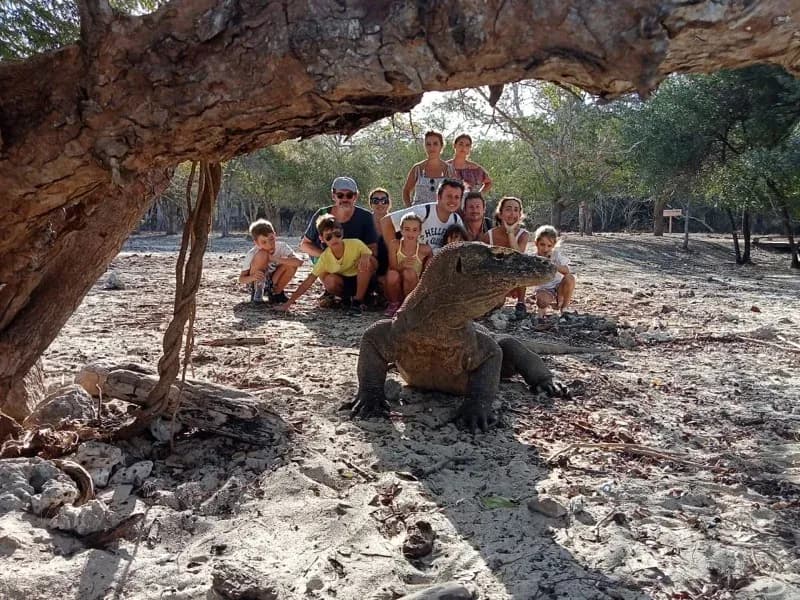
Stel je voor dat je bij dageraad op de gebarsten vulkanische as van Komodo Island stapt. De lucht is warm, doordrenkt met de vage geur van zeewier en droge aarde. Sunlight glinstert op de smaragdzee in de verte, terwijl het zoemende geluid van insecten de ondergroep vult. Voor je ligt een enorme varaan half-zwevend in een ondiepe zandput, zijn schubben vangen het licht als gepolijst brons. Je hoort het zachte gedonder van zijn hart als hij beweegt, een ritme dat de pols van het eiland weerspiegelt.
Verder langs het pad komt een vrouwtje tevoorschijn uit een verborgen hol, met een nest met eieren. Het zand om haar heen is warm aanvoelend en straalt een subtiele warmte uit die je op je vingertoppen kunt voelen. Terwijl ze zich omdraait, nadert een mannetje, zijn snuit borrelt door de lucht en laat een muskusgeur los die wijst op zijn bereidheid om te paren. Het tafereel is een levend tableau van de voortplanting van Komodo-varanen, een proces dat miljoenen jaren is verfijnd.
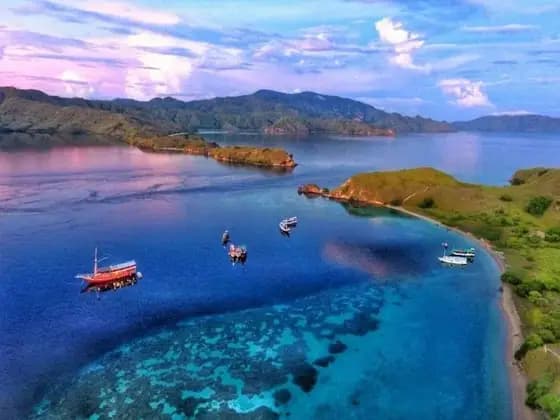
Phinisi-jachten zijn meer dan luxe vaartuigen; ze zijn mobiele onderzoekplatforms. Veel charters werken samen met lokale NGO's om:
Wanneer je zeilt met KomodoExplorer, ben je niet alleen getuige van een spektakel — je draagt bij aan een levendige natuurbeschermingsinspanning.
Risende temperaturen kunnen ei-ontwikkeling versnellen, wat leidt tot vroegtijdig uitkomen of een verhoogde sterfte. Veranderingen in neerslagpatronen beïnvloeden de beschikbaarheid van geschikte nestlocaties, aangezien te natte gronden embryo's kunnen verstikken.
Ja. De regels van Komodo National Park verbieden nadering tot nesten binnen 30 m en verbieden het gebruik van flitslicht 's nachts. Overtredingen kunnen leiden tot boetes en verwijdering uit het park.
Fokprogramma's in gevangenschap rapporteren een uitsluitselpercentage van 70 % wanneer eieren worden geïncubeerd onder gecontroleerde temperatuur en luchtvochtigheid. Het vrijlaten van jongen in het wild vereist echter zorgvuldige genetische screening om inteelt te voorkomen.
Klaar om de adembenemende wereld van de voortplanting van Komodo-varanen te aanschouwen? Onze ervaren Phinisi-bemanningen leiden je langs de verborgen nestlocaties van de eilanden, bieden deskundig commentaar en zorgen voor een veilige, onvergetelijke ervaring. Klik op de link hieronder om routes te bekijken, beschikbaarheid te controleren en je plek te reserveren op een charter dat natuurbescherming ondersteunt.
Boek nu je Komodo-varanen expeditie
Ga op reis waar wetenschap avontuur ontmoet, en waar elke zonsopgang de belofte van ontdekking met zich meebrengt. Laat de wind van de Lesser Sunda Islands je zeilen vullen, en laat de draken van Komodo je verhaal leiden.