
Svar: Før du signerer kontrakten, bør du spørre arrangøren om sikkerhetsprotokoller, mannskapets kvalifikasjoner, miljøpolitikk og fleksibilitet i reiseruten. Å avklare disse punktene sikrer at du får en sømløs eventyrreise, viser respekt for det skjøre økosystemet og kommer hjem med gode historier i stedet for anger.
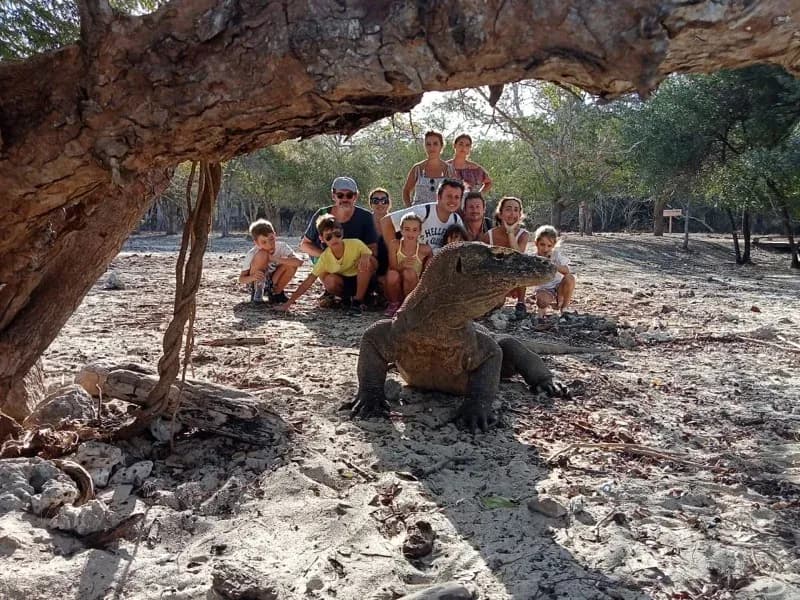
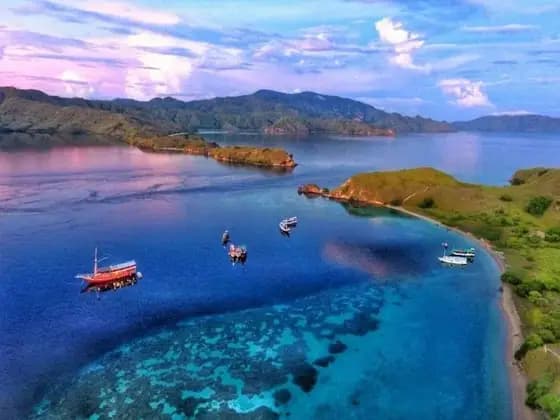
Komodo nasjonalpark er et UNESCOs verdensarvsted hvor marint liv, ville klipper og legendariske drager eksisterer side om side. Regionens popularitet har tiltrukket seg et spekter av arrangører – fra boutique Phinisi-charter til store turgrupper. Ved å stille de rette spørsmålene før du bestiller, skiller du de erfarne profesjonelle fra de uerfarne, noe som beskytter både din sikkerhet og parkens skjøre økosystemer.
En pålitelig arrangør bør kunne fremvise kopier av:
Innsidertips: Be om å se mannskapets siste sertifiseringsdatoer. En kaptein som fornyer årlig, viser et engasjement for kontinuerlig opplæring, noe som er spesielt kritisk i overgangsmånedene til monsunen i november–desember.
Komorevet er hjem til over 1000 fiskearter. Arrangører bør:
Praktisk tips: Spør arrangøren om de bidrar med en del av hver bestilling til Komodo Conservation Fund. En transparent donasjonsstruktur er et godt tegn på genuint forvalterskap.
Mens mange turer følger en fast rute – Labuan Bajo → Komodo Island → Padar → Rinca → retur – er fleksibilitet viktig for vær og dyreliv.
Sesongbetegnelse: I tørrsesongen bringer sørvest-monsunen ofte rolig hav, men plutselige byger kan oppstå. Arrangører med fleksibel timeplan kan justere underveis, noe som holder opplevelsen glatt.
Et utfyllende svar bør liste minst tre marine steder med spesifikke dybder:
| Sted | Dybde (m) | Signaturarter |
|---|---|---|
| Manta Bay | 15‑25 | Manta birostris |
| Crystal Bay (ved Komodo Island) | 20‑35 | Macropinna microstoma (glasshodefisk) |
| Batu Bolong | 30‑40 | Rhinopias frondosa (uhyre-fisk) |
Tips: Bekreft om arrangøren tilbyr hjelp med undervannsfotografering. Noen chartere har en dedikert fototekniker som kan hjelpe med å fange den sky Mandarinfisken på 25 m.
De fleste Phinisi-yachter har med seg:
Ta med: En høykvalitets neoprenmaske, rev-trygg solkrem (SPF 30+) og en vanntett pose for elektronikk.
Spør: «Har dere reservedykkermasker og svømmeføtter om bord?» Et godt utstyrt charter kan forhindre at små utstyrsfeiller ødelegger en dags dykking.
Sikkerhetsprotokoller bør inkludere:
Spør: «Hva er gjennomsnittlig responstid til nærmeste redningsfartøy?» Arrangører med en 5-minutters rutine for radiosjekk er å foretrekke.
Gjennomsiktige retningslinjer beskytter deg mot uventede værforstyrrelser:
Profftips: Be om en skriftlig kopi av policyen før betaling. Et anerkjent charter vil sende deg en PDF som skisserer alle vilkår.
En ansvarlig arrangør vil:
Spør: «Har dere et system for avfallssortering for resirkulerbare versus ikke-resirkulerbare materialer?» Å kjenne svaret hjelper deg å stemme dine egne øko-verdier med charterets praksis.
Briefer før dykking bør dekke:
Spør: «Gjør dere en kort sikkerhetssjekk på overflaten (SIS) etter hvert dykk?» En grundig SIS reduserer risikoen for dekompresjonssyke, spesielt på turer over flere dager.
Komodo Islands landbaserte høydepunkter er like ikoniske som undervannsverdenen. Tilpassbare alternativer inkluderer:
Tips: Spør om gebyrer for lokale guider og om disse er inkludert i totalprisen. Å støtte lokale guider sikrer autentiske kulturopplevelser.
En dagsreise kan strekke seg over 12–14 timer. Tiltak for komfort inkluderer:
Spør: «Tilbyr dere en daglig plan med estimerte tider for hver aktivitet?» Å kjenne tempoet hjelper deg å pakke deretter (f.eks. en lett genser til tidlige morgenturer på land).
Mindre grupper (8–12 gjester) betyr vanligvis:
Større grupper (15–20) kan fortsatt være hyggelige hvis fartøyet har flere dykkestasjoner og dedikert mannskap.
Spør: «Hva er maksimalt antall dykkere per dykk på hvert sted?» En lavere ratio mellom dykkere og sted reduserer trengsel og bevarer det naturlige miljøet.
Profesjonell undervannsfotografering kan fange:
Spør: «Har dere en sertifisert undervannsfotograf om bord, og hva er prisene?» Mange arrangører inkluderer en 30-minutters fotosesjon i pakken; andre tar ekstra betaling.
Mens de fleste charters kan imøtekomme:
Spør: «Kan dere gi et eksempel på menyen for uken?» Å kjenne matalternativene hjelper deg å planlegge for eventuelle kostholdsrestriksjoner.
Vanlige betalingsstrukturer:
Spør: «Tilbyr dere en betalingsplan for bestillinger i høysesongen?» Noen arrangører tillater månedlige avdrag, noe som letter den økonomiske byrden for lengre ekspedisjoner.
Ved å følge disse trinnene vil du føle deg trygg på at turen du bestiller stemmer overens med dine eventyrmål, sikkerhetsstandarder og miljøverdier.
Tørrsesongen (april – oktober) byr på rolig hav, utmerket sikt (opp til 30 m) og større sjanse for å se havskjel. Mellomsesongene mai og september balanserer værstabilitet med færre folkemengder.
Ja, forutsatt at arrangøren følger PADI Night Dive-protokoller og bruker pålitelige overflatemarkeringsbøyer. Nattedykk ved Manta Bay er berømt for å se kjempehavskjel som føyer seg under måneskinnet.
Absolutt. De fleste Phinisi-yachter ønsker personlig utstyr velkommen, spesielt hvis du har en foretrukken maske eller våtdrakt. Bekreft bare eventuelle størrelsesbegrensninger for lagring om bord.
En 4-dagers reiserute (Labuan Bajo → Komodo → Padar → Rinca → retur) gir nok tid til både marine og terrestriske høydepunkter uten at det føles stresset.
De fleste nasjonaliteter kan få et Visum on Arrival (VoA) på flyplassen i Labuan Bajo, gyldig i 30 dager. Sjekk de siste innvandringsreglene før avreise.
Nå som du har mestret kunsten å vurdere en Komodo-tur, er neste trinn enkelt: velg et charter som oppfyller hvert punkt på sjekklisten din. Hos KomodoExplorer er våre Phinisi-yachter bemannet av ISO-sertifiserte mannskaper, følger strenge miljøstandarder og skreddersyr hver reiserute etter dine preferanser – enten du lengter etter pulserende nattedykk eller rolige soloppgangsturer.
Besøk vår bestillingsside for å sammenligne vår kuraterte flåte, be om et personlig tilbud og sikre deg eventyret med selvtillit. Dragen, havskjelene og de skjulte revene i Komodo venter – la oss sette se