Komodo Photography Tour: Najlepsze ujęcia, sprzęt i przewodniki
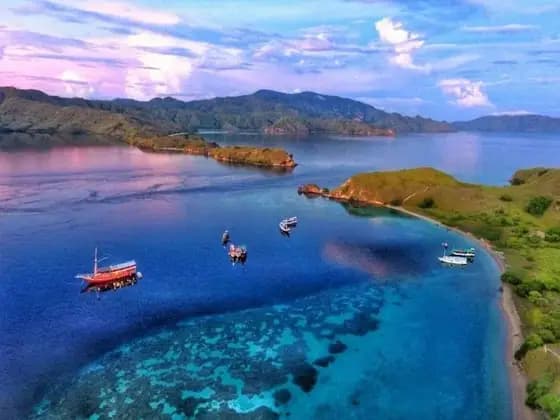
A Komodo photography tour blends rugged seascapes, ancient dragons, and turquoise lagoons into a visual feast. In just a few days you can capture the iconic Komodo dragon in its natural habitat, sunrise over Padar’s jagged peaks, and the fleeting dance of manta rays at 20 m depth.
Key Facts
| Pozycja |
Szczegóły |
| Długość wycieczki |
7–10 days (flexible) |
| Najlepsza pora roku |
April – October (dry, calm seas) |
| Typowa baza |
Labuan Bajo, West Manggarai Regency |
| Kluczowe lokalizacje |
Komodo Island, Rinca, Padar, Pink Beach, Manta Point |
| Średnia głębokość |
5–30 m for underwater shoots |
| Wymagany sprzęt |
Weather‑sealed camera, 2–3 lenses, ND filters, waterproof housing |
| Pozwolenie |
Included in charter fee (Komodo National Park entry) |
| Przewodnik |
Certified wildlife photographer & marine biologist |
„I’ve spent more than a decade sailing the Flores Sea, and the light on Komodo Island at dawn is unlike any other place on Earth.” — Hosea Titi Sanjaya, senior guide at KomodoExplorer
Co czyni wycieczkę fotograficzną po Komodo wyjątkową?
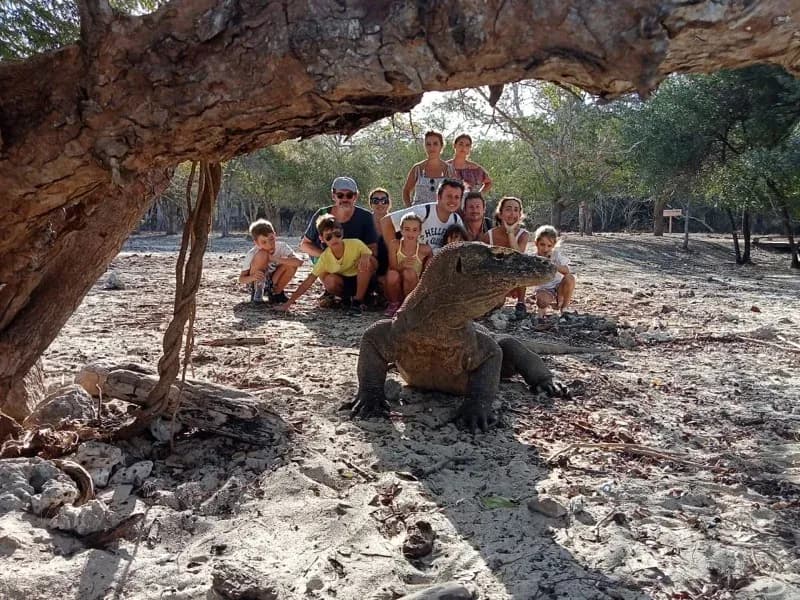
Komodo National Park is a UNESCO World Heritage site where rugged volcanic islands rise from crystal‑clear waters. The park’s biodiversity is a photographer’s playground: from the infamous Komodo dragon (Varanus komodoensis) to the elegant Manta birostris that glide over the reef at night. The scent of salty sea breezes mingles with the earthy aroma of dry savanna, while the distant call of the Binturong (bearcat) adds an auditory texture that deepens every frame.
The Phinisi yachts that KomodoExplorer operates are purpose‑built for photographers. Large, stable hulls reduce motion blur, and the onboard darkroom‑style workspace lets you edit while the sun sets over Batu Bolong. Each day is structured around the golden hours—early morning light on Padar’s pink‑red cliffs, and late afternoon glow on Komodo’s rugged coastline—so you’ll never miss the perfect light.
Kiedy jest najlepszy czas na wycieczkę fotograficzną po Komodo? {#faq-when}
Answer: The optimal window runs from April to October, when the dry season brings clear skies, calm seas, and the most predictable wildlife activity. Early mornings are crisp with a soft, cool haze that adds depth to landscape shots, while evenings often reveal bioluminescent plankton near Manta Point—a spectacular backdrop for night photography.
Dlaczego timing ma znaczenie
- Tide cycles: Low tide at Padar (usually around sunrise) exposes the famous “twin‑bay” view, giving unobstructed lines to the horizon.
- Dragon activity: Komodo dragons are most active in the cooler hours (06:00–10:00 h) and after dusk, increasing the odds of catching a hunting pose.
- Water clarity: The dry season reduces runoff, keeping underwater visibility at 20–30 m—ideal for wildlife photography komodo.
Gdzie zrobić ikoniczne zdjęcia w Komodo National Park? {#faq-where}
Komodo National Park is a mosaic of islands, each offering distinct photographic opportunities. Below is a curated list of the most rewarding spots, complete with depth figures, species highlights, and timing tips.
Padar Island – The Tri‑Color Panorama
- Location: 8 km north of Labuan Bajo; coordinates 8°32′S 119°28′E.
- Best Light: Sunrise (05:30–07:00 h) when the sun paints the cliffs in pink, orange, and white.
- Key Shot: Panoramic sweep from the summit, showing the three bays—Pink Beach, Blue Bay, and White Bay.
- Insider Tip: Ask your guide to anchor on the leeward side to avoid the wind‑blown sand that can obscure lenses.
Komodo Island – Home of the Dragon
- Location: 10 km southeast of Padar; coordinates 8°31′S 119°31′E.
- Depth: Land‑based, but nearby reefs sit at 10–20 m.
- Species: Komodo dragon, Binturong, Javan rusa deer.
- Best Time: Early morning walk (06:00–09:00 h) when dragons bask in the gentle light.
- Practical Tip: Keep a telephoto lens (400 mm+) at the ready; dragons often turn away when approached.
Rinca Island – The Quiet Photographer’s Haven
- Location: 5 km east of Komodo Island; coordinates 8°30′S 119°33′E.
- Highlight: Less crowded, offering intimate encounters with dragons and Bengal monitor (Varanus bengalensis).
- Depth: Shore snorkeling at 5–12 m reveals Naso tang and clownfish.
- Timing: Mid‑day when the forest canopy opens, allowing shafts of light to illuminate the understory.
Pink Beach – The Soft‑Hue Shoreline
- Location: 7 km south of Padar; coordinates 8°34′S 119°27′E.
- Unique Feature: Sand composed of finely ground coral, creating a pastel pink carpet.
- Best Shot: Long exposure of waves lapping the shore during golden hour.
- Gear: Use a neutral density filter (ND8) to smooth water motion.
Manta Point (Manta Bay) – Nighttime Spectacle
- Location: 12 km west of Labuan Bajo; coordinates 8°31′S 119°22′E.
- Depth: 15–25 m; plankton blooms attract large mantas.
- Optimal Conditions: New moon nights; the darkness highlights the mantas’ wing‑like pectoral fins.
- Tip: Use a fast prime lens (f/2.8) and a sturdy tripod; ISO 800–1600 works well with a 2‑second exposure.
Lista sprzętu na wycieczkę fotograficzną po Komodo {#howto-gear-checklist}
A successful komodo photography tour hinges on reliable equipment that can withstand salty air, humidity, and sudden weather changes. Follow these numbered steps to assemble your kit:
- Camera Body – Choose a weather‑sealed DSLR or mirrorless model (e.g., Nikon Z9, Canon R5). Ensure at least 20 MP for high‑resolution prints.
- Lenses – Pack a versatile zoom (24‑70 mm f/2.8), a telephoto (70‑200 mm f/2.8), and a super‑telephoto (100‑400 mm f/5.6) for dragon close‑ups.
- Underwater Housing – Invest in a dedicated housing (e.g., Nauticam or Ikelite) rated to 30 m; include a dome port for wide‑angle reef shots.
- Filters – Circular polarizer for land shots, ND8 for silky water, and a UV filter to protect lenses.
- Tripod & Gimbal – Carbon‑fiber tripod (minimum 2 kg) for static landscapes; a handheld gimbal for smooth video of moving dragons.
- Power & Storage – Carry at least three spare batteries (Lithium‑ion), a solar charger, and 2 TB of rugged SSDs.
- Cleaning Kit – Microfiber cloths, sensor cleaning swabs, and a soft brush for sand removal.
- Protective Gear – Waterproof dry bag, rain cover for the camera, and a UV‑blocking hat for yourself.
- Backup Gear – A secondary mirrorless body (e.g., Sony A7R IV) in case of malfunction.
- Software – Lightroom Classic and Capture One for on‑board RAW processing; a portable SSD with pre‑installed presets.
Pro tip: Ask your Phinisi charter about the onboard power capacity; most yachts provide 12 V outlets, but a 100 W inverter can keep your laptop and chargers running smoothly.
Wybór przewodnika i czarteru Phinisi
KomodoExplorer’s fleet includes the Mahakam, Bintulu, and Lombok Star, each equipped with a dedicated photography suite. When selecting a charter, consider:
- Stability – A wider beam reduces roll, essential for handheld telephoto work.
- Crew Expertise – Guides who are also certified wildlife photographers can anticipate dragon movements and recommend the best angles.
- Customizable Itinerary – Flexibility to linger at a location when the light shifts or a dragon appears.
- Sustainability Practices – Look for operators that practice reef‑friendly anchoring and support local conservation projects.
Ask the charter manager:
- “What is the average sea state during the dry season?”
- “Do you provide a dedicated deck space for tripod setups?”
- “Can the crew arrange a night dive at Manta Point?”
Praktyczne wskazówki dla fotografii przyrodniczej w Komodo
- Patience Over Speed – Dragons may rest for hours; use this time to frame your shot, adjust settings, and observe behavior.
- Silent Approach – Move slowly, keep voices low, and avoid sudden movements; dragons can be startled by loud noises.
- Use a Telephoto Lens – Getting within 5 m of a dragon is prohibited; a 400 mm lens lets you capture detail without intrusion.
- Shoot in RAW – The park’s high‑contrast lighting (bright sky, dark shadows) benefits from post‑processing latitude.
- Mind the Tides – Low tide reveals sandbars and mudflats where smaller reptiles and birds congregate.
- Protect Your Gear – Salt spray can corrode metal; rinse equipment with fresh water after each sea outing.
- Respect the Ecosystem – Never chase wildlife; follow the park’s guidelines to avoid disturbing nesting sites.
Przykładowy 7‑dniowy plan
| Dzień |
Poranek |
Południe |
Popołudnie |
Wieczór |
| 1 |
Arrival in Labuan Bajo; briefing on park regulations |
Board Phinisi Mahakam; safety drill |
Sail to Komodo Island; lunch on deck |
Sunset over Padar; night sky shoot |
| 2 |
Hike to dragon sighting points (06:00–09:00) |
Picnic on Pink Beach |
Snorkel at Manta Point (12:00–14:00) |
Night photography of mantas (new moon) |
| 3 |
Sunrise panorama from Padar summit |
Transfer to Rinca Island |
Guided dragon walk (telephoto) |
On‑board editing session |
| 4 |
Early dive at Manta Bay (depth 20 m) |
Lunch at Lombok Star galley |
Free‑time for portrait sessions on deck |
Star‑trail timelapse |
| 5 |
Kayak to hidden lagoons (09:00–11:00) |
Lunch on Kanawa Island |
Relax on White Beach; candid beach portraits |
Dinner with local fisherman stories |
| 6 |
Birdwatching on Senggigi (08:00–10:00) |
Return to Labuan Bajo; gear maintenance |
Optional cultural tour of Bajawa |
Final group critique |
| 7 |
Debrief; transfer to airport |
— |
— |
— |
Bezpieczeństwo i ochrona środowiska
- Permit Compliance – All visitors must carry a valid Komodo National Park permit; your charter will handle paperwork.
- Health Precautions – Bring anti‑malaria tablets if you have a pre‑existing condition; stay hydrated and apply reef‑safe sunscreen.
- Wildlife Interaction – Keep a minimum distance of 5 m from dragons; never feed them.
- Leave No Trace – Pack out all waste, use biodegradable soaps, and avoid touching coral.
- Emergency Protocol – The Phinisi fleet is equipped with a medical kit, satellite phone, and a 12‑hour rescue boat on standby.
Frequently Asked Questions
How many photos can I realistically take on a komodo photography tour?
A typical 7‑day tour yields 2,000–3,000 high‑quality images, depending on shooting style and weather. Most photographers aim for 300–400 edited shots for a portfolio.
Do I need a diving certification for underwater shots?
While a basic Open Water certification is sufficient for snorkeling, a PADI Advanced Open Water or SSI Advanced allows you to explore deeper reefs (up to 30 m) safely.
Can I bring a drone?
Yes, but only in designated zones and with a permit. Drone flights are prohibited near dragon nesting sites to avoid stress.
What is the average cost of a komodo photography tour?
Prices range from USD 2,500 to 4,500 per person, inclusive of charter, guide, permits, meals, and gear rental. Early booking (6 months ahead) often secures a discount.
Gotowy, by uchwycić cień smoka?
KomodoExplorer’s Komodo photography tour combines unrivaled access, expert guidance, and a luxurious Phinisi platform that lets you focus on the perfect shot. Whether you’re chasing sunrise over Padar’s cliffs or waiting for a manta’s graceful glide at night, our team ensures every frame tells a story of adventure and conservation.
Book your spot today and set sail on a visual journey that will transform your portfolio—and your perspective—forever. Visit our Komodo Photography Tour page, select your dates, and let us handle the rest. Your masterpiece awaits.