Roteiro de Island Hopping em Komodo: Melhores Rotas 2026
Resposta direta: O itinerário de island hopping mais recompensador em 2026 combina uma trilha ao nascer do sol na Ilha Komodo, mergulho matinal na Pink Beach, um mergulho à tarde em Batu Bolong e observação noturna da fauna em Rinca. Esse circuito de quatro dias maximiza a luz do amanhecer, o fluxo das marés e a presença sazonal de arraias manta e do icônico dragão de Komodo.
Dados Principais
| Item |
Detalhes |
| Estação Ideal |
Final de abril – início de outubro (estação seca) |
| Duração Típica |
4 – 6 dias (incluindo deslocamento até Labuan Bajo) |
| Bases Principais |
Labuan Bajo (porto principal), Manta Point (liveaboard) |
| Temperatura Média da Água |
27 °C – 30 °C |
| Zonas Marinhas-Chave |
Batu Bolong (15 m), Estreito de Makassar (30‑45 m) |
| Fauna Terrestre |
Varanus komodoensis, cervo de Timor, aves endêmicas |
| Charter Recomendada |
Iate Phinisi com plataforma de mergulho de 2 decks, tripulação de mestres de mergulho certificados |
| Permissões |
Taxa de entrada no parque IDR 150 000 por pessoa, permissão de mergulho IDR 250 000 por mergulho |
Por que o Island Hopping em Komodo é Imperdível em 2026
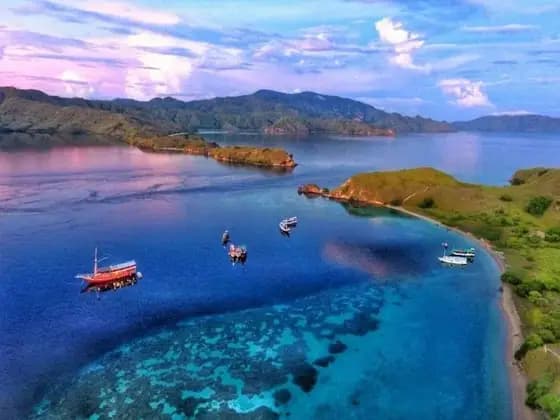
O Parque Nacional de Komodo é um laboratório vivo onde penhascos calcários escarpados encontram águas cristalinas repletas de mais de 1 000 espécies de peixes. As mais de 30 ilhas do arquipélago oferecem microclimas únicos, e o rigoroso regime de conservação garante encontros com a vida selvagem intensos e inesquecíveis. Ao pular de ilha em ilha, você troca um dia estático na praia por uma aventura dinâmica que mistura trekking, snorkel e mergulho — tudo a bordo de um tradicional Phinisi indonésio que parece um museu flutuante.
1. Planejando sua Aventura de Island Hopping no Parque Nacional de Komodo
Como Montar um Itinerário Flexível (HowTo)
Defina sua Janela de Viagem
- Escolha datas entre final de abril e início de outubro para mares calmos e visibilidade ótima.
- Evite a lua cheia em agosto; o céu brilhante pode perturbar a fauna noturna em Rinca.
Garanta as Permissões do Parque com Antecedência
- Entre em contato com o escritório do parque em Labuan Bajo pelo menos duas semanas antes.
- Pergunte ao operador: “Vocês podem organizar uma permissão combinada terra‑e‑mar para o nosso grupo?”
Escolha o Navio Base
- Para uma experiência premium, reserve um Phinisi com tripulação e mestre de mergulho dedicado.
- Verifique se o iate possui deck seco para armazenar equipamentos e toldo para proteger do sol da tarde.
Mapeie os Sites de Mergulho e as Trilhas
- Priorize Batu Bolong (15 m) para vida macro e Manta Point (30‑45 m) para mantas amantes de recifes.
- Em terra, programe a trilha do dragão de Komodo para o início do nascer do sol (06:15 – 07:30) para capturar a brisa fresca e o período mais ativo dos dragões.
Faça uma Bagagem Inteligente
- Leve protetor solar reef‑safe (FPS 50+), chapéu de aba larga e garrafa reutilizável.
- Para as observações noturnas, leve uma lanterna com filtro vermelho para não assustar os animais noturnos.
Confirme a Logística com seu Operador
- Pergunte: “Qual o consumo típico de combustível por dia e como isso afeta a flexibilidade do itinerário?”
- Confirme o cardápio: peixe fresco, temperos locais e um “cocktail de pôr‑do‑sol em Komodo” ao final do dia no deck.
2. Roteiro Dia a Dia
Dia 1 – Chegada em Labuan Bajo & Briefing
- Manhã: Voe até o Aeroporto de Komodo (LBJ) e siga para o porto. O aroma salgado do mar se mistura ao perfume de incenso queimada no mercado local — uma recepção sensorial.
- Tarde: Embarque no seu Phinisi na Labuan Bajo Marina; conheça a tripulação e o mestre de mergulho. Revise procedimentos de segurança, tabelas de maré e o cronograma do dia.
- Noite: Navegue ao sul em direção à Ilha Komodo (aprox. 30 nm). O pôr‑do‑sol tinge os penhascos calcários de violeta‑laranja, cenário perfeito para a primeira foto.
Dia 2 – Trilha ao Amanhecer na Ilha Komodo & Pink Beach
- Pré‑amanhecer (05:45): Ancore em Lembata Bay; a água ainda está em tom índigo profundo, e o único som é o canto distante do bentong (ave nativa).
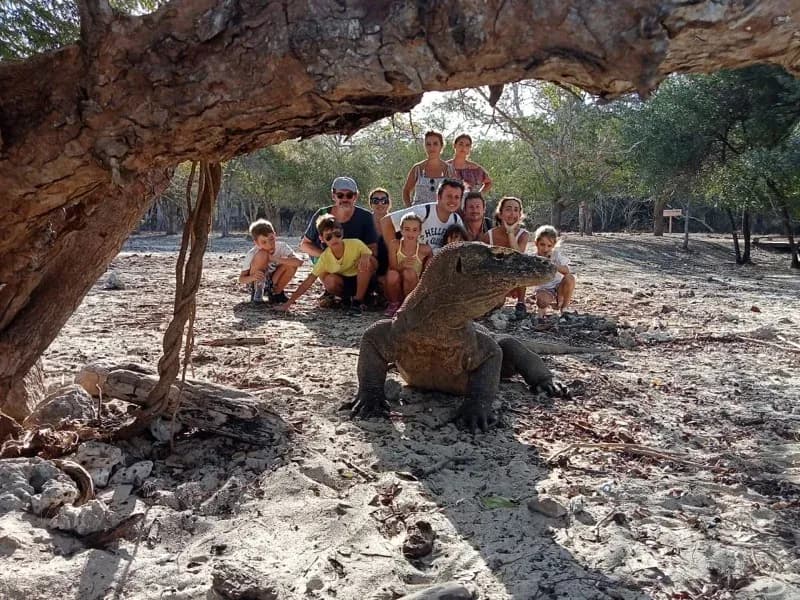
- Trilha ao Amanhecer (06:15‑09:00): Caminhe pela Rinca Trail (3 km) com um guarda‑parque. O pavimento calcário está quente sob os pés, e o ar traz um leve perfume metálico do solo vulcânico da ilha. Avistamento de Varanus komodoensis tomando sol em rocha aquecida; a pele dos dragões reluz como couro polido.
- Meio‑da‑manhã: Retorne ao barco para um lanche de frutas frescas (mangostão e mamão).
- Final da manhã (10:30‑13:00): Cruze até a Pink Beach na Ilha Komodo. A tonalidade rosada da areia resulta da mistura de coral triturado com areia branca, e a água turquesa se transforma em esmeralda conforme o sol sobe. Snorkel entre peixinhos-palhaço (Amphiprion percula), arraias-azul-ponteadas e, ocasionalmente, tartarugas-careca.
- Tarde: Almoço no deck — pargo grelhado com capim‑limão, servido com um toque de sambal.
Dia 3 – Mergulho em Batu Bolong & Manta Point
- Mergulho Matinal (07:30‑09:30): Desça a Batu Bolong (15 m). O muro de recife está coberto por corais macios que balançam como jardins submersos, exalando um leve perfume doce que mergulhadores descrevem como “o perfume do oceano”. Procure lula flamboyant, cavalos‑marinhos pigmeus e, de vez em quando, garoupas se escondendo nas saliências.
- Descanso ao Meio‑dia (10:00‑12:00): Ancore próximo à Ilha Padar; a tripulação prepara um almoço leve de nasi goreng com manga fresca. O vento traz o som distante das ondas batendo nas falésias verticais de Padar, lembrando o poder bruto do parque.
- Mergulho Vespertino (13:00‑15:30): Rume a Manta Point (30‑45 m). A água ganha tom safira profundo, e a luz filtra-se em véu prateado. Mantas deslizam com elegância, suas asas alcançando até 7 m. Fique atento aos tubarões-baleia — gigantes gentis que às vezes compartilham a mesma corrente de alimentação.
- Noite: Retorne ao iate para uma sessão de yoga ao pôr‑do‑sol no deck, seguida de um cocktail Komodo feito com arak destilado local e limão fresco.
Dia 4 – Safári Noturno em Rinca & Retorno a Labuan Bajo
- Manhã: Navegue até a Ilha Rinca para um snorkel tranquilo ao redor do recife Gili Lawa. A água está calma, e o som distante das ondas cria um pano de fundo relaxante.
- Tarde: Após o almoço, a tripulação oferece uma briefing cultural sobre as tradições Melayu locais, destacando a relação simbiótica entre os moradores e a fauna do parque.
- Entardecer (18:30): Embarque em um safari noturno guiado por um guarda‑parque. A escuridão é pontuada pelo suave chiado de insetos noturnos e o farfalhar de um cervo de Timor entre a vegetação. O ar noturno exala terra úmida e orquídeas silvestres, perfume que permanece após a partida.
- Noite (21:00): Retorne a Labuan Bajo. As luzes do porto refletem na água como uma constelação, sinalizando o fim de uma jornada inesquecível de island hopping em Komodo.
3. Perguntas Frequentes (FAQ)
Qual é a melhor época do ano para fazer island hopping em Komodo?
A estação seca (final de abril – início de outubro) oferece mares calmos, céu limpo e maior chance de avistar dragões de Komodo e mantas. Os meses de transição, abril e outubro, ainda podem ser agradáveis, mas espere pancadas de chuva que podem interferir nos mergulhos.
Quantas ilhas consigo visitar realisticamente em uma única viagem?
Um itinerário bem estruturado de 4 dias pode cobrir quatro ilhas principais — Komodo, Rinca, Padar e Pink Beach — permitindo tempo suficiente para atividades terrestres e aquáticas. Estender a viagem para 6 dias permite incluir Gili Lawa, Batu Bolong e o remoto Kelimutu para vistas de lagoas ao nascer do sol.
Preciso de certificação especial para mergulhar nos sites mais profundos?
Para mergulhos em Manta Point (30‑45 m), é exigida certificação PADI Advanced Open Water ou SSI Advanced. Se pretende explorar o Estreito de Makassar (até 70 m), recomenda‑se certificação Enriched Air (Nitrox) e classificação Deep Diver.
Existem restrições quanto à interação com a vida marinha?
Sim. O parque impõe política de não‑toque para todos os organismos marinhos. Alimentar ou perseguir tartarugas, mantas ou peixes de recife é proibido. Use protetor solar reef‑safe e evite plásticos; a equipe de gestão de resíduos do parque monitora cada embarcação para garantir o cumprimento.
Posso combinar o tour das ilhas de Komodo com um cruzeiro liveaboard de mergulho?
Com certeza. Muitos operadores oferecem pacotes híbridos que mesclam island hopping com itinerários liveaboard de vários dias. Isso permite experimentar locais remotos como Batu Bolong e ainda aproveitar os destaques terrestres de Komodo e Rinca.
O que devo levar para uma experiência confortável de island hopping?
- Roupas: Camisas leves e respiráveis; shorts de secagem rápida; jaqueta corta‑vento para as manhãs.
- Equipamento: Protetor solar reef‑safe, óculos polarizados, chapéu de aba larga, bolsa seca impermeável e garrafa reutilizável.
- Saúde: Medicações pessoais, comprimidos contra enjôo e um kit básico de primeiros socorros.
- Documentação: Passaporte, seguro‑viagem e cópia impressa das permissões do parque.
Como as marés influenciam os horários de snorkel e mergulho?
Durante marés mortas (meio do mês), o nível da água é mais baixo, expondo mais leitos de recife para snorkel em Pink Beach. Marés de sizígia (lua cheia/ nova) trazem água mais profunda sobre os recifes, ideal para mergulhos em Manta Point, onde as correntes são mais fortes e as mantas se alimentam de plâncton. Sempre verifique a tabela de marés local com seu mestre de mergulho antes de definir os horários.
Há considerações culturais ao visitar vilarejos locais?
Sim. Ao visitar Labuan Bajo ou vilarejos de pescadores próximos, vista-se modestamente (evite blusas sem mangas) e peça permissão antes de fotografar os moradores. Oferecer um pequeno presente, como um pacote de frutas secas, é bem‑recebido e favorece boas relações.
4. Dicas de um Guia de Mergulho Experiente
- Observação Matinal dos Dragões: Chegue ao plataforma de observação dos dragões de Komodo pelo menos 15 minutos antes do nascer do sol. O ar mais fresco deixa os dragões mais ativos, e a luz baixa cria sombras dramáticas que realçam suas escamas.
- Mergulho Noturno em Padar: Se possuir certificação Nitrox, solicite um mergulho noturno na parede sul de Padar. Plâncton bioluminescente pode iluminar o recife, revelando peixes língua de flamingo invisíveis durante o dia.
- Sincronizando a Maré para Alimentação de Mantas: Agende o mergulho em Manta Point para a maré de enchente (por volta de 14:00‑16:00). A corrente traz plâncton, atraindo mantas maiores que se aproximam do barco — perfeito para fotos subaquáticas.
- Culinária Local no Deck: Peça ao chef que prepare ikan bakar (peixe grelhado) com sambal matah (molho de pimenta cru balinês). O aroma cítrico fresco do prato combina maravilhosamente com a brisa do mar.
- Faça as Perguntas Certas: Ao reservar, indague: “Qual a reserva de combustível do seu navio para mudanças inesperadas de clima?” e “Vocês oferecem suporte a rebreather para mergulhos mais profundos?” Operadores que respondem com segurança costumam ter padrões de segurança mais elevados.
5. Itinerários Sugeridos para Diferentes Estilos de Viagem
| Estilo |
Duração |
Ilhas‑Core |
Destaques |
Iate Recomendado |
| Luxury Explorer |
6 dias |
Komodo, Rinca, Padar, Pink Beach, Manta Point |
Trilha privada ao nascer do sol, yoga ao pôr‑do‑sol, gastronomia gourmet |
Phinisi de 5 cabines com chef |
| Adventure Diver |
4 dias |
Komodo, Batu Bolong, Manta Point, Rinca |
Dois mergulhos diários, safári noturno, trilha do dragão |
Liveaboard de 3 cabines com mestre de mergulho |
| Family Friendly |
5 dias |
Komodo, Pink Beach, Gili Lawa, Rinca |
Snorkel raso, caminhadas suaves, briefing cultural |
Catamarã de 4 cabines com equipe voltada à família |
| Budget Backpacker |
4 dias |
Komodo, Padar, Pink Beach |
Cabine compartilhada, refeições em grupo, trilhas autoguiadas |
Iate econômico de 2 cabines (sem chef) |
6. Responsabilidade Ambiental
O Parque Nacional de Komodo é Patrimônio Mundial da UNESCO, e seus ecossistemas frágeis dependem do turismo responsável. Ao embarcar em uma aventura de island hopping em Komodo, você se torna embaixador da conservação. Siga estas práticas simples:
- Não Deixe Rastros: Leve todo o lixo de volta, inclusive itens biodegradáveis como cascas de fruta.
- Use Produtos Reef‑Safe: Opte por protetores solares sem oxibenzona nem octinoxato.
- Apoie as Comunidades Locais: Compre artesanato diretamente dos artesãos das aldeias; a renda financia escolas comunitárias e patrulhas marinhas.
- Reporte Encontros com a Fauna: Caso aviste animais feridos, avise imediatamente os guardas‑parque.
7. Reservando sua Experiência de Island Hopping em Komodo
Pronto para zarpar em uma jornada que une trekking em ilhas selvagens a mergulhos de classe mundial? Na KomodoExplorer.com, curamos charters Phinisi premium que incluem todas as permissões, guias especializados e itinerários sob medida para seus interesses.
Visite nossa página de Pacotes de Island Hopping, escolha o itinerário que melhor se encaixa na sua agenda e deixe nossa equipe experiente cuidar da logística — desde cálculos de combustível até briefings sobre vida marinha. Garanta sua vaga agora e viva a magia do Parque Nacional de Komodo em 2026.