Direct answer: Choosing the right Komodo liveaboard hinges on seven core questions—ranging from vessel size and dive schedule to safety standards and environmental stewardship. Answer each question with your own priorities, and you’ll be able to pick the best Komodo boat that matches your skill level, budget, and adventure spirit.
| Item | Details |
|---|---|
| Typical Vessel Size | 10–30 berths; larger boats offer more amenities, smaller boats provide intimacy |
| Dive Season | April – December (dry season) – best visibility 20–30 m |
| Average Daily Dive | 3–5 dives per day, depths 5–40 m |
| Key Dive Sites | Batu Bolong, Castle Rock, Manta Point, Pink Beach, Padar |
| Safety Certifications | IMO, SOLAS, PADI/SSI approved |
| Marine Conservation | Many operators support Komodo National Park programs |
| Typical Cost | US$150–$250 per person per night (incl. meals, guides, tanks) |
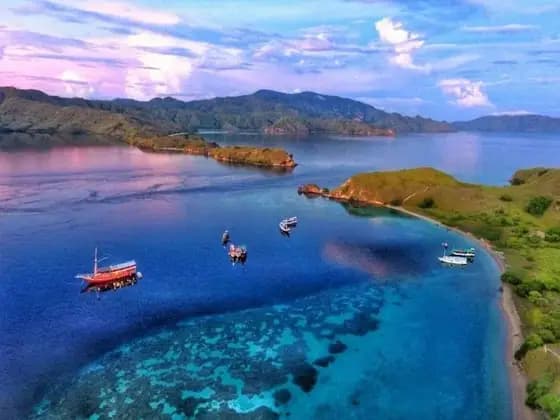
When you first set foot on Labuan Bajo’s bustling pier, the scent of salty sea breeze mingles with the faint aroma of grilled fish from nearby warungs. The roar of motorboats fades into the distant call of a nightjar, and you already sense that the right liveaboard will amplify every nuance of this remote archipelago. As a veteran dive guide who has spent more than a decade navigating Komodo’s currents, I’ll walk you through the seven questions that turn a vague wish‑list into a concrete, unforgettable itinerary.
Komodo’s reefs range from gentle wall dives for beginners to adrenaline‑pumping drift dives that challenge even seasoned technical divers. Matching your skill set to the boat’s typical dive profile prevents frustration and maximises safety.
Ask the operator: “What is the average depth and current strength on our typical day?” A reputable liveaboard will gladly share recent dive logs, showing depths (e.g., 12 m at Pink Beach, 35 m at Castle Rock) and current speeds (often 2–3 knots on the southern passes).
Internal link: For a deeper dive into site difficulty, see our Dive sites of Komodo guide.
A higher guest count can dilute personal attention, while a low guest‑to‑crew ratio often translates into more tailored briefings, quicker boat turnarounds, and a quieter cabin environment.
Ask “What is the crew size relative to the number of guests?” A solid benchmark is a crew of 1‑2 per 5 guests. For a 20‑berth boat, a crew of 6–8 ensures each dive guide can spend at least 10‑15 minutes with you on the surface, reviewing currents and marine life expectations.
During a March expedition on a 12‑berth catamaran, I observed the crew’s ability to adjust the dive schedule on the fly after a sudden wind shift—something a larger, more crowded vessel would have struggled with.
Internal link: Learn more about our Phinisi charter options and how crew expertise varies across fleet sizes.
Komodo’s remote location means help can be hours away. A liveaboard must meet international safety standards and have clear emergency protocols for everything from decompression illness to severe weather.
“When was the last safety drill, and can guests participate?” Operators that encourage passenger involvement demonstrate confidence in their procedures.
Internal link: Review our Safety standards page for a full breakdown of what to expect.
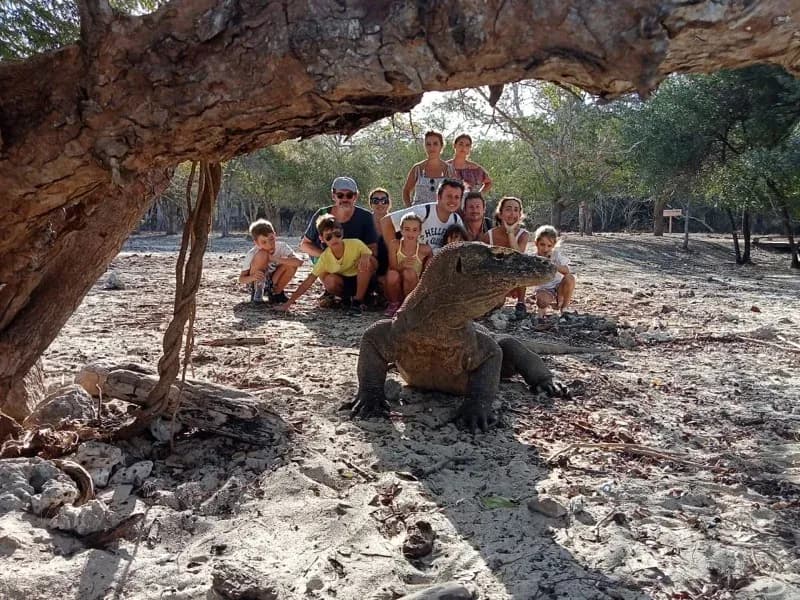
A well‑balanced itinerary prevents dive fatigue and allows you to soak up Komodo’s legendary terrestrial attractions—dragons, savannah, and pristine beaches.
| Time | Activity |
|---|---|
| 07:00 | Breakfast & safety briefing |
| 08:30 | First dive (wall or drift) |
| 10:30 | Surface interval, snack |
| 12:00 | Lunch aboard |
| 13:30 | Second dive |
| 15:30 | Optional third dive or land excursion |
| 18:00 | Dinner, debrief, night dive (if offered) |
Ask “Do you schedule at least one land day per week?” The best liveaboards allocate a full day for trekking to see Komodo dragons on Rinca or Padar, giving divers a chance to rest their fins and their minds.
Internal link: Explore our Komodo liveaboard itineraries for sample schedules.
After a full day of diving, the quality of your cabin, meals, and communal spaces can dramatically affect recovery and overall enjoyment.
Imagine stepping onto a teak deck at sunset, the air tinged with the faint perfume of frangipani, while the gentle hum of the engine fades into the distant clatter of a night market. The best liveaboards recreate that calm after each dive.
“Do you source fish daily from Labuan Bajo?” Freshness is a hallmark of premium operators.
Internal link: For a taste of our culinary standards, see the Phinisi charter dining experience.
Komodo National Park is a UNESCO World Heritage site, and responsible tourism helps protect its fragile ecosystems. Choosing a liveaboard that contributes to conservation ensures your adventure leaves a positive legacy.
“What percentage of our fees goes toward park conservation?” Transparency is a good sign.
Internal link: Learn about our Marine conservation initiatives and how you can get involved.
Understanding the price breakdown helps you budget wisely and avoid surprises mid‑voyage.
| Item | Approx. Cost (USD) |
|---|---|
| Accommodation | $80‑$120 |
| Meals (breakfast, lunch, dinner) | $30‑$40 |
| Dive gear (tanks, BCD, regulator) | $20‑$30 |
| Guides & marine biologists | Included |
| Park entry & dive permits | $30‑$40 |
| Optional extras (night dive, photography) | $15‑$25 |
Ask “Are transfers from Labuan Bajo airport included?” Some operators bundle airport pickups, while others charge a separate fee.
Internal link: For a full cost guide, see the Trip planning checklist.
Most boats schedule 3‑5 dives daily, with depths ranging from 5 m at Pink Beach to 40 m at Castle Rock. Beginners may opt for 2‑3 gentle dives, while advanced divers can request an extra drift or night dive.
A current PADI Open Water or SSI Open Water certification is the minimum. Some operators also accept CMAS or NAUI cards. Advanced dives often require PADI Advanced Open Water or equivalent.
The dry season (April – December) offers the clearest water, with peak visibility in October and November. Expect 20‑30 m visibility, especially during the early morning surface interval.
Yes, many liveaboards welcome personal gear, but they also provide full‑set rentals. If you have a preferred regulator or wetsuit, notify the operator at least two weeks before departure.
Choose a cabin mid‑ship, stay hydrated, and take motion‑sickness tablets an hour before departure. The gentle roll of a well‑designed Phinisi is usually less severe than larger catamarans.
Internal links:
Choosing the right Komodo liveaboard is more than ticking boxes—it’s about aligning your passion for underwater wonder with a vessel that respects the environment, prioritises safety, and delivers comfort. Use the seven questions above as your compass, and you’ll navigate straight to an unforgettable adventure in the heart of the Indonesian archipelago.
Set sail with KomodoExplorer now—browse our curated fleet, ask any lingering questions, and lock in your spot on the next expedition. Click the button below to start your booking journey, and let the currents of Komodo carry you to a world of dragons, manta rays, and pristine coral walls.