Hành Trình Du Thuyền Từ Lombok Đến Komodo: Cẩm Nang Lộ Trình Tàu Buồm Toàn Diện
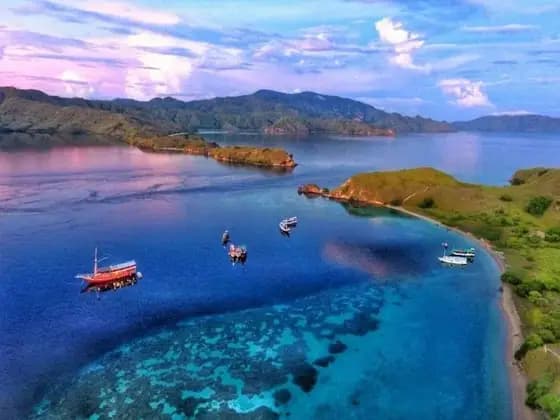
Một hành trình du thuyền từ Lombok đến Komodo mang đến sự kết hợp hoàn hảo giữa làn nước xanh ngọc bích, những hòn đảo núi lửa hùng vĩ và các điểm lặn biển đẳng cấp thế giới. Chỉ trong một chuyến đi duy nhất, bạn sẽ lướt nhẹ từ những bãi biển nắng vàng rực rỡ của Lombok, đi qua bức tranh văn hóa đa dạng của Sumbawa và Flores, để đến với vùng nước huyền thoại của Vườn Quốc gia Komodo, tất cả đều trên một chiếc du thuyền Phinisi truyền thống đầy kiêu hãnh.
Thông Tin Chính
| Hạng Mục |
Chi Tiết |
| Thời Gian Thường Gặp |
10–14 đêm (bao gồm các tour tham quan trên đất liền tùy chọn) |
| Mùa Đẹp Nhất |
Tháng 5 – Tháng 10 (mùa khô, gió êm) |
| Khoảng Cách Buồm Trung Bình |
750 nm (≈ 1 400 km) |
| Cảng Khởi Hành Chính |
Lombok International Marina, Mataram |
| Điểm Dừng Chân Chính |
Quần đảo Gili, Sumbawa Besar, Bima, Sape, Labuan Bajo |
| Điểm Nhấn Lặn Biển |
Batu Bolong (30 m), Manta Point (20 m), Castle Rock (45 m) |
| Visa Cần Thiết |
Visa upon arrival hoặc e‑Visa của Indonesia (trừ khi được miễn) |
| Du Thuyền Khuyến Nghị |
Phinisi 30‑40 ft với 2‑3 cabin, máy phát điện diesel và tủ đồ lặn |
| Chi Phí Trung Bình |
2 200‑2 800 USD/người (bao gồm ăn uống, nhiên liệu, hướng dẫn viên) |
Tại Sao Nên Chọn Lộ Trình Buồm Từ Lombok Đến Komodo?
Quần đảo nằm giữa Lombok và Komodo chính là một phòng thí nghiệm sống động về đa dạng sinh học biển và điểm giao thoa văn hóa. Với từng cơn gió thổi qua, bạn sẽ nghe thấy tiếng kêu vang xa của đại bàng Java trên những vách đá vôi, ngửi thấy hương mặn mòi của rong biển sau cơn mưa đêm, và cảm nhận sự lắc lư nhẹ nhàng của thân gỗ tàu Phinisi khi nó xẻ sóng qua làn nước xanh thẳm. Lộ trình này không chỉ là một hành trình đi lại—đó là sự đắm mình trọn vẹn vào thiên nhiên.
1. Chuẩn Bị Cho Chuyến Đi
1.1. Lựa Chọn Du Thuyền Phù Hợp
Một chiếc tàu Phinisi được đóng từ gỗ tếch và gỗ sắt sẽ mang lại sự cân bằng hoàn hảo giữa vẻ đẹp cổ điển và sự an toàn hiện đại. Hãy lưu ý các yếu tố sau:
- Công suất động cơ: Tối thiểu 300 HP để đảm bảo hành trình an toàn qua những cơn giông bất chợt ở eo biển Lombok.
- Dung tích nhiên liệu: Ít nhất 2 000 L để đáp ứng chặng đường dài nhất (từ Sumbawa đến Flores, khoảng 250 nm) mà không cần tiếp nhiên liệu.
- Thiết bị lặn: Máy nén bình đôi, hộp khô cho đồ lặn, và máy làm nước ngọt 1 000 L.
Mẹo từ chuyên gia: Hãy hỏi đơn vị cho thuê du thuyền xem hệ thống vây ổn định (stabilizer fins) của tàu có hoạt động tốt không; chúng giúp giảm thiểu sự lắc lư đáng kể trong những lúc nước biển động ở eo biển Alor.
1.2. Đồ Dùng Cần Thiết
| Hạng Mục |
Đồ Cần Mang Theo |
| Định vị |
Bản đồ giấy eo biển Lombok, GPS, máy bộ đàm cầm tay VHF (kênh 16) |
| Sức khỏe |
Thuốc say tàu, kem chống nắng an toàn cho rạn san hô (SPF 50+), túi y tế cơ bản |
| Sự thoải mái |
Quần áo vải lanh nhẹ, màn chống muỗi, bình nước tái sử dụng (≥ 2 L) |
| Chụp ảnh |
Vỏ chống nước, bộ lọc phân cực, pin dự phòng |
| Lặn biển |
Sổ tay lặn, chất bôi trơn an toàn cho san hô (dùng cho regulator), đèn lặn dưới nước (2 W) |
1.3. Các Vấn Đề Pháp Lý Và Môi Trường
- Khu bảo tồn biển (MPAs): Vườn Quốc gia Komodo yêu cầu phí vào cửa 10 USD/người và một buổi hướng dẫn bắt buộc về việc bảo tồn san hô.
- Quản lý chất thải: Tàu Phinisi phải có bể chứa nước xám riêng; việc xả thải chỉ được phép tại các điểm neo đậu chỉ định (ví dụ: các điểm neo an toàn cho san hô tại quần đảo Gili).
- Giấy phép: Nếu bạn dự định lặn biển trên tàu (liveaboard) tại Manta Point, hãy xin giấy phép nghiên cứu thông qua Bộ Hải sản ít nhất hai tuần trước khi khởi hành.
2. Lịch Trình Chi Tiết Ngày Qua Ngày
Dưới đây là lịch trình linh hoạt nhưng toàn diện, cân bằng giữa thời gian buồm, tham quan trên bờ và các buổi lặn. Khoảng cách được đo "theo đường chim bay" và có thể thay đổi tùy theo dòng hải lưu.
Ngày 1 – Lombok International Marina → Gili Trawangan (≈ 15 nm)
- Sáng: Khởi hành lúc 08:00 h sau bữa sáng thịnh soạn với trái cây nhiệt đới tươi ngon và cà phê tubruk. Cơn gió đầu tiên là gió mùa đông nam nhẹ nhàng, hoàn hảo cho một khởi đầu suôn sẻ.
- Trưa: Thả neo tại đầm phá san hô Gili Trawangan. Nước trong vắt (tầm nhìn 12–15 m); bạn sẽ nghe thấy tiếng rào rạo nhẹ của cá vẹt đang ăn tảo.
- Chiều: Snorkel tại Manta Bay (độ sâu 5–12 m). Hãy chuẩn bị tinh thần để nhìn thấy cá đuối ocean (Manta birostris) lướt đi trên mặt nước, với đôi vây ngực như cánh chim đổ bóng lên rạn san hô.
- Tối: Thưởng thức tiệc BBQ trên boong tàu khi bầu trời chuyển sang màu cam rực khi hoàng hôn buông xuống.
Mẹo chuyên môn: Hãy hỏi cửa hàng lặn địa phương về "đêm rạn san hô" tại Gili Trawangan—phiêu sinh phát quang có thể tạo ra vẻ đẹp lung linh huyền ảo sau khi màn đêm buông xuống.
Ngày 2 – Gili Trawangan → Sumbawa Besar (≈ 80 nm)
- Buồm Sớm: Khởi hành trước triều giữa trưa để tránh dòng chảy mạnh hình thành gần eo biển Sape.
- Điểm Nhấn Hành Trình: Khi vượt qua eo biển Sumbawa, hương me từ những ngôi làng lân cận sẽ bay theo gió lên tàu. Bạn có thể bắt gặp những chú dơi quạ bay qua các ngọn đồi núi lửa.
- Điểm Neo Đậu: Thả neo tại đảo Moyo (độ sâu 25 m). Bãi biển nguyên sơ của hòn đảo là nơi hoàn hảo để đi dạo; hãy lắng nghe tiếng sóng vỗ ầm ầm vào vách đá vôi.
- Lặn Biển: Vách đá Batu Bolong trồi sâu xuống 30 m, là nơi sinh sống của cá mập hổ, cá mập báo và đàn cá hồng.
Ngày 3 – Sumbawa Besar → Bima (≈ 120 nm)
- Định Hướng Sáng: Theo tuyến đường biển Bali, giữ khoảng cách với khói núi lửa Sumbawa có thể gây sương mù.
- Dừng Chân Văn Hóa: Đ cập cảng Bima cho một chuyến tham quan văn hóa nửa ngày. Cung điện Sultan mang đến cái nhìn sâu sắc về di sản Bima; không khí ngập tràn hương trầm.
- Buồm Đêm: Buồm đêm khá êm; bầu trời đầy sao trên biển Banda là một lời nhắc nhở về sự tĩnh lặng của khu vực này.
Ngày 4 – Bima → Sape (≈ 90 nm)
- Ánh Sáng Sáng: Buồm lúc bình minh; ánh sáng vàng rực phản chiếu trên mặt nước, lộ diện những rùa biển nổi lên để thở.
- Vịnh Sape: Thả neo tại vịnh Sape được bảo vệ (độ sâu 10–18 m). Vịnh nổi tiếng với sóng dịu nhẹ và sự phong phú của cá bướm.
- Khám Phá Đất: Leo núi đến đồi Sape, nơi bạn sẽ nghe thấy tiếng kêu xa của cua dừa và chiêm ngưỡng toàn cảnh quần đảo Alor.
Ngày 5 – Sape → Labuan Bajo (≈ 150 nm)
- Hành Trình Dài: Đây là chặng đường dài nhất; hãy lập kế hoạch dừng tiếp nhiên liệu tại Bajawa nếu cần. Gió mùa mùa đông nam có thể mang lại những cơn giông bất chợt—hãy theo dõi sát sao áp kế.
- Đến Nơi: Đ cập cảng Labuan Bajo vào cuối buổi chiều. Chợ ven bến cảng ngập tràn hương thơm của cá nướng (ikan bakar) và sắn.
- Hướng Dẫn: Tham dự buổi hướng dẫn bắt buộc tại Vườn Quốc gia Komodo trong trung tâm tham quan của công viên. Tại đây, bạn sẽ tìm hiểu về hành vi của rồng Komodo và chính sách không chạm của công viên.
Ngày 6 – Labuan Bajo → Đảo Komodo (≈ 30 nm)
- Lặn Sớm: Lúc 06:30 h, lặn tại Manta Point (độ sâu 20 m). Nước mát (27 °C) và dòng chảy vừa phải, hoàn hảo để quan sát cá đuối ocean (Manta birostris) và các cặp rùa biển.
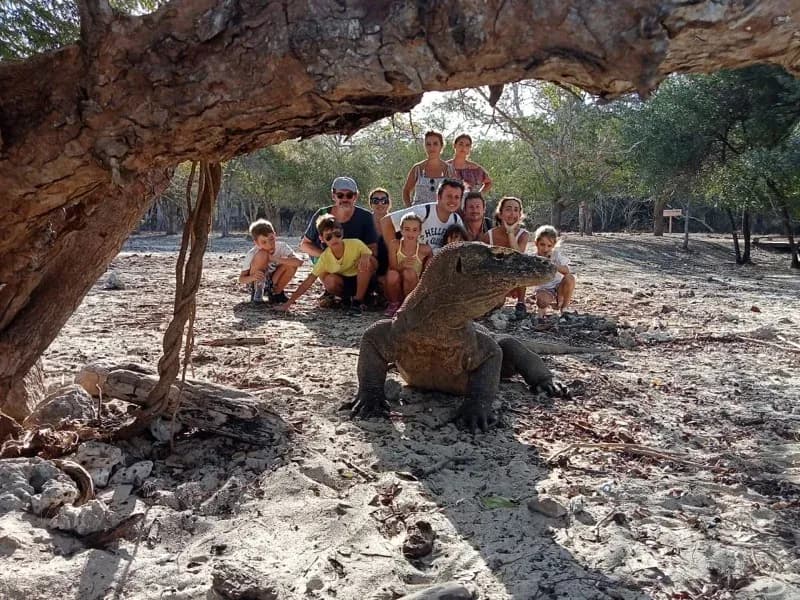
- Tham Quan Đất: Sau buổi lặn, hãy chèo kayak một đoạn ngắn đến đảo Komodo để đi bộ đường dài có hướng dẫn viên. Vùng cây bụi khô cằn toả mùi hương của cây cỏ khô, và bạn có thể nghe thấy tiếng gầm rừ thấp của rồng Komodo di chuyển qua bụi rậm.
- Tối: Trở lại tàu để thưởng thức tiệc hải sản với món mực nướng (lok-lok) và sambal matah.
Ngày 7 – Đảo Komodo → Đảo Padar (≈ 15 nm)
- Leo Núi Bình Minh: Vách đá ba màu của Padar đẹp nhất khi nhìn vào lúc bình minh. Ánh sáng hồng phấn làm tôn lên những bãi biển cát trắng và đầm nước xanh ngọc.
- Snorkel: Rạn san hô Batu Bia (độ sâu 12 m) mang đến một bảng màu rực rỡ của san hô và cá barracuda.
- Lặn Tùy Chọn: Với thợ lặn có kinh nghiệm, vách đá Castle Rock (độ sâu 45 m) là nơi sinh sống của cá khế khổng lồ và cá đuối vây rộng.
Ngày 8 – Đảo Padar → Đảo Rinca (≈ 20 nm)
- Safari Trên Đất: Rinca ít khách tham quan hơn Komodo nhưng cũng đáng đến không kém. Tán rừng toả ra mùi hương ẩm ướt như thông, và bạn sẽ nghe thấy tiếng chích chòe bụng trắng.
- Lặn Biển: Điểm lặn Batu Kembar (độ sâu 30 m) nổi tiếng với đàn cá fusilier và thỉnh thoảng xuất hiện cá mập voi (mùa vụ, tháng 10-12).
Ngày 9 – Đảo Rinca → Flores (Larantuka) (≈ 120 nm)
- Kết Thúc Văn Hóa: Đ cập cảng Larantuka, thị trấn Công giáo lịch sử trên đảo Flores. Tiếng chuông nhà thờ vang lên lúc trưa, và hương trầm thơm ngát từ Nhà thờ Thánh Phanxicô lan tỏa trong không khí.
- Khám Phá Đất Tùy Chọn: Tham gia một chuyến đi bộ đường dài có hướng dẫn đến suối nước nóng Bajawa (nhiệt độ 45 °C) để ngâm mình thư giãn.
- Buồm Trở Về: Bắt đầu hành trình đi về phía bắc quay lại Lombok, vượt qua biển Flores dưới bầu trời đêm trong xanh.
Ngày 10‑12 – Chặng Trở Về (Flores → Lombok)
- Điểm Dừng Lại: Tùy chọn neo đậu qua đêm tại đảo Alor và một chuyến đi trong ngày đến Pantar để chơi chèo diều (kite‑surfing).
- Đến Nơi Cuối Cùng: Đ cập lại Lombok International Marina vào cuối buổi chiều ngày thứ 12. Hãy ăn mừng với điệu múa truyền thống Sasak trên boong, tiếng trống nhịp nhàng echoing những con sóng bạn vừa chinh phục.
3. Đi Sâu Vào Các Điểm Lặn Biển
Dưới đây là bảng tham khảo nhanh cho các điểm lặn mang tính biểu tượng nhất trên hành trình du thuyền từ Lombok đến Komodo.
| Điểm Lặn |
Vị Trí |
Độ Sâu |
Loài Thường Gặp |
Thời Điểm Tốt Nhất |
| Batu Bolong |
Gili Trawangan |
30 m |
Cá mập hổ, Cá mập báo, Cá hồng |
Sáng sớm |
| Manta Point |
Labuan Bajo |
20 m |
Cá đuối ocean, Rùa biển Ea |
Bình minh |
| Castle Rock |
Đảo Padar |
45 m |
Cá khế khổng lồ, Cá đuối, Sên biển |
Giữa buổi chiều |
| Batu Kembar |
Đảo Rinca |
30 m |
Cá mập voi (Tháng 10-12), Cá fusilier |
Cuối buổi chiều |
| Batu Bia |
Đảo Padar |
12 m |
Vườn san hô, Cá barracuda |
Bình minh |
Mẹo từ chuyên gia: Khi lặn tại Castle Rock, hãy yêu cầu thủy thủ đoàn thả neo ở phía đón gió (leeward side); điều này giúp giảm dòng trôi và mang lại nền tảng ổn định để bạn có thời gian lặn lâu hơn.
4. Câu Hỏi Thường Gặp (FAQ)
Một hành trình du thuyền từ Lombok đến Komodo thường mất bao lâu?
Một chu kỳ hoàn chỉnh của hành trình du thuyền từ Lombok đến Komodo kéo dài từ 10 đến 14 đêm, tùy thuộc vào số lượng chuyến tham quan trên bờ bạn thêm vào và việc bạn có chọn thêm ngày lặn hay không.
Thời điểm nào trong năm đẹp nhất để buồm tuyến đường này?
Mùa khô (Tháng 5 – Tháng 10) mang lại gió mùa đông nam ổn định (12–18 hải lý/giờ) và biển êm. Mùa mưa (Tháng 11 – Tháng 4) có thể mang lại những cơn giông bất chợt, đặc biệt là ở eo biển Alor.
Tôi có cần visa đặc biệt cho Vườn Quốc gia Komodo không?
Không cần visa riêng ngoài visa upon arrival tiêu chuẩn của Indonesia (hoặc e‑Visa). Tuy nhiên, bạn phải trả phí vào công viên 10 USD/người và tham dự một buổi hướng dẫn về môi trường ngắn gọn.
Tôi có thể mang theo thiết bị lặn của riêng mình không?
Tất nhiên rồi. Hầu hết các tàu du thuyền Phinisi đều có hộp khô cho đồ lặn và máy nén để bơm bình. Chỉ cần đảm bảo thiết bị của bạn an toàn cho san hô (không dùng silicon trên regulator) và bạn có một regulator tương thích với nguồn khí địa phương.
Có Wi-Fi trên tàu không?
Hầu hết các tàu du thuyền cho thuê hiện đại đều cung cấp internet vệ tinh (tốc độ lên đến 4 Mbps). Tín hiệu có thể thay đổi; bạn sẽ có kết nối tốt nhất khi neo đậu gần Labuan Bajo hoặc Lombok.
Tôi có thể mong đợi thấy những loài động vật hoang dã nào trên đất liền?
- Rồng Komodo (Varanus komodoensis) trên các đảo Komodo và Rinca.
- Đại bàng Java bay lượn trên những vách đá của Padar.
- Chích chòe bụng trắng và cua dừa tại Sape và Rinca.
- Rùa biển làm tổ trên các đảo Gili (mùa vụ).
5. Mẹo Thực Tiễn Từ Nội Bộ
- Hãy hỏi đơn vị cho thuê về dự trữ nhiên liệu trước khi khởi hành; một nguyên tắc tốt là giữ 30% dung tích thùng làm khoảng cách an toàn.
- Kiểm tra bảng triều cho eo biển Sumbawa; triều chết (neap tide) (khi chênh lệch nước lên xuống thấp) là lý tưởng để neo đậu gần các rạn san hô.
- Mang theo máy thu AIS cầm tay; nhiều tàu nhỏ hơn trong khu vực không phát tín hiệu vị trí, và thiết bị này có giúp tránh va chạm ở các luồng lộn tạp phức.
- Sử dụng kem chống nắng an toàn cho san hô (không chứa kẽm oxit). San hô ở Komodo đặc biệt nhạy cảm với hóa chất trôi nổi.
- Lên lịch lặn đêm tại Manta Point chỉ khi bạn có huấn luyện viên lặn đêm được chứng nhận; dòng chảy có thể mạnh hơn sau khi trời tối.
- Mang theo sạc pin mặt trời di động; máy phát điện của tàu Phinisi chạy bằng dầu diesel, và tấm pin mặt trời sẽ giúp giảm tiêu thụ nhiên liệu cho các thiết bị điện tử nhỏ.
6. Cách Đặt Chuyến Du Thuyền Từ Lombok Đến Komodo Của Bạn
Sẵn sàng để bắt đầu hành trình? Tại KomodoExplorer, chúng tôi tuyển chọn từng hành trình du thuyền từ Lombok đến Komodo với những thuyền trưởng giàu kinh nghiệm, hướng dẫn viên địa phương và chuyên gia lặn biển đã vẽ bản đồ những vùng nước này trong nhiều thập kỷ. Những chiếc tàu Phinisi của chúng tôi được bảo trì theo tiêu chuẩn cao nhất, và chúng tôi xử lý mọi giấy phép, kế hoạch nhiên liệu cũng như tùy chỉnh lịch trình.
- Bước 1: Truy cập trang Gói Đi Buồm của chúng tôi và chọn "Lombok to Komodo Cruise."
- Bước 2: Chọn ngày khởi hành mong muốn, cấu hình cabin và bất kỳ tour tham quan trên bờ nào tùy chọn.
- Bước 3: Gửi một bảng câu hỏi ngắn về kinh nghiệm lặn và sở thích ăn uống của bạn.
- Bước 4: Đội ngũ của chúng tôi sẽ liên hệ lại trong vòng 24 giờ để xác nhận tình trạng chỗ trống, cung cấp báo giá chi tiết và trả lời mọi câu hỏi còn lại.
- Bước 5: Đặt chỗ của bạn bằng khoản đặt cọc 30%; số tiền còn lại sẽ thanh toán 30 ngày trước khi khởi hành.
Mẹo chuyên môn: Hãy hỏi về chiết khấu sớm của chúng tôi—đặt trước ít nhất 90 ngày và nhận giảm 150 USD/người.
7. Trách Nhiệm Môi Trường Trên Tàu
Việc buồm theo tuyến đường đi buồm Flores Lombok Komodo đưa bạn đến một trong những hệ sinh thái mong manh nhất hành tinh. Dưới đây là cách bạn có thể giảm thiểu tác động:
- Chính sách không nhựa: Hãy mang theo hộp đựng tái sử dụng; tàu cung cấp bình nước thép không gỉ và dụng cụ ăn uống bằng tre.
- Thả neo an toàn cho san hô: Sử dụng phao neo khi có sẵn để tránh việc kéo lê neo qua rạn san hô.
- Phân loại rác thải: Tách rác hữu cơ để ủ phân tại cảng và lưu trữ nhựa để xử lý đúng cách trên bờ.
- Tiết kiệm năng lượng: Tắt các thiết bị điện không cần thiết vào ban đêm; dựa vào thông gió tự nhiên thay vì điều hòa khi có thể.
- Tôn trọng động vật hoang dã: Giữ khoảng cách tối thiểu 5 m với rồng Komodo và 2 m với các động vật có vú biển.
Bằng cách tuân thủ các nguyên tắc này, bạn giúp gìn giữ vẻ đẹp nguyên sơ mà năm nào cũng thu hút du khách đến với tuyến đường này.
8. Lời Kết
Một hành trình du thuyền từ Lombok đến Komodo không chỉ là một chuyến đi—đó là một hành trình dài đầy cảm xúc qua những vùng biển mang tính biểu tượng nhất của Indonesia, nền văn hóa sôi động và sự sống biển vô song. Từ tiếng ru êm đềm của eo biển Sumbawa đến tiếng gầm rú của sóng vỗ tại vách đá Padar, mỗi khoảnh khắc là một câu chuyện đang chờ được kể. Với sự chuẩn bị đúng đắn, một chiếc tàu Phinisi tin cậy và chuyên môn của đội ngũ KomodoExplorer, bạn sẽ trải nghiệm sự kỳ diệu của tuyến đường này với sự tự tin và kinh ngạc.
Sẵn sàng để bắt đầu?
Nhấn vào bên dưới để giữ chỗ cho bạn trên chuyến du thuyền từ Lombok đến Komodo tiếp theo và để gió dẫn lối bạn đến những chân trời khó quên.
Đặt Chuyến Du Thuyền Từ Lombok Đến Komodo Ngay