
Nguy cơ mắc sốt rét tại Labuan Bajo và các hòn đảo lân cận, bao gồm cả Komodo, đang ở mức thấp nhưng chưa thể coi là bằng không tuyệt đối. Du khách nên thực hiện các biện pháp dự phòng tiêu chuẩn, sử dụng biện pháp chống muỗi và cập nhật thông tin thường xuyên về các đợt bùng phát theo mùa. Với những sự chuẩn bị đúng đắn, bạn hoàn toàn có thể thả mình vào làn nước xanh ngọc bích và chiêm ngưỡng những chú rồng huyền thoại mà không phải lo lắng về bệnh tật.
| Thực tế | Chi tiết |
|---|---|
| Lây truyền sốt rét | Chủ yếu qua muỗi Anopheles; mật độ thấp ở khu vực đô thị Labuan Bajo, cao hơn ở các vùng rừng sâu trên đảo Flores |
| Mùa cao điểm | Từ tháng 11 đến tháng 4, trùng khớp với mùa mưa |
| Dự phòng khuyến nghị | Atovaquone‑proguanil (Malarone) hoặc doxycycline cho hầu hết du khách |
| Tiêm chủng | Không yêu cầu vắc-xin sốt rét cho Indonesia, nhưng các vắc-xin thông thường (viêm gan A, B, thương hàn) được khuyến nghị |
| Cơ sở y tế | Bệnh viện Labuan Bajo (24 giờ) và một số phòng khám tư; bệnh viện lớn gần nhất tại Kupang (≈300 km) |
| Lời khuyên địa phương | Hỏi nhà khai thác tàu về hoạt động của muỗi gần đây; các đơn vị uy tín như KomodoExplorer luôn trang bị lưới chắn muỗi cho tàu |
Labuan Bajo, thị trấn cửa ngõ dẫn vào Vườn Quốc gia Komodo, nằm ở mũi phía tây của đảo Flores. Bản thân thị trấn là một cảng sầm uất với những con đường nhựa, các khách sạn có điều hòa và tiếng động cơ xe máy râm ran cả ngày. Tại đây, loài muỗi chủ yếu là Culex, loại truyền bệnh sốt xuất huyết chứ không phải sốt rét. Tuy nhiên, khi bạn vươn ra khỏi giới hạn của thị trấn—đi vào những khu rừng ngập mặn của Wae Rebo, những cánh đồng lúa ở Bajawa, hay các ngôi làng nội địa của Larantuka—nguy cơ gặp phải muỗi Anopheles sẽ tăng lên.
Vào mùa khô (từ tháng 5 đến tháng 10), quần thể muỗi giảm mạnh. Đồng cỏ cháy nắng và gió biển mát lạnh giúp giữ cho các nơi sinh sản khô ráo. Trong những tháng mưa, nước đọng lại trong các hố mỏ bỏ hoang và đồng bằng ngập lụt, tạo thành môi trường lý tưởng cho muỗi truyền sốt rét sinh sôi. Ngay cả khi đó, tỷ lệ mắc bệnh được Bộ Y tế Indonesia báo cáo vẫn dưới 0,5 ca trên 1.000 du khách, một con số nhỏ nhoi so với những cơ hội lặn và trekking tuyệt vời của vùng đất này.
Mẹo từ người trong nghề: Khi đặt tàu du thuyền, hãy hỏi thuyền trưởng xem họ đã lắp đặt lưới chắn muỗi mịn trên cửa sổ cabin chưa và có sử dụng bẫy muỗi UV trên boong tàu không. Những nhà khai thác tốt nhất, giống như những đơn vị được liệt kê trên trang Charters Du thuyền Phinisi của chúng tôi, đều đã thực hiện các biện pháp này.
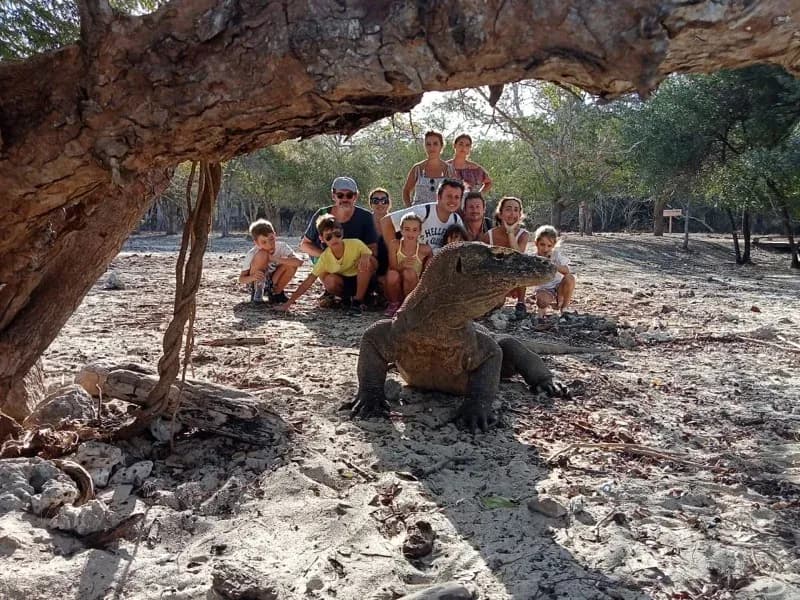
Đảo Komodo nổi tiếng với những chú thằn lằn khổng lồ, nhưng hồ sơ sốt rét tại đây lại khác biệt so với đất liền. Những vách đá vôi sừng sững và thảm thực vật thưa thớt của hòn đảo đồng nghĩa với việc ít nơi sinh sản của muỗi hơn. Hầu hết du khách chỉ qua đêm tại các khu nghỉ sinh thái (eco-lodge) hạn chế trên đảo, được xây dựng trên nền cao với cửa có lưới chắn và quạt để xua đuổi côn trùng.
Tuy nhiên, điểm lặn Manta Point (độ sâu 15‑30 m) nằm gần một đầm nước nông nơi rừng ngập mặn đôi khi mọc lên sau những cơn mưa lớn. Những khu vực này có thể ẩn chứa ấu trùng Anopheles. Nguy cơ vẫn ở mức biên giới, nhưng nếu bạn dự định đi bộ đường dài nhiều ngày qua mạng lưới đường mòn của Vườn Quốc gia Komodo, bạn sẽ dành buổi tối tại các trại dã ngoại nơi màn muỗi di động trở nên thiết yếu.
Mẹo thực tế: Hãy chuẩn bị một lớp lót túi ngủ nhẹ, chống côn trùng. Trong các chuyến khảo sát thực tế của mình, tôi nhận thấy rằng một chiếc lưới nylon 150 gam với kích thước lưới 1,2 mm có thể chặn được cả những con Anopheles nhỏ nhất mà không làm cồng kềnh hành lý.
Muỗi hoạt động mạnh nhất vào bình minh (05:00‑08:00) và hoàng hôn (18:00‑21:00). Tại Labuan Bajo, sương sớm bao phủ Batu Cermin (một vách đá vôi) mang theo hương kim loại thoang thoảng, báo hiệu sự trỗi dậy của đàn muỗi Culex. Ngược lại, gió buổi tối từ Pantai Waecicu mang theo hương hoa đại (frangipani) ngọt ngào, nhưng cũng kéo theo sự xuất hiện của muỗi Anopheles tìm kiếm máu.
Khi bạn ở trên du thuyền, boong tàu mở rộng có thể trở thành nam châm hút muỗi vào lúc hoàng hôn. Tôi luôn khuyên du khách bôi kem xua muỗi ít nhất 30 phút trước khi mặt trời lặn và giữ cửa cabin đóng kín.
Dưới đây là danh sách kiểm tra Hướng dẫn ngắn gọn kết hợp giữa lời khuyên y tế và hậu cần thực tế. Hãy làm theo từng bước trước khi bạn đặt chân lên tàu hoặc hòn đảo.
Tham khảo phòng khám y tế du lịch 4‑6 tuần trước khi khởi hành.
Mua kem xua côn trùng chất lượng cao.
Sở hữu một chiếc màn muỗi bền và quạt cầm tay.
Lên lịch bắt đầu uống thuốc dự phòng.
Đóng gói một bộ túi sơ cứu nhỏ.
Hỏi nhà khai thác tàu về các biện pháp trên tàu.
Theo dõi các cảnh báo sức khỏe địa phương.
Giữ cảnh giác trong suốt chuyến đi.
Có, sốt rét có mặt tại Flores, đặc biệt là ở các huyện nông thôn và vùng rừng. Nguy cơ cao nhất ở các vùng Larantuka và Bajawa, nơi hệ thống tưới tiêu nông nghiệp tạo ra nước tù đọng. Tuy nhiên, môi trường đô thị của Labuan Bajo giúp giữ nguy cơ ở mức thấp. Du khách dành hơn một tuần tại các ngôi làng nội địa nên cân nhắc uống thuốc dự phòng, đặc biệt là vào mùa mưa.
Hương muỗi và nến sả mang lại mùi hương dễ chịu—thường gợi nhớ đến mùi đàn hương hoặc sả—nhưng chúng không đủ làm biện pháp phòng thủ chính. Chúng có thể giảm các vết cấm phiền toái trên hiên nhà nhưng không bảo vệ chống lại muỗi Anopheles đốt trong nhà vào ban đêm. Hãy kết hợp chúng với kem xua muỗi chứa DEET và chiếc lưới chắn phù hợp để có sự bảo vệ toàn diện.
Nếu sốt xuất hiện trong vòng 30 ngày sau khi rời Indonesia, hãy liên hệ với bác sĩ và đề cập đến chuyến đi gần đây của bạn tại Labuan Bajo hoặc Komodo. Yêu cầu làm phết máu (blood smear) hoặc xét nghiệm chẩn đoán nhanh cho sốt rét. Chẩn đoán sớm và điều trị bằng liệu pháp kết hợp dựa trên artemisinin (ACT) là rất quan trọng.
Phụ nữ mang thai trong ba tháng đầu nên tránh dùng doxycycline; Malarone thường được coi là an toàn nhưng phải được bác sĩ kê đơn. Đối với trẻ dưới năm tuổi, liều lượng phải được điều chỉnh theo cân nặng và cần công thức thuốc nhi khoa của loại dự phòng đã chọn. Luôn thảo luận những vấn đề cụ thể này với chuyên gia y tế du lịch.
Bệnh viện Labuan Bajo cung cấp các dịch vụ điều trị nội trú cơ bản và có một phòng thí nghiệm khiêm tốn có khả năng thực hiện xét nghiệm nhanh sốt rét. Đối với các trường hợp nặng, bệnh nhân sẽ được chuyển bằng đường hàng không đến Kupang hoặc Makassar, nơi các bệnh viện lớn hơn có phòng thí nghiệm dịch vụ đầy đủ. Sự hiện diện của nhân viên biết nói tiếng Anh thay đổi tùy theo nơi, vì vậy nên mang theo một thẻ thông dịch y tế với các cụm từ chính.
Hãy tưởng tượng bước ra khỏi một khu nghỉ sinh thái khiêm tốn trên đảo Komodo sau một ngày lặn tại Pink Beach. Gió biển mang theo hương rong biển mặn mòi thoang thoảng, trong khi tiếng kêu xa xăm của loài Banggai (một loài chim đêm bản địa) xé toạc sự tĩnh lặng. Khi mặt trời lặn, bầu trời chuyển sang màu chàm thẫm, và những đốm sáng của đom đóm nhấp nháy như những ngôi sao xa xôi trên rìa rừng ngập mặn. Không khí bắt đầu nguội đi, và một mùi hương đất nồng nàn, ẩm ướt bốc lên từ mặt đất ướt—dấu hiệu không thể nhầm lẫn rằng muỗi có thể đang thức dậy. Bên trong cabin, tiếng vo ve nhẹ nhàng của quạt trần tạo ra một tiếng ồn trắng dịu dàng, lấn át tiếng vo ve khẽ khàng của một con Anopheles đơn độc đang tìm kiếm vật chủ. Với lớp xịt DEET bôi đúng cách và cửa sổ có lưới chắn, đêm hôm trở nên an toàn, cho phép bạn trôi vào giấc ngủ với âm thanh sóng vỗ rì rào vào bờ.
Dưới đây là hướng dẫn trực quan nhanh (dạng văn bản) hiển thị các vùng nguy cơ:
Những du khách chủ yếu ở trên mặt nước, nhảy đảo giữa Padar, Rinca và Kanawa, sẽ trải nghiệm môi trường nguy cơ thấp phần lớn thời gian. Những giờ ít ỏi dành trên đất liền nên được quản lý bằng các biện pháp phòng ngừa đã nêu trên.
Khi bạn liên hệ với công ty tàu du thuyền, hãy đặt câu hỏi một cách rõ ràng:
Những nhà khai thác trả lời tự tin và cung cấp chi tiết về các biện pháp phòng ngừa của họ thể hiện sự cam kết đối với sức khỏe của du khách. Những đơn vị tốt nhất, giống như những đơn vị được giới thiệu trên trang Charters Du thuyền Phinisi của chúng tôi, sẽ có các quy trình đã được tài liệu hóa và thậm chí có thể cung cấp một buổi hướng dẫn sức khỏe trước khi khởi hành ngắn gọn.
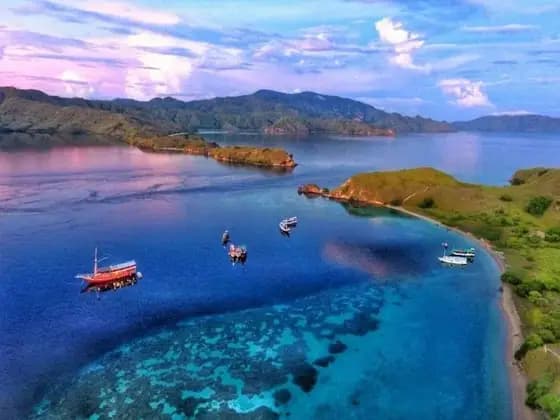
Vẻ quyến rũ của Labuan Bajo và Komodo là không thể chối từ—những vách đá vôi dựng đứng, những đầm nước trong vắt và những chú rồng Komodo huyền thoại. Mặc dù nguy cơ sốt rét tồn tại, nhưng nó hoàn toàn có thể kiểm soát được nếu có sự chuẩn bị kỹ lưỡng. Bằng cách làm theo các bước đã nêu, tham khảo ý kiến chuyên gia y tế có trình độ và chọn một nhà khai thác tàu uy tín, bạn có thể bảo vệ sức khỏe của mình mà không phải hy sinh những trải nghiệm ngoạn mục khiến vùng đất này trở thành điểm đến mơ ước.
Đã sẵn sàng khám phá vùng biển Flores với sự tự tin hoàn toàn? Hãy đặt chuyến phiêu lưu du thuyền Phinisi tiếp theo của bạn qua KomodoExplorer ngay hôm nay. Các thuyền trưởng giàu kinh nghiệm của chúng tôi am hiểu mọi ngóc ngách ẩn khuất, và chúng tôi sẽ đảm bảo chuyến đi của bạn bao gồm các hướng dẫn phòng ngừa sốt rét toàn diện, từ thuốc trước chuyến đi đến sự bảo vệ trên tàu. Nhấn vào đây để đặt chỗ tàu và bắt đầu hành trình an toàn, khó quên của bạn.