Skip to content
Komodo Explorer
الرئيسية

احصل على مسارك المخصص

خطط لرحلة أحلامك في كومودو في دقيقتين فقط. تحدث مع خبير السفر لدينا للحصول على مسار مخصص.

طلب عبر واتساب
واتساباتصل الآنمسنجرراسلنا عبر البريد

Komodo Explorer

اختبر قمة الرفاهية البحرية الإندونيسية مع أسطول فينيسي المميز لدينا

اتصل بنا

Headquarters

Jl. Mutiara, Labuan Bajo, East Nusa Tenggara

Bali Office

Jl. Kerta Dalem Sari IV, Denpasar, Bali
+62 851-9009-6797
info@komodoexplorer.com

روابط سريعة

  • الرئيسية
  • Private Charter Trip
  • Open / Share Trip
  • Day Cruise
  • Lombok - Komodo
  • Dive Cruise
  • Destinations
  • Travel Blog
  • Explore
  • Gallery
  • من نحن
  • Review Methodology
  • By the Numbers
  • Press
  • Safety Facts
  • FAQ
  • اتصل بنا
  • Site Map

الثقة والدفع

ASITA
Wonderful Indonesia

ASITA Member: 074/XIX/DPP/2022

شركاء الدفع الآمن

Visa Mastercard
Pay Now

Browse Our Fleet

Private Charter
  • abizar
  • al madira semi phinisi
  • alfatran phinisi
  • amalfi phinisi
  • arfisyana phinisi
  • athira boat
  • atimon
  • ayla boat
Open Trip
  • 3 island
  • adishree phinisi
  • ahsana
  • aimar phinisi
  • amalia phinisi
  • andalusia phinisi
Dive Cruise
  • andamari phinisi
  • cajoma v phinisi
  • cheng ho
  • fenides phinisi
  • kaia liveaboard
Day Cruise
  • east cruise fast boat
  • kaia explorer
  • komodo surga bahari
  • la sukha speed boat
  • mac cruise speed boat
Lombok - Komodo
  • arumi phinisi
  • eternity phinisi
  • lady grace phinisi
  • lwsk alfatran phinisi

Top Destinations

  • Bidadari Island
  • Kanawa Island
  • Kelor Island
  • Manjarite Snorkle Spot
  • Sebayur Island
  • Kalong Island
  • Labuan Bajo
  • Gili Lawa
  • Komodo Island
  • Manta Point
  • Padar Island
  • Pink Beach
  • Taka Makasar

© 2026 PT. Komodo Explorer Indonesia. جميع الحقوق محفوظة.

Privacy PolicyTerms & Conditions

Global Service Regions

  • Luxury Phinisi Charter EN
  • Luxury Phinisi Charter ID
  • Luxury Phinisi Charter ZH-CN
  • Luxury Phinisi Charter ZH-TW
  • Luxury Phinisi Charter JA
  • Luxury Phinisi Charter KO
  • Luxury Phinisi Charter MS
  • Luxury Phinisi Charter HI
  • Luxury Phinisi Charter RU
  • Luxury Phinisi Charter DE
  • Luxury Phinisi Charter FR
  • Luxury Phinisi Charter ES
  • Luxury Phinisi Charter IT
  • Luxury Phinisi Charter NL
  • Luxury Phinisi Charter PT-BR
  • Luxury Phinisi Charter AR
  • Luxury Phinisi Charter TH
  • Luxury Phinisi Charter VI
  • Luxury Phinisi Charter PL
  • Luxury Phinisi Charter TR
  • Luxury Phinisi Charter SV
  • Luxury Phinisi Charter DA
  • Luxury Phinisi Charter NO

Browse by Trip Duration

  • 2 Days 1 Night Komodo Charter
  • 2 Days 1 Night Komodo Dive Cruise
  • 3 Days 2 Nights Komodo Charter
  • 3 Days 2 Nights Komodo Open Trip
  • 3 Days 2 Nights Komodo Dive
  • 4 Days 3 Nights Lombok-Komodo
  • 4 Days 3 Nights Komodo Dive Cruise

Browse by Vessel Feature

  • Komodo Charter with Jacuzzi
  • Komodo Charter with Wi-Fi Onboard
  • Komodo Charter with Spa
  • Komodo Charter with Glass Bottom
  • Komodo Charter with Gym
  • Komodo Charter with Cinema

Browse by Marine Life

  • Komodo Charter Whale Shark Watching
  • Lombok-Komodo Whale Shark Cruise
  • Komodo Charter Dolphin Watching
  • Komodo Dive Cruise Dolphin Spotting
  • Beginner-Friendly Komodo Charter
  • Beginner-Friendly Dive Cruise
  • Advanced Diving Komodo Charter
  • Advanced Diving Cruise

Browse by Group Size

  • Komodo Charter for Two
  • Intimate Komodo Charter
  • Boutique Komodo Charter
  • Group Komodo Charter
  • Intimate Open Trip
  • Group Open Trip
  • Intimate Dive Cruise
  • Group Dive Cruise

Browse by Departure & Journey

  • Komodo Charter from Bali
  • Komodo Dive Cruise from Bali
  • Komodo Charter from Lombok
  • Lombok to Komodo Cruise
  • Komodo to Lombok Cruise
  • Wedding at Sea Komodo
  • Babymoon Komodo Cruise
  • Anniversary Komodo Charter
Komodo as a Film Location: Permits, Logistics & Scouts – The Ultimate Guide
Destination Guide

Komodo as a Film Location: Permits, Logistics & Scouts – The Ultimate Guide

  1. Home
  2. ›
  3. Journal
  4. ›
  5. Komodo as a Film Location: Permits, Logistics & Scouts – The Ultimate Guide
hosea-titi-sanjaya٢ يونيو ٢٠٢٦

Komodo as a Film Location: Permits, Logistics & Scouts

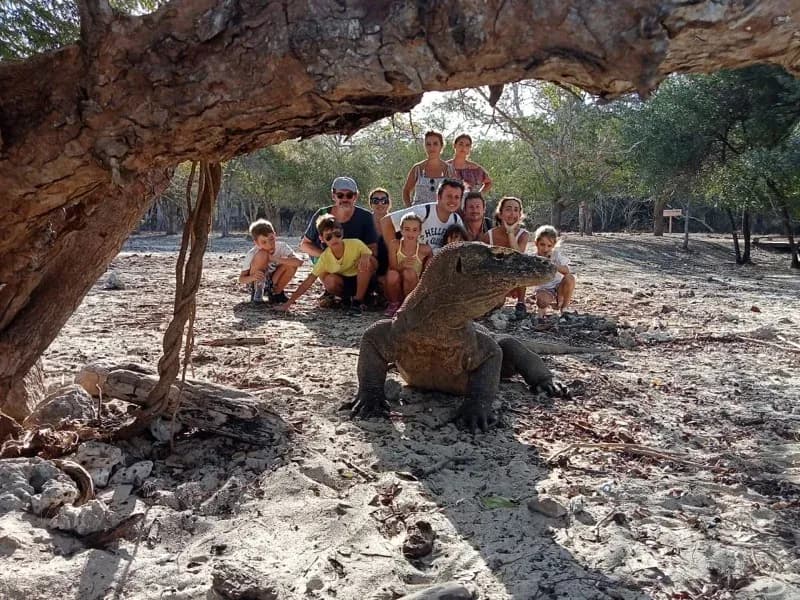
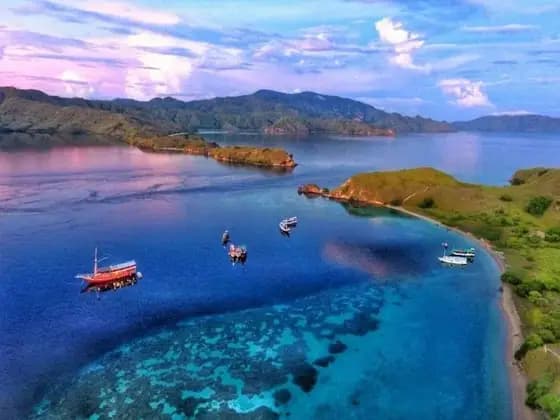
Komodo National Park offers unrivaled visual drama—towering cliffs, turquoise seas, and the iconic Komodo dragon. Filming here requires careful planning, from securing permits to coordinating Phinisi charter logistics. Below is the concise answer: you need a Komodo film location permit from the Ministry of Environment, a local production liaison, and a dedicated Phinisi charter that can transport crew, gear, and provide on‑water safety.


Key Facts

Item Details
Primary Permit Komodo Film Location Permit (issued by Ministry of Environment & Forestry)
Permit Cost USD 150 per day for a crew ≤ 15; USD 300 per day for larger teams
Application Lead Time Minimum 30 days; recommend 45 days for peak season
Best Filming Window Late April – early October (dry season, calm seas)
Typical Base Labuan Bajo (Bali – Komodo Phinisi charter hub)
Depth Range for Underwater Shots 5 m – 30 m; iconic sites: Batu Bolong (12 m), Manta Point (20 m)
Key Species Varanus komodoensis, Rhinopias frondosa (leaf scorpionfish), Manta birostris
Local Support Certified Dive Guides, Marine Biologists, and Licensed Boat Captains
Safety Requirement All crew must attend a pre‑shoot safety briefing (incl. shark protocol)

Why Komodo Stands Out for Filmmakers

Komodo’s rugged silhouette against the sunrise, the salty tang of the Flores Sea, and the low‑hum of distant waves create a sensory palette that few locations can match. The park’s UNESCO World Heritage status guarantees pristine environments, while the presence of the Komodo dragon adds a mythic element that instantly captures audience imagination. For a production that seeks authenticity, the park’s light quality—soft, golden at dawn, and crisp, high‑contrast at midday—offers a natural cinematic look that reduces reliance on artificial lighting.


1. Securing the Komodo Film Location Permit

1.1 Understand the Legal Framework

Indonesia’s film regulation is overseen by the Ministry of Environment & Forestry (MoEF) and the Ministry of Tourism. The Komodo film location permit is a subset of the broader “Protected Area Filming Permit.” This permit ensures that any activity does not disturb wildlife, especially the endangered Komodo dragon.

1.2 Step‑by‑Step Application Process

Step Action Tips
1 Draft a detailed Location Scouting Report (maps, GPS coordinates, species impacted). Include depth charts for underwater scenes; use Bathy‑Map from Komodo Dive Guide.
2 Submit the report to the Komodo National Park Authority (KNPA) via their online portal. Use a dedicated email address; keep subject line “Komodo Film Location Permit – Project Title”.
3 Pay the administrative fee (USD 150 / day). Request a receipt; it speeds up the approval.
4 Attend the mandatory environmental impact briefing (usually 1‑hour). Bring a copy of your insurance certificate; the briefing is recorded for compliance.
5 Receive the Permit Letter (PDF) and the Location Access Pass (physical card). The Access Pass must be displayed on every vessel entering the park.

Insider tip: Ask the KNPA officer for a “Seasonal Waiver” if you plan to film during the short rainy window (November‑December). The waiver can reduce the number of required days, but expect tighter crew limits.

1.3 Common Pitfalls

  • Late submission – the 30‑day window is strict; any delay can push filming into the monsoon season.
  • Incomplete species list – failing to list even minor fauna (e.g., reef fish) may trigger a request for additional environmental data.
  • Ignoring local customs – the park’s rangers appreciate a respectful tone; a brief greeting in Bahasa (“Selamat pagi”) goes a long way.

2. Logistics: From Labuan Bajo to the Shooting Sites

2.1 Choosing the Right Phinisi Charter

A Phinisi yacht is more than a transport vessel; it’s a floating production hub. Our fleet at KomodoExplorer offers:

  • Deck space for rigs up to 12 ft × 6 ft.
  • Generator capacity (5 kW) for lighting and audio gear.
  • Onboard galley for crew meals (fresh fish, coconut water).
  • Dedicated dive guide (certified PADI Master Diver) who can double as a safety officer.

When booking, ask the charter operator:

  • “What is the maximum load for equipment on the aft deck?”
  • “Do you provide freshwater for washing lenses?”
  • “Can you arrange a local marine biologist for on‑site advice?”

2.2 Sample Itinerary (7‑Day Shoot)

Day Location Activities Notes
1 Labuan Bajo Gear check, safety briefing, permit collection Sunrise shoot on the harbor – perfect for establishing shots.
2 Padar Island (08:00 – 12:00) Drone sweep, cliff‑side tracking shots Padar’s iconic “twin‑bay” vista shines at low‑angle light.
3 Komodo Island (early morning) Komodo dragon close‑up, ranger interview Use a long‑lens (400 mm); dragons are most active at dawn.
4 Batu Bolong (mid‑day) Underwater coral macro, fish schooling Depth 12 m; best light at 10 am with sun overhead.
5 Manta Point (afternoon) Manta ray gliding, slow‑motion backscatter Tidal flow peaks at 14:00; schedule for maximum manta activity.
6 Kanawa Island (sunset) Silhouette of cliffs, night‑time bioluminescence Bring a low‑noise underwater housing for night shots.
7 Labuan Bajo Wrap‑up, de‑brief, permit return Review footage on the Phinisi’s onboard monitor.

Pro tip: Align your shoot days with the lunar calendar; a waning crescent moon reduces ambient light for night‑time underwater shots.

2.3 Gear Transport & Protection

  • Waterproof cases (Pelican 1650) – essential for cameras and drones.
  • Desiccant packs – humidity in the tropics can fog lenses.
  • Portable solar charger – keep batteries topped up while at anchor.
  • Noise‑cancelling headphones – useful for monitoring audio on windy decks.

3. Scouting the Perfect Shot: How to Conduct a Location Scout

3.1 Pre‑Scout Research (HowTo)

  1. Map the GPS coordinates of each potential site using Google Earth.
  2. Cross‑reference with the Komodo Park’s official Protected Zone Map (available on the KNPA website).
  3. Identify tide tables for Labuan Bajo (download from BaliTide).
  4. Create a shot list with estimated exposure settings (e.g., f/2.8, ISO 200 for sunrise cliffs).
  5. Contact a local guide (via our Local Crew Services) to verify on‑site conditions.

3.2 On‑Site Scouting Checklist

  • Light quality: Observe the angle of the sun at your intended shooting hour; note any cloud cover patterns.
  • Soundscape: Record ambient noise (waves, bird calls). This informs post‑production sound design.
  • Wildlife activity: Spot the Komodo dragons’ feeding times (usually mid‑morning) and manta ray feeding currents (often at high tide).
  • Access routes: Confirm that your Phinisi can anchor safely (depth ≥ 10 m, seabed composition sand‑rock).
  • Safety hazards: Identify any sharp coral, strong currents, or steep drop‑offs.

Insider tip: Early‑morning scouting (05:00‑07:00) often reveals hidden bioluminescent plankton that can be captured for magical night‑time sequences.

3.3 Sample Scouting Report Excerpt

“Padar Island – GPS 8°30'12"S 119°24'45"E. Light at 06:45 is a soft amber, diffused by low clouds. Best shot: drone fly‑over at 120 m altitude, revealing the ‘V‑shaped’ bay. Wildlife: occasional Varanus komodoensis sightings near the western ridge; no marine life impact.”


4. Practical Insider Tips for a Smooth Production

  • Timing is everything: The dry season (April‑October) offers calm seas, but the early dry months (April‑May) have the clearest water for underwater shots.
  • Tide awareness: Most dive sites are best at slack tide (around high/low tide transitions). Use tide charts to schedule underwater rigs.
  • Local crew etiquette: Always greet the park rangers and the Phinisi captain with a respectful “Selamat siang.” A small token (e.g., locally sourced coffee) is appreciated.
  • Equipment redundancy: Bring a backup GoPro for stunt shots; the humid environment can cause unexpected failures.
  • Health precautions: Carry antimalarial tablets and a first‑aid kit; the remote islands have limited medical facilities.
  • Communication: Satellite phone (Iridium) is essential; the park’s VHF radio is limited to park staff.

Frequently Asked Questions (FAQ)

What permits are required to film in Komodo National Park?

You need a Komodo Film Location Permit from the Ministry of Environment & Forestry, plus a Marine Conservation Permit if you plan underwater filming. Both are issued through the Komodo National Park Authority and must be displayed on all vessels.

How much does a film permit cost?

The base fee is USD 150 per day for crews up to 15 people. Larger productions pay USD 300 per day. Additional fees apply for night shooting and for using drones over protected zones.

Can I fly a drone in Komodo National Park?

Yes, but only with a Drone Operation Permit attached to your film permit. Drones must stay below 120 m and within visual line of sight. No‑fly zones include nesting sites for sea turtles and the Komodo dragon breeding area.

Are there any restrictions on filming the Komodo dragons?

Filming is allowed only from a safe distance (minimum 30 m), and you must have a licensed ranger on set. The dragons are most active at dawn; avoid feeding them to prevent stress.

What is the best time of day for sunrise shots on Padar Island?

The optimal window is 06:30‑07:15 during the dry season, when the sun rises behind the western cliffs, casting a golden glow across the twin bays.

How do I arrange local crew and marine biologists?

Contact our Local Crew Services page (Local Crew Services). We can provide certified dive guides, marine biologists, and experienced production assistants familiar with park regulations.

Is there Wi‑Fi on the Phinisi charter?

Most of our Phinisi yachts are equipped with satellite internet (up to 15 Mbps). It’s ideal for uploading dailies to the cloud for remote review.

What safety measures are required for underwater filming?

All divers must be PADI Master Divers or equivalent, and a Safety Diver must be on standby. A pre‑dive safety briefing (including shark protocol) is mandatory for every dive.

Can I film at night in Komodo National Park?

Night filming is permitted with a Night‑Time Permit (additional USD 100 per night). You must use non‑intrusive lighting (soft LED) and avoid disturbing nocturnal wildlife.

How far in advance should I book a Phinisi charter for a film shoot?

We recommend booking at least 60 days ahead, especially for the high‑season (July‑August). This ensures crew availability and allows time for permit processing.


How to Plan a Film Production in Komodo: A Step‑by‑Step Checklist

  1. Concept Development – Define story, locations, and required shots.
  2. Budget Draft – Include permit fees, charter hire, crew salaries, and contingency (10%).
  3. Location Scouting – Conduct a pre‑production scout (see Section 3).
  4. Permit Application – Submit to KNPA with all required documentation.
  5. Charter Booking – Secure a Phinisi yacht that meets equipment load and crew capacity.
  6. Crew Assembly – Hire local guides, marine biologists, and safety divers.
  7. Equipment Procurement – Order waterproof housings, backup cameras, and solar chargers.
  8. Logistics Coordination – Arrange meals, fuel, and waste management (comply with park’s “Zero Plastic” policy).
  9. Safety & Environmental Briefing – Conduct with all crew before the first day on water.
  10. Production Execution – Follow the daily itinerary, capture B‑roll, and adhere to permit conditions.
  11. Post‑Production Review – Upload dailies via satellite, backup footage on multiple drives.
  12. Permit Closure – Return Access Pass, submit a post‑shoot environmental report to KNPA.

The Sensory Experience: What Filming Here Feels Like

Imagine stepping onto the deck of a sleek Phinisi at dawn. The air is a blend of salt‑kissed breeze and fragrant frangipani from nearby islands. As the sun lifts, a soft amber glow washes over the jagged limestone of Padar, while distant calls of the white‑bellied sea eagle echo across the water. Beneath the surface, the cool hush of the reef is punctuated by the gentle whoosh of manta rays gliding past, their wings reflecting sunlight like living stained glass. These sensory details translate directly into richer footage that engages audiences on a visceral level.


Choosing the Right Production Partner

At KomodoExplorer, we’ve facilitated over 120 film projects ranging from documentaries to commercial shoots. Our Phinisi captains are licensed by the Indonesian Maritime Authority, and our on‑board crew includes certified dive guides who double as safety officers. When you partner with us, you gain:

  • Dedicated Permit Liaison – We handle all paperwork, freeing you to focus on creative decisions.
  • Customizable Deck Layout – Move equipment to suit camera rigs, drone launch pads, or underwater housing stations.
  • Local Knowledge – Our guides know the exact feeding times of Manta birostris and the resting spots of Varanus komodoensis.
  • Sustainable Practices – We adhere to a “Leave No Trace” policy, ensuring the park remains pristine for future productions.

Environmental Responsibility: Filming with Respect

The Komodo film location is a living ecosystem. To protect it:

  • Never feed wildlife – This can alter natural behavior and attract predators.
  • Use biodegradable cleaning agents – For equipment washes, avoid harsh chemicals.
  • Minimize anchor damage – Deploy sea‑anchors or sacrificial moorings where possible.
  • Follow waste disposal guidelines – All waste must be taken back to Labuan Bajo for proper processing.

Our team conducts a post‑shoot environmental audit and submits a report to the park authorities, demonstrating compliance and fostering goodwill for future projects.


Frequently Asked Questions (Continued)

Can I bring my own production vehicle to the islands?

Vehicle access is limited to the main dock in Labuan Bajo. For island shoots, you’ll rely on Phinisi transport and small tender boats. Larger vehicles must be pre‑approved and are generally not permitted on protected islands.

What is the typical sea condition during the dry season?

Sea state is usually Calm (Beaufort 1‑2) with occasional swells up to 1 m. This provides stable platforms for camera rigs and drone launches.

Are there any local festivals that might affect filming schedules?

The Lombok Festival (July) can increase boat traffic around Labuan Bajo. Plan for potential traffic delays and secure early morning slots for priority locations.


Final Thoughts

Filming in Komodo is a rare privilege that blends dramatic landscapes, unique wildlife, and a deep sense of stewardship. By securing the right permits, partnering with an experienced Phinisi charter, and respecting the park’s ecological balance, you can capture footage that not only dazzles viewers but also honors the natural wonder of the Komodo film location.

Ready to turn your vision into reality? Book your Phinisi charter today and let our seasoned crew guide you through every step—from permit acquisition to the final cut. Visit our Film Production Services page, select the package that fits your schedule, and start planning the most unforgettable shoot of your career. The islands await—let’s make cinematic history together.

Back to Journal

More Articles

Komodo Tour Guide for Arabic-Speaking Visitors 2026 – Gulf & Middle East Travelers

٣ يونيو ٢٠٢٦

Komodo Tour Guide for Arabic-Speaking Visitors 2026 – Gulf & Middle East Travelers

Komodo Tour Guide for International Visitors 2026 – Russian Travelers Welcome

٣ يونيو ٢٠٢٦

Komodo Tour Guide for International Visitors 2026 – Russian Travelers Welcome