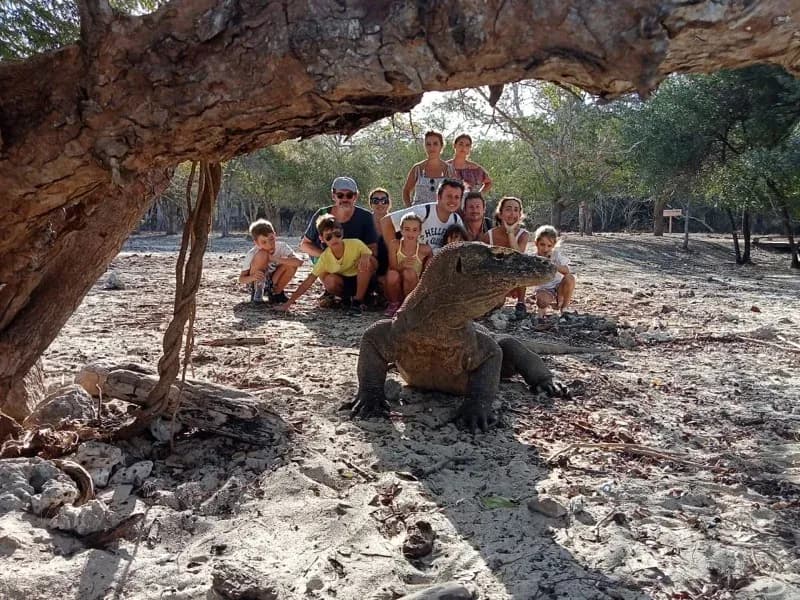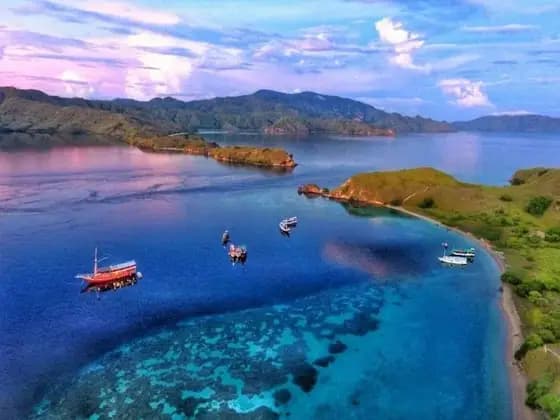

تتجاوز جولة كومودو لمراقبة الزواحف (Komodo Herping Tour) مجرد إلقاء نظرة عابرة على تنين كومودو الشهير؛ بل تغمرك في متحف حي للزواحف المستوطنة، من السحالي الصغيرة إلى الثعابين النادرة، وسط جمال نوسا تنجارا تيمور (Nusa Tenggara Timur) الصارخ. سواء كنت عالمًا في علم الزواحف (Herpetologist) مخضرمًا أو مسافرًا فضوليًا، يقدم هذا الدليل التفاصيل الحسية واللوجستية والعلمية التي تحتاجها لتعيش تجربة مراقبة الزواحف في كومودو في أبهى صورها.
| البند | التفاصيل |
|---|---|
| مدة الجولة | 3–5 أيام (مرنة) |
| قاعدة الانطلاق | لابوان باجو، مقاطعة ويست مانغاراي |
| أفضل موسم | أبريل – أكتوبر (الموسم الجاف) |
| العمق النموذجي | غير قابل للتطبيق – برية، لكن بعض الجولات تشمل الغوص لمراقبة السلاحف البحرية |
| الأنواع الرئيسية | Varanus komodoensis، Gekko gecko، Python timoriensis، Liasis amethystina، Crocodylus porosus (تمساح المياه المالحة) |
| المعدات الموصى بها | أحذية trekking خفيفة التنفس، قميص بأكمام طويلة خفيف الوزن، منظار، دفتر ميداني، مصباح UV |
| متوسط التكلفة | 1,200–2,500 دولار أمريكي للشخص الواحد (شامل تأجير الفينيسي، الدليل، التصاريح) |
| التصاريح المطلوبة | تصريح دخول حديقة كومودو الوطنية، تصريح مراقبة الحياة البرية (يتولاه مشغل التأجير) |
| ملاحظة السلامة | ابقَ دائمًا مع الدليل؛ يمكن للتنانين أن تعدو حتى 20 كم/س؛ احتفظ بمسافة آمنة لا تقل عن 10 أمتار |
توسع جولة مراقبة الزواحف في كومودو دائرة الضوء من تنين الجزيرة الأيقوني لتشمل مجتمع الزواحف بأكمله الذي يزدهر في سافانا الحديقة الوعرة، والغابات المانغروفية، والمنحدرات الساحلية. في حين تركز جولات مشاهدة التنانين غالبًا على جزيرة واحدة ومشاهدة واحدة، تنسج جولة مراقبة الزواحف عدة جزر—كومودو، رينكا، بادار، وجيلي لاوا الأقل شهرة—كل منها يوفر موائل وتجمعات أنواع مميزة. والنتيجة هي تقدير أغنى وأكثر دقة للتراث الزاحفي في إندونيسيا، وفرصة لممارسة مراقبة الحياة البرية بأخلاقية تحت إشراج خبراء محليين.
تعتبر حديقة كومودو الوطنية مختبرًا حيًا. ساهم عزل الجزيرة في تطور أكبر سحلية في العالم، Varanus komodoensis، لكن الحديقة توفر أيضًا مأوى لأكثر من 60 نوعًا من الزواحف—كثير منها مستوطن. إن فهم الأدوار البيئية لهذه الحيوانات يعمق التجربة:
يمكن ملاحظة هذه التفاعلات بشكل أفضل في الصباح الباكر وبعد الظهر المتأخر، عندما تكون درجات الحرارة معتدلة وتصل نشاط الحيوانات إلى ذروته.
اختر الموسم المناسب
يوفر الموسم الجاف (أبريل-أكتوبر) سماء صافية، ورطوبة أقل، وبحارًا هادئة—مثالية للمشي في البر والملاحظة البحرية. يجلب الموسم الممطر أمطارًا غزيرة، ومسارات زلقة، ورؤية محدودة، مما قد يقلل من رؤية الزواحف.
اختر مشغل تأجير ذو سمعة طيبة
ابحث عن المشغلين الذين يوفرون يخت فينيسي (Phinisi) مجهزًا بدليل متخصص في علم الزواحف. اسأل عن إجراءات تصريح مراقبة الحياة البرية الخاص بهم وما إذا كانوا يدعمون سياسة "عدم اللمس". من الأسئلة الجيدة: "كيف تضمن مسافات آمنة من التنانين؟" و"ما هي التدريات التي يمتلكها أدلتكم في تحديد الزواحف؟".
احجز الإقامة والمعدات
تتضمن معظم الرحلات المقصورات على متن السفينة، ولكن قد ترغب في قضاء ليلة في البر في eco-lodge على جزيرة رينكا لدوريات مراقبة التنانين في الصباح الباكر. احزم ملابس مسامية للرمال، قبعة عريضة الحواف، ومصباح UV للمسوحات الليلية.
جهز دفترك الميداني
سجل الأنواع، والسلوك، وإحداثيات GPS، والملاحظات البيئية (درجة الحرارة، الغطاء السحابي، الرياح). هذه البيانات قيمة للذاكرة الشخصية وتساهم في مشاريع علم المواطنين التي تديرها مؤسسة حفظ كومودو (Komodo Conservation Foundation).
نهج الترتيبات اللوجستية
تأكد من وصول الرحلات إلى مطار كومودو (LBJ)، ورتب النقل إلى ميناء لابوان باجو، وتحقق مرة أخرى من أن تأمين السفر الخاص بك يغطي لقاءات الحياة البرية. أحضر معك بنك طاقة محمول—فإمدادات الكهرباء في الجزر قد تكون متقطعة.
فيما يلي مخطط مرن يمكن تخصيصه لمغامرة مدتها 3 أو 5 أيام. صُممت جميع المسارات لتعظيم رؤية الزواحف مع احترام لوائح الحديقة.
| اليوم | القاعدة | الأنشطة الرئيسية | أبرز الزواحف |
|---|---|---|---|
| 1 | لابوان باجو | الصعود على متن الفينيسي، الإبحار إلى جزيرة كومودو (خليج رينكا). مشي عند الغروب على سلسلة سنجيجي (Senggigi Ridge). | جوقة الوزغ المسائية، أول ظل لتنين عند الغسق. |
| 2 | جزيرة كومودو | دورية تنين الفجر على الهضبة الغربية لجزيرة كومودو. مشي في المانغروف ظهرًا في جزيرة بادار. | سحالي المياه، تماسيح المياه المالحة، Gekko gecko. |
| 3 | جزيرة بادار | تسلق إلى نقطة مشاهدة "عين البحر" في بادار، ثم الغوص للسلاحف البحرية. | السلاحف البحرية، ثعابين الشعاب المرجانية (Laticauda spp.). |
| 4 | جيلي لاوا | التجديف بالكاياك عبر السهول المدية لجيلي لاوا، مسح ليلي بمصباح UV. | الوزغ الليلي، أنواع السحالي (Skinks)، الثعابين الليلية. |
| 5 | لابوان باجو | جلسة تلخيص، زيارة ثقافية اختيارية لقرية باجاوا، المغادرة. | الختام، تصوير التذكارات، إدخال البيانات النهائي. |
تكشف الجولة النموذجية عن طيف من الزواحف: تنين كومودو الأيقوني (Varanus komodoensis)، سحالي المياه (Varanus salvator)، أفاعي بيثون تيمور (Python timoriensis)، أفعى البورنيو الحفرة (Trimeresurus insularis)، عدة أنواع من الوزغ (Gekko gecko، Cyrtodactylus spp.)، السحالي البراقة (Sphenomorphus spp.)، و تماسيح المياه المالحة (Crocodylus porosus) الاعتيادية في قنوات المانغروف. يمكن ملاحظة السلاحف البحرية مثل السلاحف الخضراء (Chelonia mydas) و سلاحف المحار (Eretmochelys imbricata) أثناء رحلات الغوص (Snorkeling).
الصباح الباكر (05:00–08:00) وبعد الظهر المتأخر (16:00–19:00) هي نوافذ النشاط الذروة. تستهل التنانين الشمس خلال هذه الفترات، بينما يصبح العديد من الوزغ صاخبًا عند الغسق. تكشف المسوحات الليلية باستخدام مصباح UV عن ثعابين وسحالي مخفية تكون غير مرئية للعين المجردة خلاف ذلك.
السلامة هي الأهم. يمكن للتنانين الركض حتى 20 كم/س ولديها قوة عضة هائلة. يحافظ الأدلة على مساحة 10 أمتار كحد أدنى، ويستخدمون عدسات تكبير بعيدة المدى، ويحتفظون بـ حقيبة إسعافات أولية على متن السفينة. لا تقترب من تنين بمفردك أبدًا، واتبع دائمًا إشارات الدليل. تمنع قاعدة الحديقة "عدم الإطعام" تعويد الحيوانات وتقلل السلوك العدواني.
نعم. يجب على جميع الزائرين الحصول على تصريح دخول حديقة كومودو الوطنية (150,000 روبية إندونيسية للشخص) و تصريح مراقبة الحياة البرية (250,000 روبية إندونيسية للمجموعة). يتولى مشغلو التأجير ذوو السمعة الطيبة الأوراق؛ اطلب منهم توفير نسخ قبل المغادرة.
بالتأكيد. يصمم العديد من المشغلين جداول زمنية هجينة تشمل السباحة مع الأسماك في الشاطيء الوردي (Pink Beach) في جزيرة كومودو و الغوص مع التيار في باتو بولونج (Batu Bolong). يتيح لك ذلك مراقبة الزواحف البحرية جنبًا إلى جنب مع الأنواع البرية، مما يثري التجربة العامة.
اسأل عن سياسات الحفظ لدى المشغل، مؤهلات الدليل، و حدود حجم المجموعة. المشغلون المثاليون يحدون المجموعات إلى ≤ 12 مشاركًا، ويوفرون إحاطات ما قبل الجولة حول آداب الحياة البرية، ويساهمون بجزء من الرسوم في منظمات الحفظ المحلية مثل مؤسسة حفظ كومودو.
تخيل أن تطأ قدمك الهضبة الحجرية الجيرية المتشققة في جزيرة كومودو عند شروق الشمس. الهواء بارد، يحمل رائحة خفيفة من الأعشاب البحرية الجافة و التربة الدافئة. مع ارتفاع الشمس، يضيء المشهد بلون عنبري، وتسمع الهمهمة المنخفضة البعيدة لـ زفير عميق لتنين—صوت يشبه أمواجًا بعيدة تتحطم ضد الصخور. الأرض تحت أحذيتك هي فسيفساء من شقوق ممتلئة بالرمل و عشب متناثر، وكل خطوة تطلق عطرًا خفيًا ل الشجيرات العطرية الجافة.
في الداخل، تقدم غابة المانغروف في بادار مقطوعة صوتية متباينة: صفير الرفرافات، حفيف أوراق المانغروف، والرشفة العرضية لـ تمساح مياه مالحة يطفو للاستحمام. رائحة الماء تشبه الملح وطحالب الشمس الدافئة، بينما يشعر الهواء بالرطوبة، ملتصقًا ببشرتك. مع حلول الليل، تمتلئ الظلامة بجوقة من نقرات الوزغ، يتخللها أحيانًا صفير ثعبان ليلي يضيئه مصباح UV الخاص بك.
هذه التفاصيل الحسية ليست شعرية فحسب—إنها إشارات حاسمة لتحديد الزواحف الخفية. قد يحمل التغير المفاجئ في اتجاه الريح رائحة فريسة طازجة، مما يدفع تنينًا للتحقيق. قد يشير الوميض الحراري فوق صخرة إلى زاحف يستحم، بينما يشير الحفيف الناعم لنشارة الأوراق غالبًا إلى حركة سحلية براقة.
كل مشاهدة تسجلها تساهم في قاعدة بيانات متزايدة يستخدمها الباحثون لمراقبة اتجاهات السكان و صحة الموائل. عندما تحترم قاعدة الـ 10 أمتار، و تتجنب إطعام الحياة البرية، و تبقى على المسارات المخصصة، فإنك تساعد في الحفاظ على التوازن الدقيق لأنظمة كومودو البيئية. فكر في التبرع بجزء من تكلفة رحلتك لـ مشاريع الحفظ المحلية—يطابق العديد من المشغلين مساهمات الضيوف، مما يضاعف التأثير.
هل أنت مستعد لتبادل السياحة العادية لتجربة غامرة لمراقبة الزواحف؟ قم بزيارة صفحة جولة مراقبة الزواحف في كومودو لاستكشاف جداول زمنية مخصصة، ومقارنة خيارات التأجير، وحجز التواريخ المفضلة لديك. سيقوم فريقنا من الأدلة المخضرمين بصياغة مغامرة شخصية لك، مما يضمن لك مواجهة أكثر الزواحف سرية في الجزيرة مع الإبحار براحة على متن يخت فينيسي (Phinisi) كلاسيكي.
احجز الآن واجعل همس السافانا، وحفيف أوراق المانغروف، وزئير تنين كومودو المنخفض هو الموسيقى التصويرية لرحلتك القادمة التي لا تُنسى.
اكتشف المزيد: