موسم شعاع المانتا في كومودو: متى وأين يمكنك رؤيته؟
يمتد موسم شعاع المانتا في كومودو من شهر أكتوبر وحتى أبريل، لتصل المشاهدات إلى ذروتها بين ديسمبر وفبراير. خلال هذه الأشهر، تجلب التيارات الدافئة تجمعات كبيرة من Manta birostris و Manta alfredi إلى الخلجان المحمية في منتزه كومودو الوطني، حيث تتغذى على الهائمات (البلانكتون) تحت وهج شروق الشمس الناعم. إن التوقيت المناسب للغوص، مقترناً بطاقم خبير على متن قارب Phinisi، يمكن أن يكافئك بمشاهدة هذه العمالقة الوديعة وهي تسبح بضعة أمتار فقط فوق رأسك.
حقائق أساسية
| البند |
التفاصيل |
| الموسم |
أكتوبر – أبريل (الذروة: ديسمبر‑فبراير) |
| أفضل المواقع |
Manta Point (Batu Bolong)، Manta Bay (لومبوك)، Manta Ridge (كومودو) |
| العمق النموذجي |
12 – 30 م (40 – 100 قدم) |
| درجة حرارة الماء |
27 – 30 م (81 – 86 ف) |
| الرؤية |
15 – 30 م (50 – 100 قدم) |
| التيار |
متوسط إلى قوي؛ راقب جداول المد والجزر |
| الأنواع |
Manta birostris (العملاق)، Manta alfredi (الشعاب المرجانية) |
| التصريح |
مطلوب؛ ترتيبه عبر مشغل الرحلات |
| المعدات الموصى بها |
عدسة زاوية عريضة، واقي شمس آمن للشعاب المرجانية، جهاز كمبيوتر للغوص مع إنذار العمق |
لماذا يعتبر كومودو مغناطيساً لأسماك المانتا
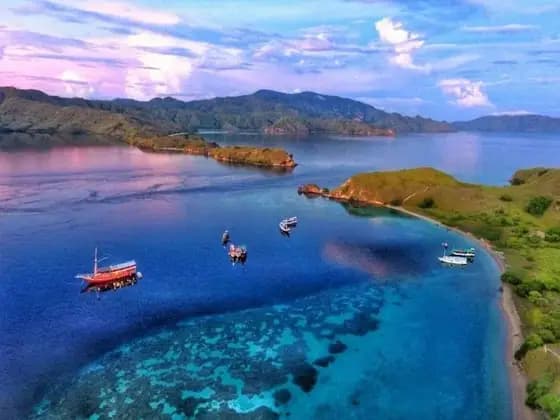
يقع منتزه كومودو الوطني عند التقاء تيار إندونيسيا المحيطي (Indonesian Throughflow) ومجمع الماء الدافئ في المحيط الهادئ. يخلق هذا التقاطع المحيطي عموداً غنياً بالمغذيات يزدهر كل ربيع، مما يجذب الكائنات العملاقة التي تتغذى على الهائمات. تشكل صخور الحجر الجيري في المنتزه وخليجه المحمي "ممرات تغذية" طبيعية تسبح فيها أسماك المانتا بحثاً عن مأكولتها المجهريّة. الماء دافئ، والضوء صافٍ، والتيارات متوقعة بما يكفي لتمكين طاقم Phinisi المحترف من positioning القارب للحصول على أفضل المشاهدات دون المساس بالسلامة.
ما زالت لقائي الأول مع شعاع المانتا العملاق في Manta Point في أوائل يناير 2023 يرن في ذاكرتي: رائحة الأعشاب البحرية المالحة الخافتة، نداء قرش المرج البعيد، والظل المفاجئ والأنيق لشعاع باتساع جناحيه يبلغ 5 أمتار يسبح تحت السطح مباشرة. تلك اللحظة، التي التقطتها بعدسة زاوية عريضة، هي السبب الذي يدفعني الآن لنصح كل عميل بتخطيط رحلته حول موسم شعاع المانتا في كومودو.
متى تغوص: أفضل وقت لمقابلة المانتا
1. النافذة الموسمية (أكتوبر – أبريل)
- أكتوبر–نوفمبر – بداية الموسم؛ تبدأ الهائمات في الازدياد، وتبدأ أسماك المانتا في الوصول. قوارب الغوص أقل، والبحار أكثر هدوءاً.
- ديسمبر–فبراير – الموسم الذروي. تصل درجة حرارة الماء إلى قمتها، وتكون ازدهارات الهائمات في أقوى حالاتها، وتتجمع أسماك المانتا بأعداد كبيرة. توقع رؤية 3‑5 أسماك مانتا في الغوص الواحد في الأيام الجيدة.
- مارس–أبريل – نهاية الموسم؛ تبدأ التيارات في التحول، لكن لا تزال أسماك المانتا مرئية، خاصة في القنوات العميقة.
2. وقت اليوم
- شروق الشمس (06:00‑08:00) – ترتفع الهائمات مع أول ضوء، وتتغذى أسماك المانتا بالقرب من السطح. الماء هادئ، والوهج الصباحي الناعم يوفر فرصاً رائعة للتصوير.
- منتصف النهار (11:00‑13:00) – الضوء في أقصى قوته؛ غالباً ما تصل الرؤية إلى ذروتها، لكن قد تسبح أسماك المانتا في أعماق أعمق لتجنب الاضطراب السطحي.
- أواخر بعد الظهر (16:00‑18:00) – تظهر نافذة تغذية ثانوية مع هبوط الهائمات. قد تضعف التيارات، مما يسهل positioning القارب.
3. الاعتبارات المدية
- المد الداخل (Flood) – يجلب الهائمات الطازجة إلى الخلجان؛ من المرجح رؤية أسماك المانتا بالقرب من السطح.
- المد الخارج (Ebb) – قد يدفع أسماك المانتا خارج مناطق التغذية الضحلة؛ خطط للغوص حول فترة المد للحصول على أعلى معدل للمقابلات.
نصيحة خبير: اطلب من مشغل الرحلات أوقات المد بالضبط في Manta Point و Manta Bay؛ فغالباً ما سيقومون بتعديل الجدول الزمني على الطاير لملاحقة أفضل ظروف التغذية.
أين يمكنك رؤية المانتا في منتزه كومودو الوطني
Manta Point – Batu Bolong (غرب كومودو)
- الموقع: 8°30′S 119°30′E، على بعد 2 كم من الساحل الغربي لجزيرة كومودو.
- العمق: 12‑20 م (40‑65 قدم).
- المشاهدات النموذجية: 2‑4 أسماك مانتا في الغوص الواحد؛ أحياناً Manta birostris (باتساع جناحيه يصل إلى 7 م).
- لماذا يعمل: يقع النقطة عند مصدر قناة ضيقة حيث يتسارع التيار، موجهاً الهائمات إلى "ممر تغذية" طبيعي.
Manta Bay – لومبوك (جنوب غرب لومبوك)
- الموقع: 8°45′S 116°30′E، بالقرب من قرية Sekotong.
- العمق: 15‑30 م (50‑100 قدم).
- المشاهدات النموذجية: 3‑5 أسماك مانتا؛ تجمعات متكررة للسردين والأنشوفة التي تجذب الأسماك الشعاعية.
- لماذا يعمل: الخليج محمي بجدار مرجاني يخلق حوضاً هادئاً، مثالاً لتراكم الهائمات أثناء المد.
Manta Ridge – كومودو (شمال وسط)
- الموقع: 8°20′S 119°45′E، حافة مغمورة على بعد 5 كم شمال Labuan Bajo.
- العمق: 20‑35 م (65‑115 قدم).
- المشاهدات النموذجية: 1‑2 أسماك مانتا؛ غالباً ما تصحبها أسماك قرش المرج والسلاحف.
- لماذا يعمل: تخلق الحافة صعوداً للمياه (Upwelling) يجلب المغذيات من الأعماق إلى السطح، مما يجذب أسماك المانتا التي تفضل المياه الأكثر برودة قليلاً.
تنقل داخلي: للمزيد من المعلومات حول كل موقع، اطلع على أدلة مواقع الغوص التفصيلية لدينا: تقرير غوص Manta Point، نظرة عامة على Manta Bay في لومبوك، و استكشاف Manta Ridge.
كيفية رصد شعاع المانتا: دليل خطوة بخطوة
- تحقق من توقعات الهائمات – توفر مواقع مثل OceanicData خرائط يومية للكلوروفيل. ابحث عن تركيزات عالية بالقرب من الساحل.
- اسأل القبطان عن المشاهدات الأخيرة – سيكون الربان المتمرس على دراية بالإحداثيات الدقيقة التي شوهدت فيها أسماك المانتا آخر مرة.
- ضع القارب عند حافة تيار التغذية – هذا يسمح للغواصين بالانجراف بهدوء في مسار أسماك المانتا دون إخافتها.
- ادخل الماء بهدوء – الدخول السلس يقلل من الاضطراب السطحي؛ أسماك المانتا حساسة للظلال المفاجئة.
- حافظ على طفو محايد عند عمق 12‑20 م – يتوافق هذا العمق مع طبقة الهائمات. استخدم إنذار عمق مضبوط على 25 م لتجنب النزول بعمق كبير.
- راقب عمود الماء – ابحث عن تموج فضي خافت أو تأثير "ظل فوق ظل" يسببه جناح شعاع المانتا.
- تقرب باحترام – حافظ على مسافة أدنى 3 م (10 قدم) وتجنب الحركات المفاجئة.
- التقط اللحظة – استخدم عدسة زاوية عريضة، وسرعة غالق سريعة (1/1000 ثانية)، وفلتر كثافة محايدة لإدارة ضوء السطح الساطع.
نصائح عملية من الداخل
- احجز رحلة Phinisi مبكراً. تمتلئ أفضل القوارب قبل أشهر، خاصة لفترة أفضل وقت لرؤية شعاع المانتا في كومودو.
- اطلب جدولاً "مركزاً على المانتا" – يقدم العديد من المشغلين يوماً مخصصاً للمانتا، positioning القارب عند ممر التغذية طوال الصباح.
- احضر حقيبة جافة لمعدات الكاميرا – يمكن أن تتآكل العدسات بسبب رذاذ الملح خلال ساعات. تحافظ الحقيبة المقاومة للماء على سلامة المعدات.
- استخدم واقي شمس آمن للشعاب المرجانية – المواد الكيميائية قد تردع الهائمات، مما يقلل من نشاط المانتا.
- احمل علم غوص خفيف عالي الرؤية – يُشير إلى طاقم القارب أنك في الماء، وهو أمر ضروري عندما تكون التيارات قوية.
- اطلب "إحاطة مدية" – معرفة وقت المد بالضبط تساعدك في تخطيط بداية ونهاية الغوص.
أسئلة لطرحها على المشغل:
- "ما هي آخر مشاهدة لشعاع المانتا لديكم في Manta Point؟"
- "هل لديكم طاقم مخصص لمراقبة المانتا على متن القارب؟"
- "هل يمكنكم تعديل الجدول إذا تحول المد بشكل غير متوقع؟"
الأسئلة الشائعة
متى يبلغ موسم شعاع المانتا في كومودو ذروته؟
تتراوح الذروة من ديسمبر إلى فبراير، عندما تكون ازدهارات الهائمات في أقوى حالاتها وتتجمع أسماك المانتا بأعداد كبيرة.
ما هي أنواع أسماك المانتا التي يمكنني توقع رؤيتها؟
يتردد كلاهما شعاع المانتا العملاق (Manta birostris) و شعاع المانتا المرجاني (Manta alfredi) في المنتزه. شعاع المانتا العملاق أكثر ندرة ويمكن أن يصل اتساع جناحيه إلى 7 م.
هل أحتاج إلى تصريح خاص للغوص لمشاهدة المانتا؟
نعم. يجب أن تمتلك جميع مشغلي الغوص في منتزه كومودو الوطني تصريح الحفاظ على الحياة البحرية. تشمل رسوم الرحلة هذا الرسم، ويتولى المشغل إجراءات الأوراق نيابة عنك.
ما هو عمق لقاءات المانتا النموذجية؟
تحدث معظم المشاهدات بين 12 – 30 م (40 – 100 قدم)، اعتماداً على الموقع ووقت اليوم.
هل يمكنني رؤية المانتا من السطح بدون غوص؟
المشاهدات السطحية ممكنة خلال مد الصباح المبكر، لكن ال snorkeling أو الغوص يزيد بشكل كبير من فرص اللقاء عن قرب.
ما هو أفضل وقت من اليوم لرؤية المانتا؟
شروق الشمس (06:00‑08:00) هو الأكثر موثوقية، يليه نافذة أواخر بعد الظهر (16:00‑18:00) عندما تهبط الهائمات.
هل هناك أي مخاطر مرتبطة بلقاءات المانتا؟
أسماك المانتا كائنات مرشحة (filter feeders) ودودية. المخاطر الأساسية تكمن في السيطرة الضعيفة على الطفو، مما قد يزعجها. حافظ دائماً على مسافة احترام واتبع تعليمات مرشد الغوص.
كيف تخطط لرحلتك المركزة على المانتا
- اختر تواريخ سفرك – استهدف منتصف ديسمبر إلى أوائل فبراير للحصول على ذروة المشاهدات.
- اختر رحلة Phinisi ذات سمعة طيبة – ابحث عن المشغلين الذين لديهم طاقم مخصص لمراقبة المانتا وتقييمات إيجابية على KomodoExplorer.
- تأكد من شمول التصريح – تأكد من أن رسوم الرحلة تغطي تصريح المنتزه البحري الإلزامي.
- احجز إقامة في Labuan Bajo – أقم في نزل يطل على الشعاب المرجانية للوصول السهل إلى القوارب في الصباح الباكر.
- جهز معداتك الأساسية – ضمّن كاميرا بعدسة زاوية عريضة، وواقي شمس آمن للشعاب المرجانية، وحقيبة جافة.
- رتب إحاطة ما قبل الغوص – ناقش جداول المد، وتوقعات الهائمات، وبروتوكولات السلامة مع مرشد الغوص الخاص بك.
- استمتع بالغوص – اتبع الدليل خطوة بخطوة أعلاه، ودع أسماك المانتا تفاجئك.
التجربة الحسية: ما يشعر به الغوص مع المانتا
تخيل همسة البحر الهادئة أثناء انزلاق القارب عبر تيار دافئ، و ضوء الشمس يتسرب عبر الماء مثل العسل الذهبي، و رائحة المياه المالحة الخفيفة التي تملأ الهواء عند صعودك للسطح. تحتك، يكون الماء تركوازياً حريرياً، ويس companion كل ركلة همس منخفض التردد—صوت الشعاب المرجانية البعيد. عندما يسبح شعاع المانتا فوقك، تخلق ضربات جناحيه الضخمة موجة ضغط لطيفة، شعور يشبه جناح طائر كبير يمر مباشرة فوق رأسك. التجربة مذللة ومثيرة في آن واحد، تذكير بعظمة المحيط.
ملاحظة الحفاظ على البيئة
محظيات شعاع المانتا في كومودو محمية بموجب القانون الإندونيسي. تفرض المنطقة المحمية البحرية (MPA) قيوداً على الصيد وتلزم بآداب صارمة للغوص. من خلال اختيار رحلة مسؤولة تلتزم بإرشادات المنتزه، تساهم بشكل مباشر في الحفاظ على هذه المخلوقات الرائعة. تذكر: لا تترك أي أثر، لا تطعم أسماك المانتا، و حافظ على مسافة آمنة في جميع الأوقات.
هل أنت مستعد لمطاردة العمالقة؟
إذا كنت مستعداً لشهادة موسم شعاع المانتا في كومودو في أبهى صوره، دع KomodoExplorer يصمم رحلة Phinisi الخاصة بك. طاقمنا الخبير يعرف كل تيار، ومد، ونقطة تغذية، مما يضمن لك أعلى احتمالية لمقابلة المانتا. احجز مغامرتك المركزة على المانتا اليوم وأبحر لغوص لا يُنسى في منتزه كومودو الوطني.
احجز رحلتك الآن ودع عمالقة المحيط الودياء يرحبون بك.