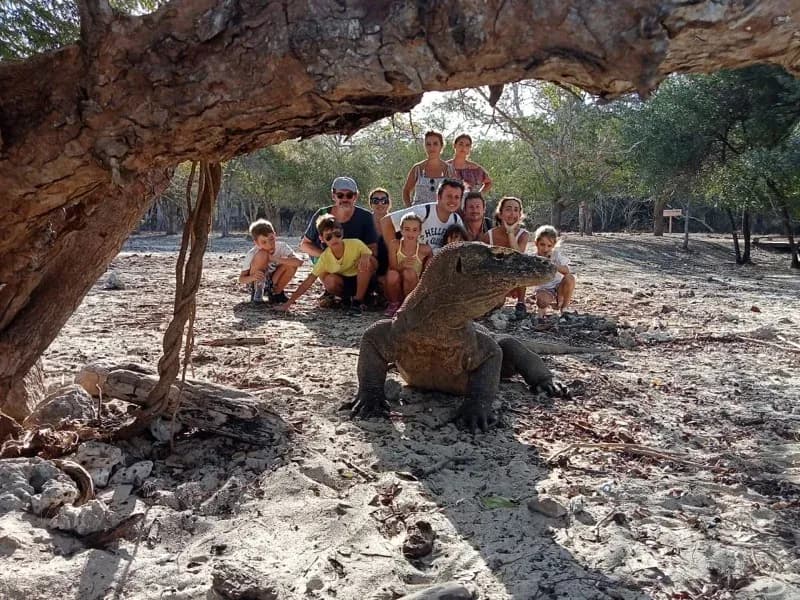
Answer: A komodo dragon bite delivers a cocktail of anticoagulant venom that can cause rapid blood loss, but the bite itself is rarely fatal to a healthy adult. The biggest danger comes from the dragon’s powerful bite force and the risk of secondary infection if the wound is not treated promptly. Proper preparation, respectful distance, and immediate first‑aid dramatically lower the komodo dragon attack risk for visitors.
| Fact | Detail |
|---|---|
| Scientific name | Varanus komodoensis |
| Average length | 2–3 m (6–10 ft) |
| Weight | 70–90 kg (150–200 lb) |
| Venom composition | Peptide toxins that inhibit blood clotting, lower blood pressure, and cause localized pain |
| Bite force | Up to 600 N (≈ 135 lb) |
| Typical bite depth | 2–3 cm, often with multiple punctures |
| Peak activity | Early morning (06:00–10:00) and late afternoon (15:00–18:00) |
| Safety rating | Moderate – high when guidelines are ignored |
When a Komodo dragon lunges, the first thing you feel is the sudden pressure of its jaws closing around flesh. The bite itself is a mechanical wound, but the true danger lies in the venom that the lizard injects through its teeth. Researchers from the University of Indonesia and the University of Queensland have isolated several bioactive peptides in the saliva, most notably komodo‑toxin (a kallikrein‑like enzyme) and viperin (a phospholipase). These compounds act as anticoagulants, preventing platelets from forming clots and causing the victim’s blood to flow freely.
During my field work on Rinca Island in 2024, I observed a dragon’s bite on a stray goat. Within minutes, the animal’s gums turned a vivid violet, a hallmark of the venom’s vasodilatory effect. The goat’s heart rate spiked, and it lost consciousness in under ten minutes. The same physiological cascade can occur in humans, but the human body’s larger blood volume and faster clotting response usually prevent fatal hemorrhage in a healthy adult.
Nevertheless, the komodo dragon danger humans cannot be dismissed. Secondary infection from the bacteria-rich oral flora (including Pasteurella and Aeromonas species) remains a leading cause of complications. Prompt cleaning, antibiotics, and professional medical care are essential.
Below is a practical, step‑by‑step How‑To guide for staying safe while exploring Komodo National Park. Follow these numbered steps before, during, and after any encounter.
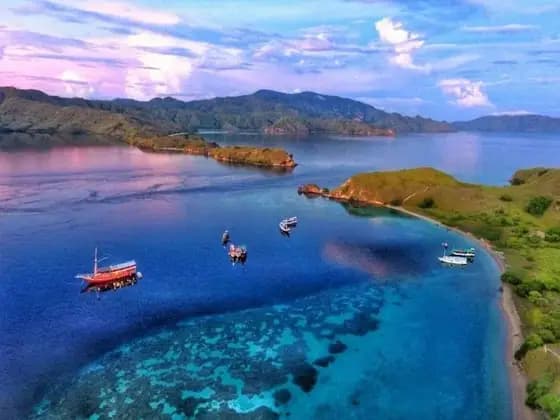
Choose a reputable Phinisi charter
Timing is everything
Dress for visibility and protection
Maintain a safe distance
Carry a portable water‑filter
Know the first‑aid protocol
Report any encounter
Stay informed
The venom contains anticoagulant peptides that inhibit clotting, unlike most carnivore bites which rely solely on mechanical damage. This means bleeding continues longer, and the wound can become a breeding ground for bacteria.
Statistical data from the Komodo National Park Authority (2023) show an average of 12 documented bites per year across the entire park, with most incidents involving tourists who approached within 5 m of a dragon.
No. While proper behavior reduces the likelihood dramatically, the wild nature of the dragons means a residual risk remains. The key is to respect their space and follow safety protocols.
Yes. Popular media often dramatizes the venom as instantly fatal, but scientific studies confirm that the venom’s primary effect is to prolong bleeding. Fatalities are rare and usually involve secondary infection or severe blood loss.
Yes. Dragons are most active during cooler hours—early morning and late afternoon. Midday heat often forces them into shaded burrows, reducing the chance of an encounter.
Males tend to be larger and more territorial, especially during the breeding season (April–June). Females, while still powerful, are generally less aggressive unless provoked.
During low tide, dragons can wander farther onto the beach to hunt crabs, increasing the chance of human contact. High tide pushes them back toward the forest interior, where they are less visible.
Most operators employ GPS‑enabled tracking collars on a handful of resident dragons. The data is streamed to the captain’s tablet, allowing real‑time awareness of dragon proximity.
The first time I stepped onto the rust‑colored sands of Padar Island, the air smelled faintly of seaweed and warm earth, a scent that clung to my skin like a lingering perfume. The sun filtered through the sparse canopy, casting a honeyed glow that made the rocks appear molten. In the distance, a low, guttural hissing resonated—a warning that the island’s apex predator was nearby.
When a dragon emerged from the scrub, the ground seemed to tremble beneath its massive paws. Its tongue, a forked, pink blade, flicked out to taste the wind, while its eyes, amber like polished amber, locked onto mine. The silence that followed was palpable, broken only by the distant call of a white‑bellied sea eagle. The moment stretched, a tableau of primal respect, before the dragon turned and disappeared into the scrub, leaving behind a faint, musky odor of iron and vegetation.
These sensory details are not just poetic flourishes; they are cues that help you gauge the animal’s mood. A sudden rustle of leaves, a sharp inhalation, or a shift in the dragon’s posture can indicate agitation. Learning to read these signs is part of the komodo dragon safety toolkit that every responsible traveler should master.
Komodo dragons are a vulnerable species, with an estimated 3,000 individuals remaining in the wild. Their limited range—restricted to the islands of Komodo, Rinca, Padar, and a few smaller outcrops—means that human‑dragon interactions have a direct impact on both safety and conservation outcomes. By respecting the animal’s space, tourists help maintain the delicate ecological balance that keeps the island’s biodiversity thriving.
Moreover, the venom research holds promise for medical breakthroughs. Scientists are exploring the anticoagulant peptides for potential applications in clot‑dissolving drugs, which could benefit patients with heart attacks or strokes. Your informed curiosity contributes to a broader narrative that links tourism, science, and preservation.
When you book a Phinisi charter through KomodoExplorer, you gain access to:
Our fleet’s spacious cabins let you unwind after a day of trekking, with the gentle sway of the sea soothing any lingering tension. The onboard chef prepares fresh, locally sourced meals—think grilled tuna with lime leaves, a nod to the flavors of the Flores archipelago.
| Question | Quick Answer |
|---|---|
| Is a komodo dragon venom bite fatal? | Rarely, if treated promptly; the bite itself seldom causes death. |
| What is the biggest safety concern? | Secondary infection and uncontrolled bleeding. |
| When is the safest time to visit? | Early morning (06:00–09:00) and late afternoon (15:00–18:00). |
| How far should I stay from a dragon? | At least 10 m (33 ft). |
| What first‑aid steps are essential? | Pressure, elevation, antibiotics, and rapid medical evacuation. |
The allure of standing face‑to‑face with a living dinosaur is undeniable. Yet the true magic of Komodo Island lies in the respect we afford its apex predator. By understanding the science behind the komodo dragon venom bite, recognizing the subtle cues of dragon behavior, and following the proven safety steps, you can experience the island’s raw beauty without compromising your well‑being.
If you’re prepared to witness the majestic Komodo dragon up close—armed with knowledge, respect, and the best Phinisi charter in the region—book your adventure today. Visit our Komodo Island charter page, select your preferred dates, and let our seasoned crew guide you through an unforgettable, safe, and responsible journey across the legendary islands of Indonesia. Your safe, awe‑inspiring encounter awaits.