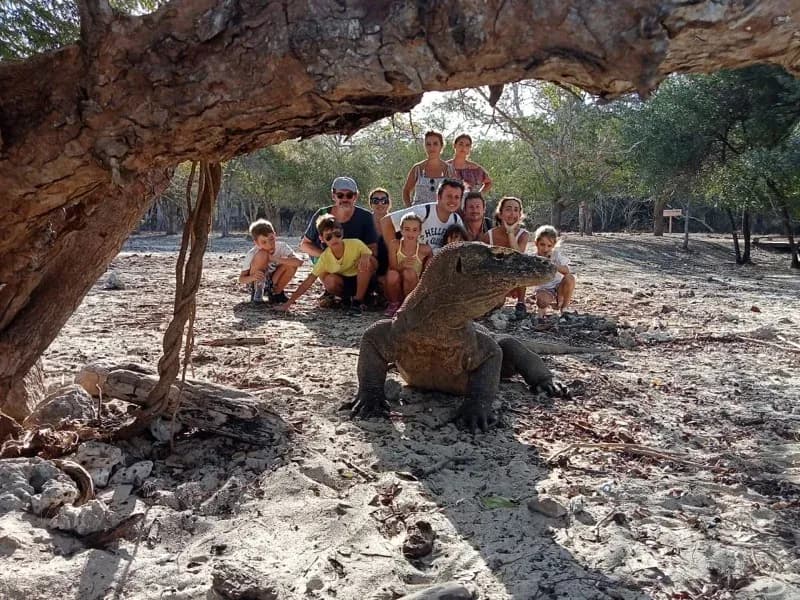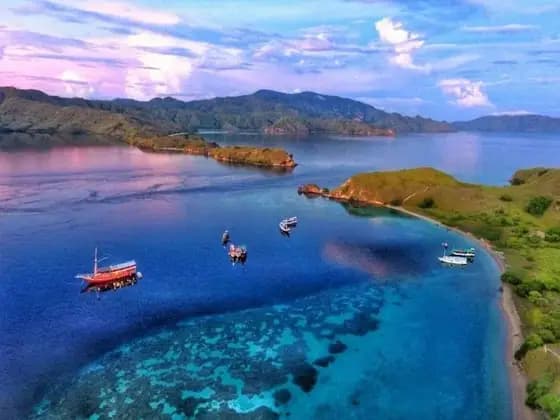

結論: 伝説のコモドドラゴン、透き通るダイビングスポット、そして穏やかな海風を満喫できる絶好のシーズンは、4月下旬から10月上旬です。この期間、海は穏やかで視認性は20mを超え、降雨確率も20%以下に低下します。2026年にコモドを訪れるなら、この時期がベストです。
| 項目 | データ |
|---|---|
| ベストな時期 | 4月下旬 – 10月上旬 |
| 平均海水温 | 27 °C – 30 °C |
| 風の傾向 | 5–15ノット(南東〜南西) |
| 雨季のピーク | 12月 – 2月 |
| 最高のダイビング視認性 | 20 m – 30 m |
| 人気ダイビングスポット | Batu Bolong (30m), Manta Point (25m), Castle Rock (18m) |
| 注目の野生生物 | Varanus komodoensis, Manta birostris, Humphead wrasse, pygmy seahorse |
プロのアドバイス: Labuan Bajoから漂う早朝の海風は、潮の香りを含んだマングローブの微かな匂いを運んできます。リーフへ向かう前の、デッキでの日の出ヨガに最適なひとときです。
フィニシ(Phinisi)船は、風、潮、波のリズムと共に生きる船です。**komodo weather monthly(コモドの月別天気)**の傾向を理解することで、以下のような計画が可能になります。
以下は、気温、降雨量、風、海洋状況を月別にまとめた簡潔なガイドです。すべての数値は、インドネシア気象気候庁(BMKG)のデータと、私自身12年間にわたる海況観測ログに基づいています。
期待できること: モンスーンが湿気を含んだ霧のベールをLabuan Bajoに投げかけます。Rinca島の崖に止まる**Javan hawk‑eagle(ジャワワシ)の鳴き声に、遠くの雷の音が混じることがよくあります。Batu Bolongなどのダイビングスポットへのアクセスは難しくなりますが、プランクトンの増殖により、巨大なBumphead parrotfish(バンプヘッドパロットフィッシュ)**の群れが集まります。
プロのアドバイス: もし1月に旅行せざるを得ない場合は、チャーター業者に「エンジン航行のみ」のプランをリクエストし、陸上の野生動物観察に重点を置きましょう。船長に「夜は風を避けるためにマングローブのラグーンに停泊できますか?」と尋ねてみてください。
おすすめのアクティビティ: 雲が広がる前に、**Komodo Dragon Viewing Platform(コモドドラゴン展望台)へ向けた早朝の短いハイキング。海はドリフトダイブには荒れすぎていますが、避難地帯にあるPink Beach(ピンクビーチ)**でのシュノーケリングはまだ楽しめるかもしれません。
確認事項: 「スコール時に停泊できる避難湾はありますか?」
3月が隠れた名所である理由: 雨が収まり、風は船体を圧迫することなく帆を膨らませる安定した貿易風へと落ち着きます。水深25mにあるManta BayのManta Pointでは、午後早い時間に**Manta birostris(オニイトマキエイ)**のクリーニングステーションが見られることがよくあります。
プロのアドバイス: 15日の夜にナイトダイブを予約してください。新月は、船体の周りで発光するプランクトンが輝くための暗いキャンバスを提供します。
ダイビングのピークコンディション: 水は温かく、潮の流れは穏やかです。Komodo weather guide(コモド天気ガイド)では、Batu Bolong、Castle Rock、Manta Pointを巡るフルデイダイビングツアーに4月の第1週をおすすめしています。
クルーに尋ねてみよう: 「Padar島の崖が明るく照らされるのを見るために、日の出セーリングをスケジュールに入れられますか?」
フォトグラフィーに最適な月: 光は柔らかく、海は鏡のようになります。象徴的な**Komodo dragon(コモドドラゴン)**は、風がほとんど聞こえない午前中の時間帯に、Komodo Islandの日で温められた岩の上でよく日浴をしています。
プロのアドバイス: 水面の反射をカットし、**Papua reef fish(パプアの reef fish)**の鮮やかな赤を捉えるために、偏光フィルターを持参しましょう。
6月が「ゴールデンマンス」と呼ばれる理由: 貿易風が最も弱くなり、Manta Pointでアンカーを下ろしてのナイトダイブに最適な時期です。水温は安定しており、**Humphead wrasse(ナミハタタラミ)**が夜にリーフをパトロールするのを促します。
チャーター会社に確認しよう: 「Padar島の南側でナイトダイブをするための、サンゴに優しいアンカースポットはありますか?」
ロングハイルセーリングに理想的: 穏やかな海により、フィニシはエンジンを使わずに最大12時間航行することができます。**Komodo weather monthly(コモド月別天気)**データによると、快晴の確率は95%に達し、デッキでの星空観賞に最適です。
プロのアドバイス: 20日の満月の夜のナイトダイブをスケジュールに入れましょう。月明かりの下で、ソフトコーラルに生息する**pygmy seahorse(ピグミーシーホース)**の群生が素晴らしい光景を見せてくれます。
海洋生物のハイライト: 8月は、Lombokのリーフフラットにおける**Giant clams(オオシャコガイ、Tridacna gigas)の産卵のピークです。ダイバーは、豊富な海草を餌にするturtles(ウミガメ、Chelonia mydas)**によく遭遇します。
船長に尋ねてみよう: 「太陽が表面を温める前にウミガメを見るために、07:00のモーニングダイブを設定できますか?」
9月もまだ素晴らしい理由: 風が少し強くなり、安全性を損なうことなくドリフトダイブを盛り上げる穏やかなうねりを作り出します。Komodo weather guide(コモド天気ガイド)では、あまり知られていないSenggigiのダイビングスポットを探索するために、月中旬のチャーターをおすすめしています。
プロのアドバイス: 軽いレインジャケットを用意してください。にわか雨は短いですが、デッキでの暑い一日後にリフレッシュしてくれることでしょう。
文化的エクスカーションに最適: 涼しい空気により、Labuan Bajoの市場の散策がより快適になります。海はまだPink Beachへの短いシュノーケリングツアーには穏やかで、晩夏の太陽の下で砂のピンク色が輝きます。
クルーに尋ねてみよう: 「Flores島の**Kelimutu crater lakes(クリムツ火山湖)**への日帰り旅行のために、日の出セーリングをスケジュールできますか?」
イチナリーの調整: 11月の風は強く、エンジンアシストセーリングが必要になるほどです。ダイビングスポットはあまり当てにならなくなりますが、**Komodo weather monthly(コモド月別天気)**のパターンでは、10日〜15日頃に風が数日間穏やかになる「ウィンドウ」が示されています。
プロのアドバイス: このウィンドウを利用して、ダイビングよりもむしろSumbawaへの文化的クルーズに充てましょう。
旅行アドバイス: 悪天候に慣れた経験豊富なクルーでない限り、12月のフィニシセーリングは避けるのが賢明です。Komodo weather guide(コモド天気ガイド)では、Labuan Bajoに滞在し、陸上ツアーでKelimutu lakesを探索することをおすすめしています。
オペレーターに確認しよう: 「モンスーン期間中に陸上のみのパッケージは提供していますか?」
**komodo weather monthly(コモド月別天気)**チャートは明確な区分を示しています:1月〜3月は雨が多く風が強い雨季;4月〜10月は海が穏やかで湿度が低く、視認性も優れる乾季;11月〜12月は雨と風が増え、再び雨季へと移行する期間です。
5月、6月、7月は、風が最小(3‑9ノット)、海況が1m以下、視認性が30mを超えることが多いため、ダイビングのトップ3として常にランク付けされています。
Batu Bolongは半日周潮(1日に2回の満潮と2回の干潮)を経験します。ベストなダイビングタイミングは、プランクトンの濃度が上がり、Manta birostrisなどの回遊性魚類を引き寄せる**上げ潮(フラッド)**の時です。最適なコンディションのためには、満潮の1〜2時間後にダイビングを計画してください。
技術的には可能ですが、ほとんどのチャーターゲストにはお勧めしません。**Komodo weather guide(コモド天気ガイド)**では、悪天候に慣れたクルーと、強化されたリギングを装備した船舶がない限り、モンスーンを避けることをおすすめしています。
軽量で速乾性のあるシャツ、UV保護機能付きの水着、つばの広い帽子、そして早朝用の薄いウィンドブレーカー。日の出前のデッキでは、特に6月や7月に海風が冷たく感じることがあります。