Skip to content
Komodo Explorer
ホーム

カスタム旅程を取得

わずか2分で夢のコモド旅行を計画。トラベルエキスパートとチャットしてパーソナライズされた旅程を取得。

WhatsAppでリクエスト
WhatsApp今すぐ電話メッセンジャーメールで連絡

Komodo Explorer

プレミアムPhinisiフリートでインドネシア海洋ラグジュアリーの頂点を体験

お問い合わせ

Headquarters

Jl. Mutiara, Labuan Bajo, East Nusa Tenggara

Bali Office

Jl. Kerta Dalem Sari IV, Denpasar, Bali
+62 851-9009-6797
info@komodoexplorer.com

クイックリンク

  • ホーム
  • Private Charter Trip
  • Open / Share Trip
  • Day Cruise
  • Lombok - Komodo
  • Dive Cruise
  • Destinations
  • Travel Blog
  • Explore
  • Gallery
  • 私たちについて
  • Review Methodology
  • By the Numbers
  • Press
  • Safety Facts
  • FAQ
  • お問い合わせ
  • Site Map

信頼&決済

ASITA
Wonderful Indonesia

ASITA Member: 074/XIX/DPP/2022

安全な決済パートナー

Visa Mastercard
Pay Now

Browse Our Fleet

Private Charter
  • abizar
  • al madira semi phinisi
  • alfatran phinisi
  • amalfi phinisi
  • arfisyana phinisi
  • athira boat
  • atimon
  • ayla boat
Open Trip
  • 3 island
  • adishree phinisi
  • ahsana
  • aimar phinisi
  • amalia phinisi
  • andalusia phinisi
Dive Cruise
  • andamari phinisi
  • cajoma v phinisi
  • cheng ho
  • fenides phinisi
  • kaia liveaboard
Day Cruise
  • east cruise fast boat
  • kaia explorer
  • komodo surga bahari
  • la sukha speed boat
  • mac cruise speed boat
Lombok - Komodo
  • arumi phinisi
  • eternity phinisi
  • lady grace phinisi
  • lwsk alfatran phinisi

Top Destinations

  • Bidadari Island
  • Kanawa Island
  • Kelor Island
  • Manjarite Snorkle Spot
  • Sebayur Island
  • Kalong Island
  • Labuan Bajo
  • Gili Lawa
  • Komodo Island
  • Manta Point
  • Padar Island
  • Pink Beach
  • Taka Makasar

© 2026 PT. Komodo Explorer Indonesia. 全権所有。

Privacy PolicyTerms & Conditions

Global Service Regions

  • Luxury Phinisi Charter EN
  • Luxury Phinisi Charter ID
  • Luxury Phinisi Charter ZH-CN
  • Luxury Phinisi Charter ZH-TW
  • Luxury Phinisi Charter JA
  • Luxury Phinisi Charter KO
  • Luxury Phinisi Charter MS
  • Luxury Phinisi Charter HI
  • Luxury Phinisi Charter RU
  • Luxury Phinisi Charter DE
  • Luxury Phinisi Charter FR
  • Luxury Phinisi Charter ES
  • Luxury Phinisi Charter IT
  • Luxury Phinisi Charter NL
  • Luxury Phinisi Charter PT-BR
  • Luxury Phinisi Charter AR
  • Luxury Phinisi Charter TH
  • Luxury Phinisi Charter VI
  • Luxury Phinisi Charter PL
  • Luxury Phinisi Charter TR
  • Luxury Phinisi Charter SV
  • Luxury Phinisi Charter DA
  • Luxury Phinisi Charter NO

Browse by Trip Duration

  • 2 Days 1 Night Komodo Charter
  • 2 Days 1 Night Komodo Dive Cruise
  • 3 Days 2 Nights Komodo Charter
  • 3 Days 2 Nights Komodo Open Trip
  • 3 Days 2 Nights Komodo Dive
  • 4 Days 3 Nights Lombok-Komodo
  • 4 Days 3 Nights Komodo Dive Cruise

Browse by Vessel Feature

  • Komodo Charter with Jacuzzi
  • Komodo Charter with Wi-Fi Onboard
  • Komodo Charter with Spa
  • Komodo Charter with Glass Bottom
  • Komodo Charter with Gym
  • Komodo Charter with Cinema

Browse by Marine Life

  • Komodo Charter Whale Shark Watching
  • Lombok-Komodo Whale Shark Cruise
  • Komodo Charter Dolphin Watching
  • Komodo Dive Cruise Dolphin Spotting
  • Beginner-Friendly Komodo Charter
  • Beginner-Friendly Dive Cruise
  • Advanced Diving Komodo Charter
  • Advanced Diving Cruise

Browse by Group Size

  • Komodo Charter for Two
  • Intimate Komodo Charter
  • Boutique Komodo Charter
  • Group Komodo Charter
  • Intimate Open Trip
  • Group Open Trip
  • Intimate Dive Cruise
  • Group Dive Cruise

Browse by Departure & Journey

  • Komodo Charter from Bali
  • Komodo Dive Cruise from Bali
  • Komodo Charter from Lombok
  • Lombok to Komodo Cruise
  • Komodo to Lombok Cruise
  • Wedding at Sea Komodo
  • Babymoon Komodo Cruise
  • Anniversary Komodo Charter
Wildlife in Komodo National Park Beyond the Dragon – A Complete Guide
Destination Guide

Wildlife in Komodo National Park Beyond the Dragon – A Complete Guide

  1. Home
  2. ›
  3. Journal
  4. ›
  5. Wildlife in Komodo National Park Beyond the Dragon – A Complete Guide
hosea-titi-sanjaya2026年6月2日

Wildlife in Komodo National Park Beyond the Dragon

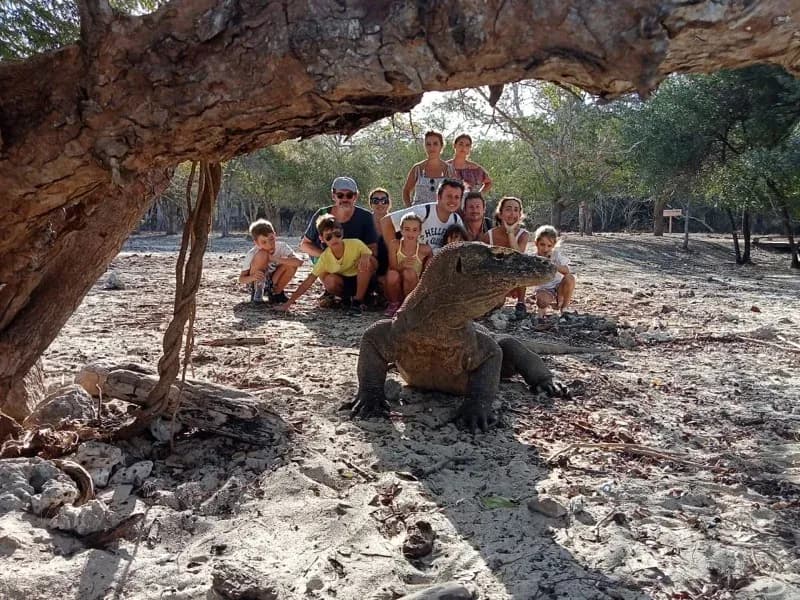
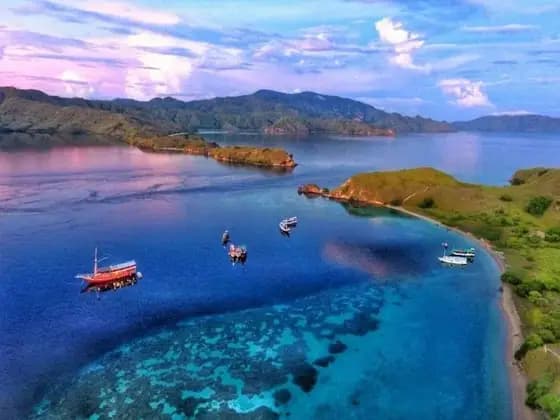
Komodo National Park is home to a rich tapestry of wildlife beyond the iconic Komodo dragon, including over 300 bird species, vibrant reef fish, and elusive mammals that thrive on the islands’ rugged terrain. Visitors who venture beyond the famous lizards will discover a biodiversity hotspot where the scent of salty sea air mixes with the earthy perfume of dry savanna, and where sunrise over pink‑hued cliffs awakens a chorus of endemic birds.

Key Facts

Item Detail
Park Area 1,817 km² (land + sea)
Main Islands Komodo, Rinca, Padar, Flores (northern tip)
Marine Depths 0–1,500 m; iconic dive sites 10–30 m
Bird Species 332 recorded, 20+ endemics
Mammals 12 native, including Timor deer and wild boar
Best Visiting Months April–October (dry season)
Typical Tide Range 1.2–2.0 m; low tide reveals hidden reefs
Entry Point Labuan Bajo (Flores)
Conservation Status UNESCO World Heritage Site (1991)

Table of Contents

  1. Why the Park’s Wildlife Matters
  2. Birdwatching Hotspots
  3. Marine Marvels: Reef Fish & Invertebrates
  4. Mammals & Reptiles (Beyond Dragons)
  5. [Seasonal Patterns & Tidal Tips]
  6. [How to Plan a Wildlife‑Focused Charter]
  7. [FAQ]

Why the Park’s Wildlife Matters

Komodo National Park is often reduced to a single image: a massive, prehistoric lizard prowling a dusty plain. That snapshot, while iconic, eclipses a complex ecosystem that supports wildlife komodo beyond dragons. The islands sit at the convergence of the Asian and Australasian biogeographic realms, creating a unique mix of flora and fauna that cannot be found elsewhere. From the soaring flight of the orange‑breasted sunbird (Nectariniidae) to the subtle flicker of a reef manta (Manta alfredi) gliding over coral gardens, each encounter tells a story of adaptation, survival, and the delicate balance of island life.

My years as a dive guide and land ranger for KomodoExplorer have taught me that the most rewarding moments happen when you listen to the park’s quieter voices: the rustle of a Timor deer (Cervus timorensis) in the early morning, the distant call of a black‑crowned night heron at dusk, or the muted crackle of a coral reef as a tide recedes. Below, I share the places, species, and insider knowledge that will help you experience the park’s full wildlife palette.


Birdwatching Hotspots

1. Komodo Island – Panjang Ridge

Altitude: 735 m
Best Time: Early sunrise (05:30–07:00) during the dry season.

The ridge offers a panoramic view of the savanna and a chance to spot the endemic Komodo imperial pigeon (Ducula basilica), whose iridescent plumage flashes against the sunrise sky. Bring a pair of binoculars with a 10× magnification and a field guide; the birds here are often perched high on acacia branches, making visual identification a rewarding challenge.

Insider tip: Ask your charter captain to anchor near Tanjung Bunga at low tide; the exposed sandbars attract sandpipers and plovers that are otherwise hidden during high tide.

2. Rinca Island – Rinca Forest Trail

Depth: 2 km of shaded trail through secondary forest.
Key Species: Rinca leaf warbler (Phylloscopus rinca), Javan kingfisher (Alcedo albonotata).

The forest trail winds through a mosaic of dry deciduous forest and scrub, where the air smells of damp earth and eucalyptus. Dawn chorus here is a symphony of cicadas, whistling drongos, and the occasional call of the white‑crowned pigeon. Walk slowly, and you’ll hear the subtle footfall of the Timor deer moving through the underbrush.

Practical tip: Carry a lightweight rain jacket. Even in the dry season, sudden cloudbursts can damp the forest floor, and the birds become more active during brief showers.

3. Padar Island – Cliff‑Side Lookouts

Elevation: 800 m cliffs.
Birds: Orange‑breasted sunbird, Buru racket‑tail (Prioniturus montanus).

Padar’s dramatic limestone cliffs create micro‑climates that attract a variety of nectar‑feeding birds. The scent of wild thyme and sagebrush wafts up from the cliffs, inviting pollinators. Position yourself on the western lookout at mid‑afternoon; the sun will illuminate the birds’ bright colors, making photography easier.

Operator question: “Do you have a guide who knows the exact points where the sunbird feeds on Helichrysum blossoms?” A knowledgeable guide can save you a trek across the island for a fleeting sighting.


Marine Marvels: Reef Fish & Invertebrates

4. Manta Point (Komodo Island, 10 m depth)

Depth: 10–25 m
Signature Species: Manta birostris (giant manta), Clownfish (Amphiprion percula), Giant trevally (Caranx ignobilis).

Manta Point is a world‑renowned dive site where currents bring plankton that attract giant mantas each morning. The water here is a crystal‑clear turquoise, and the sunlight penetrates to a depth of about 20 m, creating a dappled effect reminiscent of a forest canopy. As you descend, the smell of salty sea water mixes with a faint metallic scent from the reef’s limestone.

Insider tip: Dive at first light, just after the tide turns from ebb to flow. The incoming tide creates a “plankton surge” that draws mantas within 30 seconds of your arrival. Ask your dive operator, “What is the typical plankton window on a new moon?” The answer will guide you to the most productive days.

5. Batu Bolong (Padar Island, 20 m depth)

Depth: 15–30 m
Key Species: Hawksbill turtle (Eretmochelys imbricata), Bumphead parrotfish (Bolbometopon muricatum), Coral trout (Plectropomus leopardus).

Batu Bolong’s steep walls host a thriving coral garden where soft corals sway like underwater meadows. The light at this depth is a warm amber, and the water temperature hovers around 27 °C. The gentle hum of distant boat engines is the only surface sound you’ll hear, allowing the reef’s own chorus of clicks and whistles to dominate.

Practical tip: Bring a reef‑safe sunscreen (zinc‑free) and a pair of reef‑compatible gloves. The reef’s delicate structures can be damaged by careless handling, and many operators will provide a brief “reef etiquette” briefing before you enter the water.

6. Kelimutu (Flores, near‑shore reef)

Depth: 5–15 m
Species: Blue‑spotted stingray, Pygmy seahorse (Hippocampus bargibanti), Moorish idol (Zanclus cornutus).

Although not within the park’s boundaries, Kelimutu’s near‑shore reef is a convenient stop for charter boats heading out to Komodo. The reef’s shallow lagoons are teeming with colorful macro life, perfect for macro photography. The water here is often a bright emerald, reflecting the volcanic hills that rise behind the shoreline.

Operator question: “Do you provide macro lenses for underwater photography?” Many charter companies partner with local photographers who can loan equipment for a day.


Mammals & Reptiles (Beyond Dragons)

7. Timor Deer (Cervus timorensis) – Rinca & Komodo

Habitat: Open grasslands and scrub at 200–500 m elevation.
Behavior: Crepuscular grazers, often seen in small herds of 3–7 individuals.

The Timor deer is a shy, yet surprisingly abundant mammal that grazes on the park’s sparse grasses. Early mornings bring a faint scent of fresh grass mixed with the earthy aroma of dry leaves. If you walk quietly along the Puncak Sari trail on Rinca, you’ll often hear the soft rustle of deer moving through the undergrowth before you spot them.

Insider tip: Carry a pair of binoculars with a 12× zoom and a quiet, low‑profile camera. Deer are easily spooked by sudden movements, but a slow approach gives you a chance for a clean shot.

8. Wild Boar (Sus scrofa) – Komodo Island

Habitat: Forested foothills and scrubland near the coast.
Seasonality: More active during the wet season (November–March) when food is plentiful.

Wild boars forage for roots, tubers, and fallen fruit. Their presence is signaled by the occasional grunt and the unmistakable smell of damp earth and mud. While they are not aggressive, it’s wise to keep a respectful distance, especially if you encounter a sow with piglets.

Practical tip: When hiking, keep your food sealed and stored in a waterproof bag. Boars have a keen sense of smell and will investigate any open food containers.

9. Endemic Reptiles – Lesser Known Species

  • Komodo Wolf Snake (Lycodon capucinus) – nocturnal, found under rock crevices.
  • Banded Sea Krait (Laticauda colubrina) – often seen swimming near the surface at night, its black and white bands flashing under moonlight.
  • Flying Dragon (Draco volans) – glides between trees, using a thin membrane stretched between its ribs.

These reptiles are less conspicuous than the dragons but add depth to the park’s herpetological diversity. Spotting them requires patience and a keen eye for subtle movement. Night walks with a headlamp set to a low intensity can reveal the shimmering scales of a sea krait as it hunts small fish.

Operator question: “Do you offer night‑walk guides familiar with the park’s lesser‑known reptiles?” A knowledgeable guide can point out a sleeping dragon’s shadow or a krait’s silhouette before it disappears.


Seasonal Patterns & Tidal Tips

Season Weather Wildlife Highlights Tidal Influence
Dry (Apr–Oct) Clear skies, 28–32 °C Peak bird breeding, manta sightings Low tide reveals hidden reef ledges
Wet (Nov–Mar) Frequent showers, 26–30 °C Increased boar activity, amphibian calls Higher tides, stronger currents
  • Morning Light: The soft, golden light of early sunrise (around 06:00) enhances the colors of both birds and reef fish, making photography easier.
  • Mid‑day Heat: Temperatures can climb above 35 °C on the islands; schedule land treks for early morning or late afternoon to avoid heat stress.
  • Evening Dusk: The scent of cooling earth and sea breeze draws nocturnal creatures such as the Banded Sea Krait and the Komodo Wolf Snake to the surface.

Insider tip: The best time to see the orange‑breasted sunbird feeding on nectar is just after a light rain, when the flowers open fully. Ask your charter crew, “When was the last rain on Komodo Island?” and plan your birdwatching accordingly.


How to Plan a Wildlife‑Focused Charter

  1. Choose the Right Operator
    Look for charter companies that specialize in wildlife tours, not just diving. Ask: “Do you have a naturalist guide on board?” and “Can you customize the itinerary for birdwatching and land trekking?”

  2. Set Your Priorities

    • Birds: Allocate at least two mornings for land visits on Komodo and Rinca.
    • Marine Life: Book dives at Manta Point (early morning) and Batu Bolong (mid‑afternoon).
    • Mammals & Reptiles: Schedule a half‑day trek on the Puncak Sari trail.
  3. Pack Smart

    • Gear: Binoculars (12×), waterproof field guide, reef‑safe sunscreen, lightweight rain jacket, and a headlamp with a red filter for night walks.
    • Clothing: Breathable, quick‑dry shirts, long‑sleeve for sun protection, and sturdy hiking boots with ankle support.
    • Health: Bring a basic first‑aid kit, anti‑malaria tablets (if recommended by your doctor), and reef‑safe insect repellent.
  4. Timing is Everything

    • Tide Charts: Obtain a tide chart for Labuan Bajo; aim for low tide on reef sites to expose sandbanks and high tide for deeper dives.
    • Moon Phase: New moon periods (every 29.5 days) increase plankton, attracting mantas and larger pelagic fish.
  5. Respect the Environment

    • Follow the “Leave No Trace” principle: pack out all waste, avoid touching corals, and keep noise levels low on land to not disturb wildlife.
  6. Book Early
    The peak dry season fills up quickly. Reserve your charter at least 90 days in advance, especially if you want a dedicated naturalist guide.


Frequently Asked Questions

What animals are found in Komodo National Park besides the dragons?

Komodo National Park hosts over 300 bird species, 12 native mammals (including Timor deer and wild boar), numerous reptiles (wolf snakes, sea kraits, flying dragons), and a vibrant marine community of reef fish, turtles, manta rays, and sharks.

When is the best time to see manta rays at Manta Point?

The optimal window is during the dry season (April–October) at first light, just after the tide shifts from ebb to flow. New moon periods enhance plankton concentration, drawing mantas in within minutes of your dive entry.

How can I spot the orange‑breasted sunbird on Komodo Island?

The sunbird feeds on nectar from Helichrysum and Lantana blossoms during early morning. Position yourself on the western ridge of Panjang at sunrise, especially after a light rain, when the flowers are fully open.

Are there any restrictions for land trekking in the park?

Yes. Visitors must stay on designated trails, carry a park permit, and be accompanied by a licensed guide. Fires are prohibited, and all waste must be taken back to the boat for proper disposal.

Can I combine a wildlife charter with a dive trip?

Absolutely. Most Phinisi yachts can be equipped for both land excursions and scuba diving. Coordinate with your charter operator to schedule birdwatching mornings and dive afternoons, ensuring you have sufficient rest between activities.


A Personal Note from the Field

Having spent more than a decade navigating the currents and cliffs of Komodo, I’ve learned that the park’s greatest rewards come to those who listen as much as they look. The faint rustle of a deer’s hooves, the distant call of a night heron, the subtle shimmer of a reef manta’s wing—these moments are the true essence of wildlife komodo beyond dragons. My favorite spot remains the quiet cove of Manta Point, where the water’s surface mirrors the sunrise, and a lone manta glides past, unperturbed by the world above. It is a reminder that the park’s magic lies not only in its iconic dragons but in the myriad life forms that share this extraordinary landscape.


Ready to Experience the Full Spectrum of Komodo’s Wildlife?

Whether you’re a bird enthusiast, a marine photographer, or a curious traveler eager to discover the hidden gems of Komodo National Park, our Phinisi charter fleet is ready to tailor an unforgettable wildlife adventure. Click below to explore our curated itineraries, speak with a naturalist guide, and secure your spot on a journey that goes beyond the dragons.

Book Your Wildlife Charter Now


Back to Journal

More Articles

Komodo Tour Guide for Arabic-Speaking Visitors 2026 – Gulf & Middle East Travelers

2026年6月3日

Komodo Tour Guide for Arabic-Speaking Visitors 2026 – Gulf & Middle East Travelers

Komodo Tour Guide for International Visitors 2026 – Russian Travelers Welcome

2026年6月3日

Komodo Tour Guide for International Visitors 2026 – Russian Travelers Welcome