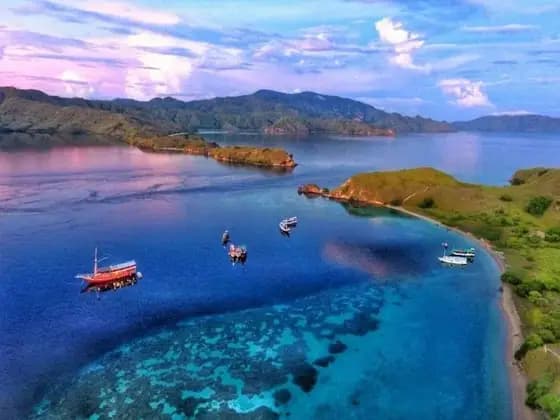
A Phinisi liveaboard crew rises with the first light over the Flores Sea, prepares the teak‑decked vessel for a day of sailing, diving, and hospitality, and winds down under a canopy of stars after the last guest departs. Their routine blends maritime tradition, marine‑science precision, and the warm hospitality that defines KomodoExplorer’s charter experience.
| Aspect | Detail |
|---|---|
| Typical Vessel | 30‑40 m wooden Phinisi, built with teak planking and traditional Javanese rigging |
| Crew Size | 6–8 members (captain, 2‑3 deckhands, 2‑3 dive guides, 1 chef) |
| Base Port | Labuan Bajo, West Nusa Tenggara |
| Season | Dry season (April – October) offers calm seas and optimal visibility |
| Typical Dive Sites | Batu Bolong (12 m), Manta Point (18 m), Pink Beach (5 m), Padar Island (25 m) |
| Marine Life | Manta rays, reef sharks, pygmy seahorses, cuttlefish, Humphead wrasse |
| Average Day Length | 12–14 hours of active duty (sunrise to midnight) |
| Key Skills | Navigation, boat handling, dive safety, multilingual guest service |
| Sustainability Practices | Waste segregation, reef‑friendly anchoring, solar‑powered lighting |
At 05:30, the crew’s first task is the “sunrise watch.” The captain, Pak Arif, climbs the fore‑mast to check the horizon for any weather changes. The sea smells faintly of brine and distant mangrove, a scent that signals a calm day ahead. The early light reflects off the polished teak, turning the deck a warm amber.
Insider tip: Ask the captain about the sail‑handling tradition—the crew still uses a golf‑ball‑size wooden block (the “bantalan”) to ease the main sail’s hoist. It’s a living piece of maritime heritage that many guests overlook.
The deckhands, Siti and Budi, perform a systematic pre‑sail checklist:
Practical tip: During the dry season, tide tables are less critical, but during the transitional months (March, November) the crew checks the tidal charts at 08:00 to avoid shallow reefs near Padar Island.
While the deck is being readied, the chef, Maya, prepares a traditional nasi uduk with fried tempeh and fresh fruit. The scent of coconut milk drifts across the deck, mingling with the salty breeze. Guests are invited to the galley deck, where they can watch the sambal simmer and ask about the local ingredients.
At 07:30, the crew hoists the lateen sail—a distinctive triangular canvas that gives the Phinisi its iconic silhouette. The boat glides past Komodo Island’s rugged cliffs, where the wind whistles through limestone fissures. The crew constantly monitors the compass and GPS, maintaining a course of 045° toward the first dive site.
FAQ: Why does the Phinisi use a lateen sail instead of a modern motor?
Answer: The lateen sail reduces fuel consumption, offers a smoother ride in 6–12 knots wind, and preserves the cultural authenticity that many guests cherish.
The dive guide, Rafi, leads the first group to Batu Bolong, a famous wall that drops from 2 m to 30 m. The water temperature hovers around 27 °C, and visibility often exceeds 25 m in the early morning light. As the divers descend, they encounter:
The crew’s role is to brief divers on proper buoyancy, monitor depth gauges, and record the max depth (often 28 m) for each dive log.
Insider tip: Ask the dive guide about the “night‑time cleaning crew”—small shrimp that emerge at dusk to tidy the reef, a natural indicator of reef health.
Back on deck, guests sip kopi tubruk while Rafi reviews the dive. He notes the water temperature, current strength, and species sightings in a waterproof logbook. The crew then rinses equipment in a freshwater tank to prevent salt corrosion, a habit that extends gear life by 20%.
Maya prepares a Balinese fish curry using locally sourced snapper from Labuan Bajo market. The aromatic lemongrass and turmeric blend with the sea breeze, creating a sensory backdrop that guests often describe as “the taste of the ocean itself.” The crew serves the meal on a mahogany table under a shade canopy, encouraging conversation among divers.
While guests eat, the deckhands conduct mid‑day maintenance:
Practical tip: The crew always asks the operator about the fuel reserve before heading out for the afternoon dive. A typical liveaboard carries 2,500 L of diesel, enough for 30 hours of motoring, but the crew prefers sailing whenever possible.
At 12:30, the captain holds a brief marine‑conservation talk in the salon area. Topics include:
Guests are encouraged to ask questions; the crew’s first‑hand knowledge of the reef’s health adds credibility to the discussion.
The afternoon dive targets Manta Point near Rinca Island, where currents rise to 1.5 knots during the mid‑afternoon tide. Divers descend to 18 m and often encounter Manta birostris performing graceful barrel rolls. The crew’s surface marker buoy (SMB) is positioned precisely at 15 m to guide the divers back.
Species spotlight: The Humphead wrasse (Cheilinus undulatus), a UNESCO‑protected fish, sometimes patrols the reef crest, its massive head shimmering in the filtered sunlight.
FAQ: What safety equipment does the crew provide?
Answer: Each diver receives a BCD, regulator, depth gauge, dive computer, and a surface marker buoy. The crew also carries a twin‑tank emergency air supply and a first‑aid kit stocked with oxymetazoline for ear pressure relief.
After the dive, the crew sets a south‑west heading toward Padar Island, timing the passage to catch the golden hour. As the sun drops behind the limestone cliffs, the deck glows with a crimson hue. The crew lowers the anchor in a reef‑friendly spot (soft sand, 12 m depth) to avoid damaging the coral.
Insider tip: The crew uses a sacrificial anchor—a 5 kg concrete block—instead of a traditional steel anchor. This reduces impact on the fragile hard coral at Padar’s southern bay.
Dinner is a grilled ikan bakar served with sambal matah and a side of steamed bok choy. The aroma of charcoal smoke mingles with the night air, creating a comforting atmosphere. After dinner, the crew prepares for the night dive at Manta Point:
The night dive begins as the sky turns indigo and the sea surface reflects a mirror‑like sheen. Divers descend to 20 m, where the darkness is broken by the soft glow of plankton. The crew’s lead diver points out:
The temperature drops to 24 °C, and the current eases to 0.5 knots, offering a serene environment for observing nocturnal behavior.
FAQ: How does the crew manage night‑time navigation?
Answer: The captain relies on GPS waypoints and a magnetic compass while the deckhand watches for bioluminescent trails, which act as natural markers in the dark water.
Back on deck, guests share their night‑time sightings while sipping hot ginger tea. The crew logs the depth (max 22 m) and species in a digital dive log synced to the KomodoExplorer portal. The night watch crew—Siti and Budi—rotate duties:
Practical tip: The crew always asks the operator about local weather forecasts from the BMKG (Indonesian Meteorological Agency) before the night watch begins, ensuring any sudden squalls are anticipated.
Before sunrise, the crew performs a quiet cleaning of the galley and deck. The soft sound of waves against the hull creates a meditative backdrop. The captain notes the overnight sea state—a gentle swell of 0.3 m—which will influence the next day’s sailing plan.
At 04:30, the crew gathers for a debrief. They discuss:
Insider tip: The crew always asks the operator to provide a daily “green report”—a summary of waste generated, water usage, and any reef impact observations. This transparency builds trust with eco‑conscious guests.
Following these steps ensures a smooth, memorable experience aboard a Phinisi liveaboard.
Phinisi crews blend traditional boatbuilding knowledge with modern marine safety standards. They are often locally trained, speak multiple languages (Indonesian, English, and sometimes Mandarin), and possess deep ecological awareness of the Komodo National Park. Their hands‑on approach to sail handling, reef‑friendly anchoring, and guest education sets them apart.
A standard 7‑night itinerary offers 2‑3 dives per day, totaling 14‑21 dives. The exact number depends on weather, tide, and guest fitness. The crew optimizes the schedule to balance adventure with rest, ensuring guests are never rushed.
Yes, provided the diver holds at least an Advanced Open Water certification and the crew conducts a comprehensive night brief. The crew’s lead diver maintains constant contact, and the surface support is equipped with two‑way radios and illuminated buoys.
Use the “Ask a Crew Member” form on the KomodoExplorer website, or email crew@komodoexplorer.com. The crew loves to answer questions about gear recommendations, local customs, and best dive times.
Beyond the technical routine, the crew’s human warmth defines the liveaboard atmosphere. Captain Arif often shares stories of the Bali Sea Warriors, a group of fishermen who once helped rescue stranded divers near Komodo Island. Chef Maya invites guests to join a “spice‑blending workshop”, where they learn to grind kencur, galangal, and turmeric into a fresh paste. Dive guide Rafi has a habit of singing a low‑key Javanese lullaby while cleaning the dive gear, a ritual that calms nervous first‑timers.
These personal touches turn a simple charter into an immersive cultural exchange. Guests leave not only with photographs of manta rays but also with memories of shared meals, stories, and the gentle rhythm of a wooden Phinisi under a starlit sky.
A day in the life of a Phinisi liveaboard crew is a choreography of precision, tradition, and hospitality. From sunrise sail to midnight watch, every moment is guided by a deep respect for the sea and a commitment to delivering an unforgettable experience. Whether you are a seasoned diver chasing Manta birostris or a curious traveler yearning for authentic Indonesian hospitality, the Phinisi crew stands ready to guide you through the wonders of Komodo.
If you’re inspired by the rhythm of the waves, the scent of fresh sea air, and the warm camaraderie of a Phinisi crew, book your next adventure with KomodoExplorer today. Our liveaboard itineraries are curated to showcase the very best of Komodo National Park, with every detail handled by a crew that lives and breathes the sea. Reserve your cabin now and set sail on a journey you’ll recount for a lifetime.