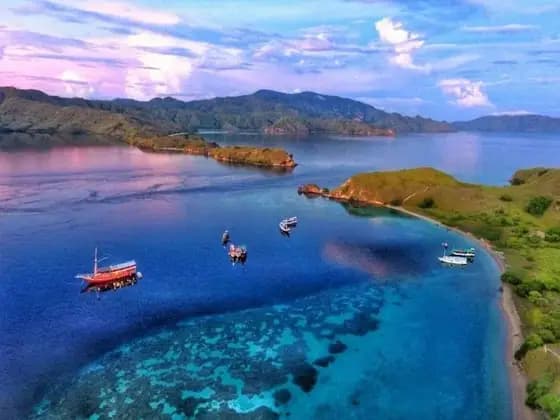

ที่ Piaynemo Viewpoint Raja Ampat คุณจะได้พบกับทิวทัศน์แบบ Panoramic ของหินปูนยอดแหลมที่โผล่พ้นน้ำสีฟ้าคราม ซึ่งถือเป็นภาพถ่ายคลาสสิกที่นักเดินทางและนักถ่ายภาพทุกคนต้องการครอบครอง วิธีที่เชื่อถือได้ที่สุดในการจับภาพทรงโค้งที่สละสลวยนี้คือการมาถึงในยามรุ่งอรุณ ยืนตัวที่ขอบด้านตะวันตกของเนินเขา และรอน้ำลงเพื่อให้เห็นโขดหินและลากูนที่ซ่อนอยู่เบื้องหลังหน้าผา
| รายการ | รายละเอียด |
|---|---|
| สถานที่ตั้ง | เกาะ Piaynemo, Raja Ampat, ปาปัวตะวันตก, อินโดนีเซีย |
| พิกัด | 0°12'30"S 130°31'45"E |
| ฤดูที่เหมาะสมที่สุด | เมษายน – ตุลาคม (ฤดูแล้ง) |
| เวลาที่ดีที่สุด | ยามรุ่งอรุณ (05:30–06:30 ตามเวลาท้องถิ่น) ในวันที่น้ำลง |
| ระยะทางเดิน | ไป-กลับ 2 กม., ใช้เวลาประมาณ 30 นาทีต่อทาง |
| ความสูง | 150 เมตร |
| ระดับความยาก | ปานกลาง (มีบางส่วนชันและพื้นไม่เรียบ) |
| สิ่งอำนวยความสะดวก | ไม่มีห้องน้ำ; ควรเตรียมน้ำดื่ม, ครีมกันแดด และขนมเบาๆ มาด้วย |
| สัตว์ป่า | ฉลามปอด, ปลากระเบนราหู (Manta Rays), และบางครั้งอาจเจอเต่าทะเลในลากูน |
| จุดจอดเรือใกล้เคียง | Raja Ampat Dive Resorts, Meycauayan Island |
วิวที่ Piaynemo ไม่ใช่แค่ภาพโปสการ์ดที่สวยงาม แต่มันคือภูมิทัศน์ที่มีชีวิตซึ่งเปลี่ยนแปลงไปตามน้ำขึ้นน้ำลง แสงสว่าง และสภาพอากาศ เมื่อน้ำลง ลากูนสีฟ้าครามจะคดเคี้ยววนเข้าไประหว่างยอดเขาหินปูนที่แหลมคม สะท้อนภาพท้องฟ้าเหมือนกระจกเงาขนาดยักษ์ อากาศยามรุ่งอรุณจะพาความรู้สึกของความเค็มอ่อนๆ จากทะเลมาผสมผสานกับกลิ่นดินของหินปูนที่ชุ่มชื้น ขณะที่เสียงคลื่นทะเลในไกล สร้างจังหวะเสียงที่กลมกลืนไปกับธรรมชาติ การสัมผัสแบบหลากหลายประสาทนี้ช่วยเพิ่มความน่าประทับใจให้กับภาพถ่าย ทำให้ภาพดูมีชีวิตชีวาและเต็มไปด้วยอารมณ์ ไม่ใช่แค่ภาพนิ่งที่ไร้ความรู้สึก
เคล็ดลับเฉพาะทางจากประสบการณ์ 12 ปีของผมในฐานะไกด์ดำน้ำ: เรือเช่าที่ดีที่สุดสำหรับการไป Piaynemo ยามรุ่งอรุณ คือเรือที่สามารถจอดได้ที่จุด "West Cove" ก่อนเวลา 04:30 ตามเวลาท้องถิ่น ซึ่งจะทำให้คุณได้เดินขึ้นเนินอย่างสงบและไม่แน่นเกินไป
| รายการ | เหตุผล |
|---|---|
| ถุงกล้องกันน้ำ | ปกป้องอุปกรณ์จากน้ำที่พุ่งกระเด็ม |
| ฟิลเตอร์โพลาไรซ์แบบวงกลม (CPL) | ช่วยลดแสงสะท้อนบนผิวน้ำ ทำให้สีท้องฟ้าดูเข้มขึ้นและสดใส |
| ขาตั้งกล้องน้ำหนักเบา (≤2 กก.) | ช่วยให้ภาพไม่สั่นในที่แสงน้อย; ควรหลีกเลี่ยงขาตั้งคาร์บอนไฟเบอร์ที่หนักและอาจล้มได้ง่ายบนพื้นไม่เรียบ |
| ผ้าเช็ดตัวซับเร็ว | หินปูนอาจจะลื่นมากเมื่อเปียก |
| ขนมและเครื่องดื่มเติมแร่ | พลังงานสำหรับการปีนเขาและความชื้นในเขตร้อน |
รอบน้ำขึ้นน้ำลงของอินโดนีเซียจะเวียนซ้ำทุกๆ 12 ชั่วโมง 25 นาทีโดยประมาณ เพื่อให้เห็นวิวลากูนได้ชัดที่สุด คุณควรมั่นใจว่าจะเจอกับ น้ำลง ที่เกิดขึ้น 30 นาทีก่อนยามรุ่งอรุณ ใช้เครื่องคำนวณน้ำขึ้นน้ำลงของ BMKG หรือแอป "Tide Charts" แล้วตรวจสอบกับตารางเวลาของเรือที่คุณเช่าอีกครั้ง
| เทคนิค | การตั้งค่า (กล้อง Full-frame) |
|---|---|
| ภาพกว้างยาม Golden hour | f/8, ISO 100, 1/125 s |
| เอฟเฟกต์รัศมีดวงอาทิตย์ (Sunburst) | f/16, ISO 200, 1/250 s, ใช้ฟิลเตอร์ Star filter |
| ภาพ Panorama | ซ้อนภาพ 30%, รักษาค่ารูรับแสงคงที่ (f/11) |
| ท้องฟ้ายามค่ำคืน (หากอยู่จนดึก) | f/2.8, ISO 3200, 20‑30 s, ใช้ขาตั้ง |
โดยทั่วไปแล้วการเดินไป-กลับจะใช้เวลา 45 นาทีถึง 1 ชั่วโมง ขึ้นอยู่กับจังหวะการเดินและความถี่ในการหยุดถ่ายรูป ส่วนทางขึ้นจะค่อนข้างชัน ควรจัดเวลาประมาณ 30 นาที สำหรับการปีนขึ้น และ 15 นาที สำหรับการเดินลง
แม้ว่าเส้นทางจะได้รับการดูแลรักษาดี แต่ช่วงที่ชันอาจทำให้ผู้ที่มีปัญหาเรื่องการเคลื่อนไหวลำบาก ผู้เริ่มต้นควรพกไม้เท้าและสวมรองเท้าที่ยึดเกาะได้ดี ระยะทางการเดินไม่ได้ยาวนัก นักเดินทางส่วนใหญ่ที่มีสุขภาพแข็งแรงสามารถทำได้โดยไม่ลำบาก
ในช่วงน้ำลง ลากูนมักจะเป็นบ้านของ ฉลามปอด, ปลากระเบนราหู (Manta Rays) และบางครั้งอาจพบ เต่าทะเล นอกจากนี้ ยามรุ่งอรุณยังเป็นเวลาที่ดีในการมองหา นกฟลามิงโก และ นกอินทรีทะเล (Sea Eagles) ที่ร่อนเหนือยอดเขาหินปูน
ไม่ต้องการใบอนุญาตพิเศษสำหรับการเดินป่าโดยตรง แต่คุณต้องอยู่บนเรือเช่าที่ได้รับอนุญาตและปฏิบัติตาม ข้อบังคับของอุทยานทางทะเล Raja Ampat ควรพกพาพาสปอร์ตและสำเนาทะเบียนเรือไปด้วยเสมอ
การว่ายน้ำปลอดภัยเฉพาะในช่วง น้ำขึ้น เมื่อระดับน้ำสูงกว่า 2 เมตร ในช่วงน้ำลง ลากูนจะตื้นเขินและเต็มไปด้วยหิน ดังนั้นควรชื่นชมความงามจากบนแท่นจุดชมวิวจะดีกว่า