Short answer: Yes, the komodo rainy season (November to March) can be spectacular for wildlife lovers and divers alike. Expect lush green landscapes, fewer crowds, and vibrant marine life, but be ready for occasional squalls and higher tides. With the right timing and a seasoned Phinisi charter, the wet months reward patience with unforgettable encounters.
| Item | Details |
|---|---|
| Season | November – March (wet season) |
| Average Rainfall | 250–350 mm per month |
| Sea Temperature | 27‑30 °C |
| Visibility (Dive) | 8‑20 m (best early mornings) |
| Peak Wildlife | Komodo dragons, male birds, manta rays |
| Best Base | Labuan Bajo (flight hub) |
| Recommended Charter | Phinisi sailing with experienced crew |
| Travel Tip | Pack quick‑dry clothing and waterproof bags |
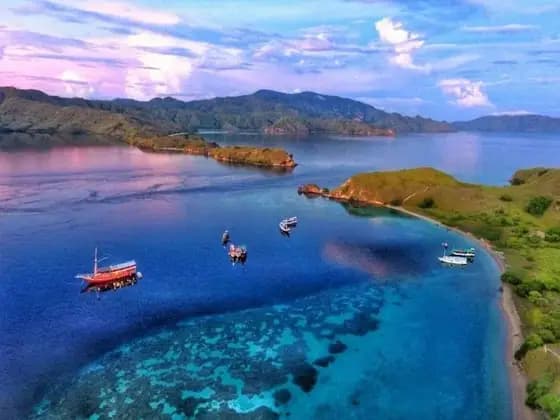
The monsoon that sweeps across the Lesser Sunda Islands arrives in late October, bringing steady afternoon showers that can last from a few minutes to several hours. While the sky often darkens, the rain leaves a fresh, earthy scent of wet limestone and seaweed that clings to the air. The sound of distant thunder over the rugged cliffs of Padar Island creates a dramatic backdrop for sunrise hikes.
On the water, the sea becomes a mirror of the sky, and the wind shifts to a gentle southeast breeze. This breeze pushes plankton toward the surface, feeding schools of Bali sardinella and yellowfin fusiliers that, in turn, attract larger predators such as Manta birostris and tiger sharks near the dive sites of Manta Point (30 m) and Batu Bolong (25 m). The rain also cools the surface, sharpening the contrast between warm water and the cooler air—an experience that seasoned divers describe as “the ocean’s own sauna.”
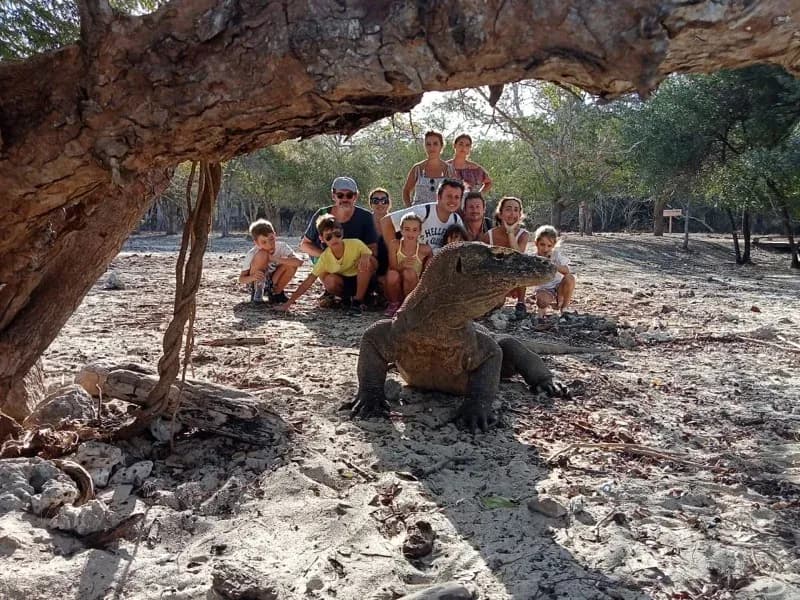
When the rain falls, the dry savanna of Komodo National Park transforms into a patchwork of vibrant greens. Komodo dragons (Varanus komodoensis) become more active in the cooler evenings, often seen lounging on shady rock outcrops near Rinca Island. The male dragons, in particular, engage in territorial displays during the early rainy months, a behavior that is rarer in the dry season.
Birdwatchers will delight in the chorus of Javan munias, white‑breasted waterhens, and the striking red‑winged starling that flit among the newly sprouted bamboo. The rainy season also triggers breeding in many reef fish, resulting in spectacular spawning events at Manta Point around the full moon in December.
The monsoon brings nutrient‑rich currents that boost visibility for macro‑divers. At depths of 10‑15 m around Karang Makassar, you can spot frogfish, flamboyant cuttlefish, and the elusive pygmy seahorse clinging to soft corals. The Komodo wet season travel also means larger pelagics such as blue‑fin tuna and sailfish roam the outer reef, especially during the early morning tide when the water is calm.
| Time | Activity | Why It Works |
|---|---|---|
| 05:00‑07:00 | Sunrise hikes & early‑morning dives | Light is soft, tides are low, and rain usually hasn’t started yet. |
| 10:00‑12:00 | Snorkeling at sheltered bays | Calm seas and warm water; occasional showers provide cool relief. |
| 14:00‑16:00 | Wildlife spotting on land | Dragons and birds seek shade; rain often pauses in the early afternoon. |
| 18:00‑20:00 | Sunset cruises | Clouds catch the sunset colors, creating dramatic silhouettes of cliffs. |
Insider tip: Ask your charter captain whether the crew monitors the local tide tables for Labuan Bajo; a high tide at 09:30 am can open hidden passages at Manta Point that are otherwise inaccessible.
Pro tip: When chartering a Phinisi, ask the crew to provide a rain‑cover for the helm; the captain often enjoys a cup of hot tea while navigating through brief squalls.
Below is a sample six‑day itinerary that balances land, sea, and cultural experiences while respecting the rhythm of the rain.
Day 1 – Arrival in Labuan Bajo
Day 2 – Rinca Island & Padar Hike
Day 3 – Komodo Island & Komodo Dragon Safari
Day 4 – Pink Beach & Night Dive
Day 5 – Gili Kalimutu & Cultural Visit
Day 6 – Return to Labuan Bajo
Flexibility is key: The monsoon can shift a day’s plan; keep a buffer for weather‑related changes.
The period from November to March brings daily afternoon showers, occasional thunderstorms, and a humidity that hovers around 80 %. Daytime temperatures stay warm (28‑31 °C), while night temperatures dip to 24‑26 °C. The sea remains warm and generally calm, though occasional squalls can raise wave heights to 1.5‑2 m. The rain often arrives in short, intense bursts, leaving clear skies in the early mornings—ideal for photography and diving.
Absolutely. While visibility can fluctuate between 8 and 20 m, the nutrient influx fuels a spectacular plankton bloom that attracts larger pelagics. Early‑morning dives before the rain hits are typically the clearest. Sites like Manta Point, Batu Bolong, and Karang Makassar remain accessible, and the presence of manta rays and reef sharks is higher during the wet months.
Rainfall triggers breeding cycles for many reef fish, leading to vibrant spawning events. On land, Komodo dragons become more active during cooler evenings, and male dragons display territorial behavior more often in the early rainy months. Bird species such as the white‑breasted waterhen and red‑winged starling are more vocal, making it an excellent time for birdwatching.
Beyond the standard dive gear, a waterproof dry bag for electronics, quick‑dry clothing, and a sturdy rain‑cover for the deck are essential. A reliable dry‑suit is not required unless you plan to dive in deeper, colder waters; however, a rash guard with UV protection helps when the sun breaks through clouds.
Choose a Phinisi charter with an experienced crew that knows the local micro‑climates. Ask the captain about the “rain shadow” routes around Komodo Island, where the lee side of the island often remains dry while the windward side receives showers. Also, schedule longer sailing legs during the night when rain is less likely to disrupt navigation.
Yes. In December, the island of Rinca hosts a small “Dragon Festival” where local communities celebrate the Komodo dragon with traditional dances and storytelling. The festival coincides with the full moon, providing excellent night‑time photography opportunities.
Pro tip: Request a pre‑trip briefing video from the charter; many operators now share a short orientation that includes tide tables, safety drills, and packing suggestions.
The answer is a resounding yes. While the rain adds a layer of unpredictability, it also gifts the archipelago with lush scenery, heightened wildlife activity, and fewer tourists. With a knowledgeable crew, flexible planning, and the right gear, November to March can become the most rewarding time to experience Komodo’s raw beauty.
Book your Phinisi charter now and let Komodo Explorer craft a personalized adventure for the komodo rainy season. Whether you crave dragon encounters, manta‑ray dives, or sunrise hikes on mist‑kissed cliffs, our seasoned crew will guide you safely through the wet months. Click here to reserve your spot and start planning the journey of a lifetime.