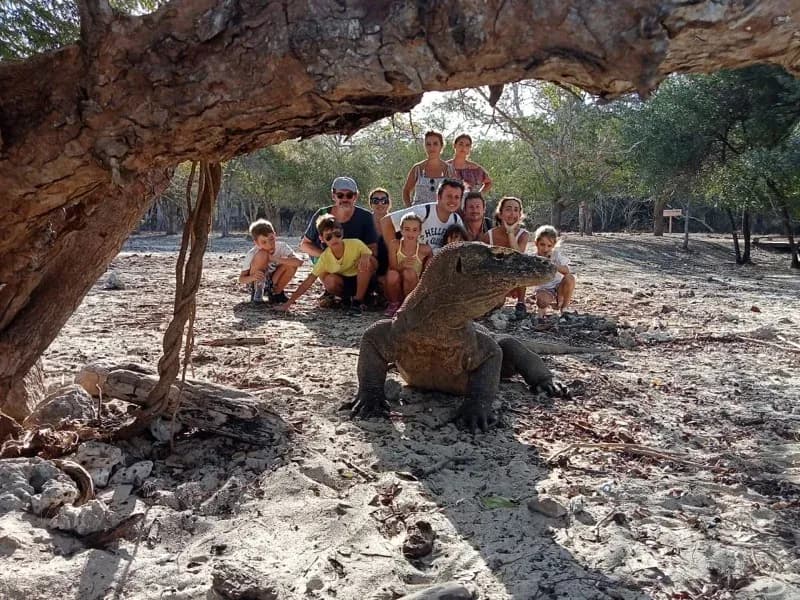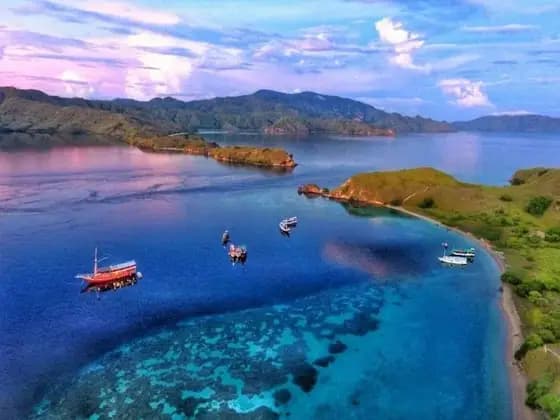
The malaria risk in Labuan Bajo and the surrounding islands, including Komodo, is low but not zero. Travelers should take standard prophylaxis, use mosquito protection, and stay informed about seasonal spikes. With the right precautions, you can enjoy the turquoise waters and iconic dragons without worrying about disease.
| Fact | Details |
|---|---|
| Malaria transmission | Primarily Anopheles mosquitoes; low density in urban Labuan Bajo, higher in remote forested areas of Flores |
| Peak season | November to April, coinciding with the rainy season |
| Recommended prophylaxis | Atovaquone‑proguanil (Malarone) or doxycycline for most travelers |
| Vaccination | No malaria vaccine required for Indonesia, but routine vaccines (hep A, B, typhoid) are advised |
| Medical facilities | Labuan Bajo Hospital (24‑hr) and several private clinics; nearest major hospital in Kupang (≈300 km) |
| Local advice | Ask charter operators about recent mosquito activity; reputable operators like KomodoExplorer keep boats screened |
Labuan Bajo, the gateway town to the Komodo National Park, sits on the western tip of Flores island. The town itself is a bustling port with asphalt streets, air‑conditioned hotels, and a constant hum of motorbikes. Mosquitoes here are mostly Culex species, which transmit dengue, not malaria. However, as you venture beyond the town limits—into the mangrove forests of Wae Rebo, the rice paddies of Bajawa, or the inland villages of Larantuka—the risk of encountering Anopheles mosquitoes rises.
During the dry season (May‑October), the mosquito population drops dramatically. The sun‑baked savanna and the crisp sea breeze keep the breeding sites dry. In the wet months, standing water collects in abandoned quarry pits and river floodplains, providing ideal breeding grounds for malaria‑carrying mosquitoes. Even then, the incidence reported by the Indonesian Ministry of Health remains under 0.5 cases per 1,000 visitors, a figure that pales against the region’s vibrant dive and trekking opportunities.
Insider tip: When booking a charter, ask the captain whether they have installed fine mesh screens on the cabin windows and whether they use UV‑light mosquito traps on deck. The best operators, like those listed on our Phinisi Yacht Charters page, will have taken these steps.
Komodo Island is famous for its giant lizards, but its malaria profile is distinct from the mainland. The island’s rugged limestone cliffs and sparse vegetation mean fewer mosquito breeding sites. Most visitors only stay overnight on the island’s limited eco‑lodges, which are built on raised platforms with screened doors and fans to deter insects.
Nevertheless, the island’s Manta Point dive site (depth 15‑30 m) sits near a shallow lagoon where mangrove seedlings occasionally sprout after heavy rains. These pockets can harbor Anopheles larvae. The risk remains marginal, but if you plan a multi‑day trek across the Komodo National Park trail network, you’ll spend evenings in field camps where portable mosquito nets become essential.
Practical tip: Pack a lightweight, insect‑proof sleeping bag liner. In my own fieldwork, I found that a 150‑gram nylon net with a 1.2 mm mesh size blocks even the smallest Anopheles without adding bulk to the pack.
Mosquitoes are most active at dawn (05:00‑08:00) and dusk (18:00‑21:00). In Labuan Bajo, the early morning mist over Batu Cermin (a limestone outcrop) carries a faint metallic scent that signals the rise of Culex swarms. Conversely, the evening breeze off Pantai Waecicu brings a sweet scent of frangipani, but also the arrival of Anopheles seeking blood meals.
When you’re on a yacht, the deck’s open layout can be a magnet for mosquitoes at sunset. I always advise guests to apply repellent at least 30 minutes before the sun dips below the horizon and to keep cabin doors shut.
Below is a concise HowTo checklist that blends medical advice with on‑the‑ground logistics. Follow each step before you set foot on the boat or the island.
Consult a travel health clinic 4‑6 weeks before departure.
Purchase a high‑quality insect repellent.
Acquire a durable mosquito net and a portable fan.
Schedule your prophylaxis start date.
Pack a small first‑aid kit.
Ask your charter operator about onboard measures.
Monitor local health alerts.
Stay vigilant during travel.
Yes, malaria exists on Flores, particularly in rural and forested districts. The risk is highest in the Larantuka and Bajawa regions, where agricultural irrigation creates stagnant water. However, Labuan Bajo’s urban environment keeps the risk low. Travelers who spend more than a week in inland villages should consider prophylaxis, especially during the rainy season.
Mosquito coils and citronella candles provide a pleasant aroma—often reminiscent of sandalwood or lemongrass—but they are not sufficient as a primary defense. They may reduce nuisance bites on a porch but do not protect against Anopheles that bite indoors at night. Pair them with a DEET repellent and a proper net for full coverage.
If fever appears within 30 days of leaving Indonesia, contact your physician and mention recent travel to Labuan Bajo or Komodo. Request a blood smear or rapid diagnostic test for malaria. Early diagnosis and treatment with artemisinin‑based combination therapy (ACT) are essential.
Pregnant women in their first trimester should avoid doxycycline; Malarone is generally considered safe but must be prescribed by a physician. For children under five, dosage must be weight‑adjusted, and a pediatric formulation of the chosen prophylaxis is required. Always discuss these specifics with a travel health specialist.
Labuan Bajo Hospital offers basic inpatient care and has a modest laboratory capable of performing rapid malaria tests. For severe cases, patients are air‑lifted to Kupang or Makassar, where larger hospitals have full‑service labs. The presence of English‑speaking staff varies, so it’s prudent to carry a medical translation card with key phrases.
Imagine stepping out of a modest eco‑lodge on Komodo Island after a day of snorkeling at Pink Beach. The sea breeze carries the faint scent of salty kelp, while the distant call of the Banggai (a native nightbird) punctuates the quiet. As the sun sets, the sky turns a deep indigo, and fireflies flicker like distant stars over the mangrove fringe. The air cools, and a subtle, earthy perfume rises from the wet soil—an unmistakable sign that mosquitoes may be stirring. Inside the cabin, the soft hum of a ceiling fan creates a gentle white‑noise that masks the faint whine of a lone Anopheles searching for a host. With a properly applied DEET spray and a screened window, the night feels safe, allowing you to drift into sleep with the rhythmic sound of waves lapping the shore.
Below is a quick visual guide (textual) that shows risk zones:
Travelers who stay primarily on the water, hopping between islands like Padar, Rinca, and Kanawa, will experience the low‑risk environment most of the time. The few hours spent on land should be managed with the precautions outlined above.
When you contact a charter company, frame your questions clearly:
Operators who answer confidently and provide details about their preventive measures demonstrate a commitment to guest health. The best ones, like those featured on our Phinisi Yacht Charters page, will have documented protocols and may even offer a short pre‑departure health briefing.
The allure of Labuan Bajo and Komodo is undeniable—towering cliffs, crystal‑clear lagoons, and the legendary Komodo dragons. While malaria risk exists, it is manageable with informed preparation. By following the steps outlined, consulting a qualified health professional, and choosing a reputable charter operator, you can safeguard your health without sacrificing the awe‑inspiring experiences that make this region a bucket‑list destination.
Ready to explore the seas of Flores with confidence? Book your next Phinisi yacht adventure through KomodoExplorer today. Our experienced captains know every hidden cove, and we’ll ensure your voyage includes comprehensive malaria prevention guidance, from pre‑trip medication to onboard protection. Click here to reserve your charter and set sail on a safe, unforgettable journey.