Answer: Sustainable travel Komodo is achievable by choosing an eco‑friendly charter, minimizing single‑use plastics, and respecting marine life at every dive site. A zero waste Komodo trip hinges on careful packing, refillable containers, and partnering with operators who practice waste segregation and reef‑safe product policies.
| Item | Details |
|---|---|
| Location | Komodo National Park, East Nusa Tenggara, Indonesia |
| Best season | April – December (dry season, calm seas) |
| Zero‑waste essentials | Reef‑safe sunscreen, stainless steel bottle, biodegradable toiletries |
| Top dive sites | Batu Bolong (20‑30 m), Manta Point (15‑25 m), Castle Rock (30‑40 m) |
| Recommended charter | KomodoExplorer Phinisi yachts with on‑board waste sorting |
| Nearest gateway | Labuan Bajo (flight hub, 2 h boat to park) |
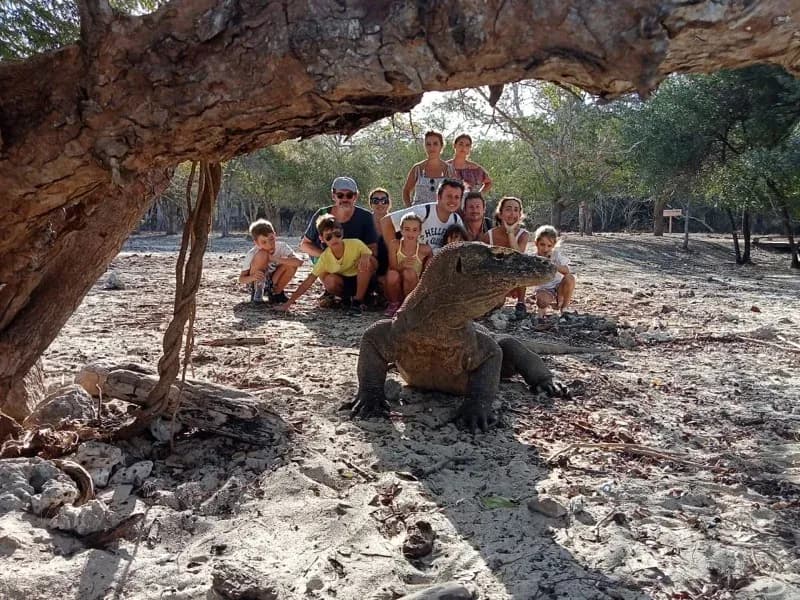
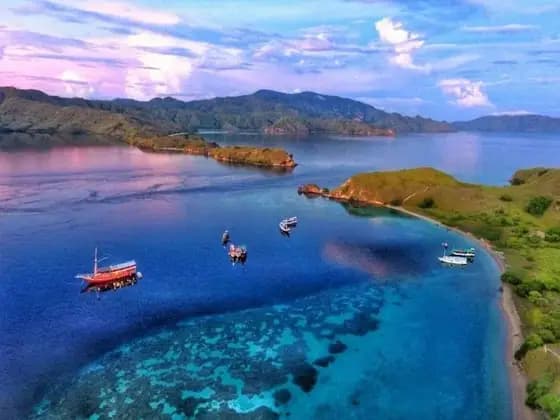
The rugged islands of Komodo National Park are a living laboratory of biodiversity. From the iconic Komodo dragons prowling the dry savanna of Rinca to the kaleidoscopic coral gardens at Pink Beach, every ecosystem is fragile. Over‑tourism, plastic pollution, and careless anchoring threaten these habitats. By committing to a zero waste Komodo trip, you become a steward of the park’s future, ensuring that the scent of salty sea breeze and the crackle of distant waves remain unchanged for the next generation of divers and trekkers.
KomodoExplorer’s Phinisi fleet is certified by the Indonesian Ministry of Tourism’s Eco‑Tourism Program. When booking, ask the operator:
A vessel with 8‑12 guests reduces fuel consumption per head and limits anchor damage. Small groups also mean quieter nights, letting the night‑time chorus of bent‑bush crickets and sea turtles glide undisturbed.
Ask if the yacht uses solar panels for lighting and LED bulbs for interior illumination. The soft, amber glow of LED lights at dusk reduces light pollution that can disorient marine larvae.
Reef‑safe sunscreen (zinc‑oxide based, no oxybenzone) protects the delicate Acropora colonies at Batu Bolong. Bring a biodegradable shampoo bar to avoid plastic bottles.
Insider tip: The crew of KomodoExplorer will gladly refill your stainless steel bottle from their onboard rainwater collector, a practice that eliminates the need for bottled water entirely.
Reusable Containers
Personal Care
Cleaning Supplies
Documentation
Optional Extras
Pro tip: Bring a small dry‑bag for your reusable items; the humidity on the deck can be intense, especially after a rainstorm.
| Site | Depth | Notable Species | Zero‑Waste Note |
|---|---|---|---|
| Batu Bolong | 20‑30 m | Manta birostris, Hippocampus spp., Acropora | Use reef‑safe sunscreen; avoid touching corals |
| Manta Point | 15‑25 m | Manta birostris, Chelonia mydas (green turtles) | Early morning dives (6‑8 am) reduce boat traffic |
| Castle Rock | 30‑40 m | Giant trevally, Lionfish (invasive) | Bring a biodegradable bag for any collected lionfish (if permitted) |
| Pink Beach | 5‑12 m | Clownfish, Pygmy seahorses | Snorkel with a reef‑friendly mask; no plastic fins |
The trek to the Komodo dragon viewing platform starts at 07:30 hrs, when the forest floor is still damp with morning dew. The scent of wet earth and eucalyptus fills the air, a reminder of the island’s pristine condition. Stick to marked trails to avoid trampling the rare Pandanus seedlings that are crucial for soil stabilization.
Eco tip: Bring a reusable bamboo fork for your packed lunch of tempeh and rice; the park’s staff will gladly accept any leftover food for compost.
Padar’s iconic three‑bay view is best captured at sunrise. The light is soft, with a pastel pink hue that reflects off the limestone cliffs. Pack a compact, reusable coffee cup for your early‑morning brew; the charter’s galley can refill it with locally sourced kopi luwak.
Pink Beach’s pink‑tinged sand is a result of foraminifera shells mixed with coral sand. Organize a short, 30‑minute beach clean‑up with fellow travelers. Use the recyclable bag from your zero waste kit to collect any stray plastics. The crew will transport the waste back to Labuan Bajo for proper disposal.
KomodoExplorer works closely with Yayasan Lembaga Konservasi (YLK), a local NGO that runs marine protected area (MPA) monitoring programs. When you book a trip, a portion of the fee funds:
First‑hand observation: During my last charter, I watched a team of divers install a new Biorock structure at Batu Bolong. The low‑frequency humming of the electricity, combined with the gentle lapping of the sea, created a surreal atmosphere—proof that sustainable practices can be both high‑tech and harmonious.
The dry season from April to December offers calm seas, reliable visibility (average 25‑30 m), and fewer crowds. This period also aligns with the peak migration of manta rays and turtle nesting on Padar.
While not legally required, most operators—including KomodoExplorer—strongly recommend reef‑safe sunscreen to protect the Acropora and Porites corals. The crew keeps a stock of zinc‑oxide sunscreen for guests who forget theirs.
Absolutely. Bring your own dry‑bag, mask, and fins to avoid the need for rental plastic gear. If you must rent, ask the dive shop if they have recycled‑material wetsuits.
Immediately alert the dive guide. The crew carries vessel‑based rescue kits for stranded turtles and can coordinate with the park’s Rescue Unit. Do not attempt to handle the animal yourself.
Research Operators
Book Your Charter
Prepare Your Zero Waste Kit
Arrange Travel Logistics
Secure Permits
Pack Smart
Engage with Local Communities
Dive and Explore
Practice Waste Segregation Onboard
Post‑Trip Follow‑Up
| Day | Morning | Afternoon | Evening |
|---|---|---|---|
| 1 | Arrival in Labuan Bajo; brief on waste policy | Board Phinisi yacht; onboard waste orientation | Welcome dinner with locally sourced fish |
| 2 | Dive Batu Bolong (20‑30 m) – manta encounter | Snorkel at Pink Beach (5‑12 m) | Night hike on Padar; stargazing |
| 3 | Trek Rinca Island – Komodo dragon sighting | Lunch on deck with reusable plates | Lecture on coral restoration by YLK |
| 4 | Dive Manta Point (early morning) | Visit local village; community clean‑up | Sunset yoga on deck |
| 5 | Sail to Padar; panoramic hike | Kayak around the island’s hidden lagoons | Eco‑cooking workshop (biodegradable utensils) |
| 6 | Dive Castle Rock (30‑40 m) – giant trevally | Free time for photography; optional reef‑safe fishing | Farewell bonfire (no plastic cups) |
| 7 | Disembark at Labuan Bajo; debrief on waste metrics | Transfer to airport | Departure |
KomodoExplorer provides a post‑trip impact report that includes:
By reviewing this data, you can quantify how your sustainable travel Komodo choices translate into tangible environmental benefits.
Traveling responsibly in Komodo is not a sacrifice; it is an invitation to engage more deeply with one of the world’s most spectacular marine landscapes. When you choose a zero waste Komodo trip, you align your adventure with the rhythm of the tides, the whisper of the wind through pandanus trees, and the vibrant pulse of coral life beneath the surface. The memories you gather—seeing a manta glide past, feeling the cool shade of a limestone arch, tasting fresh grilled fish cooked on a solar stove—are enriched by the knowledge that you helped preserve these wonders for future explorers.
Ready to set sail on a journey where luxury meets stewardship? Book your eco‑friendly Komodo charter today and experience the magic of sustainable travel Komodo firsthand. Visit our booking page at KomodoExplorer Charter, select your preferred dates, and let us handle the logistics while you focus on the adventure of a lifetime. Your zero waste Komodo trip awaits—let’s make it unforgettable, together.