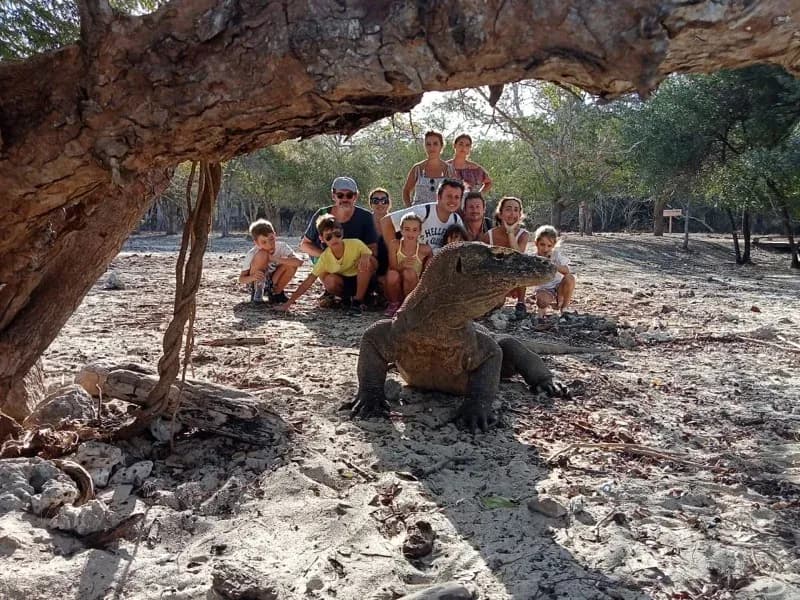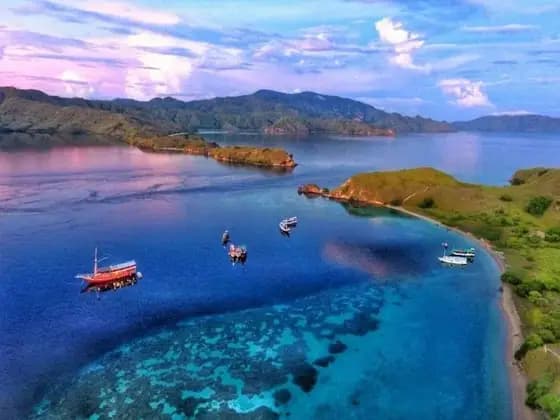

Die neuesten Nachrichten über illegalen Bergbau in Komodo zeigen einen Anstieg der unregulierten Förderung am Rande des Komodo-Nationalparks. Kurz gesagt: Illegaler Bergbau bedroht Korallenriffe, Mangroven und die ikonischen Drachen, die Besucher aus der ganzen Welt anziehen. Sofortiges Handeln der Parkbehörden, der lokalen Gemeinschaften und verantwortungsbewusster Reisender kann den Schäden Einhalt gebieten, bevor sie unumkehrbar werden.
| Fakt | Detail |
|---|---|
| Standort | Komodo-Nationalpark, Ost-Nusa Tenggara, Indonesien |
| Illegale Aktivität | Unlizenzierter Abbau von Sand, Kalkstein und Gold |
| Hauptbedrohungen | Verlust des Lebensraums, Wassertrübung, erhöhtes Brandrisiko |
| Betroffene Arten | Varanus komodoensis (Komodo-Drache), Rifffische, Mangrovenkrabben |
| Aktuelle Nachrichten | Über 30 verdeckte Standorte wurden 2024 identifiziert (Nachrichten über illegalen Bergbau in Komodo) |
| Aufsichtsbehörde | Ministerium für Umwelt und Forstwirtschaft, Generaldirektion Naturschutz |
| Reaktion der Gemeinschaft | Programm „Wächter der Insel“ – 150 Freiwillige geschult |
| Hinweise für Besucher | Sichtungen über die Komodo Explorer App melden; nur Eco-Charters wählen |
Wenn Sie zum ersten Mal den sonnengebleichten Sand der Insel Padar betreten, trägt die salzige Brise einen Hauch von Metallgeschmack mit sich – ein subtiler Hinweis darauf, dass die unberührte Umgebung des Parks belagert wird. Das Geräusch von Maschinen in der Ferne – kiesbeladene Lkw, tief brummende Bagger – ist manchmal an den Kalksteinfelsen zu hören, besonders in der Trockenzeit, wenn der Wasserstand sinkt. Dieser akustische Einbruch steht in krassem Kontrast zum üblichen Chor nistender Meeresschildkröten und dem Rascheln der Mangrovenblätter.
Diese Faktoren verschmelzen zu dem, was Naturschützer als einen „Verstärkereffekt“ bezeichnen: Jede illegale Operation verstärkt bestehende Bedrohungen für den Komodo-Schutz und macht die Wiederherstellung zunehmend kostspielig.
Die Bergleute sind keine gesichtslosen Bösewichte; viele sind ehemalige Fischer, die nach dem Tsunami von 2000 ihre Existenzgrundlage verloren. Ihre Geschichten, erzählt bei einer Tasse starken Kaffees, verraten einen verzweifelten Bedarf an nachhaltigen Alternativen. Das Verstehen dieses Kontexts ist für jedes sinnvolle Eingreifen unerlässlich.
Seit die erste Welle der Nachrichten über illegalen Bergbau in Komodo Anfang 2023 aufkam, hat die Parkverwaltung eine geschichtete Strategie verfolgt:
Diese Maßnahmen haben bereits im vergangenen Jahr allein zur Schließung von 12 illegalen Standorten und zur Beschlagnahme von über 3.000 Tonnen Sand geführt.
Ihre Anwesenheit auf dem Wasser kann eine Kraft für das Gute sein. Unten finden Sie eine Schritt-für-Schritt-Anleitung zum Entdecken und Melden von illegalem Bergbau während einer Segelfahrt mit einer Phinisi-Yacht.
Insider-Tipp: Die zuverlässigsten Meldungen stammen von der Westseite der Insel Komodo, in der Nähe des Dorfes Sape, wo das Wasser ruhiger ist und die Gezeit vorhersehbar ist. Planen Sie eine Segeltour zwischen 09:00 und 11:00 Uhr während eines Fensters bei Ebbe für optimale Sichtbarkeit ein.
Bei der Buchung Ihrer Phinisi-Charter sollten Sie auf folgende Zertifizierungen achten:
Durch die Auswahl eines Charterunternehmens, das diese Kriterien erfüllt, reduzieren Sie Ihren CO2-Fußabdruck und unterstützen die breitere Naturschutzagenda des Parks.
Die Hauptressourcen sind Sand, Kalkstein und Seifengold. Sand wird für den Bau auf benachbarten Inseln abgebaut, Kalkstein für Zement und Gold für kleine Schmelzbetriebe. Jede Abbau-Methode hinterlässt eine deutliche Narbe im Landschaftsbild, von flachen Gruben bis zu tiefen Gräben.
Drachen sind auf ein Netzwerk aus Trockenwald und Savanne für die Jagd angewiesen. Der Bergbau zersplittert diesen Lebensraum, zwingt die Drachen zu längeren Strecken bei der Beutesuche, erhöht den Stress und die Konfrontation mit Menschen. Darüber hinaus kann der Lärm der Maschinen nistende Weibchen stören und den Fortpflanzungserfolg reduzieren.
Ja. Der ehemalige Steinbruch „Batu Biru“ auf der Ostseite der Insel Rinca wurde 2024 geschlossen. Nach einem zweijährigen Rehabilitationsprogramm kehrte die native Vegetation zurück, und eine Gruppe von Varanus komodoensis wurde dokumentiert, wie sie das Gebiet als neues Jagdrevier nutzte. Dies zeigt, dass der Park bei ordnungsgemäßer Durchsetzung die Schäden umkehren kann.
Der Zutritt ist eingeschränkt. Die Ranger-Stationen des Parks bringen Schilder mit der Aufschrift „Zutritt verboten“ an. Geführte Eco-Touren fahren jedoch oft in der Nähe vorbei, um den Kontrast zwischen unberührtem Riff und betroffenen Zonen zu beobachten, was eine mächtige visuelle Lektion bietet. Befolgen Sie immer die Anweisungen des Guides und betreten Sie niemals markierte Wege.
Das Programm bietet Schulungen in GPS-Kartierung, Konfliktlösung und grundlegender Rechtsdurchsetzung. Teilnehmer erhalten ein Stipendium und ein tragbares Funkgerät, das eine schnelle Kommunikation mit dem Parkhauptquartier ermöglicht. Seit seiner Gründung hat das Programm über 1.200 Patrouillenstunden pro Monat protokolliert.
Die Nachrichten über illegalen Bergbau in Komodo sind kein isolierter Vorfall; sie spiegeln ein breiteres Muster des Ressourcendrucks in geschützten Gebieten weltweit wider. Da der Klimawandel sich verschärft, wenden sich Küstengemeinschaften extraktiven Tätigkeiten zu, um schwindende Fischbestände zu ergänzen. Diese Kaskade kann durch integrierte Ansätze gemildert werden, die Durchsetzung, Diversifizierung der Lebensgrundlagen und verantwortungsvollen Tourismus kombinieren.
Die Zukunft des Parks hängt von unserer kollektiven Fähigkeit ab, Bedrohungen für den Komodo-Schutz in handlungsorientierte Politiken umzuwandeln, die sowohl die biologische Vielfalt als auch das kulturelle Erbe des Flores-Archipels schützen.
Eine Phinisi-Charter mit KomodoExplorer bietet mehr als eine landschaftlich reizvolle Kreuzfahrt; sie taucht Sie ein in ein lebendiges Labor der Resilienz. Stellen Sie sich vor, Sie ankern in der krist