Why Komodo Diving Is a World‑Class Experience
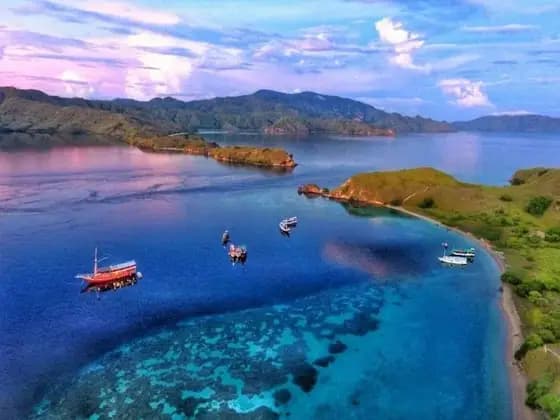
The scent of warm sea spray mingles with the faint aroma of mangrove wood as the phinisi cuts through the turquoise currents of the Komodo National Park. Sunlight filters through the water in crisp, jade ribbons, revealing a reefscape that feels almost otherworldly. This is komodo diving at its purest—an arena where giant manta rays glide over coral ledges, and schools of neon‑blue fusiliers shimmer like liquid glass.
Having logged over 200 dives in the region, I can attest that the diversity here rivals any tropical destination on the planet. From the shallow 12‑meter coral gardens of Batu Bolong to the dramatic drop‑offs of Castle Rock (30‑40 m), each site offers a distinct sensory tableau. The low‑frequency hum of the phinisi’s engine becomes a comforting backdrop to the occasional crackle of distant thunderheads, reminding you that you’re far from the ordinary.
Signature Sites and What Awaits You
Batu Bolong (12 m)
- Marine life: pygmy seahorses, flamboyant cuttlefish, and occasional epaulette sharks.
- What to feel: the gentle sway of the current, the soft rustle of passing reef fish.
Castle Rock (30‑40 m)
- Marine life: wobbegong carpet sharks, giant clams, and the occasional reef manta.
- Highlight: a vertical wall that catches the late‑afternoon sun, turning the water a luminous gold.
Manta Point, Padar (20 m)
- Marine life: resident manta rays, reef sharks, and schools of batfish.
- Best time: early morning when the tide is low, allowing the manta to feed on plankton concentrates.
Practical Tips for the Best Dive
- Timing: Aim for a dive between 07:00 – 09:00 h when the water is calm and the light is soft. The early hour also reduces boat traffic, giving you quieter underwater moments.
- Tide considerations: Low tide at Manta Point exposes the feeding platform; high tide at Castle Rock brings deeper currents that attract larger pelagics.
- Ask the operator: “Do you provide a night‑dive lantern for the reef at Batu Bolong?” Night dives reveal bioluminescent plankton that glow like fireflies.
- Equipment: A 5 mm wetsuit is sufficient in the dry season (May‑October); bring a reef‑safe sunscreen for the deck crew.
- Safety: Verify that the phinisi crew conducts a thorough pre‑dive safety check and that the dive leader is certified for deep dives beyond 30 m.
Quick Checklist
- ✅ Confirm dive plan with the captain (depth, site order, estimated bottom time)
- ✅ Pack a waterproof dry bag for personal items
- ✅ Bring a reusable water bottle – the phinisi’s galley uses fresh water sparingly
- ✅ Ask about local conservation initiatives; many operators support reef‑restoration projects
The Phinisi Experience
Choosing a phinisi for your komodo diving adventure adds an authentic cultural layer. These hand‑crafted wooden vessels, adorned with intricate carvings, sway gently, creating a stable platform that makes even the deepest descents feel secure. The deck’s teak flooring retains the ocean’s heat, and the crew’s warm hospitality turns every meal into a celebration of the day’s discoveries.
Ready to chart your own course through Komodo’s legendary reefs? Book a private phinisi charter with KomodoExplorer today and let our seasoned crew guide you to the hidden corners of the park. Your next unforgettable komodo diving story starts here—reserve your spot now!