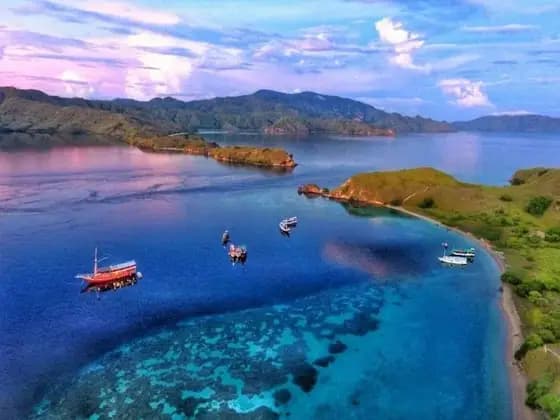

Wayag-Insel Raja Ampat ist ein Kalkstein‑Meisterwerk aus zerklüfteten Spitzen, türkisblauen Lagunen und lebhaften Korallengärten, das im Herzen des artenreichsten Meeresparks Indonesiens liegt. Besucher, die nach Wayag reisen, dürfen kristallklares Wasser erwarten, das den Himmel spiegelt, den zarten Duft von Seetang in der Brise und das ferne Rufen weiß gekrönter Tauben, das von den steilen Klippen widerhallt.
Wichtige Fakten
| Punkt | Details |
|---|---|
| Lage | Raja Ampat, West-Papua, Indonesien |
| Koordinaten | 0°55′S 130°12′E |
| Fläche | ca. 5 km² (Hauptinsel) |
| Hauptattraktionen | Wayag-Lagune, Pinnacle Ridge, Schnorchel‑ & Tauchplätze |
| Beste Reisezeit | Oktober – April (Trockenzeit) |
| Anreise | 2–3‑tägige Liveaboard‑Tour ab Sorong; Tagesausflüge von größeren Schiffen |
| Genehmigung erforderlich | Ja – Eintrittsgenehmigung für den Raja‑Ampat‑Meerespark |
Kurz-Tipp: Buchen Sie Ihr Liveaboard mindestens 3 Monate im Voraus, besonders wenn Sie in der Haupttrockenzeit reisen wollen. Betreiber mit guter Sicherheitsbilanz übernehmen die Genehmigungen für Sie, prüfen Sie aber die Unterlagen immer noch einmal, bevor Sie in See stechen.
Die Anreise zur Wayag-Insel ist ein mehrstufiges Abenteuer, das im Landesinneren beginnt und auf einem abgelegenen Riff endet. Folgen Sie diesen nummerierten Schritten für eine reibungslose Reise:
Insider‑Tipp: Fragen Sie Ihren Kapitän, ob das Schiff den Anker bei Flut nahe der „Pinnacle Ridge“ setzen kann – der Anblick der Kalkstein‑Türme vom Wasser aus ist bei Sonnenaufgang unvergleichlich.
Wayag ist nicht nur ein Bildpostkarte, sondern ein lebendiges Labor für Geologie, Meeresökologie und kulturelles Erbe.
Die ikonische Skyline der Insel besteht aus über 300 Kalksteintürmen, die 30–70 m über dem Meeresspiegel ragen. Wenn die Morgensonne die weißen Klippen trifft, entsteht ein goldener Heiligenschein, den Einheimische „die Sonnenaufgangskrone“ nennen. Das leise Rauschen der Wellen, die an den Grund der Türme schlagen, erzeugt einen rhythmischen Puls, den man sogar vom Deck einer Yacht aus hören kann.
Die Lagune ist ein natürliches Amphitheater aus ruhigem Wasser, geschützt von den umgebenden Türmen. Ihr türkisfarbener Schimmer entsteht durch feinen Korallsand, der das Sonnenlicht reflektiert. Am frühen Morgen ist das Wasser so klar, dass man das Sandmuster auf dem Meeresgrund bereits aus 15 m Tiefe erkennen kann. Die Tiefe reicht von 5 m am Rand bis 25 m im zentralen Becken und bietet ein breites Habitat‑Spektrum für Schnorchler und Taucher.
Der Raja‑Ampat‑Meerespark beherbergt mehr als 1.500 Riff-Fischarten und 600 Korallenarten. Rund um Wayag begegnen Ihnen:
Der leichte Duft von salzigem Seetang und das gelegentliche ferne Dröhnen einer vorbeiziehenden Welle erinnern an das pulsierende Ökosystem.
Trockenzeit (Oktober–April) ist das optimale Fenster für einen Besuch. Südost‑Passatwinde halten das Wasser ruhig, die Sicht reicht oft über 30 m, und der Himmel zeigt ein tiefes Blau. In der Regenzeit (Mai–September) können vereinzelte Schauer und eingeschränkte Sicht auftreten, dafür gibt es weniger Touristen und günstigere Charter‑Preise.
Gezeiten‑Hinweis: Bei Ebbe (oft gegen 6 Uhr morgens und abends) wird die volle Silhouette der Türme sichtbar und es entstehen flache Sandbänke, die zum Waten einladen. Hochwasser (gegen Mittag) taucht die Sandbänke, sodass tiefere Tauchgänge an der Riffwand möglich sind.
Praktischer Tipp: Planen Sie Ihre Wayag‑Sichtpunkt‑Tour für die frühen Morgenstunden (5:30–7:00 Uhr), um Sonnenaufgang und Ebbe gleichzeitig zu erleben. Das weiche Licht in Kombination mit den freigelegten Felsformationen liefert unvergessliche Fotos.
| Stelle | Tiefe | Highlights |
|---|---|---|
| Lagunenmitte | 5–12 m | Weiche Korallengärten, Zwergseepferdchen, Flügelfische |
| Pinnacle Drop‑off | 15–25 m | Manta‑Rochen, Schwärme Fusilier, Makro‑Kreaturen |
| Versteckte Bucht (West) | 8–14 m | Nacktschnecken, Froschfische, bunte Schwämme |
| Tauchgang | Tiefenbereich | Übliche Dauer |
|---|---|---|
| Wayag Pinnacle | 20–35 m | 45 min |
| Batu Bulu Wall | 30–45 m | 50 min |
| Tukeur Reef | 10–25 m | 40 min |
Fragen Sie Ihren Betreiber: „Bieten Sie einen geführten Makro‑Tauchgang in der westlichen Bucht an?“ Die besten Tauchführer kennen die genauen Zeiten, zu denen Makro‑Kreaturen am aktivsten sind (früher Morgen, Ebbe).
Im Folgenden ein Beispiel für ein 5‑tägiges Programm, das Erkundung, Entspannung und kulturelle Begegnungen ausbalanciert.
Pro‑Tipp: Haben Sie einen zusätzlichen Tag, lohnt sich ein Tagesausflug zur Misool Island für den berühmten „Manta Point“-Tauchgang.
Eine Eintrittsgenehmigung für den Meerespark ist für alle Besucher verpflichtend. Die Gebühr beträgt IDR 150.000 pro Person und kann online oder über Ihren Charter‑Operator erworben werden. Die Genehmigung umfasst den Zugang zu allen Inseln des Raja‑Ampat‑Meeresparks, einschließlich Wayag.
Mindestens drei Nächte (vier Tage) werden empfohlen, um die Lagune, die Türme und mindestens zwei Schnorchel‑ bzw. Tauchplätze zu erleben. Für ein entspannteres Tempo sind fünf bis sieben Tage ideal, um weitere Inseln zu erkunden und kulturelle Begegnungen einzuplanen.
Ja. Das Parkgesetz verbietet das Ankern auf Korallen; Liveaboards nutzen Bojen. Sonnenschutz muss reef‑safe sein, und das Füttern von Wildtieren ist strikt untersagt. Tauchbetreiber müssen die „no‑take“-Richtlinie einhalten, das heißt, Sie dürfen keine Meeresproben sammeln.
Von Oktober bis Dezember bietet den klarsten Himmel und das dramatischste Sonnenaufgang‑Licht. Die Ebbe in diesen Monaten legt die komplette Silhouette der Kalksteintürme frei – perfekt für Silhouetten‑Aufnahmen.
Manta‑Rochen sind saisonale Besucher, am häufigsten von November bis Februar. Sie werden von Plankton‑Blüten in der Nähe der tieferen Abgründe der Pinnacle Ridge angezogen. Ein geführter Tauchgang in diesem Zeitraum erhöht die Chance auf eine Begegnung.
Bereit, die Segel nach Wayag-Insel Raja Ampat zu setzen? Unsere kuratierten Liveaboard‑Pakete kombinieren erfahrene Guides, Premium‑Phinisi‑Yachten und eine reibungslose Genehmigungsabwicklung. Ob Sie den Sonnenaufgang über der Pinnacle Ridge einfangen oder mit Manta‑Rochen tauchen wollen – KomodoExplorer sorgt für eine sichere, unvergessliche Reise. Klicken Sie hier, um die Routen zu entdecken, die Schiffe zu vergleichen und Ihren Platz noch heute zu reservieren. Lassen Sie das türkisfarbene Wasser von Wayag zu Ihrem neuen Zuhause werden.