
Réponse : Le phinisi, l'emblématique voilier en bois indonésien, émerge comme la référence du tourisme maritime de luxe car il allie un savoir-faire séculaire à une durabilité moderne, offre un accès intime à des habitats marins préservés et procure une immersion culturelle authentique que les yachts plus imposants ne peuvent égaler.
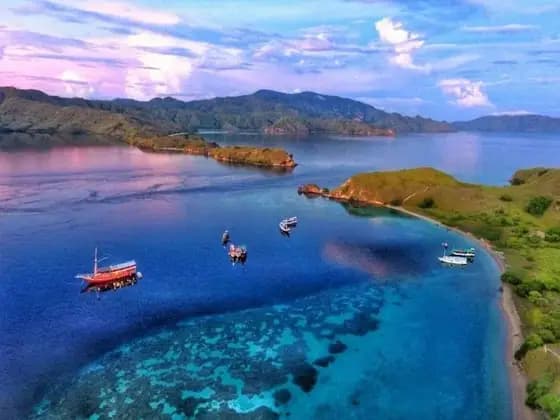
Lorsque le soleil effleure pour la première fois l'horizon au-dessus de Labuan Bajo, le parfum du varech salé se mêle à l'encens délicat du frangipanier provenant des villages voisins. La coque en bois d'un phinisi, polie par des générations de mains, luit ambrée dans la lumière matinale. Ce n'est pas qu'un bateau ; c'est un musée flottant qui porte l'âme de la culture maritime indonésienne.
Je suis monté pour la première fois à bord du Mahakam en 2019, un phinisi de 38 mètres construit à Bima avec du teck provenant de forêts gérées localement. Les planches de teck du pont conservent encore l'odeur légère de sciure fraîche, un rappel des artisans qui façonnèrent chaque poutre avec une combinaison de doloire et de fierté. Aujourd'hui, ce même navire vogue sous un système de propulsion hybride, prouvant que patrimoine et innovation peuvent coexister.
L'expression tourisme durable phinisi est bien plus qu'un argument marketing ; c'est un engagement mesurable. Voici un aperçu des pratiques de durabilité qui distinguent les compagnies modernes de charter de phinisi :
| Pratique | Description | Impact Mesurable |
|---|---|---|
| Propulsion Hybride | Moteurs diesel-électrique couplés à des panneaux solaires (en moyenne 2 kW de panneaux) | Réduction de 30 % des émissions de CO₂ par voyage |
| Politique de Rejet Zéro | Traitement des déchets à bord, pas de plastique à usage unique | Conformité à 100 % avec la réglementation des zones marines protégées (ZMP) indonésiennes |
| Repeuplement des Récifs | Partenariats avec Bali Coral Restoration pour planter 1 500 fragments par saison | Augmentation estimée de 5 % de la couverture corallienne vivante autour des sites de Komodo |
| Bénéfice Communautaire | Équipage recruté localement ; 15 % des frais de charter réinvestis dans les écoles villageoises | Amélioration directe des résultats éducatifs locaux |
Lors de la réservation, demandez au responsable de charter : « Quel pourcentage de notre carburant est compensé par des sources renouvelables ? » Une réponse transparente signale un engagement véritable. Renseignez-vous également sur le journal de bord quotidien — les meilleurs opérateurs partageront une copie montrant la gestion des déchets et les activités de restauration des récifs.
Le faible tirant d'eau du phinisi (souvent inférieur à 3 m) lui permet de glisser dans des mouillages que les yachts plus imposants ne peuvent atteindre. Cela ouvre la voie à des sites de plongée de classe mondiale à la fois spectaculaires et peu explorés.
Détail Sensoriel : L'eau est d'un jade cristallin, et le vrombissement faible du moteur s'estompe alors que vous dérivez vers le lagon, remplacé par les clics lointains du Cephalopod en quête de nourriture.
Conseil d'Initié : Positionnez le phinisi au « point idéal » marqué par un bloc de granit submergé ; l'ombre de la coque crée un bassin calme qui encourage les mantas à s'attarder.
Sensations Vécues : L'odeur des algues se mêle au parfum léger du frangipanier du village voisin, tandis que le clapotis doux des vagues contre la coque crée une rythmique apaisante.
Un phinisi est construit selon des techniques d'assemblage traditionnelles indonésiennes, produisant une coque qui se plie à la mer, réduisant la consommation de carburant. Sa taille (30–45 m) favorise l'intimité, tandis que ses systèmes de propulsion hybride incarnent le tourisme durable phinisi. Contrairement aux yachts en fibre de verre construits en série, chaque phinisi est unique — les artisans peuvent passer jusqu'à deux ans à façonner une seule coque. Le résultat est un navire qui respire avec l'océan plutôt que de lui résister.
La saison idéale s'étend d'avril à novembre, avec des pics de visibilité sous-marine en juin-août (jusqu'à 30 m). La mousson de l'ouest (décembre-mars) peut rendre certaines traversées difficiles, bien que les opérateurs expérimentés proposent des itinéraires alternatifs dans la mer de Flores. Les températures de surface oscillent entre 27–29 °C toute l'année, éliminant le besoin de combinaison épaisse.
Absolument. De nombreux opérateurs proposent des cabines communicantes et des programmes junior ranger axés sur la biologie marine. Le pont principal offre des espaces de jeu sécurisés, et la faible hauteur de la coque facilite l'accès à l'eau pour les jeunes nageurs. Cependant, les parents doivent noter que les escaliers entre ponts sont souvent raides — les enfants de moins de cinq ans nécessitent une supervision constante.
Recherchez les certifications suivantes :
Méfiez-vous des opérateurs qui utilisent le terme « éco » sans données vérifiables. Un véritable engagement durable se mesure en tonnes de CO₂ évitées, en fragments de corail replantés et en dollars réinvestis dans les communautés locales.
Les tarifs varient considérablement selon le niveau d'ameublement et la durée :
| Catégorie | Prix Journalier (USD) | Caractéristiques |
|---|---|---|
| Standard | 1 500 – 2 500 | Cabines privées, cuisine locale, équipement de plongée basique |
| Premium | 3 000 – 5 000 | Suites avec vue, cuisine fusion, masseur à bord, propulsion hybride |
| Ultra-luxe | 6 000 – 12 000 | Design sur mesure, hélicoptère embarqué (certains navires), chef étoilé, sous-marin personnel |
La plupart des charters proposent des tarifs dégressifs pour des séjours de 7+ nuits. N'oubliez pas de budgétiser les pourboires d'équipage (10–15 % du montant total) et les frais de parc nationaux (environ 25 USD/jour/personne pour Komodo).
Alors que l'industrie du voyage de luxe pivote vers la durabilité, le phinisi se positionne comme un modèle d'ingénierie adaptative. Les chantiers navals de Sulawesi expérimentent désormais des coques en teck certifié FSC combinées à des batteries au lithium-fer-phosphate, permettant des traversées entièrement silencieuses de 8 heures. Des systèmes de dessalement solaire réduisent la dépendance aux réservoirs d'eau douce, tandis que les voiles traditionnelles en toile de coton sont remplacées par des membranes en fibre de carbone qui captent le vent avec 40 % plus d'efficacité.
Cette évolution ne sacrifie pas l'âme du navire. Lors de ma dernière traversée en 2024, le capitaine du Mahakam — désormais équipé de panneaux solaires de 8 kW — a hissé les voiles à l'ancienne pour notre entrée dans la baie de Padar. Le grincement des poulies en bois, le claquement de la toile, le chant syncopé de l'équipage tirant les drisses : ces sensations intemporelles demeurent intactes. Ce qui change, c