Triton Bay Kaimana : le paradis de plongée caché d'Indonésie
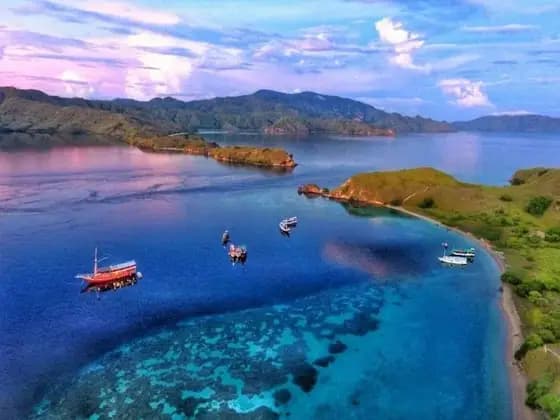
Le circuit Triton Bay Kaimana vous fait découvrir des lagons d’une transparence cristalline, des murs coralliens vertigineux et quelques‑unes des récifs les plus préservés de Papouasie occidentale. En quelques jours seulement, vous glisserez au‑sur des bancs de sable immaculés, croiserez des bancs de fusiliers et explorerez des grottes secrètes où l’eau porte un léger parfum d’algues et de pluie fraîche.
Faits essentiels
| Élément |
Détails |
| Lieu |
Triton Bay, régence de Kaimana, Papouasie occidentale, Indonésie |
| Meilleure période pour plonger |
Fin avril – octobre (saison sèche, mer calme) |
| Profondeurs habituelles |
5 m – 30 m (plongées murales jusqu’à 40 m) |
| Points forts marins |
Muraena helena (mérou géant), Acanthurus lineatus (chirurgien à lignes), Carcharhinus melanopterus (requin pointe noire) |
| Accès |
Vol de 2 h vers Sorong, puis 2 h de bateau rapide jusqu’à Triton Bay |
| Durée conseillée du circuit |
4–6 jours (incluant des plongées de nuit depuis la côte) |
| Opérateur local |
KomodoExplorer – flotte de charter Phinisi |
| Sécurité |
Maître‑plongeur à plein temps, chambre de recompression à bord, briefings quotidiens |
Pourquoi le tour Triton Bay Kaimana se démarque
Dès que vous montez à bord d’un Phinisi en bois, le goût salé de la mer se mêle à la subtile odeur d’encens qui émane des villages voisins. Le soleil teinte l’eau de turquoise et de jade, tandis que le doux clapotis des vagues contre la coque devient le rythme d’une liberté naissante. Triton Bay, c’est un musée vivant du corail, où chaque récif raconte une histoire de résilience et de couleur.
Contrairement aux sites bondés de Bali ou aux courants légendaires de Raja Ampat, Triton Bay reste largement préservée. Le tour triton bay Kaimana s’adresse aux plongeurs en quête d’intimité, de biodiversité intacte et d’une pointe d’aventure. Vous trouverez ci‑dessous les itinéraires, la faune marine et les astuces d’initiés qui rendent ce voyage inoubliable.
L’itinéraire : comment planifier votre circuit de plongée à Kaimana
- Réservez votre charter Phinisi – Choisissez un bateau adapté à la taille de votre groupe (12‑20 personnes). Demandez à l’opérateur les dates du tour de plongée Kaimana, la capacité en carburant et les équipements à bord.
- Organisez les vols vers Sorong – La plupart des voyageurs internationaux font escale à Jakarta. Un vol matinal vers Sorong vous garantit suffisamment de lumière pour le transfert en bateau.
- Transfert vers Triton Bay – Les 2 heures de navigation sont déjà une aventure ; gardez votre appareil photo prêt à capturer les dauphins qui surgissent en chemin.
- Acclimatation dans le lagon – Passez l’après‑midi à faire du snorkeling dans le lagon protégé ; la température de l’eau se maintient à 28 °C, idéale pour un échauffement en douceur.
- Jour 1 – « Mur des Merveilles » – Descendez à 20 m au Batu Baring Wall ; cherchez les Epinephelus (mérous) qui se cachent sous les surplombs.
- Jour 2 – « Caverne des Échos » – Explorez la Kaimana Cave (entrée à 12 m, profondeur intérieure de 25 m). Le goutte‑à‑goutte résonnant crée une ambiance méditative.
- Plongée de nuit – « Baie bioluminescente » – Lors d’une nuit sans lune, l’eau s’illumine de minuscules planctons. Le silence n’est rompu que par le léger clic de votre détendeur.
- Repos & Culture – Visitez un village local, goûtez le sago frais et écoutez les légendes des esprits marins ancestraux.
- Dernière plongée – « Allée des Requins » – À Manta Point, vous croiserez probablement un requin pointe noire solitaire qui patrouille le bord du récif.
- Retour à Sorong – Transfert pour votre vol de départ, chargé de souvenirs d’un monde sous‑marin immaculé.
Sites de plongée du tour Triton Bay Kaimana
1. Batu Baring Wall (Coordonnées Papouasie occidentale : 1°45′12″S 131°30′05″E)
- Profondeur : 15‑30 m
- Points forts : Mérous géants (Muraena helena), coraux mous éclatants, bancs occasionnels d’Acanthurus lineatus.
- Astuce d’initié : Plongez tôt (07 h‑09 h) lorsque la lumière pénètre l’eau sous un angle doré, révélant les textures complexes du mur.
2. Kaimana Cave (1°46′08″S 131°31′22″E)
- Profondeur : 12‑25 m (entrée), jusqu’à 35 m à l’intérieur.
- Points forts : Formations de stalactites, colonies de chauves‑souris résidentes, et parfois un Octopus vulgaris curieux.
- Astuce d’initié : Munissez‑vous d’une lampe à large faisceau ; la lumière du jour crée des rayons qui dansent sur les parois à midi.
3. Manta Point (1°44′55″S 131°32′10″E)
- Profondeur : 5‑20 m, idéale pour débutants comme plongeurs confirmés.
- Points forts : Manta rayes des récifs (Manta alfredi) se nourrissant de plancton, requins pointe noire (Carcharhinus melanopterus) occasionnels.
- Astuce d’initié : Planifiez la plongée à la marée montante (vers 15 h30) ; le courant amène le plancton et attire les mantas en grand nombre.
4. Baie bioluminescente (1°45′30″S 131°33′00″E)
- Profondeur : Surface à 5 m.
- Points forts : Le plancton phosphorescent crée une surface d’eau parsemée d’étoiles.
- Astuce d’initié : Choisissez une nuit sans lune et évitez toute lumière artificielle ; l’éclat naturel est le plus vif lorsque l’eau reste immobile.
Faune marine : ce que vous verrez
Le tour triton bay Kaimana est un véritable kaléidoscope vivant. Voici les espèces les plus fréquentes et photogéniques :
- Poissons de récif : Chromis spp. (demoiselles), Lutjanus spp. (vivaneaux), Zebrasoma flavescens (tang jaune).
- Pélagiques majeurs : Carcharhinus melanopterus (requin pointe noire), Sphyrna lewini (requin marteau à croissants) (rare mais déjà observé).
- Invertébrés : Tridacna gigas (palourdes géantes), crinoïdes, et parfois un nudibranche aux teintes bleues électriques.
- Macro‑vie : Hippocampus (hippocampes) accrochés aux herbiers, Cymatium (escargots) parcourant le sable.
Conseils pratiques d’initié pour une expérience Kaimana sans accroc
- Le timing est crucial : La saison sèche (avril‑octobre) offre des mers calmes et une visibilité exceptionnelle (jusqu’à 30 m). La lumière matinale donne les meilleures conditions pour la photographie sous‑marin.
- Attention aux marées : La plupart des plongées murales sont optimales à la marée montante ; le courant pousse le plancton et les petits poissons le long du mur, créant une véritable frénésie d’alimentation.
- Checklist matériel : Apportez un écran solaire respectueux des récifs (sans oxybenzone), un sac étanche pour vos appareils électroniques, et un masque de secours. Une ligne de plongée de 2 m est pratique pour la navigation en grotte.
- Interrogez l’opérateur : Renseignez‑vous sur les certifications de l’équipage du tour de plongée Kaimana, la présence d’une chambre de recompression et le programme des briefings quotidiens.
- Respect culturel : Lors de vos visites de villages, habillez‑vous modestement et demandez l’autorisation avant de photographier les habitants. Un petit présent de fruits ou de café est toujours apprécié.
- Précautions santé : Emportez une trousse de premiers secours personnelle, des comprimés antipaludiques (si recommandés) et restez bien hydraté ; la chaleur tropicale peut être trompeuse.
Questions fréquentes (FAQ)
En quoi le tour Triton Bay Kaimana diffère‑t‑il des autres sites de plongée de Papouasie occidentale ?
La lagune protégée de Triton Bay, ses murs coralliens abruptes et le faible flux touristique offrent un mélange unique de biodiversité vierge et d’expériences de plongée intimistes. Contrairement aux sites très fréquentés de Raja Ampat, vous serez souvent les seuls plongeurs sur un mur, ce qui permet d’observer la vie marine sans interruption.
Quel est le niveau de difficulté des plongées du tour de plongée Kaimana ?
Le circuit propose plusieurs niveaux. Les plongées murales comme Batu Baring sont modérées (max 30 m) et conviennent aux plongeurs certifiés Open Water avancés. La plongée en grotte requiert des compétences de base en plongée en épave à cause de la profondeur et des espaces confinés. Les plongées de nuit sont douces, avec des profondeurs inférieures à 10 m, accessibles à la plupart des plongeurs certifiés.
Un charter Phinisi est‑il sûr pour des séjours prolongés ?
Oui. Les Phinisi modernes sont équipés de GPS, de communications satellite et d’une infirmerie entièrement approvisionnée. La flotte de KomodoExplorer fait l’objet d’inspections trimestrielles, et chaque charter comprend un maître‑plongeur certifié ainsi qu’un responsable sécurité à bord.
Puis‑je combiner le tour Triton Bay avec une visite à Raja Ampat ?
Absolument. De nombreux opérateurs proposent un itinéraire combiné : 3‑4 jours à Triton Bay avant de se diriger vers les îles légendaires de Raja Ampat. Cela maximise votre immersion dans les écosystèmes marins variés de la Papouasie occidentale.
Quelle est la meilleure période de l’année pour photographier la vie marine à Triton Bay ?
La saison sèche (avril‑octobre) procure un ciel dégagé et de faibles houles, générant une lumière douce et diffuse idéale pour la photo sous‑marin. Les matinées offrent une teinte chaude et dorée qui fait ressortir les rouges et oranges des coraux.
Comment réserver votre tour Triton Bay Kaimana
Prêt à découvrir la beauté intacte de la Papouasie occidentale ? Rendez‑vous sur le portail de charter KomodoExplorer, choisissez un Phinisi adapté à votre groupe et sélectionnez le forfait tour triton bay Kaimana. Notre équipe dédiée s’occupe de la coordination des vols, de l’assistance visa et des briefings pré‑plongée, garantissant une aventure fluide dès votre arrivée à l’aéroport.
Commencez votre aventure dès aujourd’hui – cliquez ici pour réserver votre place au prochain tour de plongée Kaimana et découvrir pourquoi ce paradis de plongée caché devient rapidement la destination sous‑marin la plus prisée d’Indonésie.
Dernières réflexions
Le tour triton bay Kaimana n’est pas qu’un simple itinéraire de plongée ; c’est un pèlerinage vers un sanctuaire marin où chaque nageoire, chaque branche de corail et chaque rayon de lumière vous accueille comme une invitation personnelle. En glissant dans l’eau turquoise, le monde de surface s’estompe, remplacé par le doux bourdonnement de l’océan et le chœur vibrant des poissons. Laissez le pont en bois du Phinisi se balancer sous vos pieds et laissez le parfum de la mer ancrer ce moment qui restera gravé longtemps après votre retour sur terre.
Embarquez avec confiance, curiosité et respect, et vous reviendrez avec des récits inspirants, des photos envoûtantes et un amour renouvelé pour les écosystèmes les plus spectaculaires de notre planète.