Bulukumba phinisi shipbuilders are the artisans who craft the iconic wooden sailing vessels—phinisi—that power Komodo’s yacht charters. Their work blends centuries‑old carpentry techniques with modern marine standards, producing boats that are as resilient as they are beautiful.
Key Facts
- Location: Bulukumba, South Sulawesi, Indonesia
- Primary craft: Traditional wooden sailing yachts (phinisi)
- Typical hull length: 15–30 m (50–100 ft)
- Construction time: 12–24 months per vessel
- Materials: Teak, ironwood, and locally sourced hardwoods
- Seasonal peak: Dry season (May–October) for launch ceremonies
- Nearby attractions: Wakatobi National Park, Makassar harbor, Tanjung Bira beach
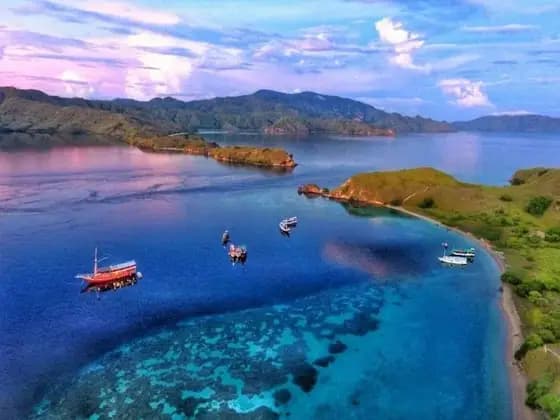
A phinisi is more than a boat; it is a living museum of maritime heritage. The term derives from the ancient Bugis word pinasé, meaning “boat that can travel the seas.” A typical phinisi measures between 15 and 30 meters, carries two to four masts, and features a sleek, low‑profile hull that slices through the turquoise waters of the Komodo archipelago.
The phinisi’s reputation for speed and stability is why KomodoExplorer’s fleet of luxury Phinisi yachts all trace their ancestry back to bulukumba phinisi shipbuilders.
The coastal village of Bulukumba has been a shipbuilding hub for over four centuries. Oral histories recount that the first pinasé was launched in 1650, crafted by a small group of Bugis carpenters who fled the Dutch‑controlled Makassar. Over time, the craft migrated inland, settling in the sheltered coves of Bulukumba where the salty breeze meets the scent of fresh teak.
| Year | Milestone |
|---|---|
| 1650 | First documented pinasé built by Bugis refugees. |
| 1800 | Introduction of iron nails, improving hull integrity. |
| 1900 | Dutch colonial administration commissions larger cargo phinisi. |
| 1970 | Tourism boom; phinisi repurposed for luxury charters. |
| 2005 | KomodoExplorer partners with local shipyards for custom builds. |
| 2020 | First fully carbon‑neutral phinisi launched from Bulukumba. |
The phinisi boat building bulukumba tradition survived because each generation taught the next the precise art of tongkol (keel laying) and sambung (plank joining). Today, more than 30 active shipyards dot the coastline, each a family‑run workshop where the scent of sawdust mingles with the salty tang of the sea.
Understanding a phinisi’s anatomy helps you appreciate the skill of bulukumba phinisi shipbuilders. Below is a walk‑through of the main components, with sensory cues you’ll encounter on the shop floor.
When visiting a shipyard, ask the master carpenter, “Bagaimana proses penempatan balok utama?” (How do you place the main keel beam?). The answer will often include a secret handshake and a story about a particular ironwood tree that survived a cyclone in 1992—details you won’t find in guidebooks.
If you’re planning a side‑trip from Labuan Bajo to witness a phinisi being built, follow this practical HowTo. Each step is based on my own experience guiding dive crews through Bulukumba’s bustling yards.
Choose the Right Season
Book a Local Guide
Arrange Transport
Timing Your Visit
Safety & Etiquette
Ask the Right Questions
Enjoy the Local Flavors
When the shipyard’s chief engineer shows you the phinisi boat building bulukumba blueprint, request a copy of the rencana kerja (work plan). It outlines the exact timeline—from keel laying to launch—and often includes a blessing ceremony schedule, which is a rare glimpse into the cultural heart of the craft.
A typical bulukumba phinisi shipbuilder spends 12 to 24 months on a full‑size yacht. The timeline depends on wood availability, weather conditions, and whether the vessel is a custom order. The keel is laid in the first month, followed by frame assembly (3‑4 months), planking (6‑8 months), and final outfitting (2‑3 months).
Ironwood (kayu besi) and teak are chosen for their natural resistance to rot and marine borers. Ironwood’s density (≈ 1,200 kg/m³) gives the hull exceptional strength, while teak’s natural oils repel water, reducing maintenance. The phinisi boat building bulukumba tradition insists on wood harvested from sustainably managed forests, a practice reinforced by the Indonesian Ministry of Marine Affairs.
Yes. Several shipyards offer custom phinisi builds for private owners. The process begins with a design consultation, followed by a deposit (usually 30 % of the total cost). Buyers can watch the construction progress via live video feeds—a service introduced by KomodoExplorer’s partnership program.
Many Bulukumba yards now pursue ISO 14001 environmental management certification. In 2020, the first carbon‑neutral phinisi—Bintang Laut—was launched, featuring solar panels and a hybrid diesel‑electric propulsion system.
While fiberglass yachts are lighter and require less maintenance, a phinisi offers cultural authenticity, a warm wooden interior, and a sailing experience that feels more connected to the sea. The wooden hull also provides a natural dampening effect, reducing roll and pitch—an advantage for divers heading to Komodo’s famed dive sites.
KomodoExplorer’s fleet showcases the finest examples of traditional phinisi construction, but the impact of bulukumba phinisi shipbuilders extends far beyond luxury charter. Their craftsmanship fuels the regional economy, supports sustainable forestry, and preserves a maritime language that would otherwise be lost.
During a recent visit to the Satria shipyard, I learned that the master shipwright, Pak Hadi, has been teaching the tongkol technique to his grandchildren for the past 20 years. He told me, “When the wood sings under the hammer, you hear the voice of the ancestors.” This sentiment captures why bulukumba phinisi shipbuilders are custodians of a living heritage.
If you’re inspired to sail on a vessel born in Bulukumba, here’s a concise checklist to ensure a seamless adventure.
While Bulukumba’s shipyards are a magnet for maritime enthusiasts, the surrounding region offers a wealth of experiences that complement your phinisi pilgrimage.
Link to these attractions can be found in our guide to Komodo diving and Lombok island adventures.
The bulukumba phinisi shipbuilders are the beating heart of Indonesia’s maritime legacy. Their dedication to traditional techniques, combined with a forward‑looking embrace of sustainability, ensures that every phinisi sailing from Labuan Bajo carries a story of craftsmanship, community, and the endless blue horizon. Whether you’re a diver, a sailor, or a cultural explorer, witnessing a phinisi rise from timber to triumph is an experience that will linger in your senses—like the scent of teak after a rainstorm, the echo of a hammer on a quiet morning, and the sight of a newly launched hull cutting through crystal waters.
Book your next adventure with KomodoExplorer today and step aboard a phinisi crafted by bulukumba phinisi shipbuilders. Our curated charter packages include a behind‑the‑scenes shipyard tour, expert crew, and unforgettable dives among Komodo’s legendary reefs. Click here to reserve your voyage and become part of the living heritage that sails the Indonesian seas.