Answer: A Raja Ampat liveaboard in 2026 offers a week‑long immersion in the world’s most biodiverse marine park, with daily dives on sites like Cape Kri (30 m), Manta Sandy (25 m), and the legendary “Bermuda Triangle” of Misool. Choose a reputable operator, plan for the dry season (October‑April), and book early to secure the best Raja Ampat liveaboard experience.
| Item | Details |
|---|---|
| Best Time to Dive | October – April (dry season) |
| Typical Liveaboard Duration | 7–10 nights |
| Average Daily Dives | 2–3 per day |
| Top Dive Sites | Cape Kri, Manta Sandy, Misool “Bermuda Triangle”, Arborek, Sawtooth |
| Depth Range | 5 m – 35 m (some sites to 40 m) |
| Marine Life Highlights | >1,300 reef fish species, 75 % of known coral species, mantas, pygmy seahorses, wobbegongs |
| Typical Cost (2026) | US$2,200 – $4,500 per person (incl. meals, fuel, park fees) |
| Departure Ports | Sorong (West Papua) – most common; also Merauke for remote itineraries |
| Required Gear | Wetsuit (5 mm), reef‑safe sunscreen, dive computer, personal regulator (optional) |
| Visa | Visa‑on‑arrival for most nationalities; ensure passport validity ≥ 6 months |
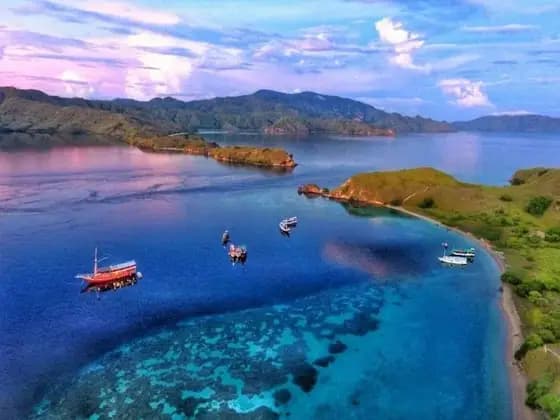
Raja Ampat’s remote archipelago stretches over 1,500 islands, each cloaked in turquoise lagoons and towering karst cliffs. The sheer scale means that shore‑based diving only scratches the surface. A liveaboard positions you at the water’s edge before sunrise, letting you chase the day’s first light over the reef—a moment when the water turns glassy, and schools of Chaetodon butterflyfish flicker like living stained glass.
From my own weeks aboard the Sea Explorer in 2024, I learned that the real magic happens between the dives: the scent of salt‑laden air mingling with the faint perfume of mangrove blossoms, the low hum of the engine as the hull glides through calm seas, and the nightly chorus of night‑jars and distant surf. Those sensory details become the backdrop for the underwater spectacles that follow.
| Priority | What to Look For |
|---|---|
| Dive Intensity | 2–3 dives per day, with optional night dives |
| Comfort Level | Cabins with en‑suite bathrooms vs. shared facilities |
| Size of Vessel | 12‑person boutique yachts for intimacy vs. 30‑person larger ships |
| Route Flexibility | Fixed itineraries vs. custom itineraries (ask operator) |
| Conservation Commitment | Partnerships with local NGOs, reef‑restoration programs |
A “best Raja Ampat liveaboard” package should bundle:
Check the latest Google and TripAdvisor reviews (2025‑2026). Pay attention to comments about water temperature, crew professionalism, and post‑dive debriefs. A pattern of “friendly guides who explain currents” signals an operator who values education as much as adventure.
| Month | Surface Conditions | Marine Highlights |
|---|---|---|
| October | Calm seas, early dry season | Manta Ray aggregations at Manta Sandy |
| November | Slight swell, clearer water | Peak coral spawning (mid‑Nov) |
| December | Warm water (28‑29 °C) | Whale shark sightings off Misool |
| January | Light rain, excellent visibility (30 m) | Schools of Acanthurus and Zebrasoma |
| February | Consistent trade winds, steady currents | Turtle nesting on small islands |
| March | End of dry season, still good visibility | Pygmy seahorse colonies on Acropora |
| April | Transition to wet season, still manageable | First wave of migratory pelagics |
Insider tip: The best time for night dives on Manta Sandy is the new moon in November when the water is darkest and the mantas are most active.
Often hailed as the “rainforest of the reef,” Cape Kri boasts over 750 species in a single dive. The current runs from east to west, bringing plankton that attracts massive schools of Scomberomorus (Spanish mackerel) and Lutjanus (snapper). Look for the resident Pseudanthias (fairy basslet) that darts among the branching corals.
Depth: 20‑35 m
Best Time: Early morning (6‑8 am) when the light penetrates the overhangs.
A shallow, sandy plateau where mantas congregate to feed on zooplankton. The water here is warm (29 °C) and often calm, allowing for close encounters. Bring a wide‑angle lens; the manta’s wing‑like pectoral fins create a spectacular silhouette against the sun.
Depth: 15‑25 m
Best Time: Mid‑day during a new moon for optimal plankton bloom.
A remote tri‑point where three currents intersect, forming a vortex that attracts pelagic fish. The site is famous for Mola mola (sunfish) and occasional Carcharhinus (reef sharks). The reef walls are draped in Tubastraea (orange cup coral), providing a dramatic backdrop.
Depth: 30‑40 m
Best Time: Late afternoon when the current slows.
A community‑run dive site known for its friendly locals and vibrant macro life. Here you’ll find Hippocampus bargibanti (pygmy seahorse) clinging to Muricella sponges, and the occasional Hippocampus (seahorse) camouflaged among the soft corals.
Depth: 10‑20 m
Best Time: Mid‑morning when the water is calm.
A dramatic ridge of limestone spires that creates a “sawtooth” silhouette when viewed from the surface. The reef is home to Epinephelus (grouper) ambush predators, and the overhangs shelter giant Lobophytum (leather corals).
Depth: 25‑35 m
Best Time: Early evening for soft‑gold lighting.
A 7‑night itinerary strikes a balance between covering the main dive sites and allowing for rest days. If you have more time, an 8‑ or 10‑night trip lets you explore the remote southern islands like Kri Bay and the Dampier Strait’s hidden lagoons.
Prices range from US$2,200 for a basic 7‑night package on a larger vessel to US$4,500 for a boutique yacht with en‑suite cabins, private decks, and a marine‑conservation program. The cost includes fuel, park fees, meals, and most equipment rentals.
Yes, a minimum of PADI Open Water or equivalent is required. Some operators also accept CMAS 1‑star. If you’re a certified diver but lack recent experience, many liveaboards offer a refresher dive on day 1.
Bring a 5 mm shorty wetsuit, reef‑safe sunscreen, dive computer, and a personal regulator if you prefer. Most liveaboards provide BCDs, tanks, and weight systems, but it’s wise to carry a backup mask and snorkel.
Night dives are common on sites like Manta Sandy and Misool. Operators use high‑intensity LED lights and conduct thorough safety briefings. Always follow the dive master’s guidance, and keep a close eye on your depth gauge.
Choose operators that source food from Sorong’s fish market, employ local crew, and contribute a portion of their fees to community projects. Many liveaboards organize beach clean‑ups and coral‑planting sessions you can join.
| Time | Activity |
|---|---|
| 05:30 | Wake‑up call; fresh coffee on the deck as the sun rises over the karst islands. |
| 06:00 | First dive – Cape Kri (drift dive, 30 m). |
| 08:00 | Breakfast – grilled fish, tropical fruit, and local sambal. |
| 09:30 | Second dive – Manta Sandy (manta encounter, 20 m). |
| 12:00 | Lunch – fresh salad, rice, and a selection of Indonesian sauces. |
| 14:00 | Rest / optional shore excursion (visit a local village). |
| 16:30 | Third dive – Misool “Bermuda Triangle” (pelagic spotting, 35 m). |
| 19:00 | Dinner – seafood paella with a touch of lemongrass. |
| 20:30 | Night dive – Manta Sandy (bioluminescent plankton, 15 m). |
| 22:00 | Debrief – crew shares photos, marine life notes, and plans for the next day. |
Raja Ampat’s marine park is a UNESCO World Heritage Site, but it faces pressures from illegal fishing and climate change. Many liveaboard operators partner with NGOs like Raja Ampat Marine Conservation to fund reef‑restoration projects. When you book a liveaboard, a portion of your fee often supports:
Ask your operator how they allocate contributions; transparency is a hallmark of a reputable “best Raja Ampat liveaboard”.
Ready to set sail? Visit our Liveaboard Booking page, select the Raja Ampat 2026 itinerary, and choose your preferred cabin class. Our team will guide you through the deposit, visa requirements, and pre‑trip gear checklist. Early birds enjoy a 5 % discount when you confirm by 15 February 2026.
A Raja Ampat liveaboard in 2026 isn’t just a vacation; it’s an immersion into a living museum of marine life, where each dive feels like turning a page in an underwater atlas. From the roar of the diesel engine at dawn to the quiet whisper of a manta’s wing gliding overhead, the experience is as sensory as it is spectacular. By choosing a responsible operator, respecting the reef, and embracing the local culture, you become part of the story that keeps Raja Ampat’s waters vibrant for generations.
Book your spot today and let KomodoExplorer turn your dream of a Raja Ampat liveaboard into a reality. Click the link below to start your journey:
Reserve Your 2026 Raja Ampat Liveaboard – limited cabins fill fast, so secure your adventure now!