Lista di imballaggio per Komodo per passeggeri di crociera: escursione a terra
Risposta diretta: Per un'escursione a terra a Komodo, imballa abbigliamento leggero e traspirante, scarpe chiuse robuste, protezione solare (cappello, crema solare, occhiali da sole con filtro UV), una borraccia riutilizzabile e una piccola dry‑bag per l'elettronica. Aggiungi una giacca leggera antipioggia, un kit di pronto soccorso compatto e una guida sul fauna delle isole. Questi elementi essenziali ti mantengono comodo, al sicuro e pronto a esplorare i paesaggi aspri e le barriere coralline vibranti del Parco Nazionale di Komodo.
Dati fondamentali
- Clima: Tropicale, con temperature diurne tra 30‑33 °C (86‑91 °F) e notti tra 24‑26 °C (75‑79 °F).
- Mesi migliori: Aprile‑Giugno e Settembre‑Novembre (stagione secca, mare più calmo).
- Durata tipica dell’escursione a terra: 4–8 ore, a seconda dell’itinerario.
- Equipaggiamento richiesto: Protezione solare, calzature robuste, dry‑bag impermeabile, borraccia riutilizzabile.
- Nota di sicurezza: Non nuotare in alcune baie a causa di forti correnti; segui sempre le indicazioni della guida.
Perché è importante imballare correttamente a Komodo
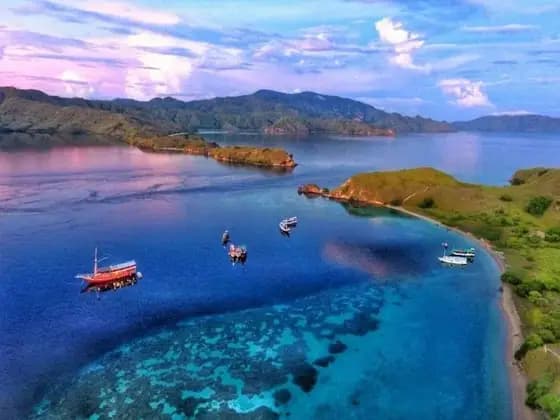
Il profumo della salsedine si mescola all’aroma terroso della savana secca mentre scendi dal Phinisi a Labuan Bajo. L’aria dell’isola porta un leggero sentore di frangipane, mentre i richiami lontani del pollo di foresta a piedi aranciate riecheggiano tra le scogliere di calcare. In questo contesto, l’attrezzatura giusta può fare la differenza tra un’avventura indimenticabile e una giornata scomoda. Di seguito trovi una lista curata, frutto di anni di esperienza nella conduzione di immersioni e escursioni a Komodo, Lombok e alle isole vicine.
Lista di imballaggio principale
Abbigliamento
| Articolo |
Motivo |
Consigli |
| Magliette traspiranti (2–3) |
Ti mantengono freschi e si asciugano rapidamente dopo un tuffo o una sudata. |
Scegli colori chiari per riflettere il sole. |
| Maglia a maniche lunghe con protezione UV |
Protezione solare aggiuntiva per le escursioni a mezzogiorno. |
Cerca tessuto con UPF 50+. |
| Pantaloni da trekking convertibili |
Versatili per trekking e ponti delle barche. |
Gambi con zip per una rapida conversione in shorts. |
| Giacca antipioggia leggera |
Improvvisi acquazzoni tropicali sono frequenti, soprattutto nel pomeriggio. |
Riponi in un sacco compressore per risparmiare spazio. |
| Costume da bagno |
Obbligatorio per lo snorkeling a Pink Beach o Manta Point. |
Il tessuto ad asciugatura rapida è ideale. |
| Cappello a tesa larga |
Protegge viso e collo da intensi raggi UV. |
Un cappello di paglia pieghevole si adatta facilmente allo zaino giornaliero. |
| Buff o scaldacollo |
Protegge dalla polvere della savana e dal sole sulla barca. |
Può fungere da mascherina in condizioni ventose. |
Calzature
- Scarpe da trekking chiuse robuste (ad es. suole Vibram) – indispensabili per sentieri di calcare irregolari e ponti scivolosi.
- Sandali resistenti all’acqua – utili per passeggiate sulla spiaggia e snorkeling; tienili separati dalle scarpe da trekking per evitare contaminazioni.
Protezione solare e antizanzare
- Crema solare ad ampio spettro SPF 50+ – applica generosamente; riapplica ogni due ore, soprattutto dopo il nuoto.
- Occhiali da sole con filtro UV – le lenti polarizzate riducono i riflessi sull’acqua.
- Repellente per insetti (DEET 20% o alternative naturali) – necessario per le visite al tramonto nell’interno boscoso dell’isola, dove le zanzare si radunano.
- Balsamo post-puntura – lenitivo per morsi inaspettati.
Idratazione e nutrizione
- Borraccia riutilizzabile (1 L) – riempi alle stazioni d’acqua della nave; mantenere l’idratazione previene lo stress da calore.
- Compresse di elettroliti – pratiche per le giornate calde sul sentiero.
- Barrette energetiche o frutta secca – snack leggero per una spinta di energia a metà escursione.
Elettronica e documentazione
- Dry‑bag (10 L) – protegge telefono, fotocamera e mappe cartacee dallo spray marino.
- Custodia impermeabile per il telefono – per foto subacquee a 5‑10 m di profondità.
- Guida compatta sul fauna di Komodo (es. Komodo Wildlife Handbook) – aiuta a identificare i famosi draghi di Komodo, il pollo di foresta a piedi aranciate e i vivaci pesci di barriera come il Banggai cardinalfish (Pterapogon kauderni).
- Copia del passaporto e tessera assicurativa – conserva una copia digitale sul telefono e una stampa nello zaino.
Salute e sicurezza
- Mini kit di pronto soccorso – includi cerotti, salviette antisettiche, analgesici e eventuali farmaci personali.
- Compresse contro il mal di mare – anche i marinai più esperti possono sentirsi nauseati su mari agitati.
- Salviette igieniche – utili dopo lunghe camminate dove le docce sono limitate.
Come imballare in modo efficiente: una guida passo‑passo
- Inizia con uno zaino giornaliero robusto (30‑35 L) – scegli un modello con schienale imbottito e cinghie di compressione esterne.
- Stendi tutti gli oggetti su una superficie pulita; separa abbigliamento, calzature e accessori in tre pile.
- Arrotola i capi invece di piegarli; così riduci le pieghe e massimizzi lo spazio.
- Posiziona gli oggetti più pesanti (dry‑bag con elettronica, kit di pronto soccorso) sul fondo dello zaino, vicino alla colonna vertebrale, per una migliore distribuzione del peso.
- Inserisci la giacca antipioggia nella tasca frontale a rete; può fungere da copertura rapida se ti sorprende una pioggerellina.
- Riponi la borraccia riutilizzabile nel compartimento laterale; assicurati che il tappo sia ben chiuso.
- Metti il repellente per insetti e la crema solare nella tasca con cerniera superiore per un facile accesso.
- Chiudi la dry‑bag e fissala all’esterno dello zaino con un moschettone – così l’attrezzatura resta asciutta e pronta per essere prelevata rapidamente.
- Fai un controllo finale del peso – lo zaino dovrebbe risultare confortevole, senza superare i 10‑12 kg per la maggior parte degli adulti.
Consigli da insider sul campo
- La luce del mattino è fondamentale: il momento migliore per avvistare la fauna su Padar Island è l’alba precoce (intorno alle 05:30 locale). La luce dorata esalta i rossi della pelle del drago di Komodo e le tonalità turchesi del mare circostante.
- Tempistica delle maree: per lo snorkeling a Manta Point (profondità 12‑20 m), programma la visita durante l’alta marea. L’aumento del livello dell’acqua riduce il rischio di colpire la barriera e migliora la visibilità per osservare le mante (Manta birostris).
- Chiedi al tuo operatore: “Fornite crema solare sicura per i coralli?” La maggior parte dei operatori Phinisi affidabili porta opzioni reef‑friendly che proteggono la vita marina.
- Mantieni l’idratazione: anche se la nave offre acqua in bottiglia, porta una bottiglia ricaricabile per ridurre i rifiuti plastici e mantenere costante il livello di idratazione.
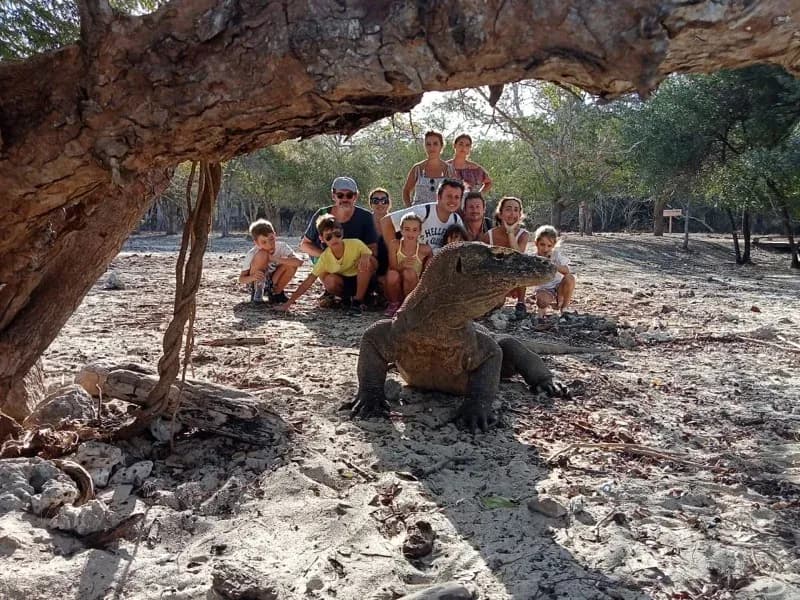
- Etichetta locale: quando incontri un drago di Komodo, mantieni una distanza minima di 10 m (33 ft). La guida segnalerà quando è sicuro avvicinarsi.
Domande frequenti (FAQ)
Cosa devo portare per un'escursione a terra a Komodo?
Porta abbigliamento traspirante, scarpe chiuse robuste, protezione solare, una borraccia riutilizzabile, una giacca leggera antipioggia, una piccola dry‑bag e una guida compatta sul fauna. Aggiungi oggetti personali come un kit di pronto soccorso, repellente per insetti e compresse contro il mal di mare per un ulteriore livello di comfort e sicurezza.
Quanta acqua è necessaria per una giornata sulle isole?
Punta a almeno 2 L di acqua per persona al giorno. Il caldo tropicale può provocare una rapida disidratazione, soprattutto durante le escursioni su Rinca Island dove le temperature superano spesso i 32 °C (90 °F). Riempi la tua bottiglia alle stazioni d’acqua della nave ogni volta che puoi.
Posso nuotare in tutti i siti delle escursioni a terra?
Non tutte le baie sono sicure per il nuoto. Pink Beach (Pantai Merah) offre acque calme e poco profonde ideali per lo snorkeling, mentre le correnti lungo la costa occidentale di Komodo Island possono essere forti. Segui sempre le indicazioni della guida e presta attenzione ai cartelli.
È necessaria una fotocamera speciale per la fotografia subacquea?
Una custodia impermeabile per il telefono o una piccola housing subacquea per una fotocamera mirrorless è sufficiente per la maggior parte delle foto durante le escursioni a terra. Le profondità raramente superano i 15 m, quindi una housing certificata fino a 30 m proteggerà l’attrezzatura consentendo scatti nitidi di pesci di barriera come il pesce pagliaccio (Amphiprion percula) e formazioni coralline.
È necessario portare un cappello se la nave fornisce già protezione solare?
Sì. L’ombra sul ponte della nave può essere limitata e l’angolo del sole cambia rapidamente sulle isole. Un cappello a tesa larga garantisce protezione costante per viso, collo e orecchie, riducendo il rischio di scottature durante lunghe camminate o gite in barca.
Imballaggio per escursioni specifiche
Escursione all’alba sull’isola Padar
- Calzature: scarpe da trekking robuste con buona aderenza.
- Abbigliamento: maglia a maniche lunghe con protezione UV, pantaloni convertibili e una felpa leggera per il fresco mattutino (15 °C).
- Attrezzatura: piccoli binocoli per avvistare il pollo di foresta a piedi aranciate, e una fotocamera con obiettivo teleobiettivo per i panorami dell’alba.
Trek dell’Isola Rinca per i draghi di Komodo
- Calzature: scarpe chiuse con supporto alla caviglia.
- Abbigliamento: maglia traspirante, pantaloni leggeri e un cappello.
- Sicurezza: porta un fischietto (alcuni guide lo forniscono) e un kit di pronto soccorso compatto.
Snorkeling a Manta Point
- Costume: boardshorts ad asciugatura rapida o una rash guard.
- Attrezzatura: custodia impermeabile per il telefono, crema solare rispettosa dei coralli e una piccola maschera da snorkeling.
- Idratazione: porta una borraccia con elettroliti; l’acqua può essere tiepida in profondità.
Riepilogo della checklist (pronta per la stampa)
[ ] Magliette traspiranti (2–3)
[ ] Maglia a maniche lunghe con protezione UV
[ ] Pantaloni da trekking convertibili
[ ] Giacca antipioggia leggera
[ ] Costume da bagno
[ ] Cappello a tesa larga
[ ] Buff/scaldacollo
[ ] Scarpe da trekking robuste
[ ] Sandali resistenti all’acqua
[ ] Crema solare SPF 50+
[ ] Occhiali da sole UV
[ ] Repellente per insetti
[ ] Balsamo post-puntura
[ ] Borraccia riutilizzabile (1 L)
[ ] Compresse di elettroliti
[ ] Barrette energetiche / frutta secca
[ ] Dry‑bag (10 L)
[ ] Custodia impermeabile per il telefono
[ ] Guida sul fauna di Komodo
[ ] Copia del passaporto & tessera assicurativa
[ ] Mini kit di pronto soccorso
[ ] Compresse contro il mal di mare
[ ] Salviette igieniche
Stampa questa lista e spunta ogni voce prima di imbarcarti sul Phinisi.
Risorse interne
Considerazioni finali
Preparare la valigia per un'escursione a terra a Komodo non è solo questione di far entrare gli oggetti in uno zaino; è una preparazione per un viaggio sensoriale tra scogliere di calcare, foreste smeraldo e acque cristalline. Scegliendo l’abbigliamento, le calzature e l’attrezzatura protettiva giusta, rendi omaggio alla bellezza selvaggia dell’isola e ti assicuri di poter interagire appieno con la sua fauna iconica – dal possente drago di Komodo alla maestosa manta che scivola a 15 m di profondità.
Ricorda, l’aria di mare porta un sentore salato, la foresta emana un profumo secco e terroso, e l’alba dipinge il cielo di un arancione infuocato. Con una lista di imballaggio ben studiata, ti sentirai a tuo agio come un pescatore locale e avventuroso come un subacqueo esperto.
Pronto a salpare? Prenota il tuo charter Phinisi con KomodoExplorer oggi stesso e lascia che il nostro equipaggio esperto si occupi della logistica mentre tu ti concentri sull’avventura. Clicca qui per riservare il tuo posto e inizia a fare le valigie con sicurezza!