
Un tour nelle Isole delle Spezie è un’avventura in vela di più giorni che collega porti commerciali storici, barriere coralline incontaminate e isole vulcaniche dell’arcipelago delle Maluku. In 7‑10 giorni solcherai il Mare di Banda a bordo di una liveaboard, tufferai in siti di livello mondiale e assaporerai chiodi di garofano, noce moscata e la brezza marina che ha ispirato gli esploratori per secoli.
| Elemento | Dettagli |
|---|---|
| Durata | 7–10 giorni (liveaboard) |
| Stagione migliore | aprile – ottobre (secco, mare calmo) |
| Basi principali | Ambon, Banda Neira, Isole Kei |
| Imbarcazione tipica | Phinisi a cat‑rig di 30 ft, capacità 12 persone |
| Siti subacquei principali | Pulau Pasir (30 m), Hatta Reef (25 m), Tanjung Batur (22 m) |
| Fauna marina | Manta rays, wobbegong sharks, pygmy seahorses |
| Attrazioni culturali | Mercati delle spezie, fortezze olandesi, cerimonie sasi tradizionali |
| Costo medio | US$2.200 – $3.500 a persona, inclusi pasti, carburante, guida |
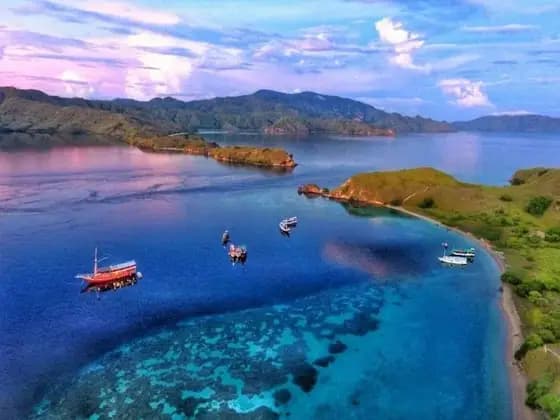
Le Isole Maluku, un tempo unica fonte mondiale di chiodi di garofano e noce moscata, vibrano ancora di profumo di alberi di spezie e dell’eco di rotte marittime secolari. Un tour nelle Isole delle Spezie offre più di una classica vacanza subacquea: si naviga in un museo vivente di fortezze coloniali, poste commerciali e villaggi che mantengono vivo il sistema tradizionale sasi (gestione delle risorse). L’acqua è un caleidoscopio di turchese ed smeraldo, spesso illuminata da un’alba che dipinge il mare con pennellate d’oro.
Una liveaboard nel Mare di Banda è solitamente un Phinisi tradizionale, intagliato a mano in teak e dotato di strumentazione di navigazione moderna. Lo scafo a basso pescaggio permette di ancorare in cale nascoste dove le navi più grandi non possono arrivare. Quando prenoti, chiedi al gestore:
Queste domande ti assicurano di non rimanere a secco in una giornata senza immersioni.
La maggior parte degli itinerari parte da Ambon, capitale delle Maluku, poi si dirige a est verso le Isole Banda (Banda Neira, Banda Besar), prima di girare a nord attraverso le Isole Kei e a sud verso Seram. Un percorso tipico è:
I venti monsonici cambiano intorno a metà aprile. Salpare prima di quel periodo può risultare agitato, mentre la stagione secca (giugno‑settembre) offre mari calmi, acqua più limpida (visibilità 15‑30 m) e la migliore occasione per avvistare Mola mola in superficie. Pianifica la partenza in coincidenza con una luna nuova per condizioni ottimali di immersione notturna.
La natura remota delle Maluku significa che le strutture mediche si limitano all’Ambon General Hospital. Porta con te un kit di pronto soccorso, compresse antimalariche e una radio VHF impermeabile. L’equipaggio deve essere certificato secondo gli standard STCW (Standards of Training, Certification, and Watchkeeping).
Salire su un Phinisi è come entrare in un museo galleggiante. Il ponte è teak lucido, le pareti interne sono adornate da pannelli intagliati a mano che raccontano le rotte del commercio delle spezie. La cucina propone piatti indonesiani—pesce fresco alla griglia, sambal e sambal terasi dal profumo di pasta di gamberi fermentata e lime. Di notte, il lieve cigolio dello scafo si mescola al richiamo distante di una cicogna notturna giavanese.
| Ora | Attività |
|---|---|
| 06:00 | Alba sul ponte, caffè preparato su fornello a legna |
| 08:00 | Colazione, briefing su sito di immersione e tappa culturale |
| 09:30 | Vela verso la prossima ancoraggio (media 30 nm) |
| 12:00 | Pranzo – branzino alla griglia con sambal |
| 13:30 | Immersione (2‑3 tuffi) o snorkeling su barriere poco profonde |
| 16:00 | Ritorno a bordo, debrief e passeggiata culturale opzionale |
| 19:00 | Cena – nasi goreng con spezie locali |
| 21:00 | Immersione notturna (se programmata) o osservazione delle stelle sul ponte |
Un tour in vela a Maluku completo varia da US$2.200 a $3.500 a persona, a seconda della stagione, della dimensione dell’imbarcazione e delle inclusioni come guide private o escursioni culturali.
La maggior parte degli operatori visita 8–12 siti, con 2–3 immersioni per ciascuno. Questo permette sia immersioni su pareti profonde (fino a 30 m) sia esplorazioni di reef poco profondi (5–12 m).
Sì. Molti charter Phinisi offrono attrezzatura da snorkeling, tour in kayak e passeggiate guidate tra le piantagioni di spezie. I non subacquei possono comunque praticare yoga all’alba sul ponte e ascoltare le storie locali narrate da un anziano delle Isole Banda.
Potrai incontrare manta rays, wobbegong sharks, spiagge di nidificazione per tartarughe, e occasionalmente sunfish. Sulle pareti più profonde, potresti avvistare bumphead parrotfish e cuttlefish flamboyant durante la stagione di riproduzione di ottobre.
L’avventura è family‑friendly, ma i bambini sotto i 12 anni devono essere accompagnati da un adulto certificato PADI Open Water. Lo scafo stabile del Phinisi e le ancoraggi poco profondi lo rendono sicuro anche per i più piccoli.
Immagina di svegliarti al profumo salato del Mare di Banda mentre il sole solleva l’orizzonte, trasformando l’acqua in oro fuso. Il ponte profuma di kopi tubruk appena preparato, mescolato al lieve aroma dei chiodi di garofano che costeggiano Ambon. Scivolando accanto a una ripida scogliera vulcanica, il vento porta l’eco di una rehe di gamelan proveniente da un villaggio costiero. Sotto, la barriera esplode di colore—sergenti gialli neon che sfrecciano tra coralli rosa tenue, mentre una manta ray attraversa la superficie, le sue ali proiettando un’ombra che ondeggia sul ponte.
Questi momenti non sono solo visivi; sono tattili. Il teak caldo sotto i piedi, lo spruzzo fresco di un’onda che passa, e il leggero dondolio dello scafo mentre taglia acque calme si fondono per creare un’esperienza immersiva che nessuna foto può catturare del tutto.
Il Fort Victoria di Ambon offre una vista panoramica sul porto, dove si possono osservare le tradizionali perahu caricare chiodi di garofano destinati all’esportazione. Il Museo Moluccan espone reperti del commercio delle spezie del XVI secolo, tra cui un astrolabio portoghese ancora usato dai pescatori locali.
Il Banda Spice Market è un labirinto vivace di bancarelle che vendono chiodi di garofano, noce moscata e macis freschi. L’aria è densa di aromi speziati di frutta secca e incenso. Parla con i venditori: ti racconteranno come le isole sopravvissero al monopolio della Dutch East India Company.
Su Kei Kecil, potresti essere invitato a una cerimonia sasi, dove gli abitanti benedicono il mare e dichiarano alcune barriere marine chiuse per un mese. La cerimonia prevede canti, il ritmo dei gong, e l’offerta di alghe al dio dell’oceano. Partecipare è un ricordo profondo dell’equilibrio delicato tra uomo e natura.
L’arcipelago delle Maluku è un ecosistema fragile. Come ospite, hai il potere di proteggerlo:
Gli itinerari tipici prevedono 6‑8 notti a bordo, con occasionali soste notturne ad Ambon o Banda Neira per escursioni culturali.
Una certificazione PADI Open Water è consigliata per la maggior parte delle immersioni, ma molti operatori offrono corsi introduttivi per principianti. I non certificati possono comunque godere di snorkeling e tour in kayak.
I pasti sono preparati da uno chef locale che utilizza pesce fresco, frutta tropicale e spezie provenienti dai mercati delle isole. Aspettati piatti come mahi‑mahi alla griglia con burro aromatizzato al garofano e sambal goreng che bilancia dolce, acido e piccante.
La maggior parte dei Phinisi è equipaggiata con un pacchetto internet satellitare, sufficiente per email e messaggi. Per un’esperienza davvero immersiva, consigliamo di disconnettersi e godersi l’ambiente naturale.
Un tour nelle Isole delle Spezie è più di una vacanza in vela; è un pellegrinaggio attraverso secoli di storia, un’immersione in alcune delle barriere coralline più incontaminate del pianeta, e un assaggio delle spezie che un tempo muovevano imperi. Il tour in vela a Maluku combina avventura, cultura e meraviglia marina in un mix unico che rimarrà con te molto dopo l’ultima onda.
Pronto a salpare? Prenota ora il tuo Banda Sea liveaboard e lascia che KomodoExplorer ti guidi attraverso le acque profumate delle Isole delle Spezie. Visita la nostra pagina charter per scegliere il Phinisi perfetto, o contatta i nostri specialisti di viaggio per un itinerario su misura che rispecchi la tua curiosità e il tuo comfort. Le isole ti attendono—lascia che il vento ti porti lì.