Triton Bay Kaimana: il paradiso sommerso nascosto dell'Indonesia
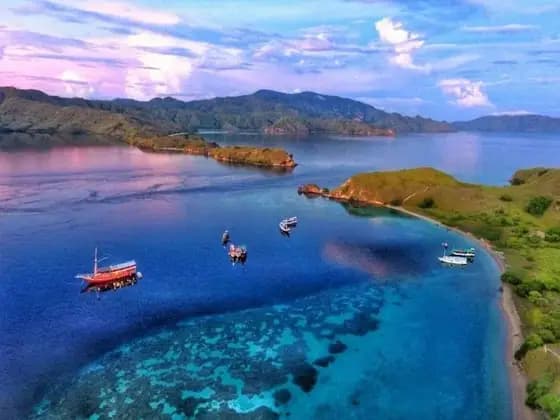
Il tour Triton Bay Kaimana regala lagune cristalline, imponenti pareti coralline e alcune delle barriere più incontaminate della Papua Occidentale. In pochi giorni potrai scivolare sopra banchi di sabbia immacolata, incrociare banchi di fusiliere e esplorare caverne nascoste dove l’acqua profuma appena di alghe e di pioggia fresca.
Key Facts
| Elemento |
Dettagli |
| Location |
Triton Bay, Kaimana Regency, West Papua, Indonesia |
| Best Time to Dive |
Late April – October (dry season, calm seas) |
| Typical Dive Depths |
5 m – 30 m (wall dives up to 40 m) |
| Marine Highlights |
Muraena helena (giant moray), Acanthurus lineatus (lined surgeonfish), Carcharhinus melanopterus (blacktip reef shark) |
| Access |
2‑hour flight to Sorong, then 2‑hour speedboat to Triton Bay |
| Recommended Tour Length |
4–6 days (including shore‑based night dives) |
| Local Operator |
KomodoExplorer – Phinisi‑based charter fleet |
| Safety |
Full‑time dive master, recompression chamber on board, daily briefings |
Why the Triton Bay Kaimana Tour Stands Out
Il momento in cui metti piede su una Phinisi di legno, il sapore salato del mare si mescola al lieve profumo di incenso proveniente dai villaggi vicini. Il sole dipinge l’acqua di tonalità turchesi e giada, e il delicato schiocco delle onde contro lo scafo diventa un ritmo che presto assocerai alla libertà. Triton Bay è un museo vivente di coralli, un luogo in cui ogni barriera narra una storia di resilienza e colore.
A differenza dei siti affollati di Bali o delle famose correnti di Raja Ampat, Triton Bay rimane per lo più intatta. Il tour Triton Bay Kaimana è pensato per i subacquei che desiderano solitudine, biodiversità incontaminata e un pizzico di avventura. Di seguito condivido i percorsi, la vita marina e i consigli da insider che rendono questo viaggio indimenticabile.
The Itinerary: A Step‑by‑Step How‑to Plan Your Kaimana Diving Tour
- Prenota il tuo charter Phinisi – Scegli una imbarcazione adeguata alle dimensioni del tuo gruppo (12‑20 ospiti). Chiedi all'operatore informazioni sul programma del tour di immersione a Kaimana, la capacità del serbatoio e i comfort a bordo.
- Organizza i voli per Sorong – La maggior parte dei viaggiatori internazionali fa scalo a Giacarta. Un volo mattutino per Sorong ti garantisce luce sufficiente per il trasferimento in motoscafo.
- Trasferimento a Triton Bay – La traversata di 2 ore in barca è già di per sé un’esperienza; tieni la fotocamera pronta per avvistare i delfini lungo il percorso.
- Acclimatati nella laguna – Trascorri il primo pomeriggio facendo snorkeling nella laguna protetta; la temperatura dell’acqua si mantiene piacevolmente a 28 °C, ideale per un riscaldamento dolce.
- Giorno di immersione 1 – “Muro delle Meraviglie” – Scendi a 20 m al Batu Baring Wall; cerca i Epinephelus (cormorani) nascosti tra le sporgenze.
- Giorno di immersione 2 – “Caverna degli Echi” – Esplora la Kaimana Cave (ingresso a 12 m, interno a 25 m). Il gocciolio eco‑risonante dell’acqua crea un paesaggio sonoro meditativo.
- Immersione notturna – “Baia bioluminescente” – In una notte senza luna, l’acqua si illumina di plankton microscopici. Il silenzio è rotto solo dal lieve clic del tuo erogatore.
- Riposo e cultura – Visita un villaggio locale, assaggia il fresco sago e ascolta le leggende antiche degli spiriti marini.
- Ultima immersione – “Vicolo degli squali” – A Manta Point incontrerai probabilmente un solitario squalo corallino a punta nera che pattuglia la cresta della barriera.
- Ritorno a Sorong – Trasferimento per il volo di ritorno, portando con te i ricordi di un mondo sottomarino incontaminato.
Dive Sites on the Triton Bay Kaimana Tour
1. Batu Baring Wall (West Papuan Coordinates: 1°45′12″S 131°30′05″E)
- Depth: 15‑30 m
- Highlights: Giant morays (Muraena helena), vibrant soft corals, occasional schools of Acanthurus lineatus.
- Insider Tip: Dive early (07:00‑09:00) when the light penetrates the water at a golden angle, revealing the wall’s intricate textures.
2. Kaimana Cave (1°46′08″S 131°31′22″E)
- Depth: 12‑25 m (entrance), up to 35 m inside.
- Highlights: Stalactite formations, resident bat colonies, and the occasional curious Octopus vulgaris.
- Insider Tip: Bring a torch with a wide beam; the cave’s interior is illuminated by shafts of sunlight that dance across the walls at midday.
3. Manta Point (1°44′55″S 131°32′10″E)
- Depth: 5‑20 m, ideal for both beginners and seasoned divers.
- Highlights: Large reef manta rays (Manta alfredi) feeding on plankton, occasional blacktip reef sharks (Carcharhinus melanopterus).
- Insider Tip: Schedule the dive for the incoming tide (around 15:30) – the current brings plankton, attracting mantas in abundance.
4. Bioluminescent Bay (1°45′30″S 131°33′00″E)
- Depth: Surface to 5 m.
- Highlights: Phosphorescent plankton create a star‑filled water surface.
- Insider Tip: Choose a moonless night and avoid any artificial lights; the natural glow is most vivid when the water is undisturbed.
Marine Life: What You’ll See
Il tour Triton Bay Kaimana è un caleidoscopio vivente. Ecco alcune delle specie più comuni e fotogeniche:
- Reef Fish: Chromis spp. (damselfish), Lutjanus spp. (snapper), Zebrasoma flavescens (yellow tang).
- Large Pelagics: Carcharhinus melanopterus (blacktip reef shark), Sphyrna lewini (scalloped hammerhead) (rare but documented).
- Invertebrates: Giant clams (Tridacna gigas), feather stars, and the occasional nudibranch displaying electric blues.
- Macro Life: Hippocampus (seahorses) cling to seagrass, while Cymatium snails crawl across the sand.
Practical Insider Tips for a Seamless Kaimana Diving Experience
- Timing is Everything: The dry season (April‑October) offers calm seas and excellent visibility (up to 30 m). The early morning light yields the best underwater photography.
- Tide Awareness: Most wall dives are best on the incoming tide; the water pushes plankton and small fish up the wall, creating a feeding frenzy.
- Equipment Checklist: Bring a reef‑safe sunscreen (non‑oxybenzone), a dry‑bag for electronics, and a backup mask. A 2‑meter dive line is handy for cave navigation.
- Ask the Operator: Inquire about the tour di immersione a Kaimana crew’s certification, the presence of a recompression chamber, and the daily briefing schedule.
- Cultural Respect: When visiting villages, dress modestly and ask permission before photographing locals. A small offering of fruit or coffee is appreciated.
- Health Precautions: Pack a personal first‑aid kit, anti‑malaria tablets (if recommended), and stay hydrated; the tropical heat can be deceptive.
Frequently Asked Questions (FAQ)
What makes the Triton Bay Kaimana tour different from other West Papua dive sites?
Triton Bay’s protected lagoon, steep coral walls, and relatively low tourist traffic create a unique blend of pristine biodiversity and intimate diving experiences. Unlike the bustling sites of Raja Ampat, you’ll often find yourself the only pair of divers on a wall, allowing for uninterrupted observation of marine life.
How difficult are the dives on the Kaimana diving tour?
The tour offers a range of difficulty levels. Wall dives like Batu Baring are moderate (max 30 m) and suitable for advanced Open Water divers. The cave dive requires basic wreck‑diving skills due to its depth and confined spaces. Night dives are gentle, with depths under 10 m, making them accessible to most certified divers.
Is a Phinisi charter safe for extended trips?
Yes. Modern Phinisi vessels are equipped with GPS navigation, satellite communication, and a fully stocked medical bay. KomodoExplorer’s fleet undergoes quarterly inspections, and each charter includes a certified dive master and a safety officer on board.
Can I combine the Triton Bay tour with a visit to Raja Ampat?
Absolutely. Many operators offer a combined itinerary where you spend 3‑4 days in Triton Bay before heading north to the famed islands of Raja Ampat. This maximizes your exposure to West Papua’s diverse marine ecosystems.
What is the best time of year for photographing marine life in Triton Bay?
The dry season (April‑October) provides clear skies and low surface swell, resulting in soft, diffused light ideal for underwater photography. Early mornings yield a warm, golden hue that brings out the reds and oranges of coral.
How to Book Your Triton Bay Kaimana Tour
Ready to experience the untouched beauty of West Papua? Visit the KomodoExplorer charter portal, select a Phinisi that fits your group size, and choose the tour Triton Bay Kaimana package. Our dedicated team will handle flight coordination, visa assistance, and pre‑dive briefings, ensuring a seamless adventure from the moment you step off the plane.
Start your journey today – click here to reserve your spot on the next tour di immersione a Kaimana and discover why this hidden dive paradise is fast becoming Indonesia’s most coveted underwater destination.
Final Thoughts
Il tour Triton Bay Kaimana è più di un semplice itinerario subacqueo; è un pellegrinaggio verso un santuario marino dove ogni pinna, ogni ramo di corallo e ogni raggio di luce sembrano un saluto personale. Mentre scivoli nell’acqua turchese, il mondo sopra di te svanisce, sostituito dal dolce ronzio dell’oceano e dal vivace coro dei pesci. Lascia che il ponte di legno della Phinisi ondeggi sotto i tuoi piedi e permetti al profumo di mare di ancorarti in un attimo che rimarrà a lungo nella tua memoria, anche dopo il ritorno a terra.
Parti con fiducia, curiosità e rispetto, e tornerai con storie che ispirano, foto che incantano e un rinnovato amore per gli ecosistemi più spettacolari del pianeta.