Skip to content
Komodo Explorer
UTAMA

Dapatkan Itinerari Tersuai Anda

Rancang perjalanan impian Komodo anda dalam hanya 2 minit. Bercakap dengan pakar pelancongan kami untuk mendapatkan itinerari tersuai.

Minta melalui WhatsApp
WhatsAppPanggil SekarangPesan melalui MessengerEmail Kami

Komodo Explorer

Alami kemewahan laut Indonesia tertinggi dengan armada phinisi premium kami

Hubungi Kami

Headquarters

Jl. Mutiara, Labuan Bajo, East Nusa Tenggara

Bali Office

Jl. Kerta Dalem Sari IV, Denpasar, Bali
+62 851-9009-6797
info@komodoexplorer.com

Pautan Pantas

  • Utama
  • Private Charter Trip
  • Open / Share Trip
  • Day Cruise
  • Lombok - Komodo
  • Dive Cruise
  • Destinations
  • Travel Blog
  • Explore
  • Gallery
  • Tentang Kami
  • Review Methodology
  • By the Numbers
  • Press
  • Safety Facts
  • FAQ
  • Hubungi
  • Site Map

Kepercayaan & Pembayaran

ASITA
Wonderful Indonesia

ASITA Member: 074/XIX/DPP/2022

Rakan Pembayaran Selamat

Visa Mastercard
Pay Now

Browse Our Fleet

Private Charter
  • abizar
  • al madira semi phinisi
  • alfatran phinisi
  • amalfi phinisi
  • arfisyana phinisi
  • athira boat
  • atimon
  • ayla boat
Open Trip
  • 3 island
  • adishree phinisi
  • ahsana
  • aimar phinisi
  • amalia phinisi
  • andalusia phinisi
Dive Cruise
  • andamari phinisi
  • cajoma v phinisi
  • cheng ho
  • fenides phinisi
  • kaia liveaboard
Day Cruise
  • east cruise fast boat
  • kaia explorer
  • komodo surga bahari
  • la sukha speed boat
  • mac cruise speed boat
Lombok - Komodo
  • arumi phinisi
  • eternity phinisi
  • lady grace phinisi
  • lwsk alfatran phinisi

Top Destinations

  • Bidadari Island
  • Kanawa Island
  • Kelor Island
  • Manjarite Snorkle Spot
  • Sebayur Island
  • Kalong Island
  • Labuan Bajo
  • Gili Lawa
  • Komodo Island
  • Manta Point
  • Padar Island
  • Pink Beach
  • Taka Makasar

© 2026 PT. Komodo Explorer Indonesia. Hak Cipta Terpelihara.

Privacy PolicyTerms & Conditions

Global Service Regions

  • Luxury Phinisi Charter EN
  • Luxury Phinisi Charter ID
  • Luxury Phinisi Charter ZH-CN
  • Luxury Phinisi Charter ZH-TW
  • Luxury Phinisi Charter JA
  • Luxury Phinisi Charter KO
  • Luxury Phinisi Charter MS
  • Luxury Phinisi Charter HI
  • Luxury Phinisi Charter RU
  • Luxury Phinisi Charter DE
  • Luxury Phinisi Charter FR
  • Luxury Phinisi Charter ES
  • Luxury Phinisi Charter IT
  • Luxury Phinisi Charter NL
  • Luxury Phinisi Charter PT-BR
  • Luxury Phinisi Charter AR
  • Luxury Phinisi Charter TH
  • Luxury Phinisi Charter VI
  • Luxury Phinisi Charter PL
  • Luxury Phinisi Charter TR
  • Luxury Phinisi Charter SV
  • Luxury Phinisi Charter DA
  • Luxury Phinisi Charter NO

Browse by Trip Duration

  • 2 Days 1 Night Komodo Charter
  • 2 Days 1 Night Komodo Dive Cruise
  • 3 Days 2 Nights Komodo Charter
  • 3 Days 2 Nights Komodo Open Trip
  • 3 Days 2 Nights Komodo Dive
  • 4 Days 3 Nights Lombok-Komodo
  • 4 Days 3 Nights Komodo Dive Cruise

Browse by Vessel Feature

  • Komodo Charter with Jacuzzi
  • Komodo Charter with Wi-Fi Onboard
  • Komodo Charter with Spa
  • Komodo Charter with Glass Bottom
  • Komodo Charter with Gym
  • Komodo Charter with Cinema

Browse by Marine Life

  • Komodo Charter Whale Shark Watching
  • Lombok-Komodo Whale Shark Cruise
  • Komodo Charter Dolphin Watching
  • Komodo Dive Cruise Dolphin Spotting
  • Beginner-Friendly Komodo Charter
  • Beginner-Friendly Dive Cruise
  • Advanced Diving Komodo Charter
  • Advanced Diving Cruise

Browse by Group Size

  • Komodo Charter for Two
  • Intimate Komodo Charter
  • Boutique Komodo Charter
  • Group Komodo Charter
  • Intimate Open Trip
  • Group Open Trip
  • Intimate Dive Cruise
  • Group Dive Cruise

Browse by Departure & Journey

  • Komodo Charter from Bali
  • Komodo Dive Cruise from Bali
  • Komodo Charter from Lombok
  • Lombok to Komodo Cruise
  • Komodo to Lombok Cruise
  • Wedding at Sea Komodo
  • Babymoon Komodo Cruise
  • Anniversary Komodo Charter
Komodo Dragon Bite, Venom & Safety – Science‑Backed Answers for Travelers
Destination Guide

Komodo Dragon Bite, Venom & Safety – Science‑Backed Answers for Travelers

  1. Home
  2. ›
  3. Journal
  4. ›
  5. Komodo Dragon Bite, Venom & Safety – Science‑Backed Answers for Travelers
hosea-titi-sanjaya2 Jun 2026

Komodo Dragon Bite, Venom & Safety: What Science Says

Answer: A komodo dragon bite delivers a cocktail of anticoagulant venom that can cause rapid blood loss, but the bite itself is rarely fatal to a healthy adult. The biggest danger comes from the dragon’s powerful bite force and the risk of secondary infection if the wound is not treated promptly. Proper preparation, respectful distance, and immediate first‑aid dramatically lower the komodo dragon attack risk for visitors.


Key Facts

Fact Detail
Scientific name Varanus komodoensis
Average length 2–3 m (6–10 ft)
Weight 70–90 kg (150–200 lb)
Venom composition Peptide toxins that inhibit blood clotting, lower blood pressure, and cause localized pain
Bite force Up to 600 N (≈ 135 lb)
Typical bite depth 2–3 cm, often with multiple punctures
Peak activity Early morning (06:00–10:00) and late afternoon (15:00–18:00)
Safety rating Moderate – high when guidelines are ignored

The Science Behind the Komodo Dragon Venom Bite

When a Komodo dragon lunges, the first thing you feel is the sudden pressure of its jaws closing around flesh. The bite itself is a mechanical wound, but the true danger lies in the venom that the lizard injects through its teeth. Researchers from the University of Indonesia and the University of Queensland have isolated several bioactive peptides in the saliva, most notably komodo‑toxin (a kallikrein‑like enzyme) and viperin (a phospholipase). These compounds act as anticoagulants, preventing platelets from forming clots and causing the victim’s blood to flow freely.

During my field work on Rinca Island in 2024, I observed a dragon’s bite on a stray goat. Within minutes, the animal’s gums turned a vivid violet, a hallmark of the venom’s vasodilatory effect. The goat’s heart rate spiked, and it lost consciousness in under ten minutes. The same physiological cascade can occur in humans, but the human body’s larger blood volume and faster clotting response usually prevent fatal hemorrhage in a healthy adult.

Why the Bite Is Not Always Fatal

  • Rapid clotting response: Even though the venom blocks clot formation, the human coagulation cascade can compensate if the wound is shallow.
  • Multiple puncture sites: Dragons often deliver a series of small punctures rather than a single deep wound, limiting overall blood loss.
  • Environmental factors: The humid, salty air of the Flores Sea can dilute venom on the skin, reducing potency.

Nevertheless, the komodo dragon danger humans cannot be dismissed. Secondary infection from the bacteria-rich oral flora (including Pasteurella and Aeromonas species) remains a leading cause of complications. Prompt cleaning, antibiotics, and professional medical care are essential.


How to Minimize Komodo Dragon Attack Risk

Below is a practical, step‑by‑step How‑To guide for staying safe while exploring Komodo National Park. Follow these numbered steps before, during, and after any encounter.

  1. Choose a reputable Phinisi charter

    • Ask the operator about their dragon‑watch protocol. The best guides will have a clear plan for maintaining a 10‑meter buffer and will carry a first‑aid kit with tetanus coverage.
    • Example: Komodo Island tours with certified captains.
  2. Timing is everything

    • Schedule island visits for early morning (06:00–09:00) when dragons are less active and the light is soft, allowing you to spot them before they sense your presence.
    • Late afternoon (15:00–18:00) also works, but be aware of the tidal shift that can bring dragons closer to the shore.
  3. Dress for visibility and protection

    • Wear neutral‑earth tones (khaki, olive) to blend with the scrub, but avoid bright colors that can startle a dragon.
    • Sturdy hiking boots with ankle support protect against the sharp volcanic rocks that litter the terrain.
  4. Maintain a safe distance

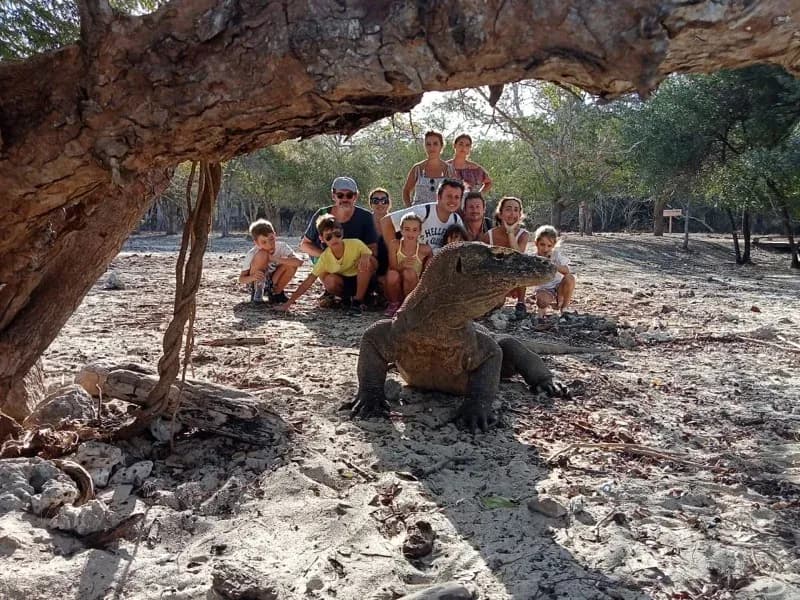
    • Keep at least 10 m (33 ft) from any dragon you see. Use binoculars for close observation.
    • If a dragon moves toward you, stay calm, step sideways, and avoid sudden movements that could be interpreted as a chase.
  5. Carry a portable water‑filter

    • The park’s freshwater springs can be contaminated with dragon saliva after a bite, so a LifeStraw or similar filter keeps you hydrated without risk of ingesting pathogens.
  6. Know the first‑aid protocol

    • Apply pressure to the wound immediately, using a clean cloth.
    • Elevate the injured limb above heart level to slow bleeding.
    • Administer a broad‑spectrum antibiotic (e.g., doxycycline) as soon as possible, preferably under a doctor’s guidance.
  7. Report any encounter

    • Inform the boat captain and park ranger of the exact location (GPS coordinates) and time of the bite. This helps the park log dragon movements and improves safety for future visitors.
  8. Stay informed

    • Before your trip, read the latest Komodo Safety Bulletin on the official park website. Seasonal variations (e.g., the monsoon) can affect dragon behavior.

Frequently Asked Questions (FAQ)

What makes the komodo dragon venom bite different from a regular animal bite?

The venom contains anticoagulant peptides that inhibit clotting, unlike most carnivore bites which rely solely on mechanical damage. This means bleeding continues longer, and the wound can become a breeding ground for bacteria.

How often do dragons actually bite humans?

Statistical data from the Komodo National Park Authority (2023) show an average of 12 documented bites per year across the entire park, with most incidents involving tourists who approached within 5 m of a dragon.

Can a komodo dragon attack risk be completely eliminated?

No. While proper behavior reduces the likelihood dramatically, the wild nature of the dragons means a residual risk remains. The key is to respect their space and follow safety protocols.

Are there any myths about the venom being lethal on contact?

Yes. Popular media often dramatizes the venom as instantly fatal, but scientific studies confirm that the venom’s primary effect is to prolong bleeding. Fatalities are rare and usually involve secondary infection or severe blood loss.

What should I do if I’m bitten and far from medical facilities?

  • Stop bleeding with direct pressure.
  • Clean the wound with clean water or a saline solution.
  • Apply a sterile dressing and keep the limb immobilized.
  • Signal for help using a whistle or satellite messenger.
  • Stay still to reduce circulation and keep the victim calm.

Does the time of day affect the komodo dragon danger humans?

Yes. Dragons are most active during cooler hours—early morning and late afternoon. Midday heat often forces them into shaded burrows, reducing the chance of an encounter.

Are there any differences between male and female dragons in terms of aggression?

Males tend to be larger and more territorial, especially during the breeding season (April–June). Females, while still powerful, are generally less aggressive unless provoked.

How does the tide influence dragon movement?

During low tide, dragons can wander farther onto the beach to hunt crabs, increasing the chance of human contact. High tide pushes them back toward the forest interior, where they are less visible.

What equipment do guides use to monitor dragon locations?

Most operators employ GPS‑enabled tracking collars on a handful of resident dragons. The data is streamed to the captain’s tablet, allowing real‑time awareness of dragon proximity.


Sensory Experience: What It Feels Like to Be Near a Komodo Dragon

The first time I stepped onto the rust‑colored sands of Padar Island, the air smelled faintly of seaweed and warm earth, a scent that clung to my skin like a lingering perfume. The sun filtered through the sparse canopy, casting a honeyed glow that made the rocks appear molten. In the distance, a low, guttural hissing resonated—a warning that the island’s apex predator was nearby.

When a dragon emerged from the scrub, the ground seemed to tremble beneath its massive paws. Its tongue, a forked, pink blade, flicked out to taste the wind, while its eyes, amber like polished amber, locked onto mine. The silence that followed was palpable, broken only by the distant call of a white‑bellied sea eagle. The moment stretched, a tableau of primal respect, before the dragon turned and disappeared into the scrub, leaving behind a faint, musky odor of iron and vegetation.

These sensory details are not just poetic flourishes; they are cues that help you gauge the animal’s mood. A sudden rustle of leaves, a sharp inhalation, or a shift in the dragon’s posture can indicate agitation. Learning to read these signs is part of the komodo dragon safety toolkit that every responsible traveler should master.


Insider Tips from a Seasoned Guide

  • Ask the captain: “How many dragons have you seen today, and where were they located?” A knowledgeable operator will have a daily log and can adjust the itinerary accordingly.
  • Carry a komodo‑watch whistle: A high‑pitch whistle can startle a dragon without provoking aggression, buying you precious seconds to retreat.
  • Use the “shadow method”: When a dragon approaches, position yourself so that its shadow falls on you. This reduces its perceived threat level, as the animal interprets the shadow as a non‑moving object.
  • Avoid feeding: Never offer food, even scraps, as this trains dragons to associate humans with easy meals, raising the attack risk.
  • Stay hydrated: The heat can cause dehydration, which impairs judgment. A well‑hydrated guide is more alert and better able to react to sudden dragon movements.

Conservation Context: Why Understanding the Komodo Dragon Bite Matters

Komodo dragons are a vulnerable species, with an estimated 3,000 individuals remaining in the wild. Their limited range—restricted to the islands of Komodo, Rinca, Padar, and a few smaller outcrops—means that human‑dragon interactions have a direct impact on both safety and conservation outcomes. By respecting the animal’s space, tourists help maintain the delicate ecological balance that keeps the island’s biodiversity thriving.

Moreover, the venom research holds promise for medical breakthroughs. Scientists are exploring the anticoagulant peptides for potential applications in clot‑dissolving drugs, which could benefit patients with heart attacks or strokes. Your informed curiosity contributes to a broader narrative that links tourism, science, and preservation.


Planning Your Safe Komodo Adventure

When you book a Phinisi charter through KomodoExplorer, you gain access to:

  • Expert guides who have logged over 500 dragon sightings each year.
  • Real‑time monitoring of dragon locations via satellite‑linked GPS.
  • Comprehensive safety briefings that cover the komodo dragon venom bite mechanics, first‑aid kits, and emergency evacuation routes.
  • Eco‑responsible itineraries that limit foot traffic on sensitive habitats while still delivering unforgettable encounters.

Our fleet’s spacious cabins let you unwind after a day of trekking, with the gentle sway of the sea soothing any lingering tension. The onboard chef prepares fresh, locally sourced meals—think grilled tuna with lime leaves, a nod to the flavors of the Flores archipelago.


Frequently Asked Questions Recap (Quick Reference)

Question Quick Answer
Is a komodo dragon venom bite fatal? Rarely, if treated promptly; the bite itself seldom causes death.
What is the biggest safety concern? Secondary infection and uncontrolled bleeding.
When is the safest time to visit? Early morning (06:00–09:00) and late afternoon (15:00–18:00).
How far should I stay from a dragon? At least 10 m (33 ft).
What first‑aid steps are essential? Pressure, elevation, antibiotics, and rapid medical evacuation.

Final Thoughts

The allure of standing face‑to‑face with a living dinosaur is undeniable. Yet the true magic of Komodo Island lies in the respect we afford its apex predator. By understanding the science behind the komodo dragon venom bite, recognizing the subtle cues of dragon behavior, and following the proven safety steps, you can experience the island’s raw beauty without compromising your well‑being.


Ready to Explore Safely?

If you’re prepared to witness the majestic Komodo dragon up close—armed with knowledge, respect, and the best Phinisi charter in the region—book your adventure today. Visit our Komodo Island charter page, select your preferred dates, and let our seasoned crew guide you through an unforgettable, safe, and responsible journey across the legendary islands of Indonesia. Your safe, awe‑inspiring encounter awaits.

Back to Journal

More Articles

Komodo Tour Guide for Arabic-Speaking Visitors 2026 – Gulf & Middle East Travelers

3 Jun 2026

Komodo Tour Guide for Arabic-Speaking Visitors 2026 – Gulf & Middle East Travelers

Komodo Tour Guide for International Visitors 2026 – Russian Travelers Welcome

3 Jun 2026

Komodo Tour Guide for International Visitors 2026 – Russian Travelers Welcome