
Восстановление коралловых рифов Komodo — это совместные усилия, сочетающие научную строгость с энтузиазмом дайверов-туристов. Участвуя в организованных погружениях по восстановлению, сообщая о наблюдениях и поддерживая местные питомники, дайверы могут напрямую ускорить восстановление рифов, наслаждаясь одними из самых ярких подводных миров Индонезии.
| Аспект | Детали |
|---|---|
| Основная цель | Восстановление живых коралловых структур на деградированных участках в национальном парке Komodo. |
| Целевые виды | Acropora millepora, Porites cylindrica, Fungia spp. и ряд рыб, связанных с рифом. |
| Диапазон глубин | 5 м – 30 м (большинство проектов сосредоточено на 10–20 м). |
| Сезон | Октябрь – Апрель (сухой сезон, спокойное море, оптимальная видимость). |
| Типичное время погружения | 45 мин – 1 час на одно погружение по восстановлению, плюс 15 минут инструктажа. |
| Операторы | KomodoExplorer, Dive Komodo и местная НПО SeaGuard. |
| Стоимость волонтерства | 120–180 долларов США в день (включает снаряжение, супервизию и взнос в питомник рифов). |
| Воздействие | В среднем 30 % увеличения покрытия живыми кораллами через два года на активных участках. |
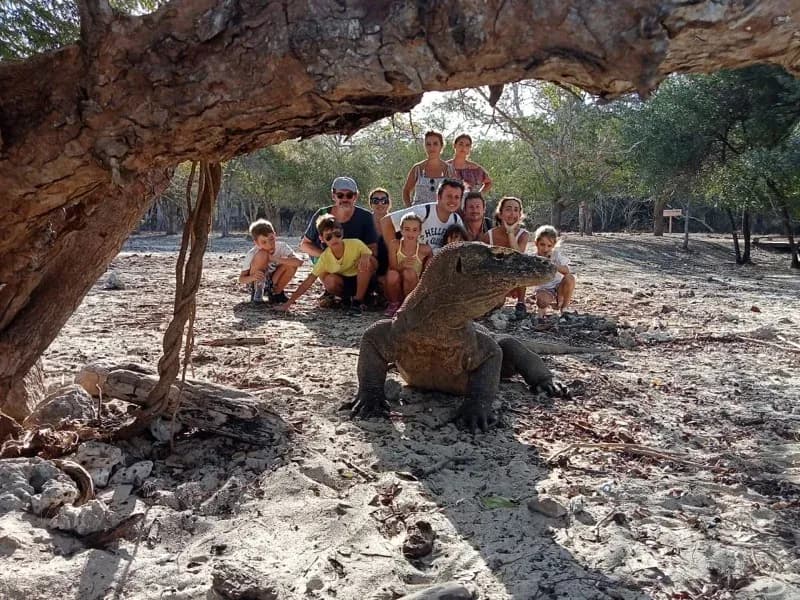
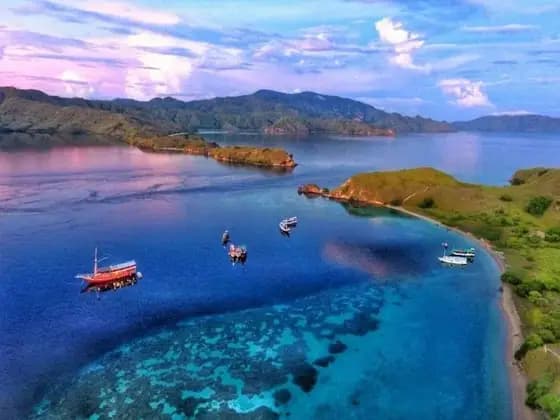
Архипелаг Komodo, прославившийся своими драконами, также скрывает морскую мозаику, способную соперничать с любым наземным чудом. Коралловые рифы здесь являются точкой биоразнообразия, поддерживающей более 1000 видов рыб, сложные губковые сады и знаменитые станции очистки манты в Manta Point. Однако, вызванное изменением климата обесцвечивание, незаконная якорная стоянка и пластиковый мусор привели к разрушению до 40% живых кораллов в некоторых зонах за последнее десятилетие.
Восстановление — это больше, чем визуальное исправление; оно возвращает структурную сложность, от которой зависят рыбы и беспозвоночные для укрытия и питания. Процветающий риф также поддерживает местную экономику — большинство из 3500 жителей Labuan Bajo зависят от дайв-туризма. Участвуя в этом, дайверы становятся хранителями живого наследия, гарантируя, что будущие поколения смогут услышать мягкое потрескивание коралловых полипов, открывающихся на рассвете.
Инструкция: Как присоединиться к погружению по восстановлению коралловых рифов Komodo
| Место | Глубина | Типичные виды кораллов | Лучшее время суток | Совет инсайдера |
|---|---|---|---|---|
| Batu Bolong | 12‑20 м | Acropora spp., Fungia | Раннее утро (7–9 am) – спокойное море, мало планктона | Попросите гида указать «синепятнистую» Acropora, которая свидетельствует о здоровом питомнике. |
| Manta Point | 8‑15 м | Porites spp., Pocillopora | Середина дня (13–15 h) – манты часто кружат над головой | Возьмите широкоугольный объектив; тени мант создают драматичные световые узоры на рифе. |
| Senggigi Bay | 5‑12 м | Fungia spp., Montipora | Закат (16–18 h) – теплое золотое освещение усиливает цвета кораллов | Запросите «ночное подготовительное» погружение; команда установит светящиеся палочки для последующего мониторинга. |
| Padar Island | 15‑30 м | Acropora spp., Goniopora | Ранний день (12–14 h) – лучшая видимость после морского бриза | Проверьте таблицы приливов; низкий прилив уменьшает дрейф, облегчая размещение фрагментов. |
Эти места являются частью Программы восстановления коралловых рифов Komodo, координируемой управлением парка. Каждая локация предлагает уникальное сочетание биоразнообразия, что делает их идеальными как для новичков, так и для опытных дайверов, стремящихся погрузаться ради сохранения рифа Komodo.
Выращивание кораллов (coral gardening) включает культивирование фрагментов в наземном или плавучем питомнике, пока они не достигнут жизнеспособного размера, после чего они пересаживаются на риф. Простая пересадка пропускает этап питомника, перемещая зрелые колонии напрямую. В Komodo предпочтительным методом является выращивание, так как оно повышает выживаемость на 25% по сравнению с прямой пересадкой.
В оптимальных условиях — стабильная температура, низкая заиленность и достаточный свет — фрагменты могут увеличиваться на 1–2 см в линейном измерении в год. Формирование полной колонии может потребовать 5–7 лет, но ранний рост заметен уже через 6–12 месяцев.
Оба варианта приемлемы. Однако убедитесь, что ваше снаряжение безопасно для рифа (без силиконовых смазок) и что ваша система грузов совместима со страховочным тросом оператора. Многие дайверы предпочитают аренду, так как оборудование откалибровано для местных течений, а оператор предоставляет набор для обращения с кораллами.
Хотя формальная сертификация не является обязательной, наличие PADI Advanced Open Water или аналога настоятельно рекомендуется. Операторы часто требуют подтверждения недавнего опыта дайвинга (в течение последних 12 месяцев), чтобы обеспечить безопасность при выполнении задач по восстановлению.
Часть каждого взноса за погружение направляется напрямую в Фонд морской охраны Komodo, который финансирует коралловые питомники, научные исследования и программы работы с сообществом. Ваш вклад помогает поддерживать долгосрочный мониторинг и правоохранительную деятельность парка.
KomodoExplorer работает рука об руку с НПО SeaGuard и Управлением национального парка Komodo. Дайверы могут расширить свое влияние, участвуя в следующем:
Эти действия укрепляют нарратив о сохранении кораллов Komodo, превращая одно погружение в пожизненную приверженность охране морской среды.
Научный мониторинг показывает многообещающую тенденцию: покрытие живыми кораллами на активных участках восстановления выросло с 12% в 2020 году до 18% в 2024 году. При продолжающемся участии дайверов-туристов траектория указывает на устойчивую рифовую систему, способную выдержать будущие события обесцвечивания. Интеграция дронов для восстановления и 3D-картографирования рифов — проекты, которые мы пилотируем вместе с Университетом Бравиджая (University of Brawijaya) — еще больше ускорит этот процесс, позволяя дайверам видеть прямые результаты своей работы в течение одного сезона.
Ваше следующее приключение может быть больше, чем просто фотография; это может быть живой вклад в один из самых знаковых морских ландшафтов мира. Будь вы опытным техническим дайвером или любопытным новичком, программа восстановления коралловых рифов Komodo приглашает вас испытать чудо процветающего рифа, активно формируя его будущее.
Готовы совершить решительный шаг ради здоровья рифа? Забронируйте погружение по восстановлению с KomodoExplorer сегодня, и пусть течения моря Flores унесут вас в историю надежды, биоразнообразия и незабываемых подводных моментов.
Забронируйте место прямо сейчас и станьте частью решения — ведь каждый установленный фрагмент — это обещание ярких морей завтрашнего дня.