
Ответ: Самые важные рекомендации по безопасности на Комодо связаны с уважением к пространству драконов, постоянным присутствием рядом с гидом и подготовкой к суровому рельефу острова. Соблюдая эти 12 правил, вы сможете наслаждаться первозданной красотой национального парка Комодо и оставаться в безопасности.
Ключевые факты
• Лучшее время года: апрель – декабрь (сухой сезон, более спокойное море)
• Пиковая жара: 33 °C – 38 °C; запаситесь достаточным количеством воды
• Рекомендуемое снаряжение: прочные треккинговые ботинки, шляпа от солнца, солнцезащитный крем, безопасный для кораллов, бинокль
• Экстренный контакт: 119 (Индонезия) – уточните у оператора ближайший медицинский пункт в Лабуан Баджо
• Требование к гиду: обязателен на всех пеших маршрутах по острову Комодо; всегда следуйте его указаниям
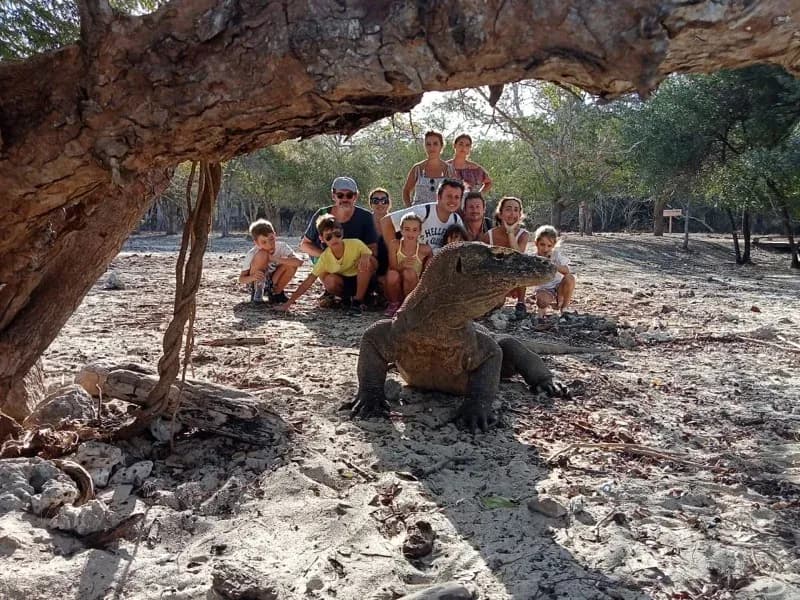
Национальный парк Комодо требует наличия лицензированного гида для каждой наземной экскурсии. Это не просто формальность — это ваша страховка, когда вы слышите глухой шорох дыхания дракона или замечаете едва заметное движение хвоста варана. Гиды знают точные маршруты, обходящие крутые обрывы у Pink Beach и скрытые долины, где драконы охотятся в сумерках.
Инсайдерский совет: перед подписанием контракта спросите оператора: «Сколько лет мой гид работает на острове Комодо и есть ли у него сертификат первой помощи?» Опытный гид охотно поделится историями о прошлых встречах, что придаст вам уверенности перед тем, как ступить на вулканическую землю.
Комодский дракон может разгоняться до 20 km/h, а его мощные челюсти способны в считанные секунды раздавить кость. Официальная безопасная дистанция парка — 10 метров (примерно длина небольшого автобуса). Когда дракон отдыхает, держите запас в 5 метров; если он находится в режиме охоты, увеличьте дистанцию до 15 метров.
Нюанс восприятия: воздух возле логова дракона часто пахнет железом и влажной землёй — это тонкое напоминание о недавней добыче хищника. Используйте этот запах как сигнал держать дистанцию.
Кормление драконов запрещено и опасно. Даже маленький кусочек рыбы может изменить естественное охотничье поведение дракона, сделав его более агрессивным по отношению к людям. Если видите, как турист пытается накормить животное, вежливо напомните ему о правилах парка и о возможных последствиях.
Практический совет: возьмите с собой многоразовую бутылку с герметичной крышкой. Такая крышка исключает случайный пролив, который мог бы быть воспринят как кормление.
Тропический солнце в Лабуан Баджо может быть безжалостным. Обезвоживание ухудшает рассудок, а это последняя вещь, которая нужна вам на скалистых тропах. Пейте не менее 2 литров воды в день и пополняйте запасы у специально отведённых пунктов рядом с Komodo Village.
Рельеф варьируется от песчаных пляжей до острого известняка. Пара прочных, «взрослых» походных ботинок с хорошей поддержкой голеностопа предотвратит скольжение на скользком базальте у Padar Island. Если планируете снорклинг, возьмите водные тапочки, защищающие от порезов коралла, но легко снимаемые для прогулок по пляжу.
Инсайдерский совет: спросите у оператора: «Есть ли у вас водонепроницаемые чехлы для ботинок?» Некоторые компании держат несколько пар на борту для гостей, забывших своё снаряжение.
Погода на Комодо может измениться мгновенно. Сухой сезон (апрель‑декабрь) дарит ясные небеса, а в сезон дождей могут возникать внезапные штормы. Всегда проверяйте местный прогноз вечером перед походом.
Даже небольшая порезка может инфицироваться в влажном климате. В ваш набор должны входить:
Как действовать: если вас укусил небольшой варан (это редкость, но возможно), промойте рану чистой водой, обработайте антисептиком и немедленно обратитесь за медицинской помощью. Медицинский пункт в Лабуан Баджо справится с базовыми травмами, но серьёзные повреждения требуют эвакуации в Mataram.
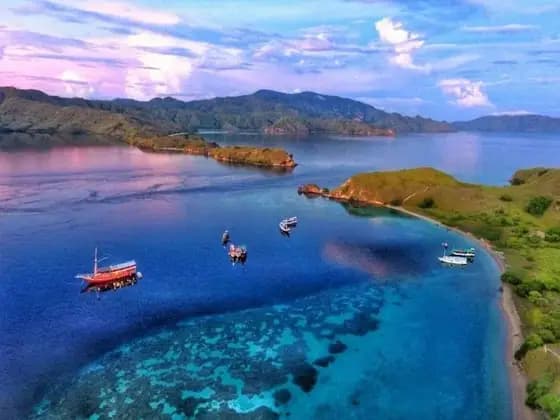
Большинство гостей знакомятся с Комодо через аренду яхты Phinisi. Деревянные корпуса слегка покачиваются, а солёный бриз несёт аромат морских водорослей. На борту всегда надевайте спасательный жилет, когда судно движется, даже если вы уверенный пловец. Палуба может стать скользкой после дождя.
Влажность и иногда солёный морской туман могут повредить камеры и телефоны. Пользуйтесь водонепроницаемыми сухими мешками или zip‑lock пакетами. При съёмке дракона телеобъектив (200 mm +) позволит запечатлеть детали, не нарушая безопасной дистанции.
Сенсорный образ: рассвет над Komodo Island окрашивает небо в янтарный цвет, а чешуя дракона отражает металлический блеск — незабываемый момент для любого фотографа.
Национальный парк Комодо — объект Всемирного наследия ЮНЕСКО, где обитает более 1 000 морских видов и легендарные драконы. Уважение распространяется и на птиц, например Bali starling, и на морских обитателей, таких как тигровая акула, патрулирующая глубокие каналы у Kelimutu.
Хотя инциденты редки, подготовленность характерна для опытных путешественников. Знайте ближайшую медицинскую клинику в Лабуан Баджо (расположена на Jalan Sultan Hasanuddin). Ваш оператор должен иметь радиосвязанный план эвакуации, включающий вертолётный маршрут к Mataram International Airport, если понадобится срочная транспортировка.
FAQ: Сколько времени занимает медицинская эвакуация?
В большинстве случаев вертолёт может добраться до острова в течение 30 минут после SOS‑запроса, при благоприятных погодных условиях. Пилот оператора координирует действия с местными властями для получения разрешения на посадку.
Простое «Selamat pagi» (доброе утро) откроет двери к сердцам местных жителей. Макасарцы из Лабуан Баджо гордятся своим наследием и охраняют парк. Вежливое общение обогащает ваш опыт и часто открывает «секретные» маршруты — например, скрытую смотровую площадку на Rinca Island, откуда открывается панорамный вид на архипелаг в закат.
Парк требует минимум 10 метров от любого дракона. При признаках агрессии или охоты увеличьте дистанцию до 15 метров.
Да, но убедитесь, что оно безопасно для кораллов и не содержит пластика. Большинство операторов предоставляют оборудование, но собственное снаряжение снижает риск повреждения хрупкого рифа, например у Manta Point (глубина ≈ 20 м).
Плавание разрешено только в специально отведённых зонах, удалённых от территорий драконов. Pink Beach предлагает чистую, спокойную воду для безопасного снорклинга, но всегда следуйте указаниям гида.
Ищите укрытие под естественными нависаниями известняковых скал. У гида будет готовый тент‑полотня. Не стойте в низинах, где может возникнуть быстрый поток воды.
Оставайтесь неподвижными, дайте змее пространство и медленно отступайте. Большинство змей в парке неядовиты, но лучше позволить гиду решить ситуацию.
Следуя этим шагам, вы превратите обычную экскурсию в уверенное, незабываемое приключение.
На KomodoExplorer мы подбираем для вас опытных гидов, полностью укомплектованные яхты Phinisi и протокол безопасности, отражающий наше глубокое уважение к драконам и морю. Забронируйте ваш чартер уже сегодня и позвольте нам позаботиться о логистике, пока вы наслаждаетесь чудесами национального парка Комодо. Нажмите здесь, чтобы оформить заявку и получить бесплатный пакет инструкций по безопасности, адаптированный под ваш маршрут. Счастливого пути, и пусть драконы охраняют вас!