Komodo Biyolüminesans Turu: Gece Parlayan Denizler
Komodo biyolüminesans turu, mikroskobik planktonların ateş böcekleri gibi yanıp söndüğü gece manzarasını gün ışığına çıkarır; bu olay, bir Phinisi yatının güvertesinden görülebilen ışıltılı bir halı yaratır. En iyi görüntüleme penceresi, suyun sakin olduğu ve medcezirin çekildiği kurak mevsimde, ayın olmadığı bir gecede 20:00 ile 23:00 arasındadır.
Temel Bilgiler
| Madde |
Detaylar |
| En İyi Mevsim |
Mayıs – Ekim (Kurak) |
| Parlama Zirvesi |
Yeni Ay, 20:00–23:00 |
| Tipik Derinlik |
5–12 m |
| Yaygın Türler |
Noctiluca scintillans, Pyrosoma atlanticum |
| Kalkış Noktası |
Labuan Bajo Limanı |
| Yat Tipi |
Phinisi yatı, 4‑6 misafir |
| Gerekli Ekipman |
Dalış tulumu, el feneri, mercan dostu güneş kremi, kuru çuval ayakkabıları |
Komodo'nun Sularını Parlatan Şey Nedir?
Komodo'nun parlayan denizi fenomeni iki ana organizma grubu tarafından yönlendirilir:
- Dinoflagellatlar – Rahatsız edildiğinde mavi-yeşil ışık yayan Noctiluca scintillans gibi minik, tek hücreli algler.
- Koloni Pyrozomları – Su çalkalandığında kolektif bir ışık patlaması yaratan jelatinöz pelajik tunikatlar (Pyrosoma atlanticum).
Her iki grup da Flores Denizi'nden geçen besin açısından zengin akıntılarda gelişir. Bir Phinisi'nin kuyruk suyu onların yanından geçtiğinde, planktonlar anında tepki vererek, yüzeyde yıldızlarla dolu bir gökyüzünü andıran bir kıvılcım kaskadı üretir.
Duyusal Detay
21:00'da güverteye çıktığınızı hayal edin. Havada hafif bir yosun kokusu ve Labuan Bajo'daki yakın köyden gelen uzak bir yakılmış odun kokusu var. Hafif bir rüzgar motorun düşük uğultusunu taşıyor ama baskın ses dalgaların gövdeye yumuşak çarpma sesi. Yat süzülürken, ayaklarınızın altındaki su küçük nabızlarla parlıyor; her biri, uzaktaki bir kalbin ritmik atışını yansıyormuş gibi hissettiren ışığın bir fısıltısı.
En İyi Biyolüminesansı Nerede Deneyimleyebilirsiniz?
1. Kelimutu Körfezi (Labuan Bajo yakınında)
- Derinlik: 5–8 m
- Neden işe yarar: Korunaklı koy dalga hareketini azaltır, bu da planktonun daha yüksek yoğunluklarda birikmesini sağlar.
- İpucu: Akıntının en zayıf olduğu batı koyuna demir atmaları için charter operatörünüze sorun; bu, tekninin her iki tarafında parlamayı maksimize eder.
2. Senggigi Resifi, Gili Adaları
- Derinlik: 8–12 m
- Neden işe yarar: Resifin karmaşık topografyası, çekil suları sırasında planktonu hapseder.
- İpucu: Biyolüminesansı yüzeyin altından görmek için Gili Dive Center gibi yerel bir dalış merkezi ile gece dalışı talep edin.
3. Manta Point, Komodo Ulusal Parkı
- Derinlik: 10–15 m (deneyimli dalgıçlar için)
- Neden işe yarar: Güçlü akıntılar her akşam taze plankton çiçeklerini getirir.
- İpucu: Turunuzu bir yeni ay gecesine planlayın; karanlık parlamayı güçlendirir ve böylece en küçük organizmalar bile görünür hale gelir.
Biyolüminesans Turu İçin Pratik İçeriden İpuçları
- Zamanlama her şeydir: Gün batımından sonraki ilk iki saati hedefleyin. Planktonun tepkisi su hala duruyken ve ay ufğun altındayken en güçlüdür.
- Medcezir önemlidir: Alçık medcezir daha fazla kıyı şeridini açığa çıkarır, planktonun yoğunlaşabileceği daha sakin sular oluşturur. Kaptana sorun: "Tur gecesinde 20:00'de medcezir durumu ne olacak?"
- Ekipman kontrolü: Bir kırmızı filtreli el feneri getirin. Beyaz ışık biyolüminesans gösterisini bastırabilirken, kırmızı ışık doğal renkleri korur.
- Sessiz kalın: En küçük sıçrama bile planktonu rahatsız edebilir, ancak yüksek sesli konuşmalar onları korkutabilir. Sesleri düşük tutun ve denizin konuşmasına izin verin.
- Fotoğrafçılık: Hızlı bir lens (f/1.8 veya daha geniş) ve yüksek bir ISO (800–1600) kullanın. Hassas parlamayı gökyüzünü aşırı pozlamadan yakalamak için deklanşör hızını 2–3 saniyeye ayarlayın.
SSS
Komodo'da biyolüminesans turu için yılın en iyi zamanı ne zaman?
Kurak mevsim (Mayıs – Ekim) en açık gökyüzünü ve en istikrarlı deniz koşullarını sunar. Labuan Bajo biyolüminesans turu, gece gökyüzünün en karanlık olduğu yeni ay sırasında en görkemli hale gelir.
Parlayan planktonu görmak için ne kadar derine inebilirim?
Çoğu yüzey gözlemi 5 ile 12 m arasında gerçekleşir. Deneyimli dalgıçlar Manta Point'te 15 m'ye kadar inebilir, ancak görsel etki ışığın yukarı yansıdığı yüzeye yakın en güçlüdür.
Hangi türleri aramalıyım?
Ana katkıda bulunanlar Noctiluca scintillans (genellikle "deniz kıvılcımı" olarak adlandırılır) ve Pyrosoma atlanticum'dur. İkisi de parlama yoğunluğuyla ayırt edilebilen mavi-yeşil bir ışık yayar—Noctiluca düzensiz kıvılcımlar eğilimindeyken, Pyrosoma daha sürekli bir parlama yaratır.
Biyolüminesans turunu bir gündüz dalışı ile birleştirebilir miyim?
Kesinlikle. Birçok Phinisi charterı Komodo Adası'nın ünlü duvarlarında (örneğin Batu Bolong) sabah dalışı planlar ve ardından gece biyolüminesans gezisine geçer. Bu, charterınızın değerini maksimize eder ve Komodo'nun deniz yaşamının tam spektrumunu deneyimlemenizi sağlar.
Rezervasyon yapmadan önce charter operatörüme hangi soruları sormalıyım?
- "Mevsimde tipik gece rüzgar hızı nedir?"
- "Gece çıkışları için kırmızı filtreli fenerler ve dalış tulumları sağlıyor musunuz?"
- "Dalga hareketini azaltmak için korunaklı bir koya demir atabilir misiniz?"
- "Deniz koruma alanları ve gece dalışı konusunda politikanız nedir?"
Biyolüminesans Gece Dalışı İçin Nasıl Hazırlanmalısınız? (Nasıl Yapılır)
- Erken bir Phinisi charterı rezerve edin – En iyi tekneler pik sezonda hızla dolar.
- Ay fazını doğrulayın – Yeni ay gecesini sağlamak için bir ay takvimi kullanın.
- Doğru ekipmanı paketleyin – Bir dalış tulumu (daha serin gece suyu için 5 mm), kuru çuval, kırmızı filtreli el feneri ve mercan dostu güneş kremi ekleyin.
- Mürettebatı bilgilendirin – Plankton maruz kalmasını maksimize etmek için düşük hızlı bir cruise istediğinizi kaptana bildirin.
- Erken gelin – Mürettebatın ışıkları ve güvenlik ekipmanlarını kurmasına izin vermek için gün batımından en az 30 dakika önce gemiye binin.
- Hidratik kalın – Gece sıcaklıkları düşebilir ancak nem yüksek kalır; dalmadan önce su için.
- Yüzeme yüzme pratiği yapın – Nazik bir vuruş, planktonu çok fazla dağıtmadan parlamayı tetiklemek için suyu yeterince rahatsız eder.
- Sorumlu bir şekilde belgeleyin – Düşük etkili bir aydınlatma kurulumu kullanın ve hassas organizmalara zarar verebilecek flaş fotoğrafçılığından kaçının.
Deneyim: Bir Phinisi'de Gece
Gün nihayet ufğun altına indiğinde, Phinisi'nin tik ağacından güvertesi sessiz bir gözlemevine dönüşür. Komodo'nun parlayan denizi, her bir dalga tepesi mavi bir yanıp sönme ile işaretlenerek, ışıltılı bir dalga gibi dışarıya yayılır. Güvertede tuz kokusu, mürettebatın hazırladığı galangal (kök baharat) aromalı yemeğin hafif kokusuyla karışır—bu, doğanın kendi menüsünü yazdığı dünyanın uzak bir köşesinde olduğunuzu hatırlatır.
Eylül 2025'te bir geceyi hatırlıyorum; medcezir alçaktı ve ay bulutların arkasına gizlenmişti. Kelimutu Körfezi'nden geçerken su bir ışık kaskadıyla patladı, her nabız saniyenin küçük bir bölümü sürdü. Mürettebat küçük bir feneri indirdi, kırmızı parıltı yüzeye neredeyse değmedi, bu da biyolüminesansın sahneyi hak etmesini sağladı. Bu his, yıldızların denize düştüğü bir gece gökyüzünün altında durmaya benziyordu.
Çevresel Sorumluluk
Komodo biyolüminesans ekosistemi hassastır. Bunu korumak için:
- Parlayan planktona asla dokunmayın. Hücreleri fiziksel temasla hasar görebilir.
- Gemide tek kullanımlık plastiklerden kaçının; yeniden kullanılabilir su şişeleri ve kaplar getirin.
- 20 metre kuralını takip edin: Gece dalışı sırasında mercan resiflerinden güvenli bir mesafe tutun.
- Herhangi bir olağandışı su renk değişimini park yetkililerine bildirin; bu, biyolüminesans dengesini etkileyebilecek bir alg çiçeğini gösterebilir.
Noktaları Birleştirmek: Komodo'da Daha Fazla Macera
Parlayan gece merakınızı ateşlediyse, turu diğer ikonik deneyimlerle eşleştirmeyi düşünün:
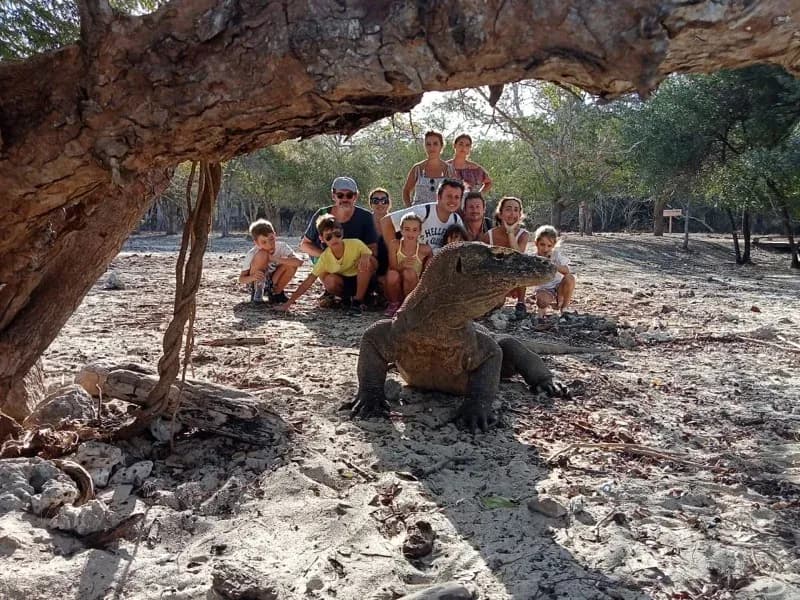
- Komodo Ejderi Yürüyüşü – Dünyanın en büyük kertenkeleleri arasında yürüyün (Rinca Adası üzerinde) (Komodo Ejderi Safari).
- Padar Adası'nda Gün Doğumu – Gece parlamasıyla keskin bir tezat oluşturan turkuaz körfezlerin panoramik manzarasını yakalayın.
- Pink Beach'te Şnorkel – Kumun pembe tonu, gündüz şnorkeliği için çarpıcı bir arka plan sağlar (Pink Beach Rehberi).
Bu maceraların her biri, arşipel'den unutulmaz anılarla dolu bir portfolyoyla ayrılmanızı sağlayan özel bir seyahat programına dokunabilir.
Parlayan Gece Deneyiminizi Bugün Ayırtın
Komodo'nun parlayan denizini kendi gözlerinizle görmeye hazır mısınız? Lüks Phinisi yatlarımızdan oluşan filomuz, sizi Labuan Bajo limanından biyolüminesans mucizesinin kalbine götürmek için sizi bekliyor. Tarihleri keşfetmek, seyahat programınızı özelleştirmek ve Labuan Bajo biyolüminesans turundaki yerinizi ayırtmak için aşağıdaki bağlantıya tıklayın. Gece gökyüzü sizi çağırıyor—denizin kendi ışık takımyıldızıyla cevap vermesine izin verin.
Komodo Biyolüminesans Turunuzu şimdi ayırtın ve okyanusun kendi kendine parladığı bir dünyaya yelken açın.