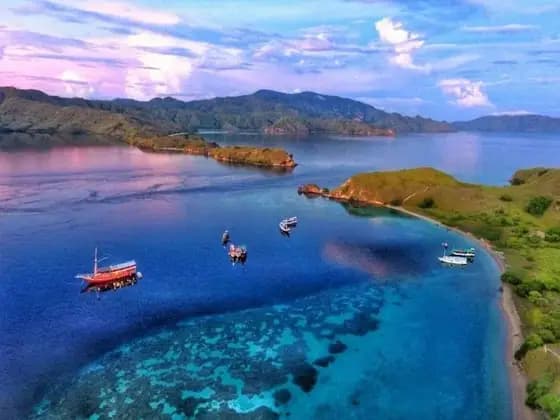

Waktu terbaik untuk melawat Komodo ialah dari bulan April hingga Oktober, ketika musim kering membawa cuaca cerah, langit biru, dan laut yang tenang. Ini adalah masa paling sesuai untuk aktiviti seperti menyelam, trekking, dan menikmati drone shot pemandangan Padar atau Pink Beach tanpa halangan hujan.
Secara umum, musim kering di Komodo National Park bermula dari April dan berlangsung hingga akhir Oktober. Dalam tempoh ini, angin timuran menjadikan laut lebih tenang dan jarak penglihatan semasa menyelam meningkat secara ketara — sesuatu yang sangat dihargai oleh penyelam. Suhu purata berada antara 28°C hingga 32°C, cukup panas untuk berjemur di dek Phinisi, tetapi tidak terlalu terik untuk trekking di Padar atau Rinca.
Kebanyakan pelancong mewah memilih bulan Mei hingga Julai kerana kombinasi sempurna antara cuaca stabil, sedikit hujan, dan keramaian yang masih terkawal. Ini adalah waktu terbaik untuk menikmati pengalaman tanpa gangguan — sama ada snorkeling di Manta Point atau menikmati sunset dari master suite di atas kapal charter eksklusif. Musim ini juga ideal untuk drone shot pemandangan dramatik dari udara, kerana kabut jarang berlaku.
Jika anda merancang perjalanan mewah yang selesa dan lancar, musim kering menawarkan keadaan terbaik untuk setiap aspek perjalanan — dari keselesaan fizikal hingga kualiti visual dokumentasi perjalanan anda. Ini juga waktu di mana banyak operator seperti KomodoExplorer menyediakan itinerary premium seperti private dive cruise atau floating luxury escape di sekitar kepulauan.
Musim hujan di Komodo berlangsung dari November hingga Mac, dengan puncaknya dari Januari hingga Februari. Walaupun ramai mengelakkan tempoh ini, ia sebenarnya menawarkan pengalaman yang lebih intim dan lebih eksklusif. Kerana jumlah pelawat yang jauh lebih sedikit, anda mungkin menjadi satu-satunya kumpulan di Pink Beach atau Padar — sesuatu yang jarang berlaku di musim puncak.
Namun, perlu diingat bahawa hujan di sini bukan seperti hujan lebat berterusan. Ia lebih kepada hujan intermisen — kadang-kadang lebat, tetapi kebiasaannya hanya beberapa jam sehari. Cuaca masih boleh cerah di pagi hari, memberi ruang untuk aktiviti seperti trekking atau snorkeling ringan.
Yang menjadi isu utama ialah keadaan laut. Ombak boleh menjadi ganas, terutama di bulan Januari dan Februari, menyebabkan beberapa trip Phinisi terpaksa dibatalkan atau diubahsuai. Arus bawah juga lebih kuat, menjadikan menyelam lebih mencabar — sesuai untuk penyelam berpengalaman sahaja. Bagi pelancong mewah yang fleksibel, musim hujan boleh menjadi peluang untuk menikmati Komodo dengan suasana yang lebih tenang dan harga charter yang lebih kompetitif. Tetapi untuk pengalaman yang lebih 'perfect', tetap lebih selamat memilih musim kering.
Untuk penyelam dan penyelam snorkel serius, waktu terbaik untuk melawat Komodo bukan sahaja tentang cuaca — ia juga tentang kemunculan haiwan eksotik. Manta Point, antara lokasi paling terkenal di kawasan ini, paling aktif dari bulan April hingga November, apabila arus membawa plankton yang menarik mantas dalam jumlah besar.
Dari bulan September hingga Disember, ada peluang tinggi untuk jumpa paus putih — momen yang sangat jarang dan sangat dicari. Ia mungkin tidak kerap, tetapi bagi mereka yang berada di atas Phinisi mewah dengan pandu arah tempatan, pengalaman ini boleh menjadi highlight perjalanan.
Arus di Komodo terkenal kuat, menjadikannya destinasi untuk penyelam berpengalaman. Musim kering menawarkan arus yang lebih boleh diramal, dan jarak penglihatan boleh mencecah sehingga 30 meter. Lokasi seperti Batu Bolong dan Castle Rock menawarkan pengalaman menyelam penuh adrenalin dengan penyu, ikan pari, dan sekumpulan ikan pelagik.
Jika anda mahu menyelam dengan keselamatan tinggi, visibiliti baik, dan peluang jumpa hidupan laut langka, fokuskan perjalanan anda antara Mei hingga Oktober. Untuk pengalaman menyelam mewah yang direka khusus, pertimbangkan pakej dive cruise eksklusif dari KomodoExplorer yang merangkumi lokasi tersembunyi yang tidak tercapai oleh trip biasa.
Walaupun musim kering adalah ideal dari segi cuaca, bulan Julai hingga September juga merupakan musim puncak pelancongan. Ini bermakna Labuan Bajo penuh dengan pelawat, dan kapal besar sering membawa kumpulan besar ke Padar atau Komodo. Pengalaman 'eksklusif' boleh terjejas jika anda tidak merancang dengan betul.
Untuk elakkan keramaian, pertimbangkan lawatan awal musim kering — bulan April atau awal Mei. Pada masa ini, cuaca sudah stabil tetapi jumlah pelawat masih rendah. Alternatif lain ialah September akhir hingga Oktober, walaupun risiko hujan sedikit meningkat.
Sekiranya anda mahukan pengalaman benar-benar peribadi, pilih perjalanan jenis private charter. Dengan kapal Phinisi persendirian, anda boleh menetapkan itinerary sendiri, tiba di destinasi sebelum kumpulan lain, dan menikmati tempat seperti Pink Beach tanpa sesak. Banyak pelancong mewah kini memilih opsyen ini kerana ia menawarkan fleksibiliti dan privasi yang tidak dapat dicapai oleh trip berkumpulan.
Ingat: lebih awal anda booking kapal charter atau dive cruise, lebih besar kemungkinan anda mendapat tarikh dan kapal idaman. Musim puncak boleh habis ditempah sehingga 6 bulan lebih awal — terutama untuk model mewah dengan master suite dan kru pakar.
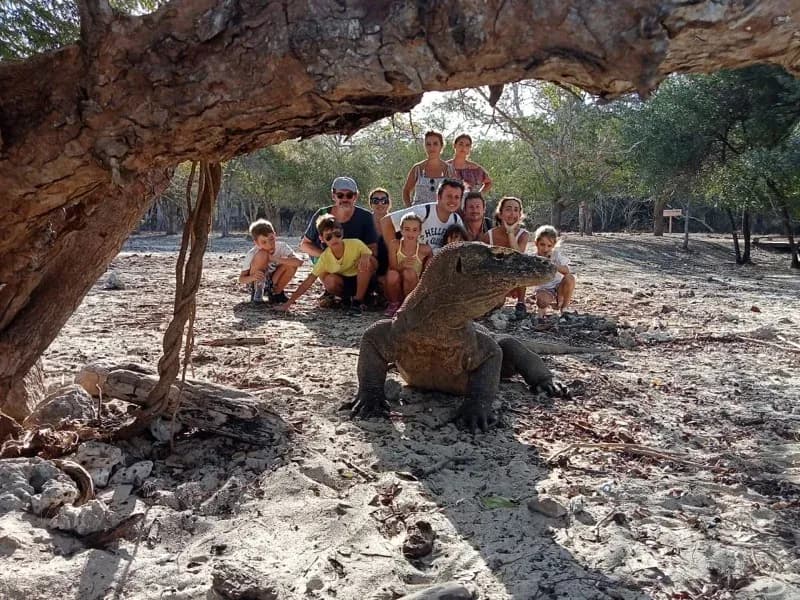
Komodo National Park bukan sekadar dunia bawah air — ia juga menawarkan pengalaman darat yang mendalam. Trekking di Rinca atau Komodo memberi peluang untuk melihat komodo hidup di habitat asal, sesuatu yang menjadi puncak bagi ramai pelawat. Waktu terbaik untuk trekking ialah pagi awal (7–9 pagi) ketika haiwan lebih aktif dan suhu belum terlalu panas.
Dari April hingga Oktober, trek lebih kering dan tidak licin, menjadikannya lebih selamat dan selesa. Ini juga masa terbaik untuk fotografi, kerana cahaya pagi dan petang sangat sempurna untuk tangkapan di Padar atau pantai berpasir merah muda di Pink Beach.
Bagi yang menghargai pengalaman budaya, lawatan ke kampung nelayan di sekitar Teluk Seraya atau pulau kecil boleh disertakan dalam itinerary. Interaksi dengan komuniti tempatan memberi dimensi yang lebih kaya kepada perjalanan — sesuatu yang jarang dimasukkan dalam trip biasa.
Gunakan kapal Phinisi mewah yang menyediakan pemandu tempatan berlesen dan ahli biologi marin sebagai pembimbing. Mereka bukan sahaja menjadikan trekking lebih selamat, tetapi juga memberi konteks saintifik dan budaya yang memperkayakan pengalaman anda. Ini adalah perbezaan antara lawatan biasa dan pengalaman mewah yang sebenar.
Itinerary yang baik adalah kunci kepada pengalaman Komodo yang sempurna. Ramai pelancong datang dengan senarai tempat wajib: Padar, Pink Beach, Manta Point, Komodo Village. Tetapi pengalaman sebenar terletak pada bagaimana anda menghubungkan tempat-tempat ini — dan sama ada anda memberi ruang untuk momen spontan.
Untuk perjalanan 4–5 hari, cadangan ideal ialah:
Itinerary ini seimbang antara aktiviti, rehat, dan ruang untuk penemuan. Jika anda seorang penyelam serius, tukar satu hari untuk dive session tambahan di Castle Rock.
Pertimbangkan juga untuk menyertakan pakej dengan KomodoExplorer yang menawarkan private-charter dengan kru pakar dan pandu arah peribadi. Ini membolehkan anda menyesuaikan masa dan lokasi mengikut mood dan keadaan cuaca sebenar — sesuatu yang sangat penting di kawasan dengan cuaca berubah-ubah seperti Komodo.
Waktu terbaik untuk melawat Komodo ialah dari April hingga Oktober, ketika musim kering membawa cuaca cerah, laut tenang, dan pengalaman menyelam yang sangat baik. Ini juga masa paling sesuai untuk trekking dan aktiviti luar.
Ya, anda boleh melawat Komodo pada musim hujan (November–Mac), tetapi perlu bersedia dengan cuaca tidak menentu dan ombak tinggi. Walaupun lebih sepi, sesetengah aktiviti seperti menyelam mungkin terjejas.
Manta paling kerap dilihat dari April hingga November di Manta Point. Paus putih biasanya muncul dari September hingga Disember, walaupun penglihatannya bersifat kebetulan dan jarang berlaku.
Ya, Labuan Bajo menjadi sangat sibuk dari Julai hingga September. Untuk elakkan keramaian, pertimbangkan lawatan awal musim kering atau gunakan perkhidmatan private-charter untuk pengalaman lebih eksklusif.
Trip berkumpulan lebih murah tetapi kurang fleksibel, manakala private charter menawarkan itinerary peribadi, masa yang lebih fleksibel, dan akses ke lokasi terpencil — ideal untuk pengalaman mewah dan intim.