
The best month for a Komodo tour depends entirely on what you prioritize: glassy dive conditions and guaranteed manta encounters, or emerald islands, dramatic light, and having anchorages to yourself. The Komodo wet vs dry season debate isn't about finding a single winner—it's about matching seasonal conditions to your travel style, budget, and must-see experiences.
| Factor | Dry Season (Apr–Oct) | Wet Season (Nov–Mar) |
|---|---|---|
| Best For | Divers, first-time visitors, manta seekers | Photographers, budget travelers, repeat visitors |
| Underwater Visibility | 25–30 meters | 10–20 meters (often 15m+) |
| Sea Conditions | Calm, predictable | Rough Dec–Feb; manageable Nov & Mar |
| Manta Ray Probability | Peak May–September | Present but less predictable |
| Price Premium | 30–50% higher | 20–40% lower |
| Trekking Conditions | Dusty but accessible | Lush, slippery, some closures |
Komodo National Park sits astride the Wallace Line, where Pacific and Indian Ocean currents collide. This geographic position creates a monsoonal climate more nuanced than simple "rainy" and "sunny" labels suggest. After fifteen years of running liveaboard charters through these waters, I've learned that the transition months—April and November—often deliver the most surprising conditions.
The dry season roughly spans April through October, though April can still hold residual moisture from the departing northwest monsoon. The wet season runs November through March, with December through February representing the core rainy period when the southeast monsoon pumps moisture-laden air across the Flores Sea.
What surprises most visitors is how localized the weather remains. You might wake to squalls over Labuan Bajo while Batu Bolong basks in sunshine fifteen nautical miles north. Our skippers read satellite imagery daily, but local knowledge—knowing which bays offer shelter when the wind swings northwest—separates a good itinerary from a memorable one.
April arrives with a palpable shift in the air. The humidity drops from its wet-season clinginess, and the first sustained easterly winds flatten the sea surface into glass. By mid-April, we're typically seeing 25-meter visibility at Castle Rock, with thermoclines at 30 meters holding steady at 26°C.
The underwater clarity peaks from June through August. At Batu Bolong, my favorite morning dive, the morning light penetrates to 28 meters by 8:30 AM, illuminating fields of fusiliers so dense they block the sun. The smell changes too—dry season mornings carry iodine and salt from exposed coral flats at low tide, rather than the vegetative decay of wet-season runoff.
Manta ray encounters reach their peak from May through September. At Manta Point off Komodo Island, we've recorded encounters with 15–20 individuals on single dives during July. The mantas gather at cleaning stations and feeding aggregations where upwellings concentrate plankton. The trade-off: these sites attract every operator in the park, and I've counted 40 divers in the water simultaneously during August peak weeks.
Padar Island's iconic viewpoint hike transforms between seasons. In dry season, the trail is dusty, loose underfoot, and brutally exposed. I recommend starting at 5:30 AM—not just for the golden hour light, but because the volcanic scoria retains heat like a furnace by 9 AM. The reward is absolute reliability: you'll reach the summit, capture the three-bay panorama, and descend before the worst sun.
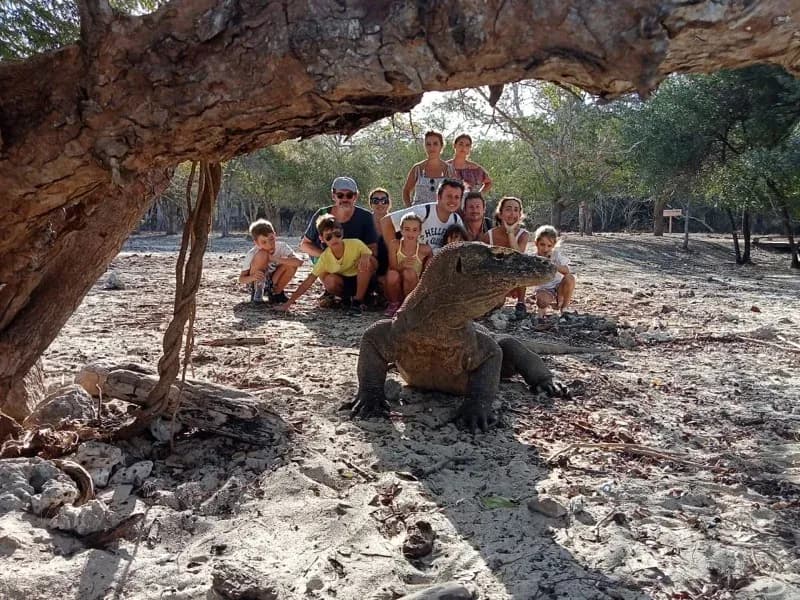
Komodo Island's dragon walks operate consistently April through October. The Loh Liang ranger station rarely closes, and the dry-season dragons cluster around waterholes, making sightings virtually guaranteed. The smell of their habitat shifts too—dry season brings the musky, reptilian scent concentrated near these water sources, unmistakable once you've experienced it.
This reliability commands premium pricing. Our luxury Phinisi yachts book 8–10 months ahead for July and August departures. Expect 30–50% higher rates compared to January–March, with Christmas/New Year bridging into peak pricing territory. The shared cabin liveaboards offer more accessible entry points, but even these fill by April for high-season dates.
Crowding affects the experience beyond pricing. At Pink Beach, I've seen twelve boats anchored simultaneously in August. The sand really does blush coral-pink, but capturing it without footprints requires a 6 AM arrival or accepting the human element in your frame.
April: Transitional, occasionally unsettled. Visibility improving weekly. Good value before peak pricing kicks in. Manta sightings building but not consistent.
May: The sweet spot begins. Mantas arrive in numbers. Prices still moderate before June surge. My personal recommendation for photographers wanting calm seas without peak crowds.
June–July: Peak conditions, peak demand. Book by October prior year. Afternoon thunderstorms rare but spectacular when they occur.
August: Driest month. Dust storms possible on Padar. Underwater visibility often exceeds 30 meters at northern sites. European holiday crowds at maximum.
September: Mantas still abundant. Crowds thin post-August. Increasing humidity hints at change. Excellent diving continues.
October: Last reliable month. First rains possible late month. Prices begin dropping. Some operators offer shoulder-season discounts.
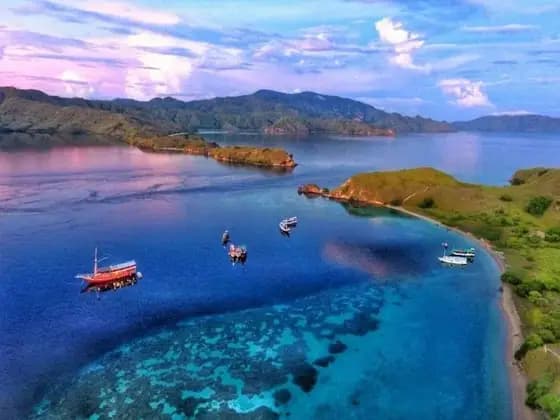
November's first sustained rains transform the landscape within days. The savanna grasslands of Rinca and Komodo islands, tawny and dormant for six months, erupt into green so vivid it seems artificial. From the deck of a private yacht charter, the contrast against ochre volcanic peaks creates compositions impossible in dry-season gold.
The wet season delivers what I call "mood Komodo." Morning squalls sweep across the Flores Sea, clearing by 10 AM to reveal cumulus towers building over Sangeang volcano. The light shifts hourly—diffused and silvery during rain, then piercingly clear in the aftermath. For photographers comfortable with weather protection, November through March offers the most dramatic skies I've witnessed in the park.
I won't sugarcoat: wet-season diving requires flexibility. The December through February period, particularly January, sees sustained winds of 20–25 knots that make northern sites uncomfortable and occasionally dangerous. Visibility drops to 10–15 meters as river runoff from Flores and Komodo islands introduces sediment.
Yet diving doesn't stop. We relocate itineraries to southern Komodo and Rinca sites—Cannibal Rock, Yellow Wall, Manta Alley—where topography protects from prevailing winds. The water temperature actually rises slightly, reaching 29°C at the surface in February. And the marine life remains: I've encountered oceanic manta rays at Manta Alley in January, the interaction private because no other boats risked the crossing.
Critical wet-season diving tip: Tide tables become essential. Strong winds against spring tides create standing waves at narrow passages. Our skippers monitor barometric pressure obsessively; a dropping mercury column means we'll shelter in Gili Lawa Darat's protected bay rather than attempt the Komodo Strait.
The 20–40% price reduction attracts savvy travelers, but the less tangible benefits matter more. Anchorages you recognize from Instagram—now empty. Ranger stations where dragons haven't learned to associate humans with food scraps. Conversations with local staff unhurried by turnover pressure.
Some islands do close during peak wet season. Padar Island's trekking routes occasionally shut during January flooding when runoff makes trails dangerously slick. Komodo Island's Loh Liang remains more consistently open, but dragon walks may shorten if trails become hazardous. We build contingency days into wet-season itineraries specifically for these eventualities.
November: Transitional, often excellent. Intermittent rains, building greenery. Sea conditions still moderate. Best wet-season month for balanced experience.
December: Increasingly unsettled. Christmas week sees brief demand spike. Afternoon squalls become regular pattern. Northern sites increasingly challenging.
January: Core wet season. Highest rainfall, strongest winds. Most challenging month for boat operations. Significant discounts available. Experienced travelers only.
February: Sustained rough conditions. Some operators pause entirely. Those running offer deepest discounts. Southern-focused itineraries essential.
March: Gradual improvement. Late March often delivers dry-season-like conditions. Green landscapes persist. Excellent value before April pricing resets.
| Month | Temp (°C) | Rainfall | Sea State | Manta Probability | Price Level | Top Activities |
|---|---|---|---|---|---|---|
| Jan | 27–32 | Heavy | Rough | Low | Lowest | Southern diving, storm photography |
| Feb | 27–32 | Heavy | Rough | Low | Lowest | Cultural Flores, sheltered snorkeling |
| Mar | 27–32 | Moderate | Improving | Building | Low–Medium | Trekking returns, first mantas |
| Apr | 26–31 | Light | Calming | Good | Medium | Balanced conditions, pre-peak value |
| May | 25–30 | Minimal | Calm | Excellent | Medium–High | Prime diving, moderate crowds |
| Jun | 24–29 | Minimal | Glassy | Excellent | High | Peak diving, reliable everything |
| Jul | 24–29 | Minimal | Glassy | Peak | Peak | Manta maximum, book 10 months ahead |
| Aug | 24–29 | Minimal | Glassy | Excellent | Peak | Driest conditions, European crowds |
| Sep | 25–30 | Minimal | Calm | Excellent | High | Post-crowd relief, mantas continue |
| Oct | 26–31 | Light | Calm | Good | Medium–High | Last reliable month, shoulder value |
| Nov | 27–32 | Moderate | Moderate | Moderate | Low–Medium | Green transformation, dramatic skies |
| Dec | 27–32 | Heavy | Building | Low | Low–Medium | Holiday premium despite weather |
After guiding hundreds of trips, I increasingly recommend May and November as the optimal compromise. May delivers mantas, calm seas, and landscapes still holding residual green from wet season. November offers building drama, empty anchorages, and conditions that improve weekly. Both months price 15–25% below peak, with availability more negotiable.
Our 7-day Komodo itinerary adjusts seasonally—northern focus dry season, southern emphasis wet season—ensuring you experience the park's best regardless of calendar.
Seasonality affects more than your experience; it reshapes how we operate. During wet season, we stock additional anchor chain for holding in squall conditions. Our crew training emphasizes emergency anchoring in lee shores that become necessary when forecasts shift. Diesel consumption rises 20–30% punching into head seas, a cost we absorb rather than surcharge.
Provisioning changes too. Dry season allows reliable resupply at every stop. Wet season demands carrying 3–4 extra days of provisions, as supply boats from Labuan Bajo may delay in rough conditions. The fresh fish you enjoy at dinner? In January, that might come from our crew's handlines rather than market purchase.
Tender operations—the rubber dinghies that transfer you to dive sites and beaches—become genuinely hazardous in wet-season swell. We limit passenger loads, extend transfer times, and occasionally cancel sites where surf breaks across the landing zone. These operational realities never appear in brochure photography but fundamentally shape safe itinerary design.
May consistently delivers the optimal balance: manta rays present in excellent numbers, seas calm enough for all experience levels, landscapes retaining green from wet season, and pricing before peak summer surges. September runs a close second, with slightly more humidity but thinner crowds after European holidays depart. If your definition of "best" prioritizes underwater visibility above all, July and August technically win—but you'll pay significantly and share every site.
Yes, with important caveats. December through February limits northern site access due to wind and swell. We pivot to southern Komodo and Rinca sites where topography provides shelter. Visibility drops to 10–15 meters versus 25–30 in dry season, but marine life abundance doesn't disappear. Advanced divers comfortable with variable conditions find rewarding, private experiences. Beginners or those with fixed site wish-lists should choose dry season.
December through February sees sustained winds of 20–25 knots with higher gusts, creating seas of 2–3 meters in open water. This doesn't mean constant danger—our Phinisi yachts handle these conditions comfortably, and we route through protected waters. But crossing times extend, some sites become inaccessible, and tender operations require more care. November and March typically see moderate conditions, with only occasional rough days.
Behaviorally, yes. Dry season concentrates dragons around permanent water sources, making ranger-guided walks highly predictable. Wet season disperses them across wider territories as temporary water sources appear. You'll still see dragons—Komodo Island's population density ensures encounters—but they may require longer walks to locate. The wet-season dragons also tend to be more active, hunting in cooler, overcast conditions rather than basking in midday heat.
For the right traveler, absolutely. The 20–40% price reduction is genuine and significant on luxury charters. The emerald landscapes and empty anchorages create experiences impossible in peak season. However, the savings come with trade-offs: flexible dates, possible itinerary changes, and some activity limitations. If you're psychologically prepared for adaptation rather than execution of a fixed plan, wet season delivers exceptional value and unique memories.
The Komodo wet vs dry season choice ultimately reflects your personal travel philosophy. Do you prioritize certainty and peak conditions, or flexibility and intimate discovery? Both approaches reward the prepared traveler; neither punishes the adaptable one.
At KomodoExplorer.com, we operate year-round because the park offers something extraordinary in every month. Our charter specialists will match your dates, interests, and comfort with seasonal realities—designing an itinerary that works with the weather rather than against it. Whether you're envisioning a private Phinisi for a special celebration or joining a scheduled departure to share costs and stories, we'll ensure your timing aligns with your dreams.
The dragons don't check calendars before appearing. The mantas follow plankton, not human schedules. Your perfect Komodo tour awaits—let's find the season that makes it yours.