
Respuesta: La seguridad de las pertenencias en un Open Trip a Komodo depende de tres hábitos simples: usar taquillas de cabina con cerradura, mantener los objetos de valor en una bolsa seca impermeable y comunicar tu plan de almacenamiento a la tripulación antes de la partida. Siguiendo estos pasos protegerás tu equipo de la salpicadura de sal, la pérdida accidental y el ocasional varano curioso.
| Artículo | Detalle |
|---|---|
| Preocupación principal | Corrosión por agua salada, robos y curiosidad de la fauna |
| Almacenamiento típico | Taquillas de cabina, bolsas secas selladas y taquillas en cubierta |
| Candado recomendado | Candado de combinación pequeño (p. ej., Master Lock 1500T) |
| Mejor momento para empacar | Temprano en la mañana antes de que suba la marea (alrededor de las 06:00‑07:00) |
| Pregunta para el operador | “¿Proporcionan una caja fuerte con cerradura para pasaportes y efectivo?” |
| Artículo indispensable | Bolsa seca impermeable (mínimo 30 L) |
| Ubicaciones clave | Labuan Bajo, Pink Beach, Isla Padar, Manta Point (30‑40 m) |
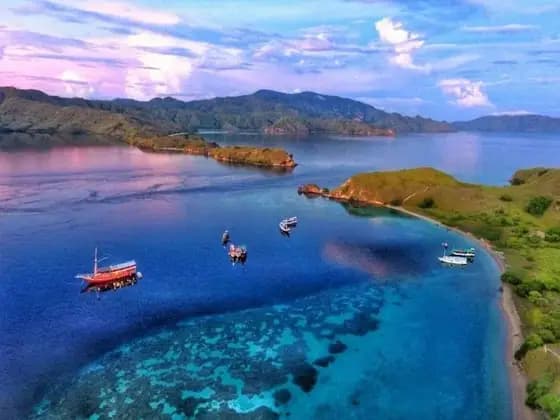
Cuando el casco de madera del Phinisi se desliza por las corrientes turquesas de las Islas menores de la Sunda, lo primero que notas es el aroma afilado y salino del mar de Flores, con un tenue dejo de descomposición de manglar. El viento silba entre los rieles de teca elevados y el llamado distante de un águila marina de vientre blanco punctúa el ritmo del motor. Es un escenario que te invita a dejar atrás las preocupaciones cotidianas, excepto una: la seguridad de tus pertenencias.
En un itinerario de open trip que se entrelaza desde el bullicioso puerto de Labuan Bajo hasta los acantilados remotos de la Isla Padar, estarás lidiando con equipo de buceo, cámaras, pasaportes e, inevitablemente, algunos recuerdos. El desafío es mantener estos artículos seguros sin sacrificar la libertad que hace que un charter en Phinisi sea tan gratificante. A continuación, comparto el conocimiento interno que he recopilado durante una década guiando a buceadores por el Parque Nacional de Komodo, combinando consejos prácticos con el sutil arte de la “aventura sensata”.
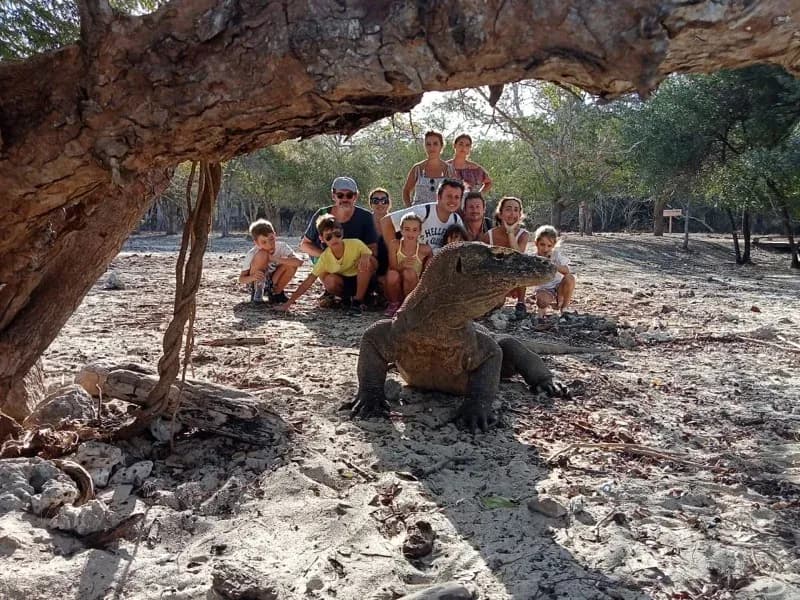
El entorno marino de Komodo es un patio de recreo para grandes especies pelágicas: mantarrayas deslizándose a 30 m de profundidad, tiburones de arrecife patrullando los bordes y el ocasional varano curioso que puede trepar por el barandal de la cubierta. Aunque estas criaturas rara vez apuntan al equipo humano, su presencia crea un dinamismo donde los objetos sueltos pueden ser barridos por una ola repentina o golpeados hacia una taquilla por una aleta descuidada.
Además, el formato de open trip significa que te moverás entre múltiples fondeaderos cada noche. Cada amarre trae un nuevo conjunto de estibadores, vendedores locales y viajeros, todos los cuales comparten los mismos pasillos estrechos. Una billetera mal colocada o una cámara insegura pueden convertirse rápidamente en una fuente de frustración, especialmente cuando intentas capturar el atardecer en Pink Beach en el momento exacto en que el cielo se vuelve un naranja fundido.
Finalmente, el aspecto legal es importante: la aduana indonesia requiere que conserves tu pasaporte y documentos de viaje en todo momento. Perderlos a mitad del viaje podría retrasar tu vuelo de regreso desde Labuan Bajo y convertir un buceo de ensueño en una pesadilla administrativa.
P: ¿Cómo daña el agua salada mi equipo?
R: Los cristales de sal se asientan en las superficies metálicas, acelerando la corrosión en los ordenadores de buceo, relojes y carcasas de cámaras. Incluso una breve exposición, como una salpicadura de una ola en Manta Point, puede dejar una película fina que luego se convierte en óxido si no se enjuaga rápidamente.
P: ¿Puede la fauna llevarse realmente mis pertenencias?
R: Aunque los varanos rara vez roban objetos, son oportunistas. Una bolsa de plástico suelta en la cubierta puede convertirse en un nido improvisado, y un anzuelo de pescado extraviado puede enganchar una correa de bolsa. La política más segura es mantener todos los objetos sueltos asegurados o guardados.
P: ¿Es el robo una preocupación real en un Phinisi?
R: La tripulación es generalmente digna de confianza, pero el ambiente de open trip trae muchos invitados a bordo. Un pequeño candado sin marcar en tu taquilla de cabina disuade el hurto casual y te da tranquilidad cuando bajas para un snorkel nocturno en Pink Beach.
A continuación, presento una guía paso a paso que uso con cada cliente antes de zarpar desde Labuan Bajo. Sigue cada acción numerada para asegurar que tus objetos de valor se mantengan seguros durante todo el viaje.
Elige la bolsa seca adecuada
Prepara un "Bolsillo de Seguridad"
Bloquea la taquilla de la cabina
Etiqueta tu equipo
Guarda la bolsa en la ubicación correcta
Asegura los objetos sueltos en cubierta
Comunícate con la tripulación
Realiza una verificación nocturna
Mantén una copia de seguridad de los documentos
Mantén la calma y adáptate
P: ¿Las taquillas de la cabina son realmente cerrables?
R: La mayoría de los yates Phinisi modernos tienen un compartimento metálico con cerradura debajo de cada camarote. Sin embargo, la calidad del candado varía. Siempre pregunto al operador: “¿Proporcionan un candado secundario para la taquilla de la cabina o debería traer el mío?” antes de confirmar el charter.
P: ¿Qué pasa con objetos más grandes como una carcasa para GoPro o un regulador de buceo?
R: El equipo más grande debe colocarse en la taquilla dedicada para equipos cerca de la cocina. Esta taquilla está construida para soportar el movimiento del barco y a menudo está acolchada para proteger la electrónica delicada.
P: ¿Puedo mantener mi cámara en la cabina mientras estoy en un buceo nocturno?
R: Sí, pero guárdala dentro de una pequeña bolsa impermeable dentro de tu bolsa seca, luego bloquea la bolsa dentro de la taquilla de la cabina. Este enfoque de doble capa protege tanto contra la humedad como contra el robo accidental.
P: ¿Debo cargar mi equipo antes del amanecer o después de que suba la marea?
R: Temprano en la mañana, alrededor de las 06:00‑07:00, es ideal. El mar está más tranquilo y la tripulación aún está preparando el barco para el itinerario del día. Empacar en este momento reduce el riesgo de que una repentina subida de la marea inunde el muelle, lo que puede hacer que la zona de carga sea resbaladiza.
P: ¿Hay un momento preferido para recuperar mis pertenencias después de una noche en Padar?
R: Apunta a la primera luz, aproximadamente a las 05:30‑06:00, antes de que el sol caliente el metal de la cubierta. La temperatura más fresca evita que se forme condensación dentro de la bolsa seca, lo que de otro modo podría humedecer los documentos de papel.
Pide una "Lista de Almacenamiento Seguro".
La tripulación a menudo mantiene un inventario escrito de dónde se guarda la bolsa de cada invitado. Pide una copia; sirve como un mapa mental cuando regresas de un buceo en Manta Point (profundidad 30‑40 m).
Usa el sistema de "Cuerda Flotante".
Muchos propietarios de Phinisi han instalado una línea de cuerda flotante a lo largo del barandal de la cubierta. Desliza una pequeña bolsa con tus gafas de sol y protector solar sobre la cuerda; permanece visible y evita la pérdida accidental por la borda.
Aprovecha el oficial de turno nocturno.
El oficial de turno nocturno (generalmente un marinero experimentado) puede verificar que todas las taquillas estén cerradas antes de que el barco ancle en un nuevo sitio. Un amable “¿Podrías verificar mi taquilla antes de ir a Pink Beach?” te ganará un rápido asentimiento.
Lleva una caja fuerte portátil pequeña.
Si viajas con joyas de alto valor o lentes caros, una caja fuerte de viaje portátil (unos 5 kg) puede atornillarse al suelo de la cabina. La tripulación puede ayudarte a asegurar los tornillos; es una capa adicional de protección más allá de la taquilla con cerradura.
Cuidado con la salpicadura de sal en la electrónica.
Después de un día en el arrecife, limpia tus lentes de cámara y ordenador de buceo con un paño de microfibra humedecido con agua dulce. La niebla salina del mar puede corroer los contactos en cuestión de horas si se deja sin atender.
Mantén el pasaporte dentro de una bolsa zip-lock, luego coloca esa bolsa dentro del "Bolsillo de Seguridad" de tu bolsa seca. Guarda la bolsa seca en una taquilla de cabina cerrada y nunca lleves el pasaporte en la cubierta durante un buceo.
La mayoría de los candados de combinación tienen un código de restablecimiento impreso en la parte posterior. Si pierdes la llave, contacta al operador para un repuesto; muchos yates Phinisi guardan un candado de repuesto en la cocina para emergencias.
La ley indonesia requiere que declares cantidades de efectivo superiores a los 10.000 USD. Por seguridad, mantén el efectivo por debajo de este límite y usa una tarjeta de crédito para compras mayores. La tripulación no confiscará artículos, pero no puede garantizar la protección de objetos sin cerradura.
Sí, pero guárdala en una funda acolchada e impermeable dentro de tu bolsa seca. La taquilla de la cabina del Phinisi es el lugar más seguro, especialmente si planeas editar fotos de tu amanecer en la Isla Padar.
La tripulación asegurará todos los objetos sueltos en la taquilla principal y verificará el candado de cada cabina. Tener tus objetos de valor ya en una bolsa seca cerrada hace que este proceso sea fluido.