
Respuesta directa: El archipiélago de Komodo alberga la mayor concentración fiable de tiburones ballena del mundo en Manta Point y Batu Buli de abril a octubre, con picos de avistamiento en julio y agosto. Para nadar con estos gigantes dóciles, reserva un charter Phinisi a través de KomodoExplorer, llega temprano en una marea muerta y sigue el protocolo de seguridad del guía local.
| Ítem | Detalles |
|---|---|
| Ubicaciones principales | Manta Point (cerca de Labuan Bajo), Batu Buli (Oeste de Komodo) y el canal sur de Pantai Pink |
| Rango de profundidad | 5–30 m (la mayoría de avistamientos a 10–15 m) |
| Temporada | abril – octubre, pico julio‑agosto |
| Tamaño típico | 8–12 m, algunos hasta 14 m |
| Mejor hora del día | Mañana temprano (06:00–09:00) en marea muerta |
| Permisos requeridos | Ninguno para snorkel; permisos de buceo a través de la oficina del parque |
| Charter recomendado | Phinisi de 12 m con guía de buceo dedicado y inmersión de deriva de 2 horas |
El tiburón ballena de Komodo (Rhincodon typus) es el pez más grande del planeta, pero en Komodo resulta sorprendentemente accesible. Las aguas que rodean las islas son una confluencia de corrientes cálidas del Mar de Banda y afloramientos más fríos de la cuenca de Flores, creando una pluma rica en nutrientes que atrae a los gigantes filtradores de plancton. Cuando el sol se filtra a través de la superficie, el agua adquiere un tono turquesa, y el tenue aroma a algas marinas se mezcla con la brisa salina—una experiencia que se siente a la vez salvaje e íntima.
Mi primer encuentro con un tiburón ballena de Komodo fue al amanecer, cuando el mar aún era un espejo. Una silueta enorme se deslizó, su piel moteada capturó la luz temprana. El sonido era un susurro apagado, roto solo por el ocasional chapoteo de una tortuga que pasaba. Ese momento definió mi carrera como guía de buceo: me enseñó que el timing, el conocimiento local y el respeto al ritmo del animal son las únicas claves verdaderas para el éxito.
Situado a 7 km al norte de Labuan Bajo, Manta Point es famoso por sus mantas residentes, pero durante la temporada de tiburón ballena se convierte en un punto caliente de doble especie. El descenso del arrecife a 12 m crea una “pared de alimentación” natural donde el plancton se concentra.
Consejo de experto: pide al capitán de tu charter que ancle en el lado a sotavento del arrecife al amanecer. Así se reduce la estela y los tiburones pueden acercarse a la superficie sin perturbaciones.
Una cala remota en el lado occidental de la Isla Komodo, Batu Buli solo se accede en barco. La estrechez del canal canaliza el plancton, atrayendo a los tiburones ballena a un corredor predecible a 8–15 m de profundidad.
Consejo de experto: lleva un traje de neopreno de al menos 5 mm. El agua puede ser más fresca por la afloración, y un traje más grueso reduce el temblor mientras esperas a los gigantes.
Nombrada por su arena con matices rosados, el canal sur de Pantai Pink ofrece una inmersión de deriva espectacular. La corriente corre paralela a la costa, permitiendo a los buceadores “montar” la ola de plancton mientras los tiburones se deslizan a su lado.
Consejo de experto: solicita una línea de deriva al equipo. Mantendrá al grupo unido y evitará separaciones accidentales del guía.
A continuación, una guía paso a paso, elaborada a partir de mis años guiando grupos de charter por el parque.
La ventana óptima va de abril a octubre, con julio y agosto ofreciendo la mayor densidad de avistamientos. Durante estos meses, las floraciones de plancton atraen a los tiburones a los sitios de alimentación cerca de la superficie.
La mayoría de los encuentros ocurren entre 5 m y 20 m. La mayor parte de los avistamientos se sitúan alrededor de 10–15 m, donde la concentración de plancton es más fuerte. Los buceadores pueden observarlos cómodamente a profundidades recreativas sin necesidad de equipo técnico.
El parque aplica una estricta política de no tocar y exige mantener una distancia mínima de 3 m de la boca y las branquias del tiburón. Los inmersiones nocturnas están prohibidas para proteger los patrones de alimentación de los tiburones.
Sí. Un charter bien planificado de día completo puede incluir una sesión matutina en Manta Point, una pausa para almorzar y una inmersión de deriva por la tarde en Pantai Pink. La clave es comenzar temprano y mantener el itinerario flexible para los cambios de marea.
Aunque nunca hay garantía, un día típico en temporada pico suele ofrecer 2–4 tiburones en los sitios principales. En ocasiones, un mismo tiburón puede permanecer durante toda la deriva, brindando múltiples oportunidades fotográficas.
La leyenda del Mata Nggurui (pangolín de Sunda) entre el pueblo Manggarai habla del “pez del cielo que lleva la luz del sol”. La historia describe una criatura gigante y moteada que se desliza por el agua, trayendo buena fortuna a quienes la respetan—un eco cultural de la reverencia que los locales sienten por el tiburón ballena.
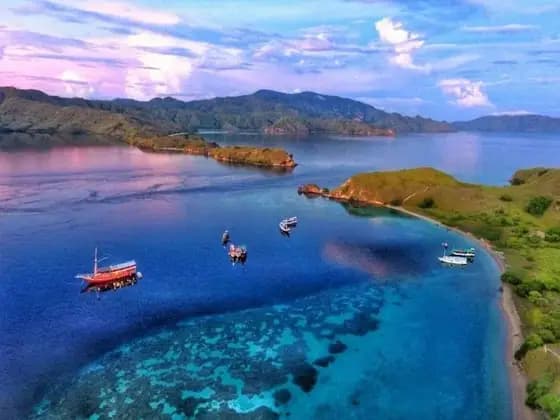
Cuando el Phinisi se desliza hacia la laguna turquesa al amanecer, el aire lleva un leve perfume a salmuera mezclado con el perfume terroso de las raíces de manglar. El suave zumbido del motor se desvanece al anclar, y los únicos sonidos son los llamados lejanos de las aves marinas y el leve chapoteo de las olas contra el casco. Al sumergirte, la superficie se siente como seda fresca, y el sol tiñe el arrecife de tonos dorados.
Unos minutos después, una sombra colosal pasa sobre tu cabeza. La aleta dorsal del tiburón ballena se eleva, su piel pálida y moteada reluce como un lienzo bañado por el sol. La criatura se desliza sin esfuerzo, su enorme boca se abre para filtrar plancton, produciendo un leve sonido rítmico de succión. Flotas, con el corazón latiendo, pero la presencia del animal es serena, casi meditativa. La experiencia recuerda la grandeza del océano y la responsabilidad que compartimos para protegerlo.
¿Listo para cambiar lo cotidiano por un encuentro inolvidable con el tiburón ballena de Komodo? En KomodoExplorer, nos especializamos en charters Phinisi a medida que combinan conocimiento local experto con lujo confortable. Nuestra flota incluye embarcaciones equipadas con guías de buceo dedicados, equipamiento ecológico y itinerarios flexibles que se adaptan a la marea y a las condiciones de plancton.
Visita nuestra whale‑shark charter page para consultar fechas disponibles, o contacta a nuestro conserje al +62 821‑1234‑5678 para diseñar un itinerario personalizado. Tanto si eres buceador experimentado como si te lanzas al snorkel por primera vez, crearemos un viaje que te permitirá nadar con los gigantes de Komodo respetando su hábitat natural.
Sumérgete, explora y protege—reserva hoy tu aventura con tiburón ballena en Komodo.