Skip to content
Komodo Explorer
INICIO

Obtén tu Itinerario Personalizado

Planifica tu viaje de ensueño a Komodo en solo 2 minutos. Chatea con nuestro experto en viajes para obtener un itinerario personalizado.

Solicitar vía WhatsApp
WhatsAppLlamar AhoraMensajeroEmail

Komodo Explorer

Experimenta la cumbre del lujo marítimo indonesio con nuestra flota phinisi premium

Contáctanos

Headquarters

Jl. Mutiara, Labuan Bajo, East Nusa Tenggara

Bali Office

Jl. Kerta Dalem Sari IV, Denpasar, Bali
+62 851-9009-6797
info@komodoexplorer.com

Enlaces Rápidos

  • Inicio
  • Private Charter Trip
  • Open / Share Trip
  • Day Cruise
  • Lombok - Komodo
  • Dive Cruise
  • Destinations
  • Travel Blog
  • Explore
  • Gallery
  • Acerca de
  • Review Methodology
  • By the Numbers
  • Press
  • Safety Facts
  • FAQ
  • Contacto
  • Site Map

Confianza y Pago

ASITA
Wonderful Indonesia

ASITA Member: 074/XIX/DPP/2022

Socios de Pago Seguro

Visa Mastercard
Pay Now

Browse Our Fleet

Private Charter
  • abizar
  • al madira semi phinisi
  • alfatran phinisi
  • amalfi phinisi
  • arfisyana phinisi
  • athira boat
  • atimon
  • ayla boat
Open Trip
  • 3 island
  • adishree phinisi
  • ahsana
  • aimar phinisi
  • amalia phinisi
  • andalusia phinisi
Dive Cruise
  • andamari phinisi
  • cajoma v phinisi
  • cheng ho
  • fenides phinisi
  • kaia liveaboard
Day Cruise
  • east cruise fast boat
  • kaia explorer
  • komodo surga bahari
  • la sukha speed boat
  • mac cruise speed boat
Lombok - Komodo
  • arumi phinisi
  • eternity phinisi
  • lady grace phinisi
  • lwsk alfatran phinisi

Top Destinations

  • Bidadari Island
  • Kanawa Island
  • Kelor Island
  • Manjarite Snorkle Spot
  • Sebayur Island
  • Kalong Island
  • Labuan Bajo
  • Gili Lawa
  • Komodo Island
  • Manta Point
  • Padar Island
  • Pink Beach
  • Taka Makasar

© 2026 PT. Komodo Explorer Indonesia. Todos los derechos reservados.

Privacy PolicyTerms & Conditions

Global Service Regions

  • Luxury Phinisi Charter EN
  • Luxury Phinisi Charter ID
  • Luxury Phinisi Charter ZH-CN
  • Luxury Phinisi Charter ZH-TW
  • Luxury Phinisi Charter JA
  • Luxury Phinisi Charter KO
  • Luxury Phinisi Charter MS
  • Luxury Phinisi Charter HI
  • Luxury Phinisi Charter RU
  • Luxury Phinisi Charter DE
  • Luxury Phinisi Charter FR
  • Luxury Phinisi Charter ES
  • Luxury Phinisi Charter IT
  • Luxury Phinisi Charter NL
  • Luxury Phinisi Charter PT-BR
  • Luxury Phinisi Charter AR
  • Luxury Phinisi Charter TH
  • Luxury Phinisi Charter VI
  • Luxury Phinisi Charter PL
  • Luxury Phinisi Charter TR
  • Luxury Phinisi Charter SV
  • Luxury Phinisi Charter DA
  • Luxury Phinisi Charter NO

Browse by Trip Duration

  • 2 Days 1 Night Komodo Charter
  • 2 Days 1 Night Komodo Dive Cruise
  • 3 Days 2 Nights Komodo Charter
  • 3 Days 2 Nights Komodo Open Trip
  • 3 Days 2 Nights Komodo Dive
  • 4 Days 3 Nights Lombok-Komodo
  • 4 Days 3 Nights Komodo Dive Cruise

Browse by Vessel Feature

  • Komodo Charter with Jacuzzi
  • Komodo Charter with Wi-Fi Onboard
  • Komodo Charter with Spa
  • Komodo Charter with Glass Bottom
  • Komodo Charter with Gym
  • Komodo Charter with Cinema

Browse by Marine Life

  • Komodo Charter Whale Shark Watching
  • Lombok-Komodo Whale Shark Cruise
  • Komodo Charter Dolphin Watching
  • Komodo Dive Cruise Dolphin Spotting
  • Beginner-Friendly Komodo Charter
  • Beginner-Friendly Dive Cruise
  • Advanced Diving Komodo Charter
  • Advanced Diving Cruise

Browse by Group Size

  • Komodo Charter for Two
  • Intimate Komodo Charter
  • Boutique Komodo Charter
  • Group Komodo Charter
  • Intimate Open Trip
  • Group Open Trip
  • Intimate Dive Cruise
  • Group Dive Cruise

Browse by Departure & Journey

  • Komodo Charter from Bali
  • Komodo Dive Cruise from Bali
  • Komodo Charter from Lombok
  • Lombok to Komodo Cruise
  • Komodo to Lombok Cruise
  • Wedding at Sea Komodo
  • Babymoon Komodo Cruise
  • Anniversary Komodo Charter
Wildlife of Komodo National Park: Full Species Guide
Destination Guide

Wildlife of Komodo National Park: Full Species Guide

  1. Home
  2. ›
  3. Journal
  4. ›
  5. Wildlife of Komodo National Park: Full Species Guide
hosea-titi-sanjaya2 de junio de 2026

Wildlife of Komodo National Park: Full Species Guide

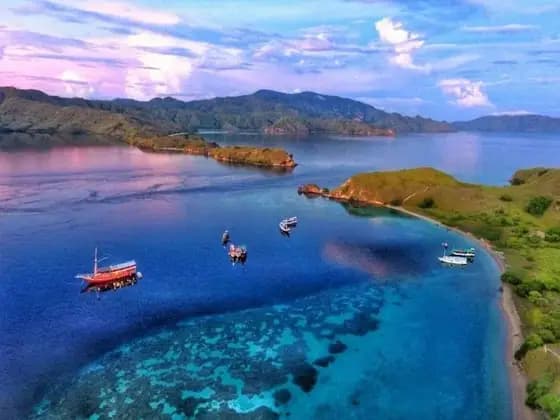
Komodo National Park hosts more than just the legendary Komodo dragon; its ecosystems teem with birds, reptiles, mammals, and vibrant marine life that rival any coral reef in the world. Below you’ll find a concise, expert‑crafted overview of every major animal group, practical tips for spotting them, and insider advice to make your charter experience unforgettable.

Key Facts

Item Detail
Park size 1,733 km² (land + sea)
Established 1980 (UNESCO World Heritage 1991)
Main islands Komodo, Rinca, Padar, Flores, Gili Motang
Peak visitation April – October (dry season)
Best dive sites Batu Bolong (30 m), Castle Rock (20 m), Manta Point (25 m)
Iconic terrestrial species Varanus komodoensis (Komodo dragon), Crocodylus porosus (saltwater crocodile)
Key marine species Manta birostris (giant manta), Chelonia mydas (green turtle), Hippocampus spp. (seahorses)
Typical tide Semi‑diurnal; low tide around 06:00 – 08:00 and 18:00 – 20:00 local time

Why “Wildlife Komodo Beyond Dragons” Matters

Most travelers think of Komodo National Park only as the home of the world’s largest lizard, but the phrase “wildlife komodo beyond dragons” captures the park’s full biodiversity. From the rust‑colored savanna grasses that sway under a relentless sun to the crystal‑clear waters where schools of barracuda flash like silver ribbons, every habitat offers a distinct sensory experience. Understanding this breadth helps you plan a trip that balances land treks with underwater immersion, ensuring you leave with a richer, more nuanced memory of the archipelago.


Terrestrial Wildlife: A Species‑by‑Species Walkthrough

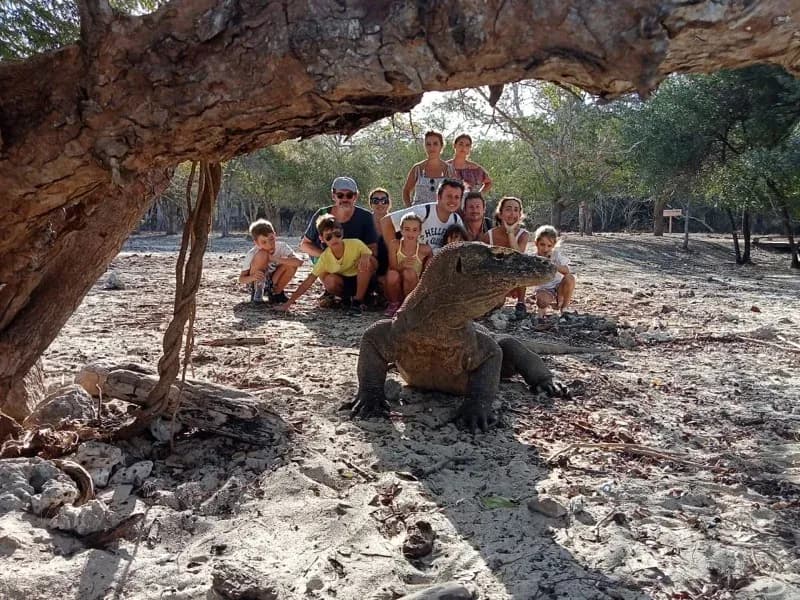
1. The Legendary Komodo Dragon (Varanus komodoensis)

  • Habitat: Dry, open scrub on Komodo, Rinca, and Padar.
  • Size: Up to 3 m (10 ft) total length, 70 kg (150 lb) average.
  • Best time to see: Early morning (06:00‑09:00) when dragons bask before the heat spikes.
  • Insider tip: Ask your guide to “track the dragon’s scent trail” – the subtle musky odor of their secretions is a reliable indicator of recent activity.

“I’ve watched a dragon crawl over a sun‑warmed rock, its tongue flicking like a salamander. The air smells faintly of iron and seaweed, a reminder that these predators are as much a part of the ocean’s edge as the reef below.” – Hosea Titi Sanjaya, field guide

2. Timor Deer (Cervus timorensis)

  • Location: Forested slopes of Rinca and Komodo.
  • Behavior: Crepuscular; most active at dawn and dusk.
  • Spotting tip: Listen for soft rustling in the underbrush and watch for the flash of a white tail.

3. Sulawesi Crested Macaque (Macaca nigra)

  • Range: Limited to the higher elevations of Rinca.
  • Unique trait: Dark black fur with a striking white face, making them highly photogenic.
  • Best viewing: Early afternoon when they forage for figs and insects.

4. Saltwater Crocodile (Crocodylus porosus)

  • Where: Mangrove channels around Komodo’s western coast.
  • Safety note: Never approach a crocodile on foot; stay on your vessel or on designated viewing platforms.
  • Tide tip: Low tide reveals sandbars where crocs often sun themselves; watch the water’s edge for sudden movement.

5. Birds of Prey

Species Habitat Key ID
White‑breasted Eagle (Haliaeetus leucogaster) Coastal cliffs Broad wings, white chest
Crested Hawk‑Eagle (Spizaetus cirrhatus) Forest canopy Dark plumage, distinctive “hawk‑like” call
Lesser Fish Eagle (Haliaeetus humilis) Near sea‑level lagoons Small size, sharp, high‑pitched scream
  • Listening tip: Dawn chorus on Padar Island includes the low, resonant call of the white‑breasted eagle—a sound that can be heard up to 2 km away.

6. Reptiles & Amphibians

  • Monitor Lizard (non‑dragon species): Varanus indicus – smaller, agile, often found near river mouths.
  • Borneo Tree Frog (Polypedates leucomystax): Bright green, calls echo after rain.
  • Sea Snakes: Hydrophis belcheri – highly venomous, but shy; spot them near coral overhangs at 15‑20 m depth.

Marine Wildlife: From Coral Gardens to Open‑Ocean Giants

1. Giant Manta Ray (Manta birostris)

  • Dive sites: Manta Point (25 m), Batu Bolong (30 m).
  • Season: October – March, when plankton blooms attract feeding groups.
  • Depth: 10‑30 m; best seen on a calm morning with a light breeze.
  • Tip: Position your Phinisi at the current’s edge; mantas often ride the flow to the cleaning stations.

2. Green Turtle (Chelonia mydas)

  • Nesting beaches: Pantai Merah on Komodo, and the secluded shores of Gili Motang.
  • Dive observation: Night dives at 20‑25 m reveal turtles grazing on seagrass beds.
  • Insider tip: Bring a red‑light torch to minimize disturbance; turtles are less likely to retreat.

3. Coral Species

Common Name Depth Range Notable Feature
Acropora formosa 5‑12 m Branching, bright orange
Porites lutea 15‑30 m Massive, pale yellow, excellent for macro photography
Fungia spp. 10‑20 m Solitary, mushroom‑shaped, often host to tiny shrimp
  • Light quality: Early morning sunlight penetrates the water with a turquoise hue, perfect for photographing Acropora’s vivid polyps.

4. Reef Fish

  • Clownfish (Amphiprion ocellaris): Hide among anemones at 8‑12 m.
  • Banggai Cardinalfish (Pterapogon kauderni): Small, spotted, found near reef ledges.
  • Napoleon Wrasse (Cheilinus undulatus): Large, bright green, can be shy; best spotted at sunrise when they patrol the reef’s outer edge.

5. Macro Life

  • Seahorses (Hippocampus spp.): Camouflaged among seagrass; look for the delicate “tails” swaying with the current.
  • Nudibranchs: Chromodoris spp. – bright blue and orange, usually at 12‑18 m depth.
  • Crustaceans: Coconut crab (Birgus latro) – found on land near the water’s edge, especially after rain.

Practical Insider Tips for a Seamless Wildlife Experience

Timing & Tides

  • Early morning (06:00‑09:00) – Ideal for dragon sightings, bird calls, and manta feeding at Manta Point.
  • Late afternoon (16:00‑18:00) – Best for saltwater crocodile spotting; low tide reveals their basking sites.
  • Night dives (20:00‑22:00) – Uncover hidden reef activity: turtles, octopus, and bioluminescent plankton.

Gear Recommendations

  • Land: Lightweight trekking boots, a wide‑brim hat, and a breathable long‑sleeve shirt (protects against sun and brush).
  • Sea: Full‑face mask with anti‑fog coating, a reef‑safe sunscreen (SPF 30+), and a dive computer calibrated for semi‑closed circuit rebreathers (if you’re a technical diver).
  • Photography: A 16‑20 mm wide‑angle lens for underwater landscapes, and a 300 mm telephoto for distant dragon shots.

Questions to Ask Your Charter Operator

  1. “What is your protocol for dragon encounters?” – Ensures guides maintain safe distances and respect the animal’s space.
  2. “Do you provide reef‑safe cleaning for dive gear?” – Prevents coral damage.
  3. “Can you arrange a night‑time snorkel on Padar?” – Highlights nocturnal marine species.
  4. “What is the current wind forecast for the week?” – Influences dive site selection and comfort on deck.

Sustainable Practices

  • Never touch or feed wildlife – This can alter natural behavior and increase disease risk.
  • Carry a reusable water bottle – Freshwater is limited on remote islands.
  • Use reef‑safe sunscreen – Protects coral from harmful chemicals.
  • Follow the “Leave No Trace” principle – Pack out all trash, especially plastic waste.

FAQ: Frequently Asked Questions

What is the best time of year to see Komodo dragons in the wild?

The dry season (April – October) offers cooler mornings and clearer skies, which encourage dragons to bask on exposed rocks. The peak months are June and August, when the humidity drops below 70 % and the temperature stabilises around 28 °C (82 °F).

How can I spot marine wildlife without disturbing the ecosystem?

Move slowly, keep your buoyancy neutral, and avoid making sudden movements. Use a red‑light torch for night dives, as many fish and turtles are less sensitive to red wavelengths. Always maintain a minimum distance of 3 m from larger species such as manta rays and turtles.

Are there any dangerous animals I should be aware of?

Yes. Saltwater crocodiles can be aggressive if approached; always stay on marked paths. Some reef fish, like stonefish (Synanceia) and lionfish (Pterois), possess venomous spines—observe but do not touch. On land, the Komodo dragon’s bite contains bacteria; any wound should be treated promptly.

Can I combine a dragon trek with a dive trip in a single charter?

Absolutely. Most Phinisi yachts are equipped with both a sturdy deck for land excursions and a dive platform with a compressor. A typical itinerary includes a morning trek on Rinca, followed by an afternoon dive at Batu Bolong, and a sunset snorkel around Padar’s lagoon.

What depth ranges should I expect for the most iconic marine species?

  • Manta rays: 10‑30 m, often at cleaning stations near the surface.
  • Giant clams (Tridacna spp.): 5‑15 m, anchored to reef slopes.
  • Coral macro life (nudibranchs, seahorses): 12‑18 m, where light penetrates but currents are gentle.

How to Plan a Wildlife‑Focused Itinerary in Komodo National Park

  1. Choose your base island – Most charter operators anchor at Labuan Bajo (Flores) for easy access to all major sites.
  2. Book a Phinisi with a qualified guide – Look for certifications (e.g., PADI Master Scuba Diver, wildlife guide licence).
  3. Map out land and sea activities – Allocate at least two days for terrestrial wildlife (dragons, deer, birds) and three days for marine exploration (manta, turtles, reef macro).
  4. Check tide charts – Use a local tide app; plan dragon treks during low tide mornings and reef dives during slack tide to reduce current.
  5. Pack responsibly – Include reef‑safe sunscreen, a dry‑bag for electronics, and a field notebook for species logging.
  6. Confirm sustainability policies – Ensure the operator follows the “Zero Plastic” initiative and supports local conservation NGOs.
  7. Finalize travel logistics – Arrange transfers from Labuan Bajo airport to your charter, and confirm any required permits (e.g., park entry fee, diving permits).

Following these steps guarantees a balanced adventure that showcases “wildlife komodo beyond dragons” while respecting the fragile ecosystems that make the park a UNESCO treasure.


The Full Species Checklist

Below is a quick‑reference checklist you can print and tick off during your journey. It covers the most iconic and easily observable species across terrestrial and marine zones.

Terrestrial Checklist

  • Komodo dragon (Varanus komodoensis)
  • Timor deer (Cervus timorensis)
  • Sulawesi crested macaque (Macaca nigra)
  • Saltwater crocodile (Crocodylus porosus)
  • White‑breasted eagle (Haliaeetus leucogaster)
  • Crested hawk‑eagle (Spizaetus cirrhatus)
  • Lesser fish eagle (Haliaeetus humilis)
  • Monitor lizard (Varanus indicus)
  • Borneo tree frog (Polypedates leucomystax)
  • Sea snake (Hydrophis belcheri)

Marine Checklist

  • Giant manta ray (Manta birostris)
  • Green turtle (Chelonia mydas)
  • Acropora formosa coral
  • Porites lutea coral
  • Fungia spp. coral
  • Clownfish (Amphiprion ocellaris)
  • Banggai cardinalfish (Pterapogon kauderni)
  • Napoleon wrasse (Cheilinus undulatus)
  • Seahorses (Hippocampus spp.)
  • Nudibranchs (Chromodoris spp.)
  • Coconut crab (Birgus latro)

Mark each species as you encounter it; the sense of completion will deepen your appreciation of the park’s biodiversity.


Internal Resources to Enhance Your Trip

  • Komodo Island Dive Guide
  • Rinca Trekking Routes
  • Phinisi Charter Options
  • Lombok Marine Life Highlights
  • Best Dive Operators in Komodo
  • Conservation Projects in Komodo
  • Travel Tips for Labuan Bajo
  • Seasonal Weather Calendar
  • Local Cuisine and Where to Eat
  • Responsible Wildlife Photography

Final Thoughts

Komodo National Park is a living laboratory where ancient reptiles share the horizon with vibrant coral reefs, and every sunrise brings a new opportunity to witness the raw beauty of nature. By approaching the archipelago with respect, curiosity, and a well‑planned itinerary, you’ll uncover the layers of “wildlife komodo beyond dragons” that most visitors never see.

Ready to experience it firsthand? Book your Phinisi charter today and let our expert guides lead you through the islands’ most spectacular wildlife encounters. Whether you crave the thrill of tracking a dragon across a sun‑baked ridge or the serenity of gliding alongside a giant manta at dusk, KomodoExplorer is your gateway to an unforgettable adventure. Click the link below to start planning your bespoke wildlife expedition.

Reserve Your Komodo Wildlife Charter Now

Back to Journal

More Articles

Komodo Tour Guide for Arabic-Speaking Visitors 2026 – Gulf & Middle East Travelers

3 de junio de 2026

Komodo Tour Guide for Arabic-Speaking Visitors 2026 – Gulf & Middle East Travelers

Komodo Tour Guide for International Visitors 2026 – Russian Travelers Welcome

3 de junio de 2026

Komodo Tour Guide for International Visitors 2026 – Russian Travelers Welcome