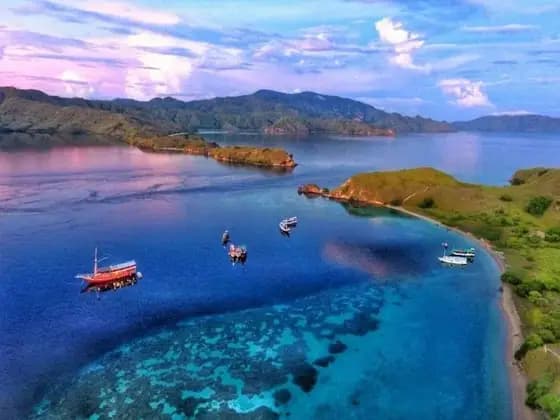
Apa itu kapal Phinisi? Ia adalah kapal layar tradisional Indonesia berbentuk dua tiang, berasal dari Sulawesi Selatan, kini menjadi simbol kemewahan maritim. Dengan desain warisan dan keselesaan moden, Phinisi menawarkan pengalaman eksklusif menjelajah destinasi seperti Komodo National Park dengan gaya yang sempurna.
Kapal Phinisi bukan sekadar kapal — ia adalah warisan hidup dari kehebatan maritim Nusantara. Dibina secara tradisional oleh komuniti pelaut Bugis dan Makassar di Sulawesi Selatan, Phinisi mula muncul pada abad ke-19 sebagai kapal dagang yang handal, mampu menempuh lautan luas dengan muatan rempah, kayu, dan barangan antara pulau. Reka bentuknya yang unik — dengan dua tiang utama dan layar penyangga — membolehkan navigasi berkesan walaupun dalam angin lemah. Hari ini, meskipun banyak telah diubah suai dengan enjin dan kemudahan moden, roh Phinisi tetap hidup dalam setiap papan jati yang dilas secara tangan oleh tukang kapal warisan. Ia bukan sekadar transportasi, tapi penjelmaan identiti bahari Malaysia dan Indonesia yang saling berkait.
Ciri paling ketara pada Phinisi ialah susunan dua tiang utama dengan layar kotak (kombinasi layar penyangga dan layar tanjak), yang memberikan siluet yang langsung dikenali. Badan kapal biasanya diperbuat daripada kayu jati atau ulin (kayu besi), tahan lasak terhadap air masin dan cuaca ekstrem. Walaupun masih mengekalkan bentuk tradisional, kebanyakan Phinisi moden kini diubah suai sebagai kapal mewah dengan enjin kuat untuk navigasi yang lebih lancar. Dek atas luas, ruang lounge terbuka, dan deck sunbathing menjadikannya sesuai untuk pelancongan mewah. Bilik tidur dalaman direka dengan sentuhan lokal — ukiran tangan, tekstil tradisional, dan lantai kayu — tetapi dilengkapi dengan air-cond, ensuite bathroom, dan bahkan sistem hiburan dalam bilik seperti 'master suite' di kapal pesiaran antarabangsa. Gabungan ini menjadikan Phinisi bukan sahaja cantik, tetapi juga fungsian dan selesa untuk perjalanan panjang di laut.
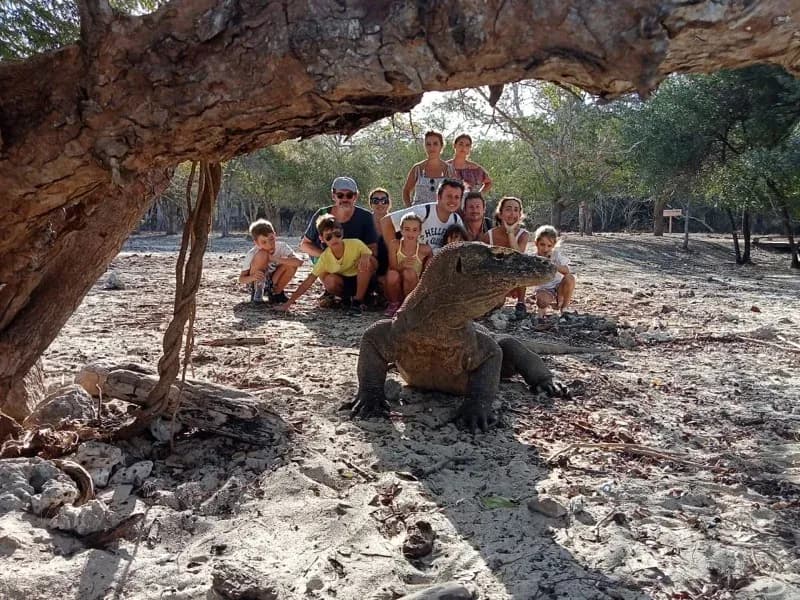
Dulu, Phinisi digunakan untuk perdagangan antarabenua; kini, ia membawa pengembara mewah melalui kawasan seperti Komodo National Park. Transformasi ini bermula pada dekad 1980-an dan 1990-an, apabila pelancong asing mula menghargai keunikan dan keaslian kapal tradisional. Operator pelancongan mula menukar Phinisi lama kepada kapal layar mewah ('luxury yacht') dengan kemudahan moden tanpa mengorbankan estetika warisan. Hari ini, menaiki Phinisi bukan sekadar pengalaman berlayar — ia adalah gaya hidup. Dengan kru profesional, chef peribadi, dan pengaturan 'itinerary' yang fleksibel, setiap pelayaran direka untuk memberikan 'perfect escape' di tengah lautan. Dari snorkeling di Pink Beach hingga melihat komodo liar di Rinca, Phinisi menjadi wadah untuk pengembaraan yang intim dan eksklusif, sesuai untuk pasangan, keluarga, atau kumpulan mesra yang mencari pengalaman berbeza daripada kapal pesiaran konvensional.
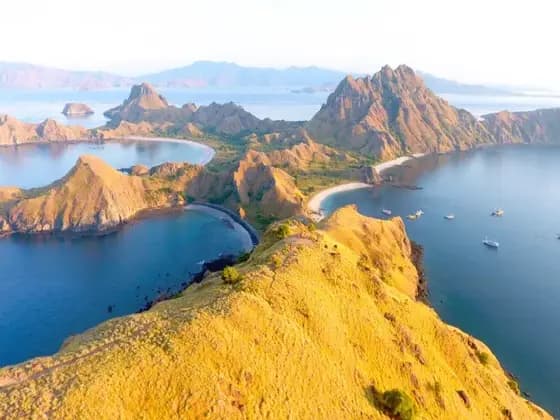
Di kawasan seperti Labuan Bajo, Phinisi adalah raja pelayaran. Mengapa? Kerana ia seimbang antara keupayaan teknikal dan keselesaan estetik. Laut di sekitar Komodo National Park mempunyai arus yang kuat dan kawasan yang terpencil — Phinisi moden dengan enjin kuat dan muatan bahan api besar mampu menjelajah jauh tanpa kompromi. Selain itu, saiznya yang besar membolehkan ruang lebih untuk aktiviti seperti diving, yoga pagi, atau sekadar bersantai sambil menikmati 'drone shot' pemandangan Padar yang spektakular. Dengan dek atas terbuka, banyak Phinisi menawarkan 'al fresco dining' di bawah bintang, dengan makanan laut segar yang dimasak secara tempatan. Ia juga lebih fleksibel daripada kapal besar — boleh berlabuh dekat pantai terpencil, membolehkan akses terus ke tempat seperti Manta Point untuk snorkeling eksklusif. Bagi mereka yang mahukan perpaduan sempurna antara budaya, petualangan, dan keselesaan, Phinisi adalah pilihan nombor satu. Jelajahi lebih lanjut pilihan peribadi kami di /private-charter.
Naik ke atas Phinisi, dan anda akan merasai gabungan tenang dan kegembiraan. Pagi bermula dengan kopi panas di dek sambil matahari naik dari laut biru safir. Kemudian, kapal bergerak ke destinasi seterusnya — mungkin untuk diving di sekitar karang hidup atau berenang bersama penyu di perairan jernih. Di siang hari, anda boleh berjemur di sunbed, membaca di bawah kanopi, atau menikmati urutan dek yang direka untuk relaksasi maksimum. Malam pula diisi dengan makan malam berbintang — bukan secara metafora, tetapi benar-benar di bawah langit berbintang, dengan muzik lembut dan angin sepoi-sepoi. Kru yang mesra dan berdedikasi sentiasa sedia — dari pelayan hingga kapten — menjadikan setiap butiran perjalanan lancar. Dan kerana kebanyakan Phinisi hanya membawa 10 hingga 20 tetamu, pengalaman itu tetap intim dan peribadi. Ia bukan sekadar kapal, tapi rumah sementara anda di tengah lautan — tempat setiap hari membawa cerita baru.
Berbeza dengan kapal pesiaran besar yang penuh dengan hiburan dan ribuan tetamu, Phinisi menawarkan pendekatan berlawanan: kecil, intim, dan fokus pada alam. Di kapal pesiaran, anda mungkin berbaris untuk makan atau berebut tempat di kolam renang. Di Phinisi, tiada barisan — hanya ruang, ketenangan, dan kebebasan. Anda menentukan 'itinerary': mahu snorkeling lebih lama di satu lokasi? Tiada masalah. Ingin berlabuh di teluk terpencil untuk 'sunset cocktail'? Semudah mengatakannya. Selain itu, Phinisi mempunyai jejak ekologi yang lebih kecil dan sering menyokong komuniti tempatan melalui pekerjaan dan pembelian hasil laut tempatan. Ia juga lebih mesra alam — banyak operator kini menggunakan amalan lestari seperti mengurangkan plastik sekali pakai dan menyokong pemuliharaan terumbu karang. Jika anda mahukan pengalaman yang bukan sahaja mewah tetapi juga bermakna, Phinisi adalah jawapannya. Ketahui lebih lanjut tentang pelayaran menyelam eksklusif di /dive-cruise.
Kapal Phinisi ialah kapal layar tradisional Indonesia berbentuk dua tiang, asalnya digunakan oleh pelaut Bugis dan Makassar. Kini, ramai Phinisi dimodenkan sebagai kapal mewah untuk pelayaran pelancongan di kawasan seperti Komodo National Park, menawarkan gabungan warisan dan keselesaan moden.
Kapal Phinisi paling terkenal beroperasi di kawasan timur Indonesia, terutamanya dari Labuan Bajo ke destinasi seperti Komodo, Rinca, Padar, Pink Beach, dan Manta Point. Ia juga sesuai untuk pelayaran jauh ke Raja Ampat atau Flores, bergantung pada 'itinerary'.
Ya, ramai Phinisi direka khusus untuk penyelam, dengan ruang gear, 'dive deck', dan krew yang berpengalaman. Ia ideal untuk 'dive cruise' di kawasan kaya biodiversiti seperti Komodo National Park, di mana terumbu karang dan arus menarik banyak spesies marin.
Pelayaran Phinisi biasanya antara 3 hingga 10 malam, bergantung pada 'itinerary'. Pelayaran 4 hari 3 malam popular untuk pengembaraan ringkas ke Komodo, manakala yang lebih panjang sesuai untuk penerokaan mendalam ke kawasan terpencil.
Sangat selesa. Phinisi moden dilengkapi dengan bilik berhawa dingin, bilik mandi ensuite, dan kemudahan seperti 'master suite'. Ia sesuai untuk pasangan, keluarga, dan kumpulan mesra yang mahukan pengalaman 'luxury' tanpa mengorbankan keaslian budaya.