
Batu Cermin Cave, also known as the Mirror Stone Cave, is a natural limestone chamber on the western coast of Flores that reflects sunlight in dazzling patterns. The cave’s polished walls create a kaleidoscope of light that makes every visit feel like stepping into a living crystal gallery.
| Fact | Details |
|---|---|
| Location | 2 km north of Labuan Bajo, off the road to Batu Cermin Labuan Bajo |
| Coordinates | 8°31′12″ S 119°53′45″ E |
| Access | 15‑minute drive from Labuan Bajo town; boat landing at the nearby pier |
| Opening Hours | 07:00 – 16:30 (sunrise to sunset) |
| Best Visiting Time | Early morning (07:00‑09:00) or late afternoon (15:00‑16:30) for optimal light |
| Tide | Low tide (6 am‑8 am, 18 pm‑20 pm) reveals a larger pool |
| Entry Fee | IDR 15,000 per person (cash only) |
| Facilities | Public toilets, shaded rest area, small souvenir stall |
| Nearby Attractions | Komodo National Park, Rinca Island, Kelimutu Lake |
The moment you step onto the sun‑warmed sand of the small cove, the salty breeze carries a faint scent of seaweed and limestone. A distant gull’s cry punctuates the gentle lap of turquoise water against the shore. Inside the cave, the light diffuses through a narrow opening, turning the interior walls into a living mirror that splinters the sun into a rainbow of shards. It’s a sensory experience that feels both ancient and futuristic—a perfect prelude to the wild adventures that await on a Phinisi charter around Komodo.
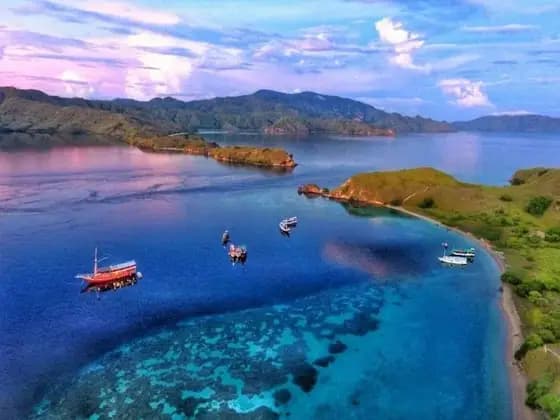
If you’re already on a Phinisi charter, ask your captain to drop anchor at the small pier just east of the cave. The water is shallow (≈1 m) and calm, allowing a safe landing even for non‑swimmers.
| Condition | Why It Matters | Recommended Action |
|---|---|---|
| Early Morning (07:00‑09:00) | Sun rises behind the cave, sending a thin beam through the entrance that creates the signature “mirror” effect. | Arrive early to catch the first light; the beach is quiet and the temperature is comfortable (≈27 °C). |
| Late Afternoon (15:00‑16:30) | The sun sets behind the limestone, casting a warm amber glow that reflects off the water’s surface. | Perfect for photography; the shadows are longer, adding depth to the rock formations. |
| Low Tide (6 am‑8 am, 18 pm‑20 pm) | Exposes a larger pool inside the cave, allowing you to wade in and see reflections from different angles. | Bring a waterproof shoe; the sand can be slippery. |
| Windy Days | Strong breezes can stir up sea spray, dimming the interior light and making the floor slippery. | Opt for a calm day; check the local forecast the night before. |
The most famous feature is the smooth, glass‑like wall that reflects the sun’s rays. On a clear day, the wall shines with a silvery intensity that can blind you momentarily—hence the name “Mirror Stone.” The effect changes with the cloud cover, creating a dynamic palette from soft gold to deep violet.
During low tide, a shallow pool forms at the cave’s base. The water’s surface acts as a secondary mirror, multiplying the light patterns and producing a kaleidoscopic floor. Small fish—often Atherina spp.—dart in and out, adding movement to the scene.
Though not as dramatic as those in deep karst systems, the cave’s stalactites are delicate calcium deposits that grow at a rate of a few millimeters per year. Look for the tiny “candle” shapes near the rear wall; they’re a reminder of the cave’s geological age (estimated at 2‑3 million years).
Early morning between 07:15 and 08:30 offers a soft, diffused light that penetrates the entrance, while late afternoon (15:30‑16:30) provides a warm golden hue. Use a tripod and a circular polarizer to reduce glare and enhance the mirror effect.
A relaxed visit, including the walk from the parking lot, time inside the cave, and a short beach stroll, usually takes 45 minutes to 1 hour. Add extra time if you plan to snorkel in the adjacent reef.
Yes, but supervision is essential. The floor can be slippery when the tide is high, and the narrow entrance may feel claustrophobic for younger kids. Bring water shoes and a light jacket for cooler early‑morning breezes.
Swimming is permitted only during low tide when the water is shallow (≤0.5 m). The pool is not deep enough for full immersion, but you can wade and splash safely.
The cave is not a sacred site, but local fishermen consider the surrounding waters part of their livelihood. Avoid littering and refrain from removing any stones or shells.
Having visited Batu Cermin Cave on three separate occasions over the past five years, I can attest that the cave’s personality changes with each sunrise. The first time I entered, the sun was hidden behind a thin veil of clouds, and the mirror wall reflected a muted silver. On a later visit, a clear sky turned the wall into a blazing, almost blinding panel of light, forcing me to pull my hat down and squint with awe. Those moments, combined with the gentle hum of the tide and the distant call of the white‑bellied sea eagle, remind me why this hidden gem remains a favorite stop for my Komodo Explorer clients.
Ready to witness the dazzling reflections of Batu Cermin Cave for yourself? Reserve a private Phinisi charter with KomodoExplorer.com and let our experienced crew guide you from Labuan Bajo to the mirror stone wonder. Click the button below to start planning your unforgettable day—complete with sunrise photography, low‑tide pool wading, and a sunset sail along the Flores coastline.