Sebayur Kecil vs Sebayur Besar: Which Island to Visit?
Short answer: Sebayur Kecil offers intimate snorkeling over shallow coral gardens, perfect for families and early‑morning explorers; Sebayur Besar provides deeper drop‑offs, stronger currents, and a wider variety of pelagic species, ideal for experienced divers and those seeking a more rugged adventure.
Key Facts
| Feature |
Sebayur Kecil |
Sebayur Besar |
| Location |
Central Komodo NP, 2 km east of Labuan Bajo |
Central Komodo NP, 4 km north‑east of Labuan Bajo |
| Island size |
0.4 km² (tiny sand cay) |
1.2 km² (rounded volcanic outcrop) |
| Peak snorkeling depth |
5–12 m |
12–25 m (with dive sites up to 30 m) |
| Typical sea‑state |
Calm to moderate, protected by reef |
Moderate to strong, exposed to prevailing winds |
| Marine life highlights |
Soft corals, pygmy seahorses, nudibranchs |
Giant cuttlefish, reef sharks, manta rays (seasonal) |
| Best visit window |
Early morning (06:00–09:00) during low tide |
Mid‑day (10:00–14:00) when currents are strongest |
| Facilities |
No permanent structures; dry‑dock for day‑charters |
Small wooden pier, basic shade pavilion |
| Recommended charter |
Phinisi “Mata Hari” for a day trip |
Phinisi “Bintang Laut” for multi‑day itineraries |
Why the Comparison Matters
When planning a Komodo archipelago itinerary, the decision between Sebayur Kecil and Sebayur Besar can shape the rhythm of your day, the types of marine encounters you’ll have, and even the logistics of your charter. Both islands sit within the UNESCO‑protected waters of the Komodo National Park, but their topographies, currents, and biodiversity differ enough to warrant a side‑by‑side look. Below you’ll find the details that matter most to a diver‑guide who has spent more than a decade navigating these waters.
What Are the Main Differences Between Sebayur Kecil and Sebayur Besar? {#faq-main-differences}
1. Island Shape and Accessibility
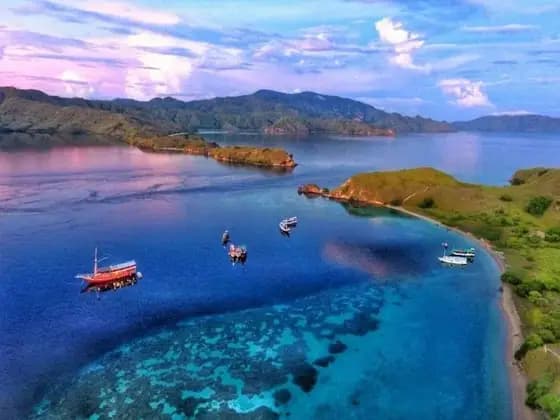
- Sebayur Kecil is a low‑lying sand cay fringed by a narrow coral reef. Its shoreline is only a few meters wide, making it easy to step ashore from a tender. The island is best accessed at slack tide when the water recedes enough to expose a thin sand strip.
- Sebayur Besar rises more dramatically, with a rocky plateau and a small natural harbor. A short wooden pier allows larger tenders to dock, but you’ll need to climb a modest set of steps to reach the beach.
2. Underwater Topography
- Kecil offers gentle slopes and shallow lagoons. Most snorkelers stay within the 5‑12 m band, where light penetrates the water, revealing a kaleidoscope of soft corals and macro‑life.
- Besar features steep drop‑offs and a central trench that plunges beyond 30 m. This vertical relief attracts larger pelagics, especially during the northwest monsoon when currents sweep nutrient‑rich plankton through the channel.
3. Marine Biodiversity
| Species |
Sebayur Kecil |
Sebayur Besar |
| Pygmy Seahorse (Hippocampus bargibanti) |
Common in shallow macro‑habitats |
Rare, found only on deeper walls |
| Nudibranchs |
Colorful varieties (e.g., Chromodoris spp.) |
Fewer, but larger species like Glossodoris |
| Reef Sharks |
Occasional blacktip sightings |
Regular visits from grey reef and whitetip sharks |
| Manta Rays |
Seasonal, early morning visits |
More frequent during high tide in the afternoon |
| Giant Cuttlefish |
Not typical |
Frequently observed at night on the drop‑off |
4. Visitor Experience
- Sebayur Kecil feels like a private oasis. The lack of permanent infrastructure means you’ll hear only the gentle lapping of waves and the distant call of gulls. This quiet makes it ideal for families with small children or photographers chasing macro‑shots.
- Sebayur Besar has a livelier atmosphere. The wind whistles across the pier, and you’ll often see other charter groups anchoring nearby. The stronger currents create a dynamic underwater theater, perfect for experienced divers chasing the thrill of a reef shark’s silhouette.
How to Choose the Right Island for Your Itinerary {#howto-choose-island}
Define your primary activity – snorkeling, diving, or a mixed day‑trip?
- If snorkeling is the focus, lean toward Sebayur Kecil.
- If you want a dive with depth and current, select Sebayur Besar.
Consider the group’s skill level – families with children, senior travelers, or seasoned divers?
- For beginners, the calm, shallow waters of Sebayur Kecil reduce risk.
- For certified divers, Sebayur Besar offers a challenging but rewarding environment.
Check the tide schedule – low tide (06:00‑09:00) exposes more sand at Sebayur Kecil, while high tide (10:00‑14:00) enhances currents at Sebayur Besar.
- Use the tide chart from the Komodo Marine Authority or ask your charter operator for the latest data.
Assess weather forecasts – a light breeze (≤5 kt) keeps Sebayur Kecil’s surface glassy, whereas a moderate breeze (6‑12 kt) can create the currents that attract manta rays to Sebayur Besar.
Ask the charter captain – a knowledgeable skipper will know which island’s reef is “on‑fire” that day and can adjust the itinerary accordingly. Typical questions:
- “What’s the visibility like on the drop‑off today?”
- “Are there any recent reef clean‑ups that might affect macro spotting?”
Plan your time allocation – allocate at least 2 hours for snorkeling at Sebayur Kecil (including a short hike to the sand bar) and 3‑4 hours for a dive at Sebayur Besar (including surface interval and a brief walk on the island).
Finalize your charter – book a vessel that matches your preferred pace. For a relaxed day, choose a smaller Phinisi like “Mata Hari.” For a multi‑day adventure with night dives, “Bintang Laut” offers more onboard facilities.
Practical Insider Tips for Visiting Sebayur Kecil
- Arrive at sunrise: The early light creates a sapphire‑blue surface that makes the coral’s colors pop. The water temperature is also a few degrees cooler, which feels refreshing after a night at sea.
- Bring a reef‑safe sunscreen: The island’s exposed sand can get scorching. A zinc‑oxide formula protects both skin and coral.
- Pack a lightweight snorkel mask with a wide field of view: The macro life here thrives in tight crevices; a mask that offers peripheral vision helps you spot hidden nudibranchs.
- Ask the crew for a “macro‑spotting guide”: Many local guides keep a small notebook of recent sightings. This can dramatically increase your chances of photographing a pygmy seahorse.
- Mind the tide: During extreme low tide, the sand bar can become a thin, wet ribbon. If you plan to walk, wear water shoes to protect your feet from sharp coral fragments.
Practical Insider Tips for Visiting Sebayur Besar
- Schedule the dive for mid‑day: The strongest currents arrive around 11:00‑13:00, bringing plankton that attracts manta rays and reef sharks.
- Use a dive computer with a depth alarm: The drop‑off can be deceiving; an alarm at 25 m helps you stay within your planned depth range.
- Carry a waterproof flashlight: Night dives on Sebayur Besar reveal giant cuttlefish that display bioluminescent patterns—an unforgettable sight.
- Ask the skipper about “current direction”: The prevailing current can change daily; a knowledgeable captain will steer the vessel to position you on the leeward side of the island for optimal drift.
- Bring a dry‑bag for electronics: The spray from larger waves can reach the pier, and a dry‑bag keeps your camera and phone safe.
Sebayur Kecil: A Detailed Day‑Trip Blueprint
Morning (06:00‑09:00)
- 06:00 – Depart Labuan Bajo on a Phinisi charter. The sea is calm, and the sunrise paints the horizon orange.
- 06:45 – Arrive at Sebayur Kecil. The island’s silhouette emerges from the mist; the scent of salty air mingles with a faint perfume of mangrove leaves from nearby islets.
- 07:00 – Anchor in the protected lagoon. The water is crystal clear, with visibility often exceeding 20 m.
- 07:15 – Snorkel session: Swim over the coral platform, where soft pink Acropora colonies host schools of Chromis and occasional Acanthurus (surgeonfish). Keep an eye out for the tiny Hippocampus bargibanti clinging to the seagrass.
- 08:30 – Beach walk: A short stroll across the sand bar reveals a small tide pool where you can spot tiny crabs and the occasional Cymbula (limpet).
Midday (09:00‑12:00)
- 09:00 – Lunch on board: Freshly grilled fish with a side of locally sourced sambal; the aroma of grilled lemongrass fills the deck.
- 10:30 – Optional kayak: Paddle around the outer reef to see the reef’s edge from a different perspective. The gentle paddling allows you to hear the subtle sound of the water moving past the hull.
- 12:00 – Return to Labuan Bajo: The journey back offers a chance to review photos and discuss the day’s highlights with the crew.
Sebayur Besar: A Detailed Dive Itinerary
Early Afternoon (10:00‑14:00)
- 10:00 – Depart Labuan Bajo on a larger Phinisi equipped for multi‑day trips. The wind is a light easterly, creating a gentle swell.
- 10:45 – Arrive at Sebayur Besar. The island’s rugged cliffs rise sharply, and the sound of distant waves crashing against the rock is audible even from the deck.
- 11:00 – Briefing: The dive master explains the dive plan—two dives on the western wall (depth 20‑30 m) and a drift dive on the southern trench.
- 11:30 – First dive: Descend along the vertical wall, where Euphyllia (leather coral) and Lobophytum (soft coral) create a textured backdrop for curious Manta birostris that glide overhead.
- 12:30 – Surface interval: Enjoy a cold drink on the pier while the sun warms the deck. The sound of gulls and the occasional distant dolphin call add to the ambience.
- 13:00 – Second dive: Drift along the trench, where currents bring in schools of Scomberomorus (Spanish mackerel) and occasional Carcharhinus (reef sharks). Spot a giant cuttlefish (Sepia spp.) camouflaged among the rocks.
Late Afternoon (14:00‑18:00)
- 14:30 – Lunch on board: A hearty bowl of nasi goreng with a side of fresh fruit; the flavors of the islands linger in the air.
- 15:30 – Optional night dive: If you’re staying overnight, a night dive on Sebayur Besar reveals bioluminescent plankton and the spectacular display of giant cuttlefish.
- 18:00 – Sunset on the pier: The sky turns crimson, and the water reflects the colors, creating a mirror‑like surface that is perfect for photography.
Frequently Asked Questions {#faq-section}
Which island is better for families with young children? {#faq-families}
Sebayur Kecil is the safer choice. Its shallow waters, gentle currents, and lack of permanent structures mean children can stay close to the boat while exploring vibrant coral gardens. The island’s sand bar provides a natural playground, and the calm sea reduces the risk of sudden wave action.
When is the best time of year for a sebayur comparison komodo trip? {#faq-season}
The dry season (April – October) offers the clearest water and the most predictable winds. For a sebayur comparison komodo experience that includes both islands, aim for May to September. This window balances calm seas for Sebayur Kecil with the moderate currents that make Sebayur Besar’s drift dives exciting.
Can I combine both islands in a single day? {#faq-combine}
Yes, many charters schedule a morning snorkel at Sebayur Kecil followed by an afternoon dive at Sebayur Besar. The key is to coordinate with your skipper to ensure tide and current conditions align. Ask the captain, “Will the tide be suitable for both islands today?” and they will adjust the itinerary accordingly.
What equipment should I bring for a sebayur island komodo adventure? {#faq-equipment}
- Reef‑safe sunscreen and a hat
- Snorkel mask with a wide field of view
- Dive computer with depth alarm (if diving)
- Waterproof flashlight for night dives on Sebayur Besar
- Dry‑bag for electronics and valuables
- Light, quick‑dry towel and water shoes
Are there any cultural considerations when visiting these islands? {#faq-cultural}
Both islands are uninhabited, but they fall within the traditional fishing zones of the local Bajo community. Always treat the environment with respect: avoid stepping on corals, refrain from collecting shells, and follow the crew’s waste‑disposal guidelines. A polite “Terima kasih” to the crew and local fishermen is always appreciated.
How to Book Your Sebayur Island Experience
Choosing between Sebayur Kecil and Sebayur Besar is only the first step. The real magic begins when you set sail on a Phinisi charter that tailors the itinerary to your preferences. At KomodoExplorer, we partner with seasoned captains who know the tides, currents, and hidden macro‑hotspots better than anyone else. Whether you crave a gentle sunrise snorkel on Sebayur Kecil or an adrenaline‑filled drift dive on Sebayur Besar, our fleet can accommodate your schedule, skill level, and budget.
Ready to decide? Click here to explore our available vessels, view detailed itineraries, and lock in your spot on the next sebayur comparison komodo adventure. Let the islands of Komodo National Park become the backdrop to your most unforgettable marine memories. Safe travels, and see you on the water!