
Direct answer: The best komodo liveaboard 2026 combines a sturdy Phinisi yacht, a crew that knows the currents, and a schedule that hits the iconic dive sites—Batu Bolong, Manta Point, and Castle Rock—at the optimal tide. Look for vessels that offer 4‑night itineraries, a certified dive master on board, and flexible departure dates between May and September.
| Item | Details |
|---|---|
| Prime season | April – October (dry season) |
| Ideal water temperature | 27 °C – 30 °C |
| Typical visibility | 15 m – 30 m |
| Top dive sites | Batu Bolong, Manta Point, Castle Rock, Pink Beach, and the Komodo National Park wrecks |
| Average depth range | 5 m – 35 m (walls up to 40 m) |
| Marine life highlights | Manta jelly, reef sharks, pygmy seahorses, mushroom corals, and the occasional whale shark |
| Recommended liveaboard length | 4 nights (minimum) – 7 nights (max) |
| Typical crew size | 6 – 8 (captain, chef, dive master, deckhands) |
| Booking window | 6‑12 months in advance for the best rates |
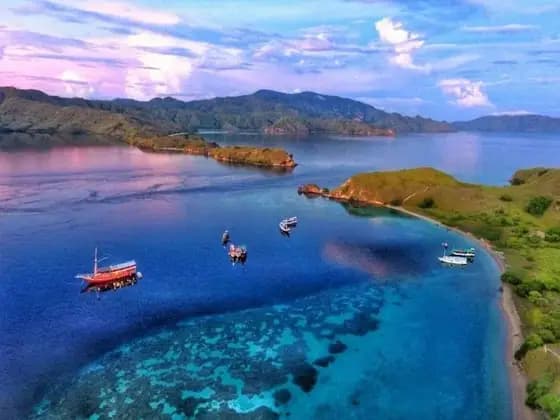
Komodo’s marine park is a living laboratory where currents from the Indian and Pacific Oceans collide, creating nutrient‑rich upwellings that sustain a kaleidoscope of life. From the moment you step onto the deck, the salty tang of the sea mixes with the faint scent of frangipani from nearby islands. The gentle hum of the engine is punctuated by the distant call of a white‑bellied sea eagle, reminding you that you’re sailing in a pristine wilderness.
A liveaboard lets you:
Below is a curated list of vessels that consistently rank highest among our clients and dive professionals. All are registered Phinisi yachts, built from teak and reinforced with modern fiberglass for safety and comfort.
Note: All dive times are approximate and subject to tide changes. Always confirm with your dive master the day before.
| Day | Morning Dive | Midday Activity | Afternoon Dive | Evening |
|---|---|---|---|---|
| 1 | Batu Bolong (Depth 5‑20 m) – early‑morning drift for reef sharks and pygmy seahorses. | Lunch on deck, brief on Komodo dragon conservation. | Manta Point (Depth 12‑25 m) – mantas at cleaning stations. | Sunset on the deck, night dive briefing. |
| 2 | Castle Rock (Depth 20‑35 m) – walls of soft corals, occasional reef sharks. | Guided hike on Komodo Island (optional). | Pink Beach (Depth 2‑8 m) – shallow snorkel, macro photography. | Night dive at Batu Bolong – bioluminescent plankton. |
| 3 | Kelimutu (Depth 15‑30 m) – known for schools of tuna and occasional whale shark sightings. | Cooking class: preparing “sate ikan” with local spices. | Senggigi (Depth 10‑20 m) – macro reef with frogfish and pygmy pipefish. | Deck party with local Gamelan music. |
| 4 | Senggigi (Night dive, 10‑20 m) – spotlighting nocturnal critters. | Brunch, debrief, and certification paperwork. | Return to Labuan Bajo – final surface swim. | Disembark. |
The dry season (April – October) offers calm seas, optimal visibility (up to 30 m), and the highest chance of spotting mantas and reef sharks. June and July are peak months for macro life due to plankton blooms.
Most operators schedule 2–3 dives per day, with a maximum of four on exceptionally calm days. Early‑morning dives (06:00‑09:00) and late‑afternoon dives (15:00‑18:00) give you the best light and current conditions.
Yes. A PADI Open Water or CMAS One Star certification is the minimum. Many vessels also accept Advanced Open Water divers who want to explore deeper walls (up to 35 m). For nitrox dives, an Enriched Air certification is required.
Night dives are conducted with experienced dive masters, full‑size torches, and a strict buddy system. The water temperature drops only a few degrees, so a 3 mm wetsuit is sufficient. Always follow the dive master’s brief and keep a close eye on your depth gauge.
Absolutely. Most liveaboards have a gear room for personal equipment. However, many vessels provide reliable twin‑tank gear, so if you’re traveling light, you can rely on the onboard set.
Phinisi yachts are designed for stability, but if you’re prone to motion sickness, bring meclizine or ginger tablets, and stay hydrated. Position yourself near the centerline of the vessel where motion is least noticeable.
KomodoExplorer’s fleet adheres to Zero‑Plastic policies: all single‑use plastics are replaced with biodegradable alternatives. The crew conducts daily reef health checks, logging coral bleaching incidents and fish counts to aid ongoing scientific research. By sailing with us, you become a citizen scientist, contributing data that helps protect one of the world’s most biodiverse marine ecosystems.
“The sunrise over Batu Bolong was a moment I’ll never forget. The crew’s knowledge of the currents turned a simple drift into a ballet of mantas and reef sharks. I felt like I was part of the ocean itself.” – Lena M., Germany
“The night dive at Castle Rock revealed a hidden world of glowing plankton. The guide’s storytelling made each macro critter feel like a character in a novel.” – Carlos R., Brazil
“Cooking class on board taught me how to balance the spice of local chilies with fresh tuna. It was the perfect complement to the day’s dives.” – Aisha K., South Africa
Choosing the best komodo liveaboard 2026 is about more than luxury; it’s about immersion, education, and responsible travel. Whether you’re chasing the graceful glide of mantas, the elusive flash of a pygmy seahorse, or the awe‑inspiring sight of a dragon’s silhouette on a cliff, the right vessel will amplify every moment. Let the sea’s scent, the hum of the engine, and the warm hospitality of our crew guide you to a dive experience that feels both epic and intimate.
Embark on the ultimate underwater adventure with KomodoExplorer. Book your liveaboard now and lock in the best rates for the 2026 season. Click the link below to explore available dates, compare vessels, and start planning the dive holiday you’ve always dreamed of.
Reserve Your Liveaboard Experience
Your journey into the heart of Komodo’s marine wonderland begins here.