
📝 AI-assisted, human-edited by Hosea Titi Sanjaya (13 yrs Komodo charter ops).
Cendrawasih Bay Whale Shark – Quick Answer
Cendrawasih Bay, tucked on the western edge of Komodo National Park, is one of the world’s most reliable spots to encounter the gentle giant, the whale shark (Rhincodon typus). From October to April, schools of plankton attract these filter‑feeders, offering divers a chance to swim alongside them in crystal‑clear waters of 15‑30 m depth.
| Item | Details |
|---|---|
| Location | Cendrawasih Bay, West Komodo, West Manggarai Regency, East Nusa Tenggara, Indonesia |
| Best Season | October – April (peak: November – January) |
| Typical Depth | 15 – 30 m (50 – 100 ft) |
| Water Temperature | 27 °C – 30 °C (81 °F – 86 °F) |
| Visibility | 15 – 30 m (50 – 100 ft) |
| Marine Life | Whale sharks, manta rays, reef sharks, turtles, hundreds of fish species |
| Access | 2‑hour speedboat from Labuan Bajo; also reachable from Lombok via liveaboard |
| Regulations | No feeding, maintain 3‑m distance, limit of 15 divers per boat |
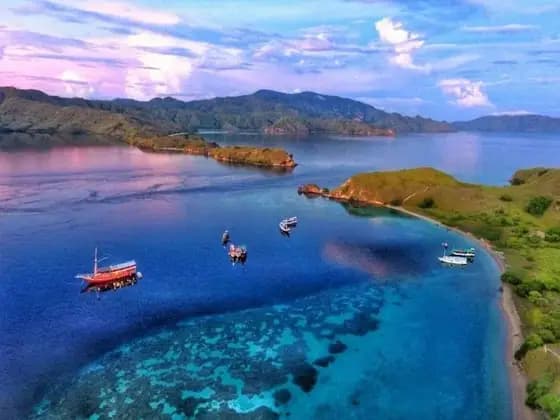
When you step onto the deck of a sleek Phinisi yacht, the salty breeze carries a faint scent of seaweed and distant volcanic ash—a reminder that you’re at the edge of an ancient archipelago. The bay’s turquoise water is punctuated by the rhythmic splash of gulls and the low hum of the engine as it glides over a reef that shimmers like a field of emerald glass. Beneath the surface, the sun filters through a canopy of plankton, casting a soft, golden haze that makes each encounter with a whale shark feel like a silent ballet.
Unlike the crowded sites of the Philippines or the Maldives, Cendrawasih Bay offers a whale shark experience that feels both intimate and wild. The sheer size of the bay—spanning over 30 km²—means the giants can roam freely, and the protective management of Komodo National Park ensures that the ecosystem remains largely untouched.
Insider tip: Ask the captain about the “windward side” of the bay. The afternoon breeze often pushes plankton towards the western cove, creating a concentration of feeding whale sharks around 10 am–12 pm.
| Month | Conditions | Whale Shark Activity |
|---|---|---|
| October | Calm seas, early plankton bloom | Moderate |
| November‑January | Warm water, strong plankton surge | High |
| February‑April | Slightly cooler, still good sightings | Moderate |
Why November‑January? The southeast monsoon drives nutrient‑rich currents from the deep ocean, feeding a massive plankton bloom that draws whale sharks in numbers that can exceed 30 individuals per dive.
Practical tip: Book the first dive of the day; the crew usually positions the boat at the “feeding corner” before the sun climbs, giving you the best chance to encounter the giants early.
Most whale‑shark encounters happen between 15 m and 30 m. The dive sites are gently sloping reef walls that allow the sharks to glide effortlessly past the dive platform. The water temperature remains a comfortable 28 °C, meaning a thin wetsuit (3 mm) is enough for most divers.
The sunlight penetrates the water like a golden brushstroke, especially during the early morning. The plankton itself creates a faint, greenish glow that makes the shark’s massive, speckled skin look like a living tapestry. Visibility often exceeds 20 m, giving you ample time to frame your shots.
While the whale shark is the star, you’ll also see:
The whale shark is the largest fish on the planet, reaching lengths of 12‑14 m and weighing up to 20 t. Their distinctive pattern of white spots and stripes is as unique as a fingerprint—great for photographers seeking that perfect identification shot. Despite their size, they are gentle filter‑feeders, consuming up to 1,500 kg of plankton daily.
Behavioral note: When they surface to breathe, they raise their heads just enough to gulp air, creating a brief “breathing plume” that can be photographed from the surface. This is a prime moment for snorkelers on the snorkeling deck.
Select a dive operator that follows the Komodo National Park guidelines. Look for a Dive operators page that lists certifications (PADI, SSI) and a clear environmental policy.
Maintain a minimum of 3 m from the shark’s head and 5 m from its tail. Avoid sudden movements; glide with smooth, controlled strokes.
The dive leader will use hand signals to indicate when the shark is approaching, when to stay still, and when to ascend. Trust the guide—local knowledge of shark behavior is priceless.
Cendrawasih Bay is a fragile ecosystem. Every diver has a role in preserving its pristine condition:
The peak season runs from November to January, when the southeast monsoon fuels a massive plankton bloom. October and February‑April still offer good sightings, but numbers can be lower.
Most encounters happen between 15 m and 30 m. The sharks often glide along the reef wall, occasionally diving deeper to chase larger plankton swarms.
Beginners can safely join a shark‑cage dive for added confidence. However, many operators allow open‑water swims for divers with basic buoyancy control and a calm demeanor.
A well‑fitted mask, snorkel, short fins, a reliable BCD, and a waterproof camera are the basics. A dry‑suit is unnecessary due to warm water temperatures.
Yes. The park limits each boat to 15 divers to minimize disturbance and ensure a high-quality experience for both guests and the sharks.
Choose a reputable charter like Komodo Explorer, which offers fully staffed Phinisi yachts, certified dive guides, and a commitment to sustainable tourism.
Cendrawasih Bay offers more than a dive; it delivers a once‑in‑a‑lifetime communion with the ocean’s most majestic resident. The combination of pristine waters, abundant marine life, and expertly guided tours makes it the premier destination for anyone who dreams of swimming alongside a whale shark. Whether you’re a seasoned diver seeking a new challenge or a first‑timer eager to witness the gentle giants up close, the bay’s warm currents and welcoming crew will ensure you leave with stories that echo the sound of waves against the hull for years to come.
If you’re prepared to feel the hush of the deep, the rush of a whale shark’s massive pectoral fin passing overhead, and the satisfaction of contributing to a protected marine sanctuary, book your Cendrawasih whale shark adventure today. Click the link below to secure your spot on a Phinisi yacht, meet our knowledgeable crew, and set sail for an unforgettable encounter with the ocean’s biggest fish.
Reserve your Cendrawasih Bay Whale Shark tour now – spaces fill quickly during peak season, so act fast and let the adventure begin!