
The history of Phinisi boats dates back over a thousand years, originating from Austronesian shipbuilding traditions in the eastern Indonesian archipelago. These wooden sailing vessels evolved from trade and warcraft to today’s luxury charter yachts, embodying a living maritime heritage that still powers the waves off Komodo, Labuan Bajo, and Lombok.
Key Facts
The phinisi boat history is inseparable from the broader narrative of Austronesian navigation. Around the 9th century, seafarers from the islands of Sulawesi and the Maluku archipelago began carving hulls from single tree trunks, a technique known locally as kayu gading. The scent of fresh-cut teak mingled with the salty sea breeze as they launched their first double‑outrigger vessels, which could glide silently across the Timor Sea at night, guided only by the stars and the faint hum of night‑time insects.
These early ships were not merely transport; they were moving libraries of oral history, each plank bearing a story of distant islands, exotic spices, and the rhythmic slap of waves against the hull.
When the Sultanate of Makassar rose to power in the 16th century, the phinisi boat heritage entered a golden age. Makassar’s strategic position on the Sulawesi coast made it a hub for the spice trade, and the demand for larger, faster vessels surged. Shipwrights responded by lengthening hulls to 30 m, reinforcing frames with ironwood bengkir, and adding a third mast to harness the fierce monsoon gusts that sweep the Flores Sea.
The sound of a fully‑rigged Phinisi under full sail—tensioned ropes creaking, canvas flapping, and the low thrum of the water against the hull—became a familiar soundtrack for merchants traveling between the Banda Islands and the ports of Timor.
The 20th century brought diesel engines and steel hulls, threatening the phinisi boat history with obsolescence. Yet a small cadre of traditional shipwrights in Bontang and Parepare refused to let the wooden legacy fade. In the 1970s, they began building Phinisi for the burgeoning tourism market, converting cargo holds into luxurious cabins while preserving the classic rig.
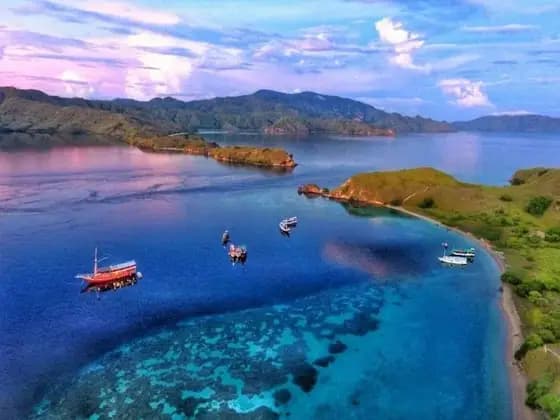
Today, the Phinisi is celebrated not only as a functional vessel but also as a cultural icon. UNESCO’s 2022 inscription of the “Traditional Shipbuilding of the Phinisi” highlighted its intangible heritage, prompting a surge of interest from divers, photographers, and heritage tourists. The gentle sway of a Phinisi at anchor off Komodo National Park, the scent of incense mingling with the sea’s brine, and the soft glow of lanterns on deck at sunset are experiences that have become synonymous with premium yacht charter in Indonesia.
Understanding the craftsmanship behind a Phinisi enriches any charter experience. Below are the core techniques that set these vessels apart:
These details are not merely decorative; they affect performance, comfort, and the vessel’s ability to handle the sudden squalls that can appear off Lombok in the early afternoon.
The Phinisi combines a double‑mast gaff rig with a carvel‑built hull of teak and ironwood, a combination rarely found elsewhere. Its design balances cargo capacity with speed, allowing it to navigate both deep ocean passages and shallow reef lagoons—a versatility that has kept the vessel relevant from the spice era to today’s luxury charter market.
Traditional shipbuilders adapted by integrating diesel engines without compromising the wooden hull’s integrity. They reinforced the keel with steel brackets and installed discreet prop shafts, allowing the vessel to retain its classic silhouette while offering reliable motor power for calm days or when wind conditions are unfavorable.
Yes. In 2022, UNESCO inscribed the Traditional Shipbuilding of the Phinisi on the Representative List of the Intangible Cultural Heritage of Humanity. This recognition supports community‑based preservation programs, grants for apprenticeships, and promotes sustainable tourism that respects the craft.
Absolutely. The villages of Bontang and Parepare host open workshops where visitors can watch master shipwrights shape a keel, hear the rhythmic tap of wooden mallets, and even try their hand at carving a small plank under supervision.
A Phinisi’s gaff sails are heavier and require more coordinated crew work, especially when reefing. However, the hull’s long waterline length provides a smoother ride in chop, and the wooden construction dampens vibration, offering a quieter, more “organic” sailing experience than fiberglass hulls.
Chartering a Phinisi in Labuan Bajo is straightforward if you follow these steps. This guide assumes you have a basic understanding of sailing terminology—if not, our Phinisi charter experiences page offers a beginner’s glossary.
Following these steps guarantees a smooth charter experience, letting you focus on the awe‑inspiring sight of a Komodo dragon silhouette against a crimson sunset, viewed from the deck of a historic Phinisi.
Walking the decks of a Phinisi today feels like stepping into a living museum. The polished teak railings, the faint scent of citrus oil used to treat the wood, and the distant call of a coconut crab on a nearby shore all remind us that this vessel is more than a mode of transport—it is a conduit for stories that have traveled across the Java Sea for centuries.
Every time a Phinisi drops anchor off Bali or glides through the turquoise channels of the Raja Ampat, it carries forward a phinisi boat heritage that links the ancient Austronesian explorers with today’s adventurous travelers. The craft’s resilience—its ability to adapt, to be reborn as a luxury charter while retaining its wooden soul—offers a powerful lesson: heritage thrives when it is lived, not merely displayed.
Ready to experience the history of Phinisi boats firsthand? Book your Phinisi charter with KomodoExplorer today and set sail on a vessel that has shaped Indonesia’s maritime story for a millennium. Whether you’re chasing manta rays off Lombok, diving among vibrant coral gardens in Komodo, or simply cruising under a canopy of stars, our seasoned crew will guide you through a journey that blends heritage, adventure, and unrivaled comfort.
Reserve your Phinisi adventure now and become part of the living legacy.