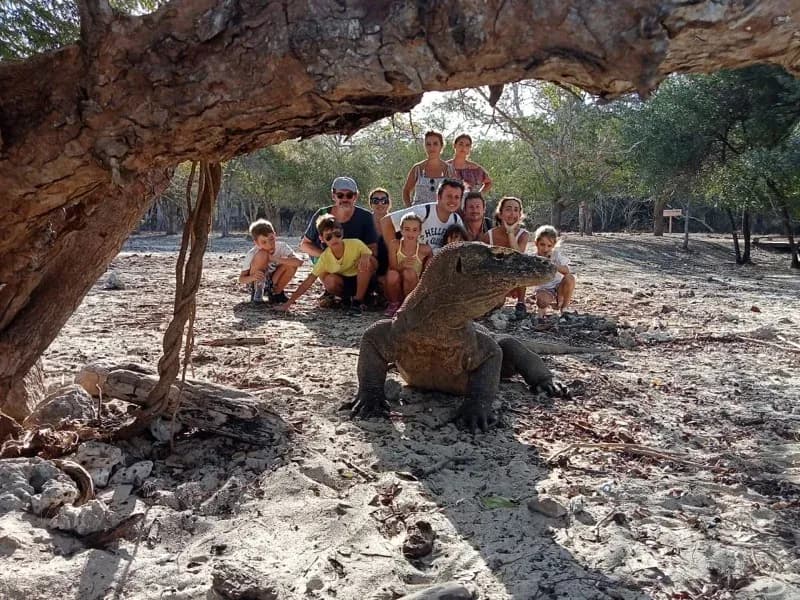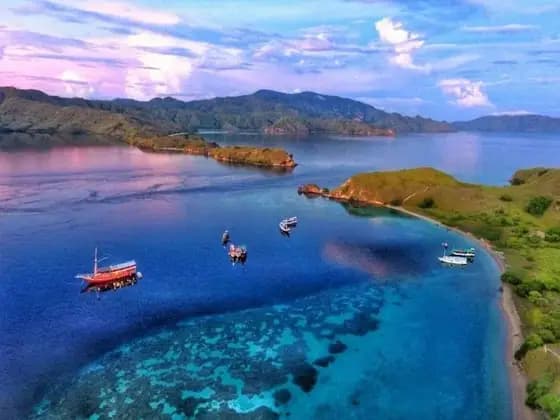
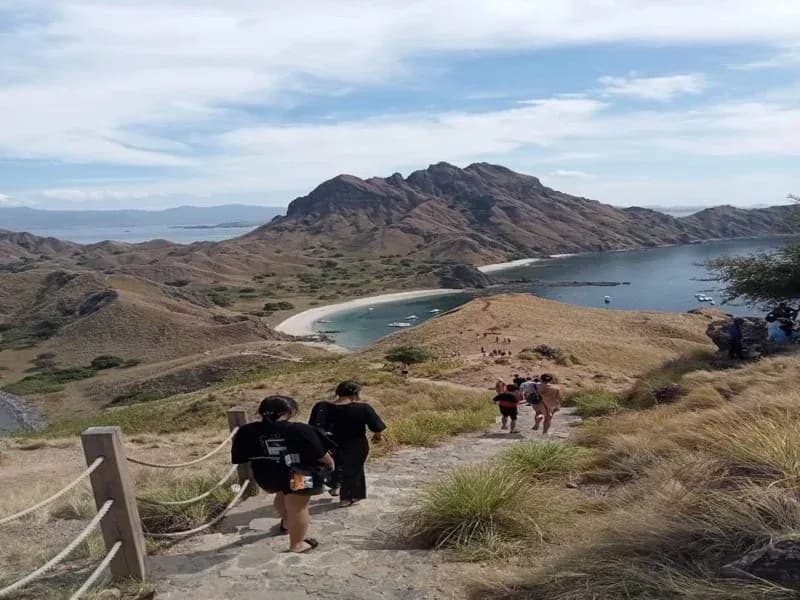
The Komodo National Park entrance fee for foreign visitors is approximately $20 USD, though the full access cost in 2026 includes a mandatory SiORA permit and conservation contributions. These fees support park preservation and regulate sustainable tourism across the islands of Komodo, Rinca, and Padar.
As of 2026, visiting Komodo National Park requires more than just a casual entry ticket—it demands participation in a structured conservation model. The base Komodo National Park entrance fee for international travelers stands at $20 USD, but this is merely the beginning. The Indonesian government, in partnership with local authorities, has implemented the SiORA (Sistem Online Reservation Aktivitas) digital permit system to manage tourism flow and protect fragile ecosystems. This unified platform consolidates park access, ranger fees, and conservation contributions into a single, non-negotiable booking process. Travelers must reserve through authorized operators or online via the official SiORA portal, where the full cost often reaches $100–$150 per person for multi-day itineraries. This includes park entry, guided trekking permits, mooring fees, and environmental levies. The shift reflects a broader commitment to high-value, low-impact tourism, ensuring Komodo’s biodiversity remains intact for decades to come.
The SiORA permit is not an add-on—it’s the cornerstone of access to Komodo National Park in 2026. Designed to replace fragmented paper-based passes, SiORA streamlines visitor management through real-time tracking, capacity controls, and digital verification. Every foreign traveler must secure a SiORA reservation before setting foot on Komodo, Rinca, or even anchoring near Padar. The permit ensures that each visitor contributes directly to conservation, supports certified local guides, and adheres to designated trails and time slots. Booking opens 12 months in advance, and slots fill quickly—especially during peak season (May to September). Independent travelers can book directly, but most opt to secure their SiORA permit through a licensed tour operator or liveaboard Phinisi crew, who handle logistics seamlessly. Without SiORA, park rangers will deny entry, no exceptions. It’s not bureaucracy; it’s stewardship in action.
While the headline Komodo National Park entrance fee may seem modest, the total expense reflects comprehensive ecological and community investment. Here’s how the 2026 costs typically break down:
On multi-day cruises, these costs are bundled. A seven-day Phinisi dive cruise, for example, may include $120 in cumulative fees per guest. These are non-refundable and must be paid in advance. The transparency ensures every dollar supports anti-poaching units, coral monitoring, and community-led ecotourism programs. For those exploring independently from Labuan Bajo, expect to pay upwards of $50 for a single day visiting Komodo and Pink Beach—still a worthy investment for one of Earth’s last wild frontiers.
Securing your SiORA permit requires precision and timing. Begin by deciding your itinerary: will you visit Komodo, Rinca, Padar, or combine several sites? Once confirmed, follow these steps:
For those opting for a private charter or dive cruise, your operator will handle SiORA registration as part of the package—ensuring compliance without hassle. This is particularly valuable for families or groups seeking flexible schedules and personalized routes across Manta Point, Pink Beach, and secluded dive sites.
While foreign visitors face standardized fees, certain categories receive concessions. Indonesian citizens pay a significantly reduced rate—around IDR 150,000 (roughly $10 USD)—for park entry and trekking. Children under 12 may qualify for partial discounts on international rates, though ranger fees still apply. Students with valid ISIC cards are not currently entitled to reductions within the SiORA system. Notably, there are no group discounts for independent travelers, but organized educational or research expeditions may apply for special permits through the park authority in Labuan Bajo. It’s worth noting that exemptions are rare and strictly enforced; even diplomatic personnel must comply with the full fee structure unless formally accredited. The policy underscores equity: whether you’re a solo backpacker or aboard a luxury Phinisi, the responsibility to protect Komodo is shared equally.
The Komodo National Park entrance fee is not a toll—it’s a covenant. Every dollar collected fuels active conservation: monitoring Komodo dragon populations, restoring degraded coral reefs, and funding ranger patrols that deter illegal fishing. Since 2020, revenue from tourism has directly supported the relocation of Komodo village to minimize human-wildlife conflict and the expansion of marine protected zones. The SiORA system amplifies this impact by limiting daily visitor numbers, reducing trail erosion, and ensuring guided treks follow ethical wildlife protocols. When you pay to visit Komodo, you’re not just gaining access—you’re becoming a steward. This model has drawn praise from UNESCO and global conservation bodies, positioning Komodo National Park as a benchmark for sustainable adventure travel. For discerning travelers, the fee isn’t a barrier; it’s an invitation to participate in something far greater than a photo op on Padar Island.
To make the most of your journey to Komodo National Park, plan with purpose. Begin by aligning your travel dates with optimal conditions—dry season offers calm seas and clear visibility at Manta Point. Book your SiORA permit early, preferably through a reputable operator who values sustainability. Choose small-group or private experiences that minimize footprint, such as a Phinisi cruise via KomodoExplorer’s /dive-cruise collection, where marine biologists often join expeditions. Always trek with a licensed guide; they’re trained to keep safe distances from Komodo dragons and know the terrain intimately. Respect all signage, stay on marked paths, and never feed or approach wildlife. Carry reusable water bottles—plastic is banned in the park. And consider extending your journey to Rinca or lesser-known bays like Sebayur, where tourism pressure is lower and encounters feel profoundly authentic. For ultimate flexibility and exclusivity, explore the /private-charter options from Labuan Bajo, where your itinerary bends to the rhythm of nature, not mass tourism.
The base Komodo National Park entrance fee for foreign visitors is $20 USD, but the total cost in 2026, including the SiORA permit, conservation levy, and mandatory guide fee, typically ranges from $100–$150 for multi-day visits.
Yes. The SiORA permit is required for all entries into Komodo National Park, including Padar, Pink Beach, and Manta Point. Without it, park rangers will deny access, regardless of your mode of transport.
No. All treks on Komodo and Rinca islands require a licensed ranger guide for safety and conservation reasons. The guide fee is included in your SiORA booking and cannot be waived.
Most reputable Phinisi operators, including those featured on KomodoExplorer, include all park fees, SiORA permits, and guide costs in their cruise packages. Always confirm this when booking to avoid surprise charges.
SiORA permits open 12 months ahead and fill quickly, especially for peak season (May–September). It’s advisable to book 6–12 months in advance, particularly for private charters or dive-focused itineraries.