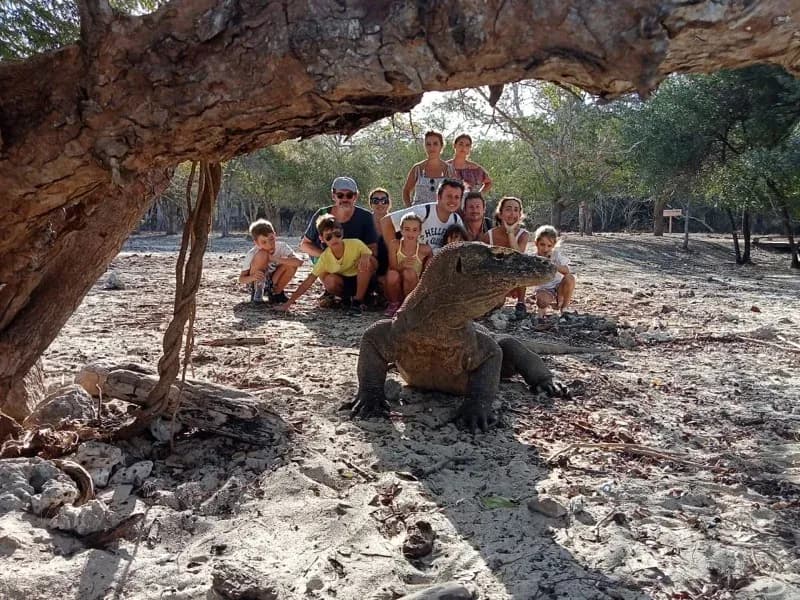

Direct answer: Komodo rangers are Indonesia’s frontline conservation officers who protect the dragons, manage visitor safety, and enforce park rules. Tipping them is a respectful way to acknowledge their expertise and dedication; a modest cash tip (usually IDR 50,000–100,000 per day) is appreciated, especially when you’ve benefited from their guidance or assistance.
| Fact | Details |
|---|---|
| Official title | Park Ranger, Komodo National Park |
| Primary duties | Wildlife monitoring, visitor safety, patrols, education |
| Typical salary | Approx. IDR 2.5 million per month (varies by rank) |
| Common tip amount | IDR 50,000–100,000 per day (≈ USD 3–7) |
| Best tip timing | After a full‑day excursion, before departure, or at the end of a multi‑day charter |
| Where to tip | Directly to the ranger you’ve worked with, or at park entry/exit offices |
| Preferred method | Cash in small bills; avoid large denominations to make change easier |
| Cultural note | Tipping is not mandatory but is seen as a sign of respect and gratitude |
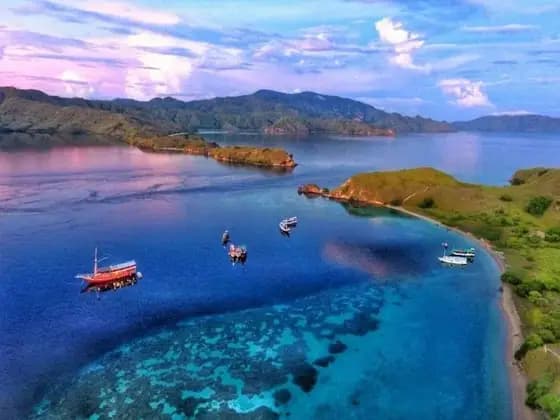
Komodo rangers are more than just park staff; they are seasoned naturalists, seasoned boat crew, and, on many occasions, the first line of defense against the island’s infamous dragons. I’ve spent three charter seasons sailing with Phinisi yachts from Labuan Bajo, and each time I’ve heard the same story: a ranger’s voice, low and steady, cutting through the salty breeze, warning us of a wandering Varanus komodoensis near the shoreline of Padar Island. Their presence is felt in the rustle of mangrove leaves, the distant call of the white‑bellied sea eagle, and the faint hum of a motorboat as they patrol the turquoise waters of the park’s western corridor.
Rangers receive a modest government salary, and their allowances for fuel, gear maintenance, and meals are limited. A tip, while not obligatory, helps offset these costs and signals that visitors value their expertise. Moreover, a well‑tipped ranger is more likely to share insider knowledge—such as the best early‑morning tide to view dragon hatchlings on Komodo Island’s western cliffs or the hidden snorkel spot where Chelonia mydas (green turtles) come ashore at night.
The optimal moment is right after the ranger has completed a service—typically late afternoon after a trek or early evening before you board your Phinisi. The light at that hour is soft amber, the sea breeze carries the scent of frangipani, and the ranger’s fatigue is evident; a tip at this moment feels most genuine.
Rangers prefer Indonesian Rupiah. While a few may accept USD or EUR, it often requires conversion at the park office, which can delay the gesture. If you only have foreign cash, exchange a small amount at the Labuan Bajo bank before heading out.
No. Tipping is entirely voluntary. However, if you receive personalized assistance—such as a ranger helping you navigate a tricky reef at depth 18 m near Manta Point—consider a tip as a token of gratitude.
Ask for the ranger’s name and badge number before you tip. Most rangers wear a brass badge with a unique identifier. Write this down; many charter operators keep a log and can forward your tip if you hand it to the charter manager instead of the ranger directly.
Respect their decision. Some rangers may refuse out of principle, preferring to keep the interaction purely professional. In that case, a heartfelt “thank you” and a photo with the ranger are still valuable gestures.
On a recent charter to Komodo Island, I boarded the sleek Phinisi Nusantara at sunrise. The air smelled of sea salt and burnt incense from a nearby temple. As we approached the island’s western cliffs, the rangers—two men and a woman—met us at the landing point. Their uniforms were simple: khaki shirts, navy caps, and a badge that read “Ranger #12.”
We spent the morning snorkeling at Manta Point, where the water turned a deep sapphire, and a school of Acanthurus lineatus (lined surgeonfish) swam past our fins. The lead ranger, Pak Budi, pointed out a solitary manta ray gliding at 28 m, its massive pectoral fins casting a shadow like a cathedral ceiling. After the dive, I slipped IDR 75,000 into his hand, whispered “Terima kasih” and watched his eyes light up. Later that afternoon, he guided us up the steep trail to the dragon’s basking rock, explaining how the dragons’ thermoregulation works—how they absorb heat from the sun and conserve it in their massive livers. The scent of dry earth and the distant call of a Pavo cristatus (Indian peafowl) added to the immersive experience.
That day, the tip was not just money; it was a bridge between my crew and the guardians of this UNESCO World Heritage Site.
| Question | Short Answer |
|---|---|
| Do I need to tip if I’m on a private charter? | No, but it’s appreciated if a ranger assists you. |
| Can I tip via mobile payment? | Some rangers have e‑wallets, but cash remains preferred. |
| What if I’m traveling solo? | Tip the ranger you interact with directly; solo travelers often receive the same courtesy. |
| Is there a formal tipping policy? | No official policy; it’s a cultural practice of gratitude. |
| Will my tip help conservation? | Indirectly—tips supplement ranger wages, encouraging better park stewardship. |
While tipping is a tangible way to thank rangers, your impact can extend further:
These actions reinforce the message that visitors care about the long‑term health of the dragons, the reefs, and the people who protect them.
Understanding the komodo rangers tipping etiquette not only enriches your adventure but also strengthens the partnership between travelers and the guardians of this extraordinary landscape. When you book your next open‑trip with Komodo Explorer, you’ll receive a detailed Komodo national park ranger guide that outlines every ranger interaction, safety brief, and tipping recommendation.
Set sail with confidence. Click below to reserve your Phinisi charter, meet the rangers, and dive into the heart of Komodo National Park with the respect it deserves.
Book Your Komodo Open‑Trip Now