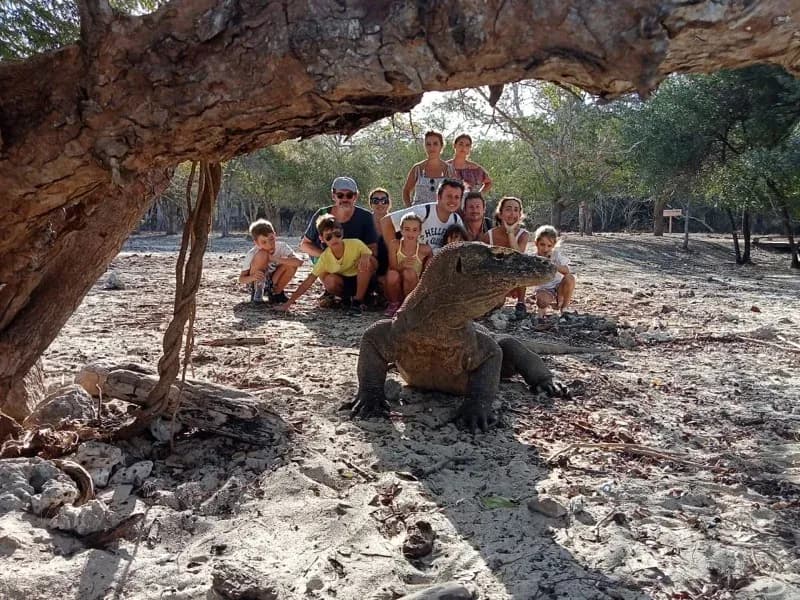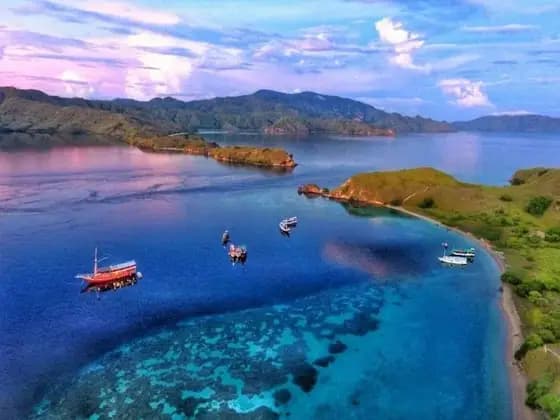

Komodo island trekking is a high‑impact adventure that blends raw volcanic landscapes, crystal‑clear seas, and the unforgettable sight of the Komodo dragon in its natural habitat. In a single day you can walk rugged limestone ridges, hear the distant crash of waves against sheer cliffs, and feel the heat of the sun on your skin while spotting endemic birds and ancient savanna‑type flora.
Direct answer: The best time for komodo island trekking is the dry season (April – December), early mornings for cooler temperatures, and a knowledgeable guide who can navigate park regulations and safety protocols. A typical trek lasts 3–5 hours, covering 5–8 km of marked trail, with optional night walks for a chance to see dragons at dusk.
| Item | Details |
|---|---|
| Location | Komodo Island, West Nusa Tenggara, Indonesia |
| Park | Komodo National Park (UNESCO World Heritage) |
| Best season | Dry season – April to December (peak: May‑October) |
| Typical trek length | 5–8 km (3–5 hours) |
| Entry fee | IDR 150,000 per person (incl. guide) |
| Highest point | Padar Hill – 1,300 m (optional side trek) |
| Key wildlife | Komodo dragon, Timor deer, orange‑footed scrubfowl, endemic reptiles |
| Gear required | Sturdy boots, sun hat, sunscreen, water, light rain jacket |
| Operator tip | Ask for a “dragon‑watch” guide who knows dragon behavior and tide schedules |
Komodo island trekking offers a rare blend of rugged mountain trekking and wildlife safari. The island’s terrain is a mosaic of dry savanna, scrubby grassland, and jagged limestone outcrops that rise dramatically from turquoise waters. As you ascend the trail, the air shifts from salty sea breezes to a dry, warm draft that carries the faint scent of eucalyptus‑like Melaleuca trees. The light quality changes too—early morning light is soft and golden, perfect for photographing the iconic dragons, while mid‑day sun casts stark shadows that highlight the island’s raw geology.
The trek is managed by the Komodo National Park Authority, which requires every visitor to be accompanied by a licensed guide. This ensures safety (the dragons can be unpredictable) and protects the fragile ecosystem. My own experience guiding groups on a Phinisi yacht from Labuan Bajo gave me a front‑row seat to the park’s daily rhythms, from sunrise boat arrivals to the late‑afternoon wind that sweeps across the cliffs.
Insider tip: Ask your operator whether they can arrange a “tide‑aware” trek. Low tide reveals hidden rock pools where smaller reptiles and crustaceans congregate, adding extra wildlife encounters.
Most trekkers start their journey in Labuan Bajo, the gateway town on Flores Island. From here, a Phinisi yacht charter—our specialty at KomodoExplorer—takes you across the calm waters of the Flores Sea to the island’s western landing point, Rinca Bay (≈ 30 km). The boat ride lasts 45‑60 minutes, during which you’ll feel the gentle sway of the vessel, hear the distant call of the coconut crab (the world’s largest land crustacean), and smell the briny perfume of seaweed.
Practical tip: When booking, request a “sun‑shielded deck” for the early‑morning departure; the sunrise can be blinding on the open sea, and a shaded area will keep you comfortable while you await the guide’s briefing.
The trek is moderate in difficulty. Most fit travelers can complete it without prior mountaineering experience, but a baseline of 3–4 km of brisk walking on uneven ground is advisable. If you’re planning the optional Padar Hill side trek (an extra 2 km ascent to 1,300 m), a higher fitness level is required.
The park’s rangers emphasize three core rules:
Ask your guide: “What is the current dragon activity level, and how do you signal a safe distance?” This shows you respect the wildlife and helps the guide tailor the day’s route.
The main trekking route begins at the Komodo Island Visitor Center (coordinates 8°33′23″S 119°23′14″E). From there, the trail winds through a low‑lying savanna dotted with sago palms (Metroxylon sago) that sway in the gentle breeze. The ground is a mixture of dry, crumbly limestone and fine volcanic ash that releases a faint, metallic scent after rain.
Mid‑morning light is harsh, creating deep shadows that accentuate the island’s rugged contours. By early afternoon, the sun sits high, and the heat intensifies, prompting many dragons to lounge on sun‑warmed rocks. This is when you’ll hear the low rumble of distant surf echoing off the cliffs—a reminder of the sea’s proximity.
Insider tip: Bring a pair of binoculars (8×42) and a telephoto lens (300 mm or longer). The dragons often remain still for several minutes, giving you ample time for a crisp shot.
| Spot | Description |
|---|---|
| Dragon’s Rest | A flat limestone slab where a resident male dragon often suns itself. |
| Sago Grove | A stand of sago palms that provide shade; the air here smells of earthy sap. |
| Hidden Cove | A small inlet visible only at low tide; perfect for a quick dip. |
| Panoramic Viewpoint | Overlooks the Komodo Strait and the distant silhouette of Padar Island. |
Below is a How‑To guide for a seamless trekking experience, from pre‑trip preparation to post‑trek reflection.
The standard trek is rated moderate. The path is well‑marked, with gentle inclines and occasional rocky steps. Beginners with basic fitness can complete it in 3–4 hours. For those with limited hiking experience, we recommend a guided half‑day trek that skips the optional Padar Hill ascent.
Photography is allowed, but no flash or close‑range lenses (under 30 cm) are permitted near the dragons. This protects the animals from stress. The park rangers enforce a 5‑meter safety radius; stepping inside may result in a fine.
| Item | Approximate Cost (IDR) |
|---|---|
| Park entry + guide | 150,000 |
| Phinisi charter (per person) | 750,000 |
| Equipment rental (boots, water) | 50,000 |
| Snacks & water | 30,000 |
| Total | ≈ 1,000,000 |
Prices are subject to change; always confirm with the operator.
Yes. Many operators schedule a morning trek followed by an afternoon dive at Batu Bolong or Manta Point. The calm seas after the trek provide excellent visibility (25‑30 m). Book a combined package through our Komodo diving guide for seamless logistics.
Besides dragons, you’ll likely encounter Timor deer, orange‑footed scrubfowl, various monitor lizards, and numerous seabirds like the white‑breasted waterhen. The island’s flora includes sago palms, coconut trees, and wild ginger that emit a sweet, earthy fragrance after rain.
Below is a sample itinerary that showcases the optimal flow of activities, integrating travel, trekking, and optional marine experiences.
| Time | Activity |
|---|---|
| 05:30 | Wake‑up call, light breakfast (fresh fruit, boiled eggs). |
| 06:00 | Transfer to Labuan Bajo harbor; board Phinisi yacht (sun‑shielded deck). |
| 07:00 | Arrive at Komodo Island Visitor Center; safety briefing. |
| 07:30 | Start trek – early‑morning dragon watch. |
| 09:30 | Break at Sago Grove – snack and hydration. |
| 10:30 | Reach Dragon’s Rest – prime photo opportunity. |
| 11:30 | Optional Padar Hill side trek (if fitness permits). |
| 12:30 | Return to visitor center; debrief and lunch on board. |
| 14:00 | Depart for Batu Bolong dive site (30‑minute boat ride). |
| 15:00 | Dive – encounter reef sharks, turtles, and vibrant corals. |
| 17:00 | Return to Labuan Bajo; sunset cocktail on deck. |
| 19:00 | Dinner at local seafood restaurant; share stories. |
Tip: If you prefer a more relaxed pace, replace the afternoon dive with a snorkel at Manta Point, which requires less equipment and still offers spectacular marine life.
Komodo National Park is a delicate ecosystem under pressure from increasing tourism. As a responsible traveler, you can help preserve this wonder by:
Our charter team works closely with the Komodo Park Conservation Unit to ensure every trek aligns with their sustainability guidelines. When you book through KomodoExplorer, you automatically contribute to a 10% conservation fund that supports ranger patrols and habitat restoration.
Most groups encounter 2‑3 dragons on the standard route. The exact number varies with season, tide, and dragon activity levels. Early morning and late afternoon increase the likelihood of multiple sightings.
Night treks are highly regulated and require a minimum of two participants per guide. Solo travelers are encouraged to join a group or arrange a private night trek through a licensed operator. The darkness amplifies dragon senses, so a guide’s expertise is essential for safety.
Visit the KomodoExplorer charter page, select the “Komodo Dragon Trek” package, and fill out the brief questionnaire. Our team will contact you within 24 hours to confirm availability, permits, and any special requests (e.g., dietary needs, equipment rentals).
Komodo island trekking is more than a hike; it’s an immersion into a living museum where ancient reptiles roam alongside pristine seas. The combination of rugged terrain, vibrant wildlife, and the salty‑sweet scent of the ocean creates an unforgettable sensory tapestry that stays with you long after you step back onto the Phinisi deck.
Whether you’re a seasoned trekker chasing the iconic komodo dragon trek, a nature photographer seeking dramatic light, or an adventurous traveler craving a trekking komodo national park experience, the island offers a rewarding challenge that respects both your curiosity and the environment.
If you’re prepared to walk the path of the dragons, let KomodoExplorer handle the logistics. Our seasoned guides, comfortable Phinisi yachts, and deep local knowledge ensure a safe, awe‑inspiring trek that aligns with park regulations and conservation goals. Book your komodo island trekking adventure today and step into a world where the earth’s oldest predators roam free—under the watchful eye of an experienced crew who knows every stone, every scent, and every sunrise.
Reserve your trek now and let the island’s raw beauty become the story you tell for years to come.